
Punjab cuisine
Classic Aloo Gosht
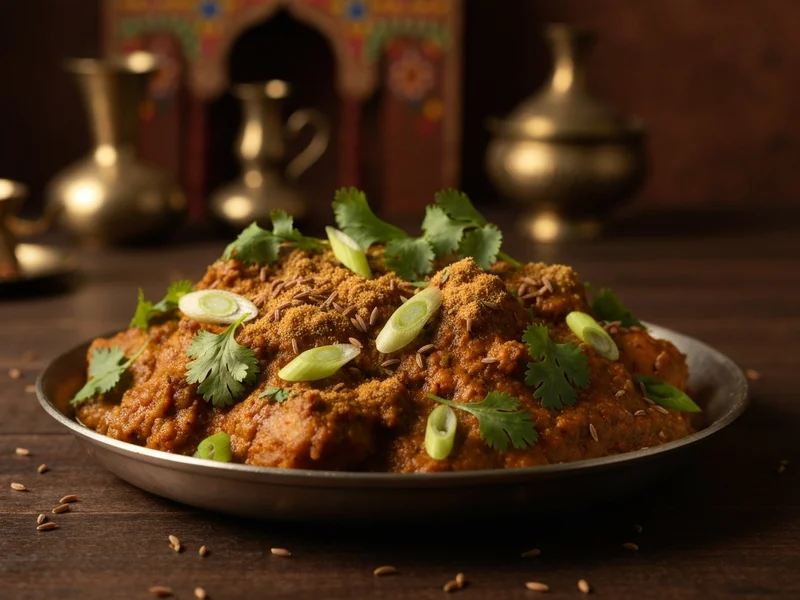
Classic Aloo Gosht is a traditional Punjab Pakistani dish. Pakistan's everyday comfort curry — tender mutton and golden potatoes simmered in a tomato-onion masala. The dish every Pakistani mother makes differently, and every version is correct.
Aloo gosht is the backbone of Pakistani home cooking — the dish that doesn't need an Instagram moment because it's too busy feeding the nation on a Tuesday night. Every ammi (mother) in Pakistan makes her own version: some like it dry, some with a thin shorba (broth), and some add an embarrassing amount of aloo (potatoes) to stretch the gosht (meat) a little further (no judgement — we've all been there).
The Punjabi version here is tamatar (tomato)-heavy, moderately spiced, with enough salan (gravy) to soak into a fresh roti. There are no fancy techniques, no rare ingredients — just the patient alchemy of meat, potatoes, and a handful of masalay (spices) cooked low and slow until everything melds into something far greater than its parts. Comfort food doesn't get more honest than this.
Ingredients
Instructions
- Heat the tel (oil) in a heavy pateela (pot) over medium heat until it shimmers — you should see faint ripples on the surface. Drop in the saabut zeera (whole cumin seeds). They should crackle and pop within 3-5 seconds, releasing a warm, earthy fragrance. If nothing happens, your oil isn't hot enough — wait a bit longer. If they burn instantly (turn black), your oil is too hot — start over with fresh oil and lower heat. HINT: Blooming whole spices in hot oil first (called tarka or bhaghar) is the foundation of almost every Pakistani curry. Get this step right and the rest follows.
- Add the sliced pyaz (onions) to the crackling zeera. Stir to coat them in oil. Now comes the patience part: fry on medium heat, stirring every 30-60 seconds, until the onions turn deep golden brown. This takes about 8-10 minutes. They'll go translucent first (3 minutes), then start to colour at the edges (5 minutes), then gradually turn golden all over (8-10 minutes). You're looking for a rich amber colour, not pale yellow. HINT: If they're browning unevenly or catching on the bottom, your flame is too high. If they're just sitting there looking soggy after 5 minutes, your flame is too low.
- Add the adrak-lehsan (ginger-garlic) paste to the golden pyaz. Stir constantly for about 1 minute. You'll know it's ready when the raw, sharp smell transforms into a mellow, fragrant aroma. HINT: If you stop stirring, the lehsan (garlic) will burn and turn bitter. Keep your chamcha (ladle) moving for this entire minute.
- Add the gosht (mutton) pieces to the pot. Crank the heat up to high. Sear the meat for about 5 minutes, turning the pieces to brown all sides. You should hear an aggressive sizzle — that's the Maillard reaction creating deep, savoury flavour on the meat's surface. If the pot goes quiet and the meat is just sitting in liquid, you've added too many pieces at once or your heat isn't high enough. HINT: Don't move the meat constantly. Let each side sit on the hot surface for 60-90 seconds to develop a proper brown crust before flipping.
- Add the chopped tamatar (tomatoes), lal mirch (red chilli powder), haldi (turmeric), dhania powder (coriander powder), and namak (salt). Stir everything well so the spices coat the meat. Cook on medium-high heat for about 10 minutes, stirring every couple of minutes, until the tamatar break down completely and you can see the tel (oil) starting to separate from the masala — it'll pool in little orange puddles around the edges of the pot. This is called 'masala bhunna ho gaya' (the masala is cooked) and it's the most important visual cue in Pakistani cooking. HINT: If the masala starts sticking to the bottom, add a splash of water and scrape it up. That stuck masala is pure flavour — don't waste it.
- Pour in the garam pani (hot water). Stir to combine with the masala. Bring everything to a boil — you'll see vigorous bubbling. Now reduce the heat to LOW, cover the pateela with a tight-fitting lid, and let it cook for 45-50 minutes. Check once at the 30-minute mark to make sure there's still liquid in the pot (add a splash of hot water if it's drying out). The gosht is ready when a piece easily pulls away from the haddi (bone) when prodded with a fork. HINT: Resist the urge to keep lifting the lid. Every time you do, you lose steam and heat, which slows cooking and can make the meat tough.
- Time for the aloo (potatoes). Add the quartered potatoes and whole hari mirch (green chillies) to the pot. Push the aloo gently into the salan (gravy) so they're mostly submerged. Cover and cook for another 20-25 minutes on low heat until the potatoes are soft enough that a knife slides through them easily, and the gosht is falling-off-the-haddi (bone) tender. HINT: Don't add the potatoes too early — they'll turn to mush and dissolve into the gravy. They go in ONLY when the meat is nearly done.
- Turn off the heat. Sprinkle the garam masala and chopped hara dhaniya (fresh coriander) over the top. Give it one very gentle stir — be careful not to break the potatoes. Put the lid back on and let everything sit for 5 minutes. This resting period lets the garam masala bloom in the residual heat and the flavours come together. Serve hot with fresh chapati or phulka roti.
Chef's Secrets
- The oil separating from the masala (tel nikalna) is the single most important visual cue in Pakistani cooking. If the oil hasn't separated, the masala isn't cooked and your curry will taste raw and acidic. Keep bhunna-ing (stir-frying) until you see those orange puddles.
- Always use garam pani (hot water), never cold. Cold water shocks the gosht and tightens the muscle fibres, making it chewy. Hot water keeps the temperature steady and the meat relaxed.
- Haddi-wala gosht (bone-in meat) is essential. The marrow and gelatine from the bones give the salan a silky body and depth that boneless meat cannot replicate. Plus, sucking the marrow from the bones at the end is one of life's great pleasures.
- This dish actually improves with time. Make it a few hours ahead — or even the day before — and reheat gently. The aloo absorb more masala as they sit, and the flavours deepen. Day-two aloo gosht is a legitimate life upgrade.
- HINT: If using a pressure cooker, give 4 seeti (whistles) for the meat on medium heat, release pressure, add aloo, then 2 more seeti. Total time drops from 80 minutes to about 25. Your ammi probably does this on busy weeknights.
Common Questions
How long does Classic Aloo Gosht take to make?
Total time is 1h 35m — 15m prep and 1h 20m cooking.
How many servings does this recipe make?
This recipe makes 5 servings, and is rated easy difficulty.
Which region of Pakistan is Classic Aloo Gosht from?
Classic Aloo Gosht is from Punjab, Pakistan — one of the country's most distinctive culinary traditions.
What do you serve with Classic Aloo Gosht?
Serve with fresh chapati or phulka roti torn into pieces for scooping, a simple kachumber of sliced pyaz (onion) and tamatar (tomato) with a squeeze of nimbu (lemon), and a whole hari mirch (green chilli) on the side for the brave. This is roz ka khana (everyday food) — no ceremony needed, just a plate, a roti, and whoever is home.
Goes Well With
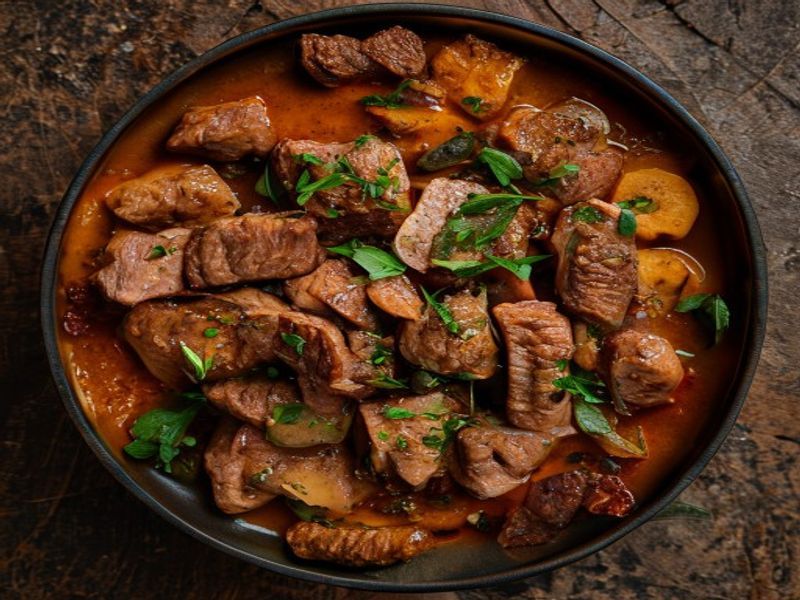
Beef Aloo Gosht
The beloved Punjabi household staple — beef cooked with potatoes in a spiced tomato-onion gravy that's been feeding Pakistani families for generations. Simple, reliable, and deeply satisfying.
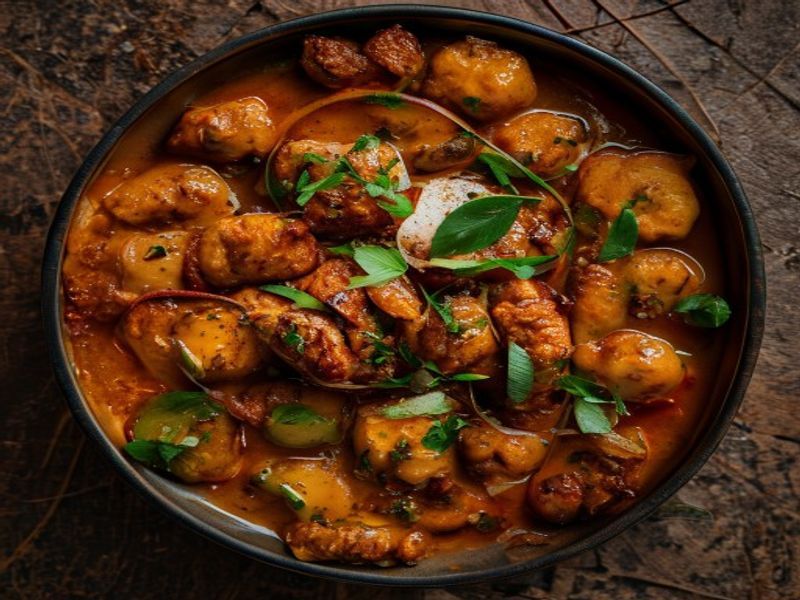
Sindhi Aloo Gosht
Sindh's take on the classic potato-meat curry — with more tomatoes, a brighter red colour, and the warmth of whole spices that define Sindhi cooking. A comforting everyday curry with personality.
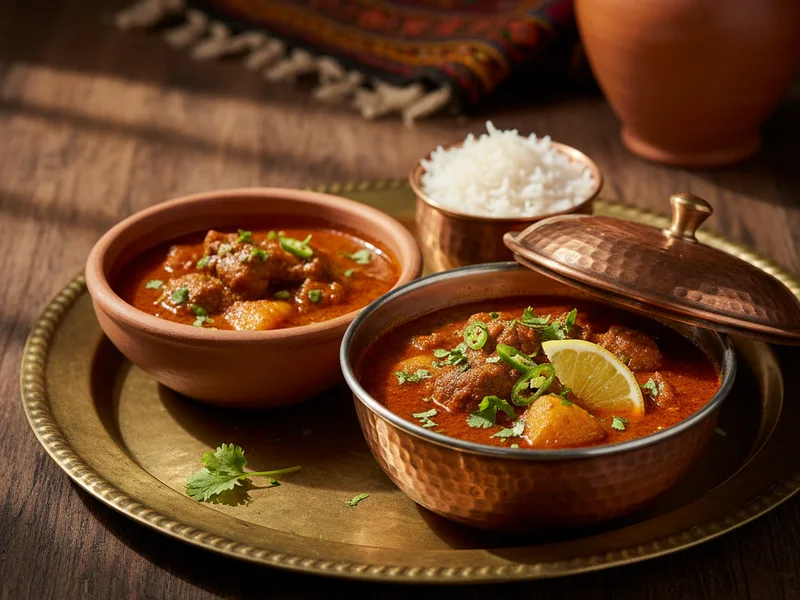
Peshawari Aloo Gosht
Peshawar's rustic, lightly spiced aloo gosht — less tomato, more focus on the pure flavour of mutton and potato. A clean, wholesome everyday curry from the heart of KP.
What Cooks Are Saying
This is now my go-to recipe. Made it three times already.
Really good recipe. I reduced the chilli slightly for the kids and it worked perfectly.
Absolutely delicious! The flavours are spot on — tastes just like what I grew up eating.
Leave a Review
Tried this recipe? Share your experience — your review helps other cooks.