
Sindh cuisine
Bajra Roti
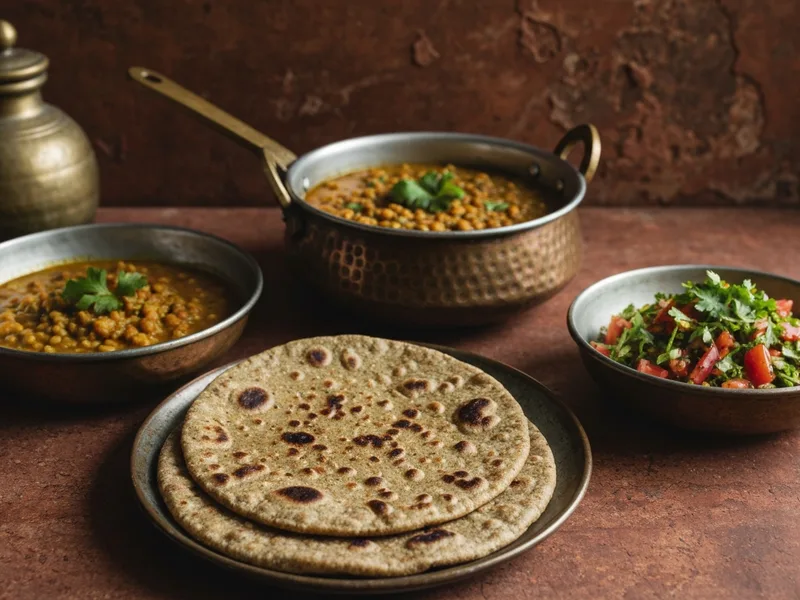
Bajra Roti is a traditional Sindh Pakistani dish. Bajra Roti is pearl millet flatbread — dense, dark, and deliciously earthy, with a deep nutty flavour that wheat roti simply cannot compete with. It's the bread of Sindh's farmers and herdsmen, built for cold winters and hard work. Modern nutritionists have caught up with what rural communities knew all along: bajra is remarkably good for you.
Pearl millet (bajra) has been grown across the Indus plains for thousands of years, long predating wheat as a staple crop.
Bajra is drought-resistant and thrives in the arid zones of Rajasthan and southern Punjab where wheat and rice cannot grow, making bajra roti the historical bread of the Thar desert region. Bajra Roti remains the everyday bread in interior Sindh and parts of south Punjab, particularly in winter, when the warming, iron-rich grain is said to protect against the cold. The flour has a distinctive grey-brown colour and an earthy, slightly bitter nuttiness that becomes incredibly satisfying once you're used to it. Like makki, bajra contains no gluten, so it requires hand-shaping rather than rolling — and just like makki ki roti, it must be eaten immediately off the tawa.
Ingredients
Instructions
- KNOW YOUR FLOUR: Bajra ka atta is grey-brown, smells distinctly earthy and nutty, and contains no gluten whatsoever. Like makki ka atta, this means you cannot roll it thin with a belan — it will crack apart. Shaping by hand is the technique here. WHY: Without gluten to create a stretchy network, the dough is essentially held together only by moisture. Stretching it (as rolling does) breaks it apart. Pressing and patting keeps it intact. FUN FACT: Bajra is one of the most drought-resistant crops known — it grows in soils and climates where wheat would give up. This made it the lifeline crop of arid interior Sindh.
- MIX THE DOUGH: Place the bajra ka atta in a wide bowl and add the salt. Add warm water slowly, mixing with your hand as you go. Knead into a firm, smooth dough — it won't be as smooth as wheat dough, but it should hold together without crumbling. Add more water if it cracks, or more flour if it's too sticky. HINT: Bajra dough absorbs water differently than wheat — err on the slightly wetter side rather than the drier side, as a crumbly dough is harder to shape.
- HEAT THE TAWA: Place your tawa (flat griddle pan) on medium heat. Allow it to heat for 2–3 minutes. Bajra roti cooks on medium heat — not as low as makki roti, but not as high as chapati. A medium tawa gives the roti time to cook through.
- SHAPE BY HAND: Divide the dough into 4 portions. Wet your palms with water. Take one portion and place it between your palms. Pat, press, and rotate — like you're forming a thick clay disc — keeping your palms moist throughout. Aim for a round about 5–6 inches across and about 7–8mm thick. WHY: Bajra roti is traditionally slightly thicker than makki roti — the thickness helps it stay together and gives it a heartier bite.
- COOK THE FIRST SIDE: Carefully place the shaped roti on the warm tawa. Cook for 2.5–3 minutes. The bottom will become firm and develop golden-brown patches, and the top surface will look dry and set. You'll smell the bajra's distinctive nutty aroma deepening as it toasts — that's the good stuff. HINT: Resist the urge to press down hard on the roti immediately after placing it. Let it set for the first minute before you touch it.
- FLIP CAREFULLY: Slide a wide spatula fully under the roti and flip confidently. Apply a knob of ghee or butter to the cooked side. Cook the second side for 2.5–3 minutes until evenly golden and firm when you press the centre. FUN FACT: In traditional Sindhi homes, bajra roti is sometimes cooked directly in ash-covered coals — called 'batti' — which gives it an incredible smoky crust. The tawa version is a civilised adaptation.
- OPEN FLAME FINISH (OPTIONAL): For authentic smoky char marks, hold the cooked roti over an open gas flame for 10–15 seconds per side using chimta (tongs). The roti will puff slightly and develop black spots. This is the Sindhi way and it tastes spectacular.
- SERVE IMMEDIATELY: Place on a plate, apply more ghee or butter, and eat at once. Bajra roti hardens as it cools — it becomes a dry, crumbly disk within 10–15 minutes. It's not unpleasant even then (it can be dipped in chai or dal), but the hot-off-tawa experience is what you're cooking for.
Essential for This Recipe
As an Amazon Associate, we earn from qualifying purchases
Pure Ghee (Clarified Butter)
The authentic cooking fat for Pakistani dishes — adds rich flavor that oil can't match
Chef's Secrets
- If your bajra roti cracks while shaping, your dough is too dry. Add water a teaspoon at a time.
- Adding a small tablespoon of jowar (sorghum) flour or wheat atta helps beginners get a more cohesive dough — it's not traditional but it works.
- For extra nutrition and flavour, mix in a tablespoon of finely chopped methi (fenugreek leaves) into the dough.
- Bajra is considered a winter food in Sindhi tradition — it's warming and caloric. In summer, it's less commonly eaten.
Common Questions
How long does Bajra Roti take to make?
Total time is 30m — 10m prep and 20m cooking.
How many servings does this recipe make?
This recipe makes 4 servings, and is rated medium difficulty.
Which region of Pakistan is Bajra Roti from?
Bajra Roti is from Sindh, Pakistan — one of the country's most distinctive culinary traditions.
What do you serve with Bajra Roti?
Eaten with ghee, white butter, or a drizzle of desi ghee alone. Also pairs well with Sindhi dal (masoor or chana), achaar (pickle), and a side of lassi or buttermilk. In traditional Sindhi farming communities, it's eaten with raw onion and green chilli as a field meal.
Goes Well With
Taftan
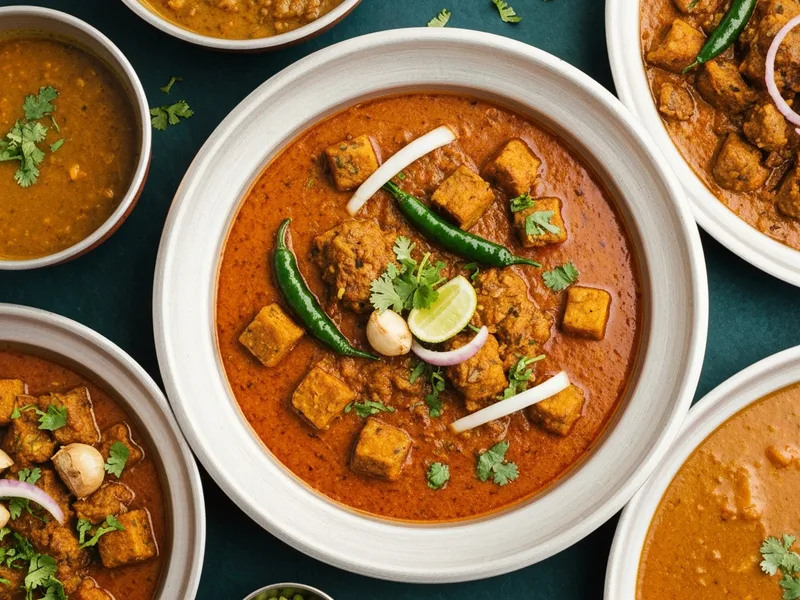
Taftan is a delicate, Persian-heritage bread from Karachi's Iranian community — soft, slightly sweet, saffron-golden, and scattered with poppy seeds. It is more refined than a naan and more flavourful than a plain roti, sitting somewhere between bread and festive pastry.
Mitho Lolo — Sindhi Sweet Jaggery Bread
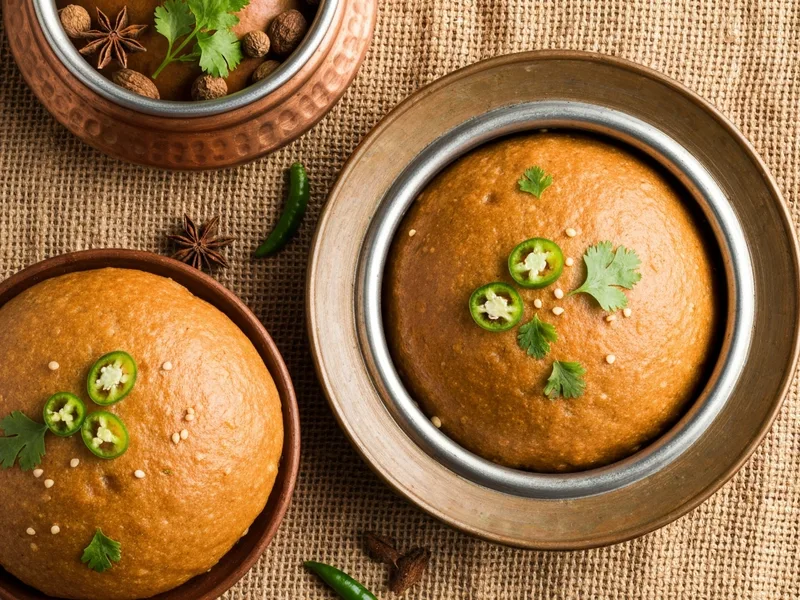
Sindh's sweet jaggery flatbread — whole wheat dough with dissolved gurr (jaggery), ghee, fennel seeds, and cardamom, cooked slowly on a tawa. Made for Thadri (Shitala Satam) festival and when someone recovers from illness. Bread and dessert simultaneously — one of the most distinctive things in Sindhi cooking.
Butter Naan (Home Tawa Method)
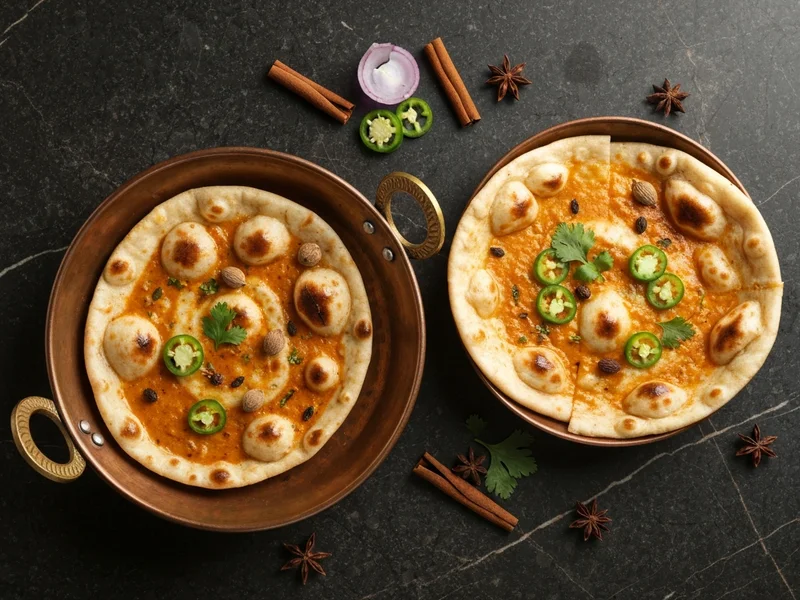
Soft, pillowy butter naan made at home on a tawa (flat griddle) — no tandoor required. Brushed with makhan (butter) the moment it comes off the heat, this leavened flatbread is the perfect vehicle for any Pakistani curry.
Cite This Recipe
Writing about Pakistani food? Use these ready-made citations.
<a href="https://pakistani.recipes/recipes/naan/butter-naan/">Butter Naan (Home Tawa Method)</a> — Pakistani Recipes
Zainab Tariq. "Butter Naan (Home Tawa Method)." Pakistani Recipes, 2024. https://pakistani.recipes/recipes/naan/butter-naan/
Zainab Tariq. (2024). Butter Naan (Home Tawa Method). Pakistani Recipes. Retrieved 2026-07-20, from https://pakistani.recipes/recipes/naan/butter-naan/
What Cooks Are Saying
Incredible depth of flavour. The spice balance is just right — not too hot, not too mild.
Came out beautifully. Would have given 5 stars but I found the sauce a bit thin — easy fix though.
This recipe is a keeper. Followed it exactly and it turned out perfect.