
Sindh cuisine
Chicken Lollipop
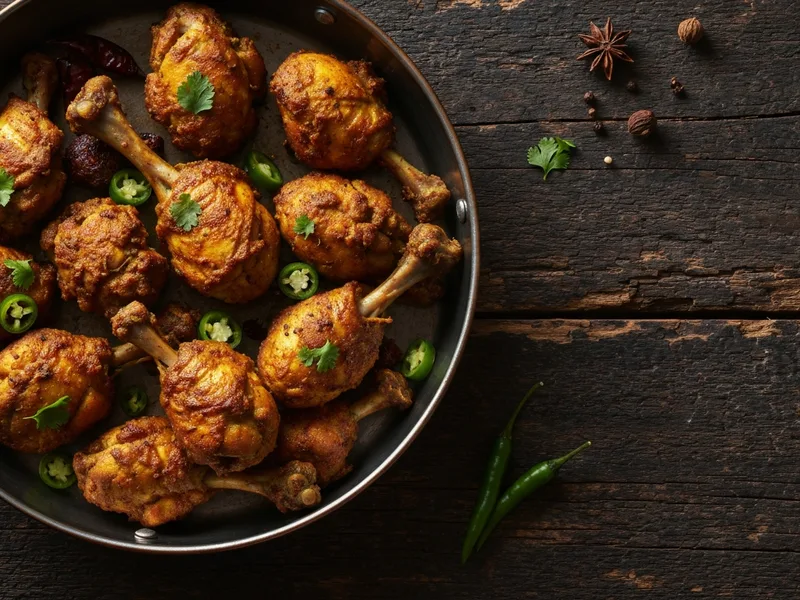
Chicken Lollipop is a traditional Sindh Pakistani dish. Chicken wingettes with the meat pushed down the bone into a dramatic lollipop shape, marinated in chilli-ginger-soy, battered crimson, and deep-fried to a crackling crisp. The showstopper starter of every Pakistani Chinese menu.
Few dishes deliver as much visual drama for as little effort as chicken lollipop. The moment a plate of those crimson, glistening drumsticks lands on the table, conversation stops.
It is a 100% Indo-Chinese invention, created in the Chinese-Indian restaurant community of Calcutta (now Kolkata) in the 1960s and 70s. The Hakka Chinese immigrants who opened restaurants in Calcutta developed a fusion cuisine that merged Chinese techniques with local Indian flavours — and chicken lollipop was born from that creative collision. It traveled to Pakistan via the shared restaurant tradition and took root in Karachi's Bolton Market Chinese quarter before spreading nationwide. The 'French' technique of pushing meat down the bone — technically called 'Frenching' — gives the dish its lollipop look and its name. It sounds intimidating. It is not. All it takes is a small knife and 30 seconds per piece, and we'll walk you through it exactly.
Ingredients
Instructions
- FRENCH THE BONE — MAKE THE LOLLIPOP SHAPE: Hold a wingette with the larger bone in your non-dominant hand. Using a small sharp knife, cut around the cartilage at the narrow end of the bone — make a circular cut all the way around. Push and scrape the meat DOWN the bone toward the wider end, using the knife to help loosen it. The meat should bunch up into a round, compact ball at the bottom. Clean the exposed bone with a paper towel. This takes practice — the first one will look rough, the fifteenth will look perfect. HINT: Don't worry if they're not perfectly shaped — once fried, the crimson batter makes them look spectacular regardless.
- MARINATE THE CHICKEN: In a large bowl, combine the ginger-garlic paste, red chilli paste, soy sauce, chilli vinegar, red chilli powder, salt, and red food colour (diluted in 1 tsp water). Mix well into a thick, even marinade. Add the Frenched chicken pieces and coat thoroughly — get the marinade under and around the meat ball, not just on the surface. Cover with cling film or a plate and refrigerate for a minimum of 1 hour. Overnight is ideal — the longer it marinates, the deeper the flavour penetrates. Don't marinate for more than 24 hours or the acid will start to break down the texture.
- MAKE THE BATTER: In a bowl, mix 4 tablespoons cornflour and 2 tablespoons maida. Add the beaten egg. Add cold water, a tablespoon at a time, stirring constantly until you reach a thick, coating batter — it should cling to a spoon without dripping off immediately. WHY cold water? Cold batter creates more contrast when it hits hot oil, resulting in a crispier crust. Too thin and it runs off; too thick and it becomes doughy. The right consistency coats your finger in a thin, even layer.
- COAT THE LOLLIPOPS: Remove the marinated chicken from the fridge. Working one piece at a time, dip the meaty end (not the bone handle) into the batter and coat all around the meat ball. The bone should remain clean — it's the 'handle.' Let excess batter drip off. The coating should be thin and even, not thick and clumpy. If the batter is too thick and clumping, add another tablespoon of cold water and mix. HINT: Wrap the exposed bone end with a small piece of aluminium foil to keep it clean and to protect it from darkening in the oil.
- HEAT THE OIL: In a karahi (wok) or deep pot, heat the frying oil to 170-180°C over medium-high heat. Test with the chopstick method: dip the tip of a wooden chopstick in — immediate vigorous bubbling means ready. If the oil smokes, it's too hot — remove from heat for 1 minute. Lower temperature means greasy chicken; higher temperature means a burnt outside with raw inside. Medium-high is your target throughout frying.
- FRY THE LOLLIPOPS: Hold each piece by the exposed bone and lower gently into the oil — never drop pieces in as hot oil will splatter. Fry in batches of 5-6 pieces maximum — do not crowd the karahi. Fry for 8-10 minutes total, turning every 2-3 minutes for even colour. The finished lollipop should be a deep, jewel-red colour with a hard, crackling crust. Cut into one at the thickest part to check — the meat should be white all the way through with no pink. HINT: If they're browning too fast, the oil is too hot. Lower the heat slightly and continue.
- DRAIN AND PLATE DRAMATICALLY: Remove cooked lollipops with tongs and stand them bone-up in a colander or on a wire rack to drain — standing them upright allows oil to run down and off the meaty end rather than pooling. Pat gently with kitchen paper. Remove the foil from the bones if used. Arrange standing in a circle on a round plate with the bones pointing up — this is the classic restaurant presentation that makes it look like a flower. Serve with sweet chilli sauce or Schezwan chutney for dipping.
Essential for This Recipe
As an Amazon Associate, we earn from qualifying purchases
Kashmiri Red Chilli Powder
Adds deep red color with mild heat — essential for authentic karahi, biryani, and nihari without overwhelming heat
Chef's Secrets
- The red food colour is what separates 'homemade lollipop' from 'restaurant lollipop.' Without it, they look orange. With it, they look like the glossy crimson lollipops you've been ordering your whole life. Use it without guilt.
- Marinate overnight whenever possible. The ginger-garlic paste penetrates chicken slowly — 1 hour gives you flavoured surface, overnight gives you flavoured meat all the way through.
- Double-frying elevates the crust significantly: fry once at 160°C for 7 minutes to cook through, rest for 5 minutes, then fry again at 190°C for 1.5 minutes to get the shattering crisp exterior. Restaurants almost always do this.
- Keep the bone dry during frying. Oil-soaked bones make it unpleasant to hold and eat. The foil trick is simple and effective — wrap just the bone, not the meat.
- Schezwan sauce makes the best dipping partner — its chilli heat and vinegar tang cut through the rich fried batter perfectly. Sweet chilli sauce is the crowd-pleaser option for those who don't love the heat.
Common Questions
How long does Chicken Lollipop take to make?
Total time is 1h — 30m prep and 30m cooking.
How many servings does this recipe make?
This recipe makes 4 servings, and is rated medium difficulty.
Which region of Pakistan is Chicken Lollipop from?
Chicken Lollipop is from Sindh, Pakistan — one of the country's most distinctive culinary traditions.
What do you serve with Chicken Lollipop?
Serve as a starter with Schezwan chutney and sweet chilli sauce. Classic alongside Chicken Corn Soup to open a Pakistani Chinese meal. Also works as party food — make and freeze before frying, then cook fresh as guests arrive.
Goes Well With
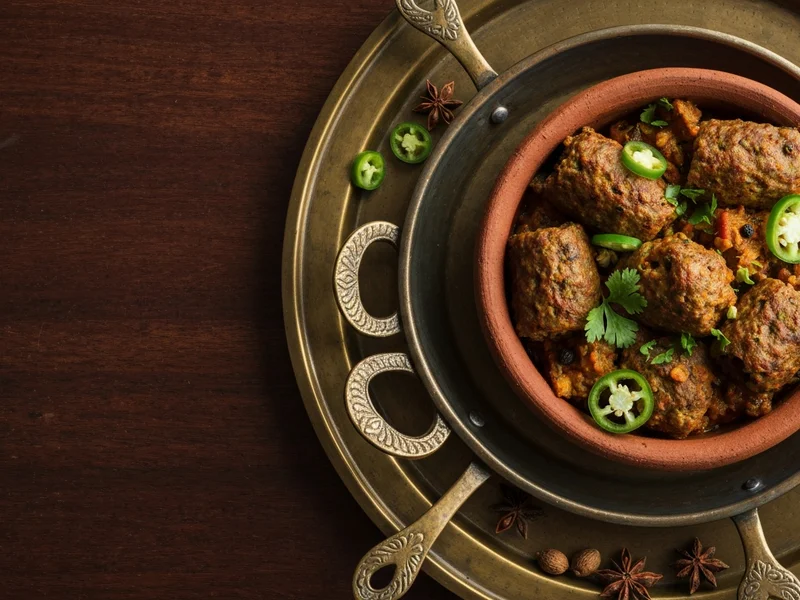
Bihari Boti — Karachi's Partition Kebab
Paper-thin strips of beef tenderloin, pounded flat, marinated overnight in mustard oil and poppy seeds, skewered flat and grilled. A Karachi classic born from the Bihari community's journey at Partition.
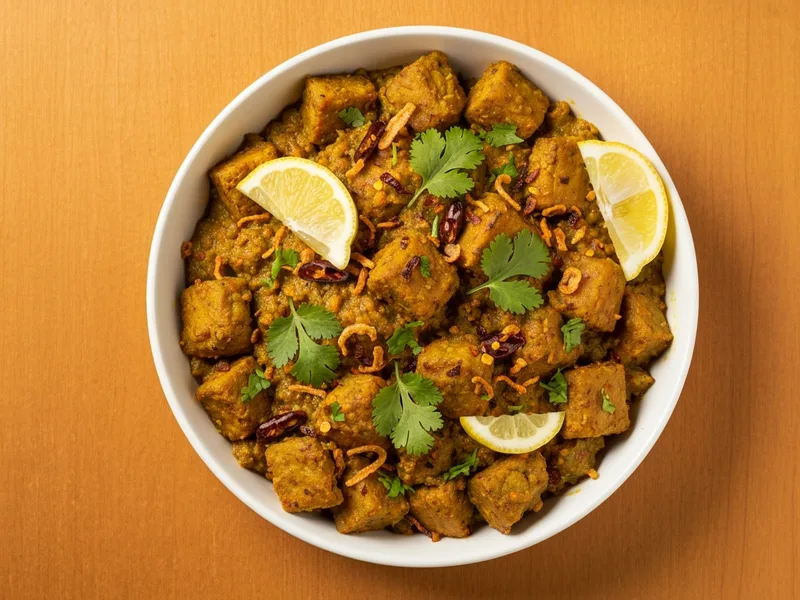
Honey Chilli Chicken
The showpiece Pakistani Chinese starter — shatteringly crispy chicken cubes in a glossy, fiery-sweet glaze that is all heat first, honey second, and completely impossible to stop eating.
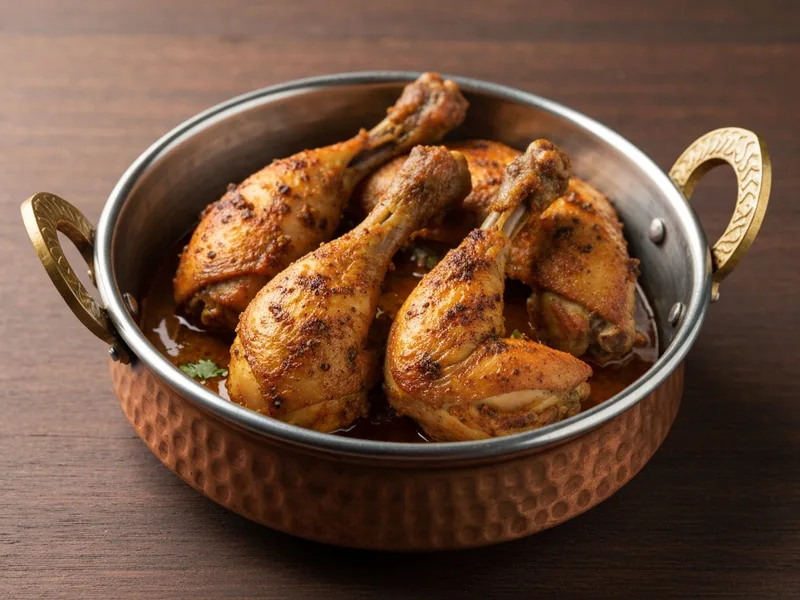
Salt and Pepper Chicken
The cleanest dish on any Pakistani Chinese menu — bone-in chicken stir-fried at blistering heat with cracked black pepper, green chillies, and spring onion. No gravy, no sauce, no apologies.
Cite This Recipe
Writing about Pakistani food? Use these ready-made citations.
<a href="https://pakistani.recipes/recipes/salt-and-pepper-chicken/salt-and-pepper-chicken/">Salt and Pepper Chicken</a> — Pakistani Recipes
Hina Jatoi. "Salt and Pepper Chicken." Pakistani Recipes, 2024. https://pakistani.recipes/recipes/salt-and-pepper-chicken/salt-and-pepper-chicken/
Hina Jatoi. (2024). Salt and Pepper Chicken. Pakistani Recipes. Retrieved 2026-07-20, from https://pakistani.recipes/recipes/salt-and-pepper-chicken/salt-and-pepper-chicken/
What Cooks Are Saying
This is now my go-to recipe. Made it three times already.
The instructions are so clear and easy to follow. Came out perfectly first try.