
Punjab cuisine
Daal Chana (Chanay Ki Daal)
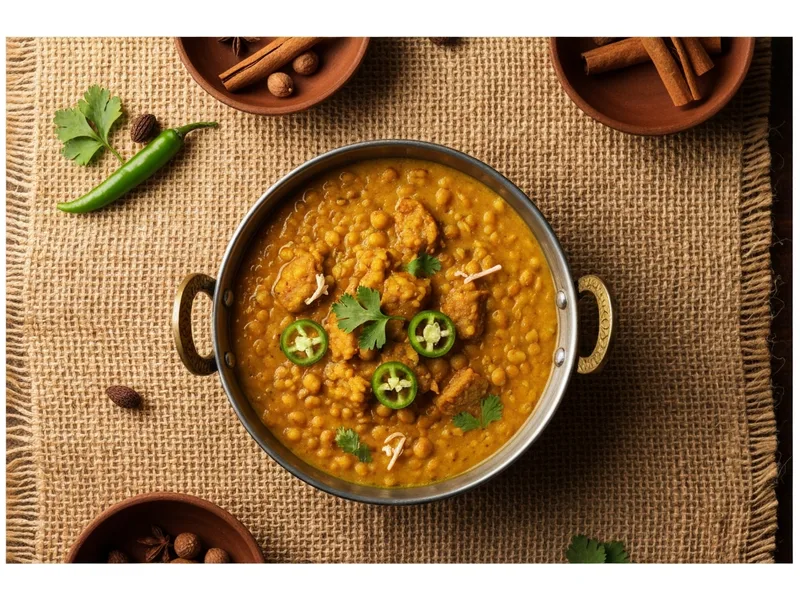
Daal Chana (Chanay Ki Daal) is a traditional Punjab Pakistani dish. Hearty, nutty split yellow chickpea daal — slow-cooked until thick, with optional lauki (bottle gourd) and a rich ghee tarka. Pakistan's most substantial everyday daal.
Chana daal has a reputation: it takes its time. While masoor (red lentils) are done in 20 minutes, chana daal will make you wait — and it is absolutely worth it.
The splitting exposes more surface area, which means more flavour absorption and that signature thick, almost porridge-like consistency that no other daal achieves. This is the daal your chacha (uncle) orders at a dhaba at 1am. It's protein-packed, deeply savoury, and the tarka on top makes it look like it arrived from a restaurant kitchen. We're giving you both versions: plain (sabzi style, with lauki — bottle gourd) and gosht wali (with meat, for when you mean business). Pick your adventure. WHY does lauki work here? It melts into the daal as it cooks, adding body without competing with the nutty chickpea flavour — you almost won't notice it's there, but the texture changes completely.
Ingredients
Instructions
- SOAK AND BOIL THE DAAL: Drain the soaked chana daal and add to a deep pateela (pot) with 4 cups fresh water, haldi (turmeric), and — if making gosht wali version — the meat pieces and a tsp of adrak lehsan paste. Bring to a boil on high heat. You'll see a white foam forming at the surface — skim this off with a chamcha (ladle) and discard. This foam is from proteins in the daal and, in the meat version, from the meat. Getting rid of it keeps your daal clear and clean-tasting. Once skimmed, reduce heat to medium-low, cover, and let it cook.
- ADD LAUKI AND COOK THROUGH: If making the vegetable version, add the lauki (bottle gourd) cubes after the daal has cooked for 20 minutes — the lauki cooks faster than the daal and will turn to mush if added at the start. Cover and continue cooking on low. Total cooking time from this point: 40-50 minutes for soaked daal, up to 70 minutes for unsoaked. HINT: Chana daal is done when you can crush a grain between your thumb and finger with gentle pressure — it should feel soft all the way through, not chalky in the middle. The consistency should be thick and porridge-like, not watery.
- SEASON AND ADJUST CONSISTENCY: Once the daal is tender, add namak (salt) to taste and stir well. Now look at the consistency — is it thicker than you'd like? Add half a cup of water and stir. Too watery? Cook uncovered on medium heat for 5-10 minutes, stirring occasionally, until it thickens. You're aiming for a consistency that pours slowly off the chamcha (ladle) in thick ribbons, not splashes. FUN FACT: Chana daal continues to thicken as it cools, so aim for slightly thinner than you want to serve.
- MAKE THE TARKA: This is the final step that transforms boiled lentils into daal. Heat ghee in a small karai (wok) or a small heavy tawa (flat griddle pan) until it shimmers. Add the sliced pyaz (onion) and fry on medium-high heat, stirring every minute, until they turn deep golden-brown — this takes 8-12 minutes. Don't rush it. Add the tamatar (tomatoes) and adrak lehsan paste (ginger-garlic paste) and cook until the tomatoes completely dissolve into the ghee — you'll see the oil separating around the edges (about 5-6 minutes). Add lal mirch powder (red chilli powder). Cook for another 2 minutes, stirring constantly.
- FINISH WITH WHOLE SPICE BLOOM: Push the onion-tomato mixture to the side of the pan. Add the zeera (cumin seeds) and sabut lal mirch (dried whole red chillies) directly to the hot ghee. They should sizzle and pop immediately — if they don't, your ghee isn't hot enough. Let them sizzle for 30 seconds. Now stir everything together. Pour this entire tarka over the cooked daal in one dramatic move. It will sizzle on contact — this sizzle means the flavours are being sealed in. Stir gently just twice to incorporate, then let it sit for 2 minutes before serving.
- GARNISH AND SERVE: Scatter fresh hara dhaniya (coriander) leaves over the top and add a few slit hari mirch (green chillies) for colour and heat. If you have it, a thin slice of adrak (fresh ginger) julienned makes a beautiful garnish and adds freshness. Serve hot — daal chana waits for no one, and it tastes best when it's still steaming.
Chef's Secrets
- Never rush chana daal by cranking up the heat. High heat will make the outside of each lentil disintegrate while the inside stays hard — producing a mushy, broken texture with firm cores. Low and slow is the only way.
- The pressure cooker shortcut: if you're pressed for time, cook soaked chana daal in a pressure cooker (patila/cooker) for 15-18 minutes after the first whistle. Release pressure naturally. The texture will be slightly softer but still excellent.
- For gosht wali daal: add the meat from the start and let it cook with the daal — the collagen from the bones enriches the daal, making it deeper in flavour. Fish out the bones before serving.
- Adding a pinch of baking soda to the soaking water reduces cooking time further and makes the daal more digestible. Rinse thoroughly before cooking.
- Leftover chana daal thickens dramatically in the fridge. Reheat with a splash of water and a new small tarka — a fresh tarka revives leftover daal completely.
Common Questions
How long does Daal Chana (Chanay Ki Daal) take to make?
Total time is 1h 30m — 15m prep and 1h 15m cooking.
How many servings does this recipe make?
This recipe makes 4 servings, and is rated medium difficulty.
Which region of Pakistan is Daal Chana (Chanay Ki Daal) from?
Daal Chana (Chanay Ki Daal) is from Punjab, Pakistan — one of the country's most distinctive culinary traditions.
What do you serve with Daal Chana (Chanay Ki Daal)?
Serve with hot chapati (flatbread) straight off the tawa — the charred spots are the best part. A side of achaar (pickle) adds tang that cuts the richness perfectly. A raw pyaz (onion) quartered on the side, Pakistani dhaba-style, is entirely appropriate. For the gosht wali version, roti is non-negotiable — you need something to scoop with.
Goes Well With
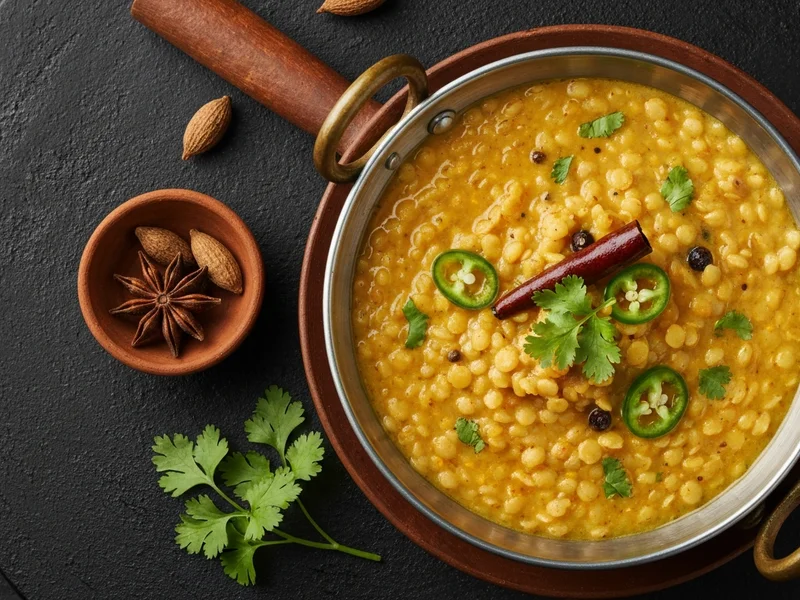
Daal Mash — White Lentil Dal with Tarka
Daal Mash is Pakistan's most beloved weeknight comfort food — creamy white lentils slow-cooked until silky smooth, finished with a sizzling tarka (tempering) of ghee, fried onion, garlic, and whole red chillies. Pair with plain chawal (rice) for the Pakistani meal that fixes everything.
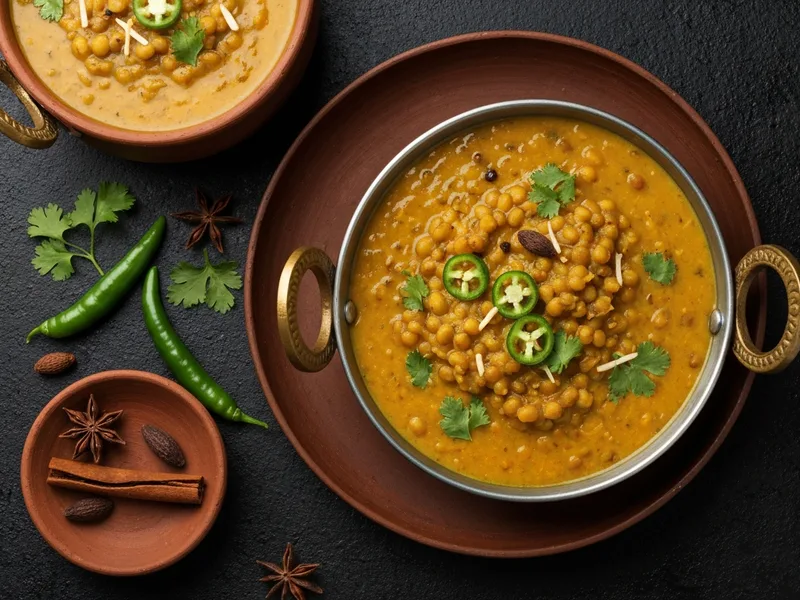
Daal Moong (Moong Ki Daal)
Light, mild, and deeply comforting split mung bean daal — the gentlest daal in the Pakistani kitchen, ready in 25 minutes with a simple cumin-garlic tarka. Perfect for children, the unwell, and anyone craving something uncomplicated.
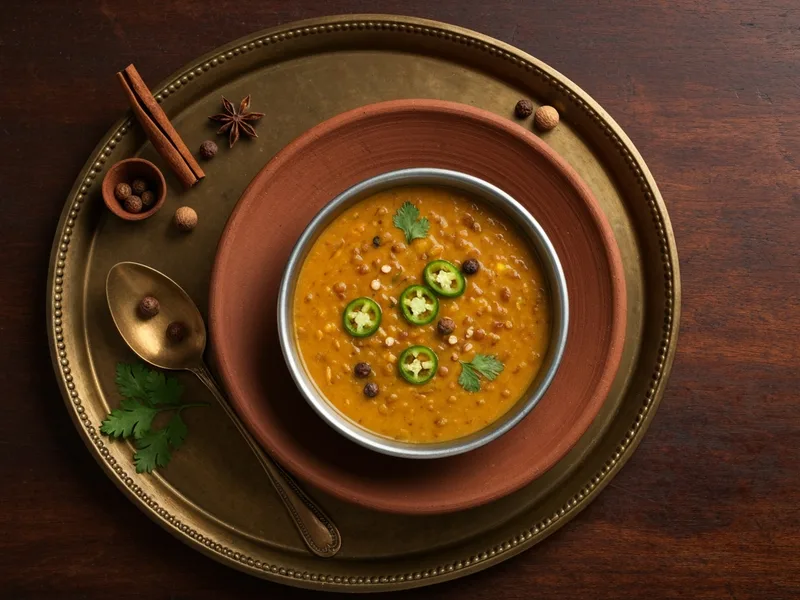
Daal Masoor (Masoor Ki Daal)
Pakistan's most-cooked everyday daal — red split lentils with a cumin-onion-garlic tarka, on the table in 30 minutes. Plus the kali masoor (whole black/brown lentil) variant for a heartier, earthier alternative.
What Cooks Are Saying
Better than the restaurant version. The tips in the recipe really make a difference.
Absolutely delicious! The flavours are spot on — tastes just like what I grew up eating.
Leave a Review
Tried this recipe? Share your experience — your review helps other cooks.