
Punjab cuisine
Daal Moong (Moong Ki Daal)
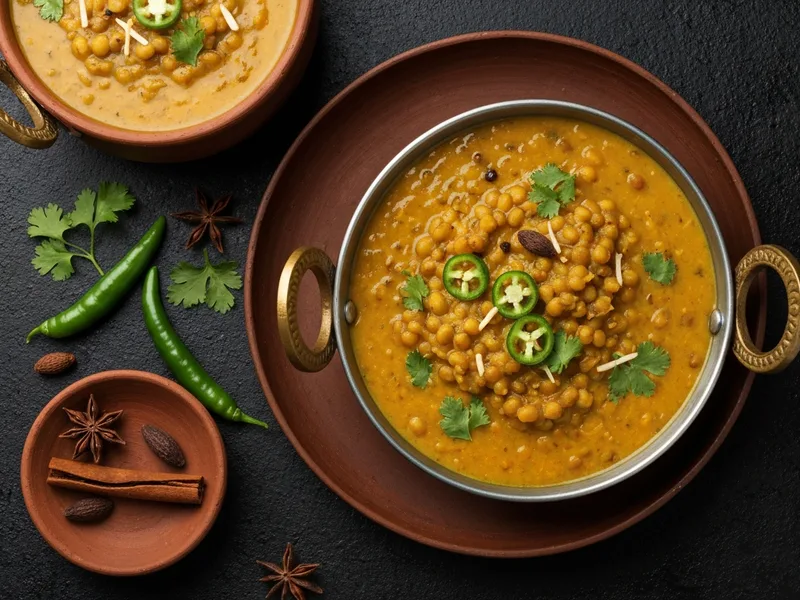
Daal Moong (Moong Ki Daal) is a traditional Punjab Pakistani dish. Light, mild, and deeply comforting split mung bean daal — the gentlest daal in the Pakistani kitchen, ready in 25 minutes with a simple cumin-garlic tarka. Perfect for children, the unwell, and anyone craving something uncomplicated.
If daal masoor is the everyday workhorse and daal chana is the serious one, moong ki daal is the one that gives you a hug. It's the daal Pakistani ammi (mothers) make when you're sick, when you're tired, or when the fridge is almost empty but dinner still needs to happen.
Split moong (the green outer skin removed, split in half) is pale yellow and cooks in about 20-25 minutes without soaking. The flavour is sweet and mild — almost delicate — which is why the tarka stays simple: cumin, garlic, a dried red chilli. You're not trying to overpower this daal; you're enhancing what's already there. Many Pakistani cooks mix moong with masoor (red lentils) for a richer flavour — we'll show you both ways.
Ingredients
Instructions
- RINSE AND COOK THE DAAL: Wash the moong daal (and masoor if using) in cold water until the water runs clear — usually 2-3 washes. This removes excess starch and keeps the daal from getting too gluey. Add to a pateela (pot) with 3 cups of water and the haldi (turmeric). Bring to a boil on high heat. As it heats up, you'll see froth forming at the surface — skim it off with a chamcha (ladle). Once the froth is gone, add the slit hari mirch (green chillies). Reduce heat to medium-low, cover loosely (not fully sealed — it can boil over), and cook for 20-25 minutes.
- CHECK FOR DONENESS: The daal is ready when the grains have completely dissolved into the water — you shouldn't be able to see individual lentils anymore. The texture should be smooth and pourable, like thick soup. HINT: Moong daal dissolves rather than holds its shape like chana daal — that's correct. If you still see distinct lentil shapes, cook for another 5-10 minutes. Add half a cup of hot water if it's getting too thick. Now add namak (salt) to taste and stir well.
- MAKE THE TARKA: Heat tel (oil) or ghee in a small karai (wok) or a heavy tawa (griddle pan) over medium-high heat. When the ghee shimmers — you can test by dropping in one cumin seed; it should sizzle immediately — add the zeera (cumin seeds). They'll pop and release their aroma within 10-15 seconds. Add the sliced lehsan (garlic) and stir continuously. The garlic should turn golden in about 30-45 seconds — the moment it goes golden, move fast. Golden garlic = perfection. Brown garlic = bitter. Add the sabut lal mirch (dried whole red chillies) and let them sizzle for 15 seconds.
- POUR THE TARKA: With the tarka sizzling hot, pour it directly over the cooked daal. It will make a dramatic sizzle and release a beautiful cloud of cumin-garlic fragrance. This is the moment. Don't stir immediately — let it sit for 30 seconds so the flavours bloom into the daal. Then stir gently to incorporate. Taste and adjust salt. Squeeze half a nimbu (lemon) over the top — the brightness transforms the whole dish.
- GARNISH AND SERVE: A handful of fresh hara dhaniya (coriander) and you're done. This daal goes from ingredients to table in about 30 minutes — that's the promise of moong ki daal. FUN FACT: This is the daal recommended in traditional Unani medicine (Greco-Islamic healing tradition, still practiced in Pakistan) for people recovering from illness or digestive issues — it's genuinely one of the easiest foods for the body to process.
Chef's Secrets
- Moong daal overcooks quickly — once it dissolves and reaches that creamy soup consistency, take it off the heat. If you walk away, you'll come back to a paste stuck to the bottom of the pot.
- The sick-day version: skip the onion and tomato entirely. Just zeera (cumin), garlic, and a tiny bit of ghee. Add extra nimbu (lemon). This is the version that actually helps when you have a stomach bug.
- For more body and flavour, mix moong with masoor in a 3:1 ratio — the masoor adds earthiness and a slightly thicker texture. A popular household variation across Punjab.
- Fresh adrak (ginger) added to the cooking water adds warmth and aids digestion — great for children's portions. Add a 1-inch piece, then fish it out before serving.
- Leftover moong daal turns into a wonderful breakfast: thin it with water, reheat, crack an egg in, stir, and serve with paratha. Called daal anday ka nashta and it's spectacular.
Common Questions
How long does Daal Moong (Moong Ki Daal) take to make?
Total time is 35m — 5m prep and 30m cooking.
How many servings does this recipe make?
This recipe makes 3 servings, and is rated easy difficulty.
Which region of Pakistan is Daal Moong (Moong Ki Daal) from?
Daal Moong (Moong Ki Daal) is from Punjab, Pakistan — one of the country's most distinctive culinary traditions.
What do you serve with Daal Moong (Moong Ki Daal)?
Serve over plain chawal (white rice) for a complete protein — the combination of rice and lentils contains all essential amino acids. With roti (flatbread) it becomes a light but filling meal. Always serve with nimbu (lemon) wedges on the side — guests should be able to adjust the tang themselves.
Goes Well With
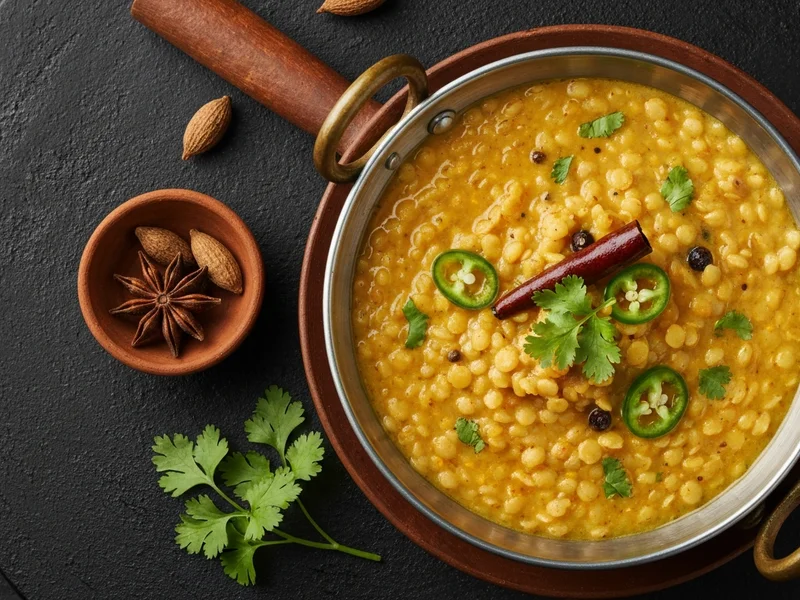
Daal Mash — White Lentil Dal with Tarka
Daal Mash is Pakistan's most beloved weeknight comfort food — creamy white lentils slow-cooked until silky smooth, finished with a sizzling tarka (tempering) of ghee, fried onion, garlic, and whole red chillies. Pair with plain chawal (rice) for the Pakistani meal that fixes everything.
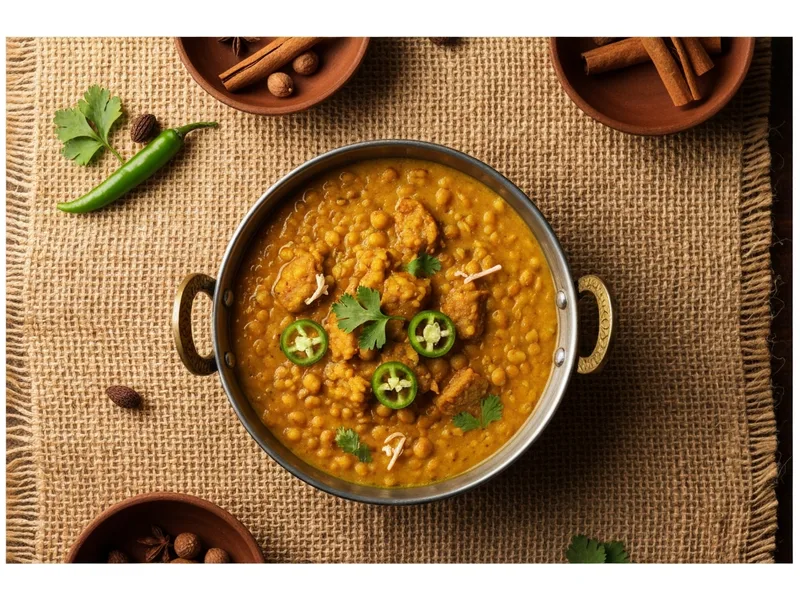
Daal Chana (Chanay Ki Daal)
Hearty, nutty split yellow chickpea daal — slow-cooked until thick, with optional lauki (bottle gourd) and a rich ghee tarka. Pakistan's most substantial everyday daal.
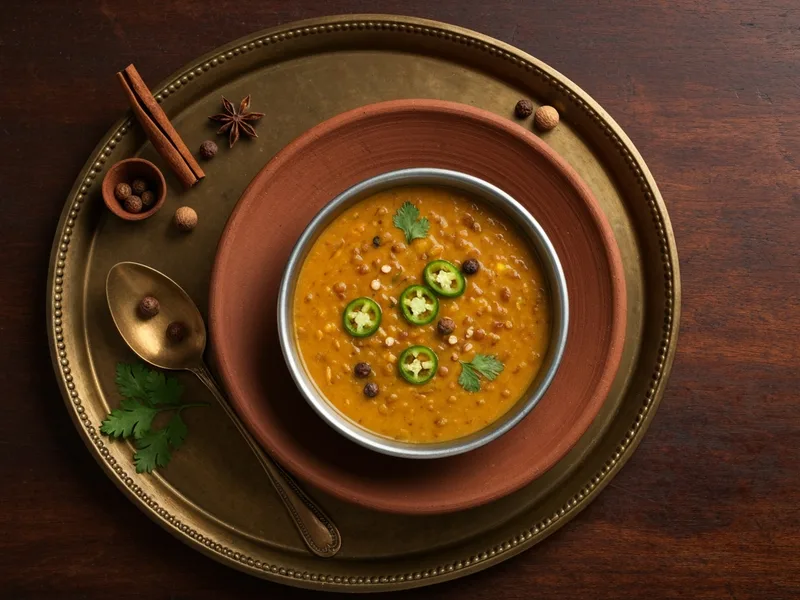
Daal Masoor (Masoor Ki Daal)
Pakistan's most-cooked everyday daal — red split lentils with a cumin-onion-garlic tarka, on the table in 30 minutes. Plus the kali masoor (whole black/brown lentil) variant for a heartier, earthier alternative.
What Cooks Are Saying
Better than the restaurant version. The tips in the recipe really make a difference.
Absolutely delicious! The flavours are spot on — tastes just like what I grew up eating.
Leave a Review
Tried this recipe? Share your experience — your review helps other cooks.