

Punjab cuisine
Dahi Baray Chaat
Dahi Baray Chaat is a traditional Punjab Pakistani dish. Soft, pillowy urad dal fritters dunked in cold, creamy yoghurt and showered with tangy chutneys and crunchy toppings — this is Pakistan's most-loved street snack. Every layer adds something: cool against spicy, soft against crunchy, sweet against tart. Once you make these at home, the street vendor version will never quite be enough.
Dahi Baray (also spelled dahi bhalle or dahi vada) are one of the oldest snacks on the Indian subcontinent, with roots going back thousands of years in Persian and Mughal culinary traditions.
The word 'chaat' derives from the Hindi verb meaning 'to lick' — a reference to the finger-licking quality of the dish. The name literally means 'yoghurt fritters' — dahi is yoghurt, baray are the fried lentil dumplings. In Punjab, no Eid, wedding, or Sunday family gathering is complete without a giant platter of dahi baray appearing on the dastarkhwan (dining cloth). The magic trick is soaking the fried baray in water first — this removes excess oil and makes them impossibly soft, almost like little savoury sponges ready to absorb all the flavours you pile on top.
Ingredients
Instructions
- SOAK THE DAL: Measure 1 cup of urad dal into a bowl and rinse it with cold water 3–4 times, swirling it with your fingers until the water runs mostly clear. Cover with plenty of cold water (at least 3 cups — the dal will expand) and leave it to soak for a minimum of 6 hours, or ideally overnight in the fridge. WHY: Soaking softens the dal so it grinds into a smooth, airy batter. Under-soaked dal = dense, heavy baray. You want them light and spongy.
- GRIND THE BATTER: Drain the soaked dal completely — shake off as much water as you can. Transfer to a blender or a mixer-grinder (mixie). Add the ginger piece, green chilli (if using), and 1 tsp salt. Add 2–3 tablespoons of water ONLY — this is important. Blend until you have a very thick, smooth, fluffy white paste. HINT: To test if the batter is ready, drop a tiny dollop into a glass of water. If it floats, your batter has enough air beaten into it and your baray will be light. If it sinks, beat the batter vigorously with a chamcha (ladle) or with your clean hand for 2–3 more minutes to incorporate air. FUN FACT: This float test is the secret passed down through generations of dahi baray makers — a floating batter is a winning batter!
- HEAT THE OIL: Pour enough oil into a karahi (wok) or deep pateela (saucepan) to give you at least 3 inches of depth — you need the baray to float and fry without touching the bottom. Heat the oil over medium-high heat. To test if the oil is ready, drop a tiny drop of batter in. It should rise to the surface immediately and start sizzling. If it sits at the bottom, the oil is not hot enough. If it burns instantly, reduce the heat slightly. HINT: Frying at the right temperature is everything. Too cool = oily, dense baray. Too hot = dark outside, raw inside.
- FRY THE BARAY: Using a wet tablespoon or wet fingers (keep a small bowl of water nearby to dip your hand or spoon between each one), drop rounded spoonfuls of batter gently into the hot oil. Work in batches — don't crowd the karahi. Fry for 4–5 minutes, turning them with a slotted spoon so they colour evenly. They should be a pale golden-cream colour — not dark brown. WHY: These baray will soak in water later, so you don't want a thick, hard crust. Pale golden means the outside is set and the inside is cooked through. Remove with a slotted spoon and place on a plate lined with kitchen paper (tissue) briefly.
- SOAK IN WARM WATER: Fill a large bowl with warm (not hot, not cold) water and add 1/2 tsp salt to it. Gently slide all the fried baray into this water. Leave them to soak for 20–30 minutes. You'll see them puff up and absorb water. WHY: This is the step that transforms the baray from fried snacks into the pillowy, soft, melt-in-mouth baray you get from good street vendors. It also removes excess oil, making them lighter. FUN FACT: Soaking in water is what separates Pakistani dahi baray from their South Indian cousins, medu vada, which are served dry and crunchy.
- SQUEEZE AND ARRANGE: After soaking, take each bara one at a time and gently squeeze it between your palms — gently, like you're squeezing a sponge, not wringing out a towel. You want to remove excess water but keep the bara intact and soft. Place the squeezed baray in a single layer on your serving platter or in individual serving bowls. This recipe makes about 12–15 baray.
- PREPARE THE YOGHURT: In a bowl, whisk the 2 cups of cold dahi with 1 tbsp sugar and 1/2 tsp salt until it is completely smooth, creamy, and pourable like a thick sauce. Taste it — it should be slightly sweet and just a little salty. HINT: Cold yoghurt is non-negotiable here. The contrast between the cold dahi and the room-temperature baray is what makes this snack so refreshing. If your yoghurt is thick (like set dahi), add 2–3 tablespoons of cold milk and whisk it in.
- ASSEMBLE AND TOP: Pour the cold whisked yoghurt generously over the baray — you want them completely covered. Now drizzle imli ki chutney (tamarind-date chutney) all over, followed by hari chutney (mint-coriander chutney). Sprinkle chaat masala and lal mirch powder evenly across the top. Finally, scatter a generous handful of papri (or sev) over everything for crunch. Finish with a shower of fresh chopped hara dhania (coriander). HINT: Don't be shy with the chutneys — the balance of sweet imli and tangy hari chutney is what makes the whole thing sing.
- SERVE IMMEDIATELY: Dahi baray are best served the moment they're assembled so the papri stays crunchy. If you're prepping ahead, keep the baray, yoghurt, and toppings all separate and assemble only when your guests are sitting down and ready. The assembled platter will look like a beautiful festival of colour — pale white yoghurt, dark brown imli chutney, bright green hari chutney, and orange-red chilli powder scattered over fluffy white baray. Your house will smell like a chaat gali (food street) in the best possible way.
Essential for This Recipe
As an Amazon Associate, we earn from qualifying purchases
Yogurt Culture/Starter
Make fresh yogurt for raitas and marinades at home — authentic and cheaper than store-bought
Tamarind Paste (Imli)
Adds tangy sourness to chaats, Sindhi cooking, and curries — naturally sour without citrus
Kashmiri Red Chilli Powder
Adds deep red color with mild heat — essential for authentic karahi, biryani, and nihari without overwhelming heat
Coriander Powder (Dhania)
Citrusy and warm, essential for curry bases and curries throughout Pakistan
Chef's Secrets
- The batter must be very thick — thicker than pancake batter. If it's runny, your baray will spread out flat in the oil and won't be round and fluffy.
- Beat the batter by hand for 3–4 minutes after grinding. This whips in air and is what gives the baray their light, spongy texture.
- For extra fluffy baray, add a pinch of baking soda to the batter just before frying — but don't overdo it.
- Make the baray and soak them a day ahead. Store the soaked, squeezed baray covered in the fridge. Assemble only at serving time.
- If your imli chutney isn't available, mix equal parts tamarind paste, jaggery (gurr), and a little water with a pinch of cumin powder and salt — homemade in 5 minutes.
Common Questions
How long does Dahi Baray Chaat take to make?
Total time is 1h 10m — 30m prep and 40m cooking.
How many servings does this recipe make?
This recipe makes 6 servings, and is rated medium difficulty.
Which region of Pakistan is Dahi Baray Chaat from?
Dahi Baray Chaat is from Punjab, Pakistan — one of the country's most distinctive culinary traditions.
What do you serve with Dahi Baray Chaat?
Serve as a starter, snack, or part of an Eid spread. Goes beautifully alongside samosay and pakore. Best eaten cold or at room temperature — never heated.
Goes Well With
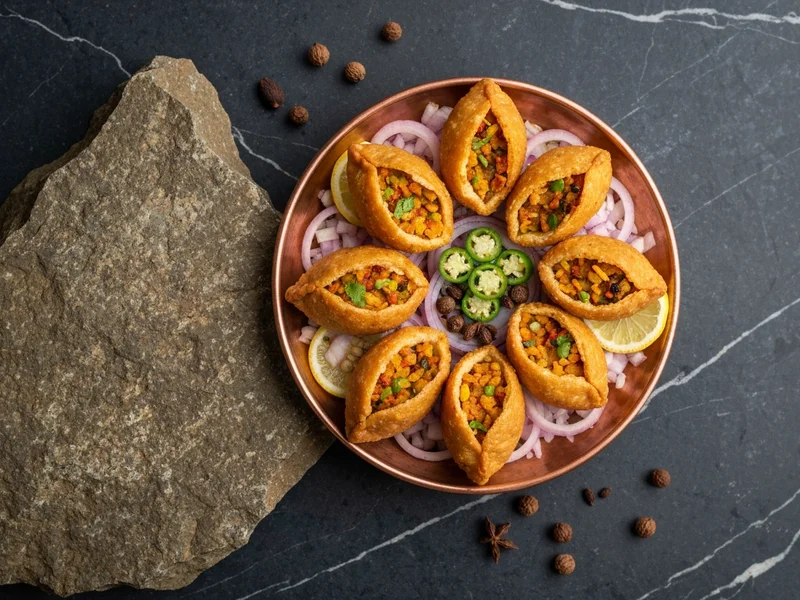
Gol Gappay
Crispy hollow puris filled with spiced chickpeas and tangy tamarind water — Pakistan's most addictive street snack. Once you start, you physically cannot stop at one.

Aloo Samosa (Crispy Potato-Filled Pastry)
Aloo Samosa is Pakistan's most iconic street snack — a perfectly crispy, triangular pastry filled with spiced mashed potatoes and peas, deep-fried to a golden crunch. Sold on every corner from Karachi to Peshawar.
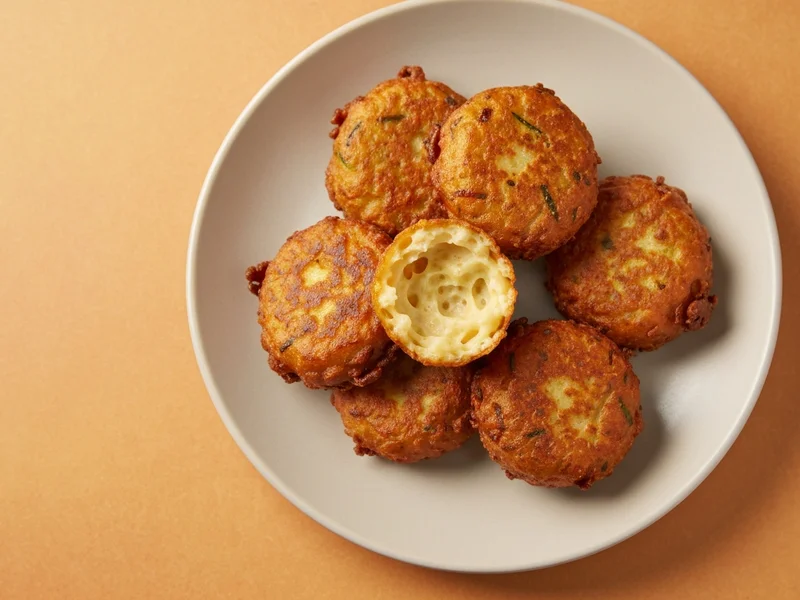
Pyaz Pakora (Onion Fritters)
Pyaz Pakora — crispy, lacy, golden onion fritters dipped in a spiced chickpea batter and deep-fried — is the first thing every Pakistani makes when it rains. The scent alone is enough to start a conversation.
Cite This Recipe
Writing about Pakistani food? Use these ready-made citations.
<a href="https://pakistani.recipes/recipes/pakora/pyaz-pakora/">Pyaz Pakora (Onion Fritters)</a> — Pakistani Recipes
Zainab Tariq. "Pyaz Pakora (Onion Fritters)." Pakistani Recipes, 2024. https://pakistani.recipes/recipes/pakora/pyaz-pakora/
Zainab Tariq. (2024). Pyaz Pakora (Onion Fritters). Pakistani Recipes. Retrieved 2026-07-20, from https://pakistani.recipes/recipes/pakora/pyaz-pakora/
What Cooks Are Saying
Authentic taste, clear steps. Exactly what I was looking for.
Incredible depth of flavour. The spice balance is just right — not too hot, not too mild.