
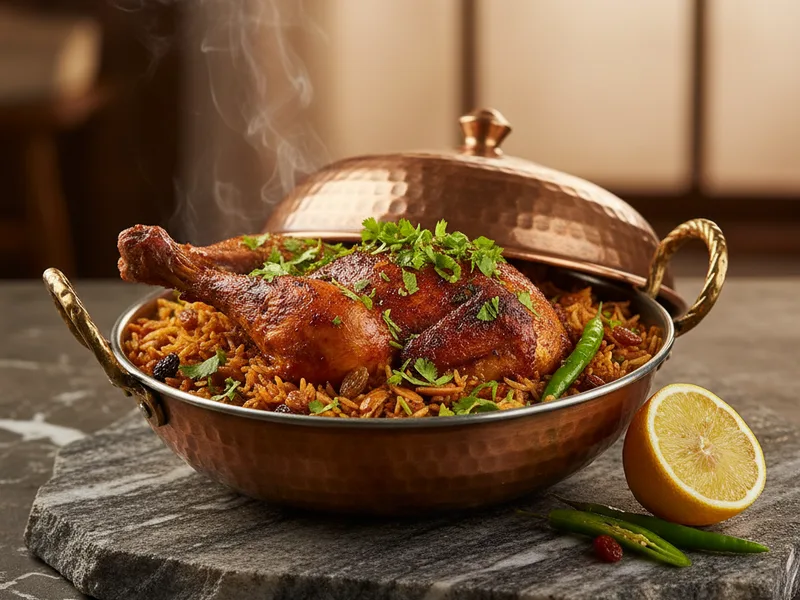
Balochistan cuisine
Balochi Dampukht Chicken
Balochi Dampukht Chicken is a traditional Balochistan Pakistani dish. Balochistan's version of the dum-sealed cooking method, using whole chicken pieces with the Balochi preference for fat-tail sheep fat (or ghee) as the cooking medium. Simpler and faster than the lamb version, equally extraordinary.
While KP dampukht emphasizes pure minimalism, Balochi dampukht has one distinctive addition: dumba (fat-tail sheep fat), the prized cooking fat of Baloch cuisine.
This richer cooking medium gives the chicken a unique, slightly gamey richness that you simply cannot replicate with vegetable oil. Balochistan's vast sheep herds produce fat-tailed breeds — the Balochi sheep — whose tail fat has been a cornerstone of Baloch cooking for millennia. If you can't find dumba fat (sometimes available at halal butchers as 'tail fat'), ghee is the best substitute. The Balochi dampukht is also notably faster than the lamb version — chicken done beautifully in 90-120 minutes. Fun fact: Balochistan is one of the largest provinces by land area in the world, yet has one of the most underrepresented food cultures in English-language media. You are cooking something almost nobody outside the region writes about.
Ingredients
Instructions
- PREP THE POT: Melt the dumba fat or ghee in the bottom of a heavy pot. Add sliced onions and sauté for 3-4 minutes until just beginning to soften. Don't brown — you want them to steam, not fry.
- ADD CHICKEN AND SPICES: Layer chicken pieces over the onions. Add tomato halves, salt, black peppercorns, garlic, ginger, and bay leaves. Toss briefly to distribute.
- SEAL THE POT: Cover tightly with the lid. Seal with foil pressed firmly around the rim, or use dough seal. The goal is complete steam retention.
- COOK ON LOW: Place over lowest heat for 90 minutes. The chicken will cook in its own steam plus the moisture from onions and tomatoes. HINT: After 45 minutes, briefly tilt the pot — you should hear liquid sloshing inside. If not, your seal may be leaking.
- CHECK AND FINISH: At 90 minutes, break the seal. The chicken should be cooked through and very tender. If not quite done, reseal and cook 15-20 minutes more.
- SERVE IMMEDIATELY: Dampukht waits for no one — serve straight from the pot while the steam and aroma are at their peak.
Chef's Secrets
- Dumba fat has a higher smoke point and more saturated fat than regular oil — it doesn't burn easily and adds a distinctive richness.
- If the pot seems to be getting too hot (you can smell browning), lift it off the flame and let it sit for 5 minutes before returning to lowest heat.
- The tomatoes in Balochi dampukht are a point of regional pride — KP cooks often skip them. Both are authentic to their regions.
- Leftover dampukht broth is liquid gold — use it to cook rice or soak bread in it.
Common Questions
How long does Balochi Dampukht Chicken take to make?
Total time is 2h 15m — 15m prep and 2h cooking.
How many servings does this recipe make?
This recipe makes 4 servings, and is rated medium difficulty.
Which region of Pakistan is Balochi Dampukht Chicken from?
Balochi Dampukht Chicken is from Balochistan, Pakistan — one of the country's most distinctive culinary traditions.
What do you serve with Balochi Dampukht Chicken?
Serve directly from the pot with naan. The broth is meant to be soaked up with bread. Sliced raw onion and green chili on the side.
Goes Well With
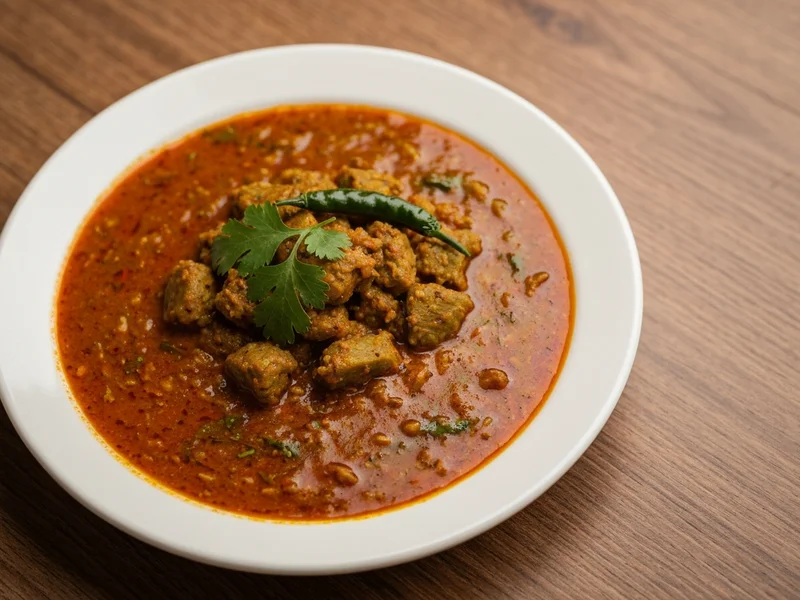
Balochi Dampukht
Balochistan's above-ground sealed-pot slow-cook — meat layered over charbi (sheep tail fat) with whole unpeeled vegetables, lid sealed with flour dough, cooked for 2-3 hours in its own steam with no added water. Salt and black pepper only. The charbi renders and bastes everything from below. NOT an underground dish — that is Khaddi Kabab.
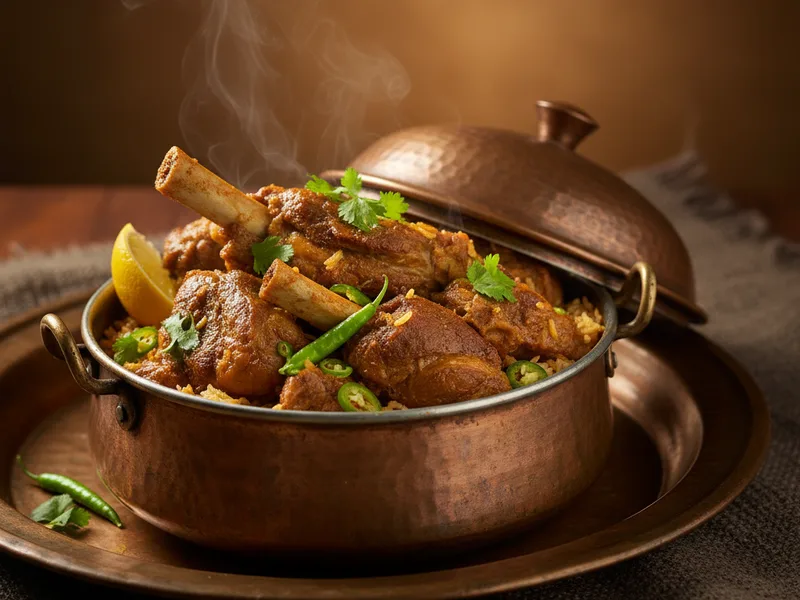
Balochi Dampukht Mutton
The ancient Balochi slow-cooked sealed meat — dampukht means 'cooked in its own steam' and this dish delivers mutton of extraordinary tenderness with minimal spicing and maximum natural flavour.
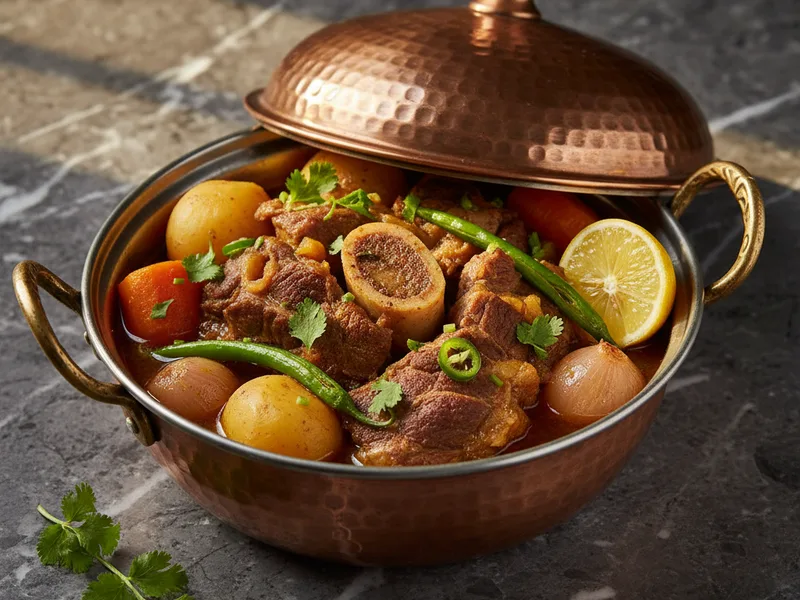
KP Dampukht Beef
KP's version of dampukht using beef — the Pashtun approach to sealed slow-cooked meat with slightly more whole spices than Balochistan, creating something with extra depth and warmth.
What Cooks Are Saying
Made this last weekend and the whole family loved it. Will definitely make again.
This is now my go-to recipe. Made it three times already.
I've tried many recipes for this dish but this one is the best by far.
Leave a Review
Tried this recipe? Share your experience — your review helps other cooks.