
Sindh cuisine
Karachi Falooda
Karachi Falooda is a traditional Sindh Pakistani dish. Karachi Falooda is Pakistan's most theatrical dessert drink — layered with rose syrup, chewy falooda vermicelli, plump basil seeds, cold rabri, and topped with a scoop of ice cream. Every sip is a different texture. Every glass is a full event.
Nobody in the world takes falooda as seriously as Karachi does.
In Karachi, it's not just a dessert — it's a social ritual. Burns Road, Boat Basin, Tariq Road — every hot evening has falooda vendors with long queues of people clutching tall glasses and arguing about who makes it better. The Karachi version is notably more over-the-top than any other: more layers, more toppings, sometimes literal jelly cubes. This recipe is the classic version — rose syrup, tukmaria (basil seeds), seviyan (falooda noodles), rabri, and kulfi or ice cream. Assembly is the skill. The actual cooking is minimal.
Ingredients
Instructions
- SOAK THE TUKMARIA: Place the tukmaria (basil seeds) in a bartan (bowl) with 1 cup cold water. Stir once and leave for 20-30 minutes. They will swell dramatically — each tiny black seed will develop a clear jelly coating and look like mini bubble tea pearls. FUN FACT: Tukmaria (also called sabja or tukh malanga) have been used in South Asian sherbets for centuries as a cooling ingredient — they're considered 'thanda' (cooling) in Unani medicine and are genuinely refreshing in summer heat. Once soaked, drain the excess water and set aside.
- COOK THE FALOODA VERMICELLI: Bring a pateela (saucepan) of water to a boil. Add the falooda seviyan and cook for 8-10 minutes, stirring occasionally, until they are soft but still have a slight chew. HINT: Overcooked falooda noodles turn to mush and lose their textural contribution. Test one at 8 minutes — it should bend without snapping but resist when you bite. Drain and rinse immediately under cold running water to stop the cooking. Toss with a few drops of neutral oil, then refrigerate until needed.
- PREPARE YOUR RABRI: If using homemade rabri, it should already be cold from the fridge. If using instant mix or bought rabri, prepare as instructed and chill thoroughly. The rabri should be thick enough to pour slowly — not solid, not liquid. WHY: Temperature is critical in falooda. The rabri needs to be cold going in, otherwise it melts the ice immediately and you lose the layered visual effect. Warm rabri also doesn't have the right thick-pour quality for building layers.
- BUILD THE GLASS — LAYER 1 (BOTTOM): Use a tall, wide glass — a milkshake glass or any 400-500ml glass. Start with gulkand (rose petal jam) if using: add 1 teaspoon to the very bottom. Then add the soaked tukmaria (basil seeds) — 2 tablespoons per glass. They will settle at the bottom looking like a pile of beautiful pearls. HINT: The layering order matters — each ingredient has a density. Dense things go at the bottom (seeds, jelly), liquid things float in the middle, ice cream sits on top. Getting the order wrong means everything collapses into a murky brown blob.
- BUILD THE GLASS — LAYER 2 (NOODLES AND ROSE SYRUP): Add a generous pile of the cooled falooda seviyan (vermicelli) — about 3-4 tablespoons. Then pour 4 tablespoons of Rooh Afza rose syrup over the noodles. Watch it trickle down through the seeds — it should pool at the bottom and stain everything a gorgeous deep pink. Now add the crushed baraf (ice) — pack it in generously, filling about half the glass.
- BUILD THE GLASS — LAYER 3 (MILK AND RABRI): Pour the cold doodh (milk) gently over the ice — about 3-4 tablespoons. Then spoon the rabri over in a thick layer — 3-4 tablespoons. Pour it slowly so it sits on top of the milk rather than sinking. WHY: The rabri layer acts as a creamy bridge between the cold milk below and the ice cream above. Poured slowly, it creates a visible white-cream band in the glass that looks stunning before it's stirred. Add jelly cubes here if using.
- CROWN AND GARNISH: Place one scoop of kulfi or vanilla ice cream on the very top of the glass — this is the crown. Scatter sliced pista (pistachios) and badam (almonds) over the ice cream. Add a pinch of dried rose petals if you have them. The finished glass should have visible pink at the bottom, white in the middle, and the scoop of ice cream on top with a sprinkle of green nuts. It should look like a dessert designed for Instagram before Instagram existed. FUN FACT: Some Karachi vendors add a drizzle of extra Rooh Afza over the ice cream at the very end — a flourish that sends the rose flavour into overdrive.
- SERVE IMMEDIATELY: Provide a long straw AND a long spoon — falooda cannot be consumed with just one utensil. The etiquette is to eat the ice cream first with the spoon, then stir the whole glass gently (just enough to mix, not to fully homogenise) and drink through the straw. The final sips, when the ice cream has fully melted into the rose milk, are arguably the best part of the entire experience. Do not let a falooda sit for more than 10 minutes before drinking — the ice dilutes everything and the ice cream collapses into a sad soup.
Chef's Secrets
- Rooh Afza is not negotiable. No other rose syrup, no rose water, no pink food colour gets close. If you're outside Pakistan and can't find it, order online — it's available on Amazon globally.
- Make falooda noodles in bulk and refrigerate up to 3 days in advance. They hold their texture well when stored cold and tossed with a few drops of oil.
- For a restaurant-level presentation: chill the serving glasses in the freezer for 30 minutes before assembly. The frost on the outside of the glass looks spectacular and keeps the drink colder longer.
- Kulfi is significantly better than vanilla ice cream in falooda — the dense, less-airy texture melts more slowly and contributes a richer flavour. If you can find Pakistani kulfi at an ice cream shop, use it.
- Scale this recipe exactly per glass — do not try to mix everything in a pitcher. The layering is per-serving, and the ice cream goes in last minute. Mass-assemble, yes; pre-mix, never.
Common Questions
How long does Karachi Falooda take to make?
Total time is 50m — 40m prep and 10m cooking.
How many servings does this recipe make?
This recipe makes 4 servings, and is rated easy difficulty.
Which region of Pakistan is Karachi Falooda from?
Karachi Falooda is from Sindh, Pakistan — one of the country's most distinctive culinary traditions.
What do you serve with Karachi Falooda?
Serve immediately in tall glasses with a long straw and spoon. Best enjoyed outdoors in summer heat. A Burns Road Karachi staple — serve after dinner or as the main event on a hot evening.
Goes Well With
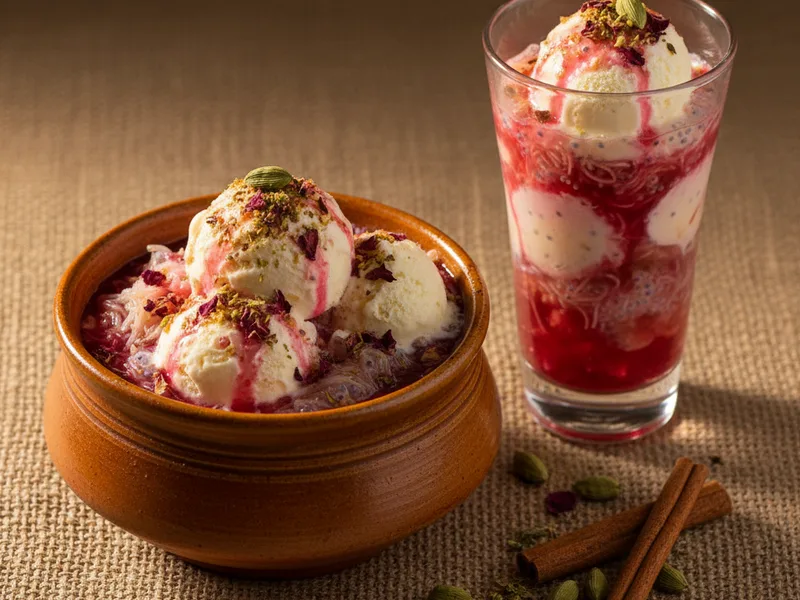
Karachi Falooda with Rose Syrup
Karachi's iconic falooda layered with rose syrup, chilled milk, basil seeds, vermicelli, and a crown of vanilla ice cream — the ultimate street food dessert drink. This layered glass of joy is what Karachi summers are made of, and now you can make it at home.
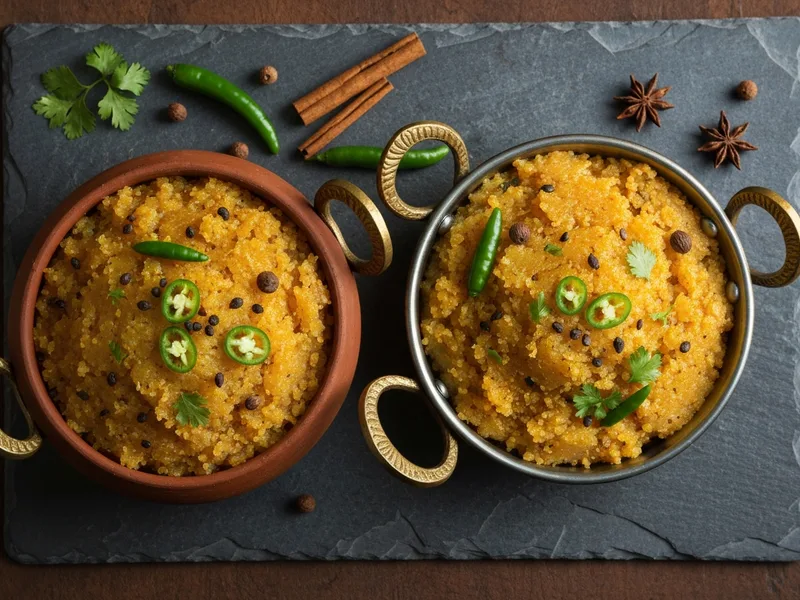
Karachi Halwa (Cornflour Halwa / Bombay Halwa)
A jewel-bright, translucent, gloriously chewy halwa made from cornflour, sugar, and an extravagant amount of ghee — cooked in one pot with relentless stirring until it transforms into a bouncy, glistening confection the colour of liquid amber or emerald. Set in a greased tray, cut into diamonds, and decorated with pistachios, it looks like something from a confectionery museum. It is also utterly, devastatingly delicious.
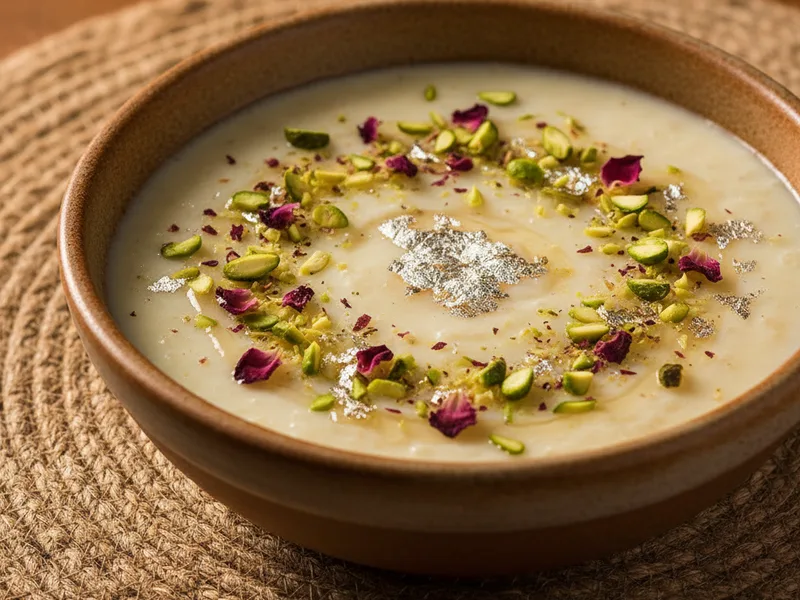
Chawal Ki Kheer — Sindhi Slow-Cooked Rice Pudding
Traditional Sindhi-style chawal ki kheer made by slow-cooking basmati rice in whole milk until the grains dissolve and the pudding turns thick and creamy. Scented with cardamom and rose water, this is the patient cook's reward — simple ingredients, extraordinary results.
What Cooks Are Saying
Solid recipe. Added a bit more ginger than suggested and it was excellent.
The instructions are so clear and easy to follow. Came out perfectly first try.
Leave a Review
Tried this recipe? Share your experience — your review helps other cooks.