
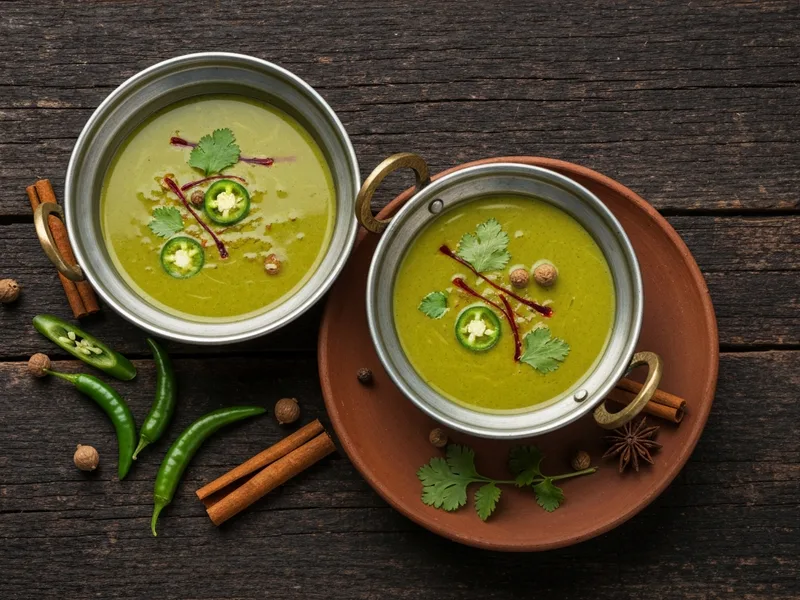
KP cuisine
Kahwah — Peshawari Saffron Green Tea
Kahwah — Peshawari Saffron Green Tea is a traditional KP Pakistani dish. Kahwah is the soul of Peshawari hospitality — a fragrant, golden green tea simmered gently with green cardamom, cinnamon, cloves, and a pinch of saffron, served with whole almonds floating on top and a drizzle of honey. It is warmth in a cup, and it will make your kitchen smell like a spice market in the best possible way.
Kahwah has been the drink of choice across Central Asia, Afghanistan, and Khyber Pakhtunkhwa for centuries — served in brass or copper samovars (large Russian-style urns that keep water hot for hours), poured into small glass cups, and offered to guests as an act of profound hospitality. The name is believed to come from the same Arabic root as 'coffee' (qahwa), suggesting a shared ancient lineage of warm, comforting beverages. In Peshawari culture, refusing a cup of kahwah from a host is considered mildly offensive — it's that important.
Ingredients
Instructions
- PREP THE SPICES: Lightly crush the green cardamom pods by pressing the flat side of a knife down onto them — you just want to crack them open slightly, not powder them. WHY: Cracking the pods releases the aromatic oils inside, which infuse into the tea far better than whole pods. The cloves and cinnamon can go in whole. Bloom the saffron strands in a small bowl with 1 tablespoon of warm (not boiling) water — this unlocks the colour and flavour and ensures it distributes evenly through the tea. Set the saffron aside for now.
- WARM THE WATER — DON'T BOIL IT: Pour 500ml of fresh cold water into a small pateela (saucepan) or kettle. Heat it over medium heat until you see small bubbles beginning to form at the bottom and sides of the pan — this is around 80-85°C (175-185°F). This is the critical temperature for green tea. HINT: Boiling water (100°C) destroys the delicate compounds in green tea and makes it bitter and astringent. You want hot, not boiling. If you don't have a thermometer, just bring the water to the point just before it begins to bubble — it will look like the surface is shivering slightly.
- INFUSE THE SPICES FIRST: Add the cardamom, cinnamon, and cloves to the warm water. Reduce the heat to the lowest setting and let the spices infuse gently for 3-4 minutes. The water should remain hot but not simmer. You'll see it turn very faintly golden from the cardamom. The kitchen will begin smelling wonderful — warm and slightly sweet. This is your spice base.
- ADD THE GREEN TEA: Add the loose-leaf green tea directly to the spiced water. Stir once with a chamcha (small ladle) or spoon. Let the tea steep for exactly 2-3 minutes on the lowest heat. Set a timer — green tea becomes bitter very quickly if over-steeped. FUN FACT: In traditional kahwah making, the tea is added to water that's already spiced and slightly cooled — never to furiously boiling water. The spices protect the tea by tempering the water temperature slightly.
- ADD THE SAFFRON: Pour the bloomed saffron (strands plus the tablespoon of warm water it was soaking in) into the tea. Stir gently. You will see the liquid turn a beautiful golden-amber colour within 30 seconds. WHY: Adding the saffron at the end rather than the beginning preserves its floral, honey-like aroma — prolonged heat destroys saffron's volatile compounds. The colour is what tells you you've done it right: it should be a warm, glowing gold.
- STRAIN AND SERVE: Pour the kahwah through a fine mesh strainer into pre-warmed cups or small glass cups. WHY: You strain directly into cups — kahwah should be poured and drunk immediately, not left sitting. Straining removes the tea leaves, cardamom pods, and cinnamon. Drop 2-3 whole almonds into each cup — they'll sink to the bottom and absorb some of the tea as you drink.
- SWEETEN AND ENJOY: Offer honey on the side — each person adds 1-2 teaspoons to their own cup and stirs to dissolve. HINT: Never add sugar — kahwah is sweetened with honey only, always. The honey's floral notes complement the saffron and cardamom in a way that sugar simply cannot match. Sip slowly. Eat the honey-soaked almonds at the end. This is a beverage to be savoured, not gulped.
Essential for This Recipe
As an Amazon Associate, we earn from qualifying purchases
Green Cardamom Pods (Elaichi)
The fragrant heart of biryanis, pulaos, chai, and desserts — use whole pods for best flavor
Cinnamon Sticks (Darchini)
Sweet and warm, essential for pulaos, biryanis, and chai — add one stick per pot
Whole Cloves (Laung)
Warm, sweet, and aromatic — adds depth to rice dishes, biryanis, and meat curries
Saffron Threads (Zafran)
The luxury spice for biryanis, zarda, kheer, and special occasions — adds golden color and floral elegance
Chef's Secrets
- Water temperature is everything with green tea. Invest in a simple kitchen thermometer — it will transform your tea game entirely.
- Kashmiri green tea (also called Lipton Green Label or any loose-leaf Chinese Gunpowder green tea) works best. Avoid flavoured green teas.
- Real saffron matters here. You can test saffron authenticity by placing a strand in warm water — real saffron releases colour slowly (takes 5+ minutes), fake saffron bleeds instantly.
- Scale up easily: for 4 cups, use 3 tsp tea leaves, 6 cardamom pods, 2 cinnamon sticks, 5 cloves, and a generous two-finger pinch of saffron in 1 litre of water.
- Kahwah is traditionally served after a heavy meal as a digestive. The cardamom and cinnamon genuinely help with digestion — this is food as medicine.
Common Questions
How long does Kahwah — Peshawari Saffron Green Tea take to make?
Total time is 15m — 5m prep and 10m cooking.
How many servings does this recipe make?
This recipe makes 2 servings, and is rated easy difficulty.
Which region of Pakistan is Kahwah — Peshawari Saffron Green Tea from?
Kahwah — Peshawari Saffron Green Tea is from KP, Pakistan — one of the country's most distinctive culinary traditions.
What do you serve with Kahwah — Peshawari Saffron Green Tea?
Serve in small glass cups or traditional brass/copper cups if you have them. Offer a small plate of almonds and walnuts alongside. Kahwah is the perfect after-dinner drink, a morning alternative to chai, or a warming drink for cold winter evenings. It pairs beautifully with dry fruit and nut snacks.
Goes Well With
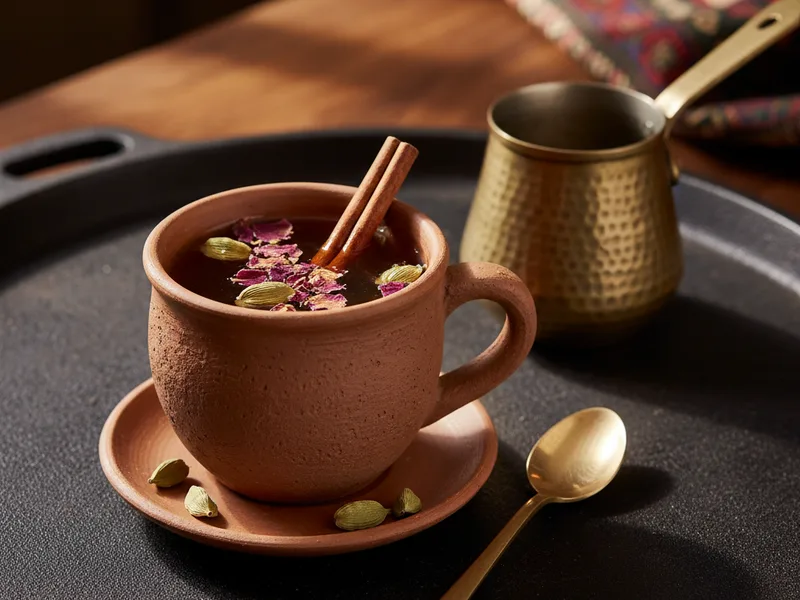
Green Tea Kahwah — Kashmiri Valley Style
The authentic Kashmiri green tea blend — saffron, cardamom, cinnamon, and crushed almonds in fragrant green tea. This is the real kahwah that Kashmiris have been brewing for over a millennium, worlds apart from any commercial version.
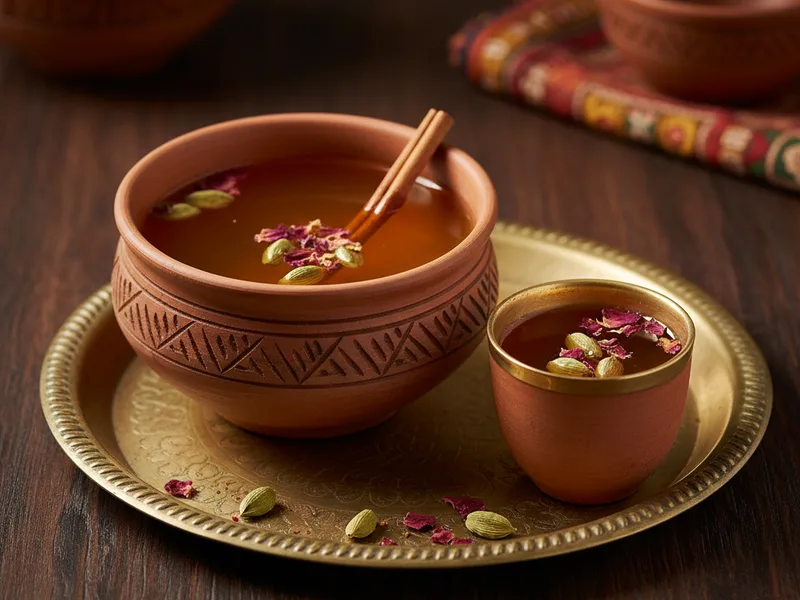
Saffron Kahwah — Premium Celebration Blend
The elevated, saffron-forward kahwah reserved for weddings and special guests — a richer, more aromatic brew with crushed pistachios, rose petals, and a generous hand with the saffron.
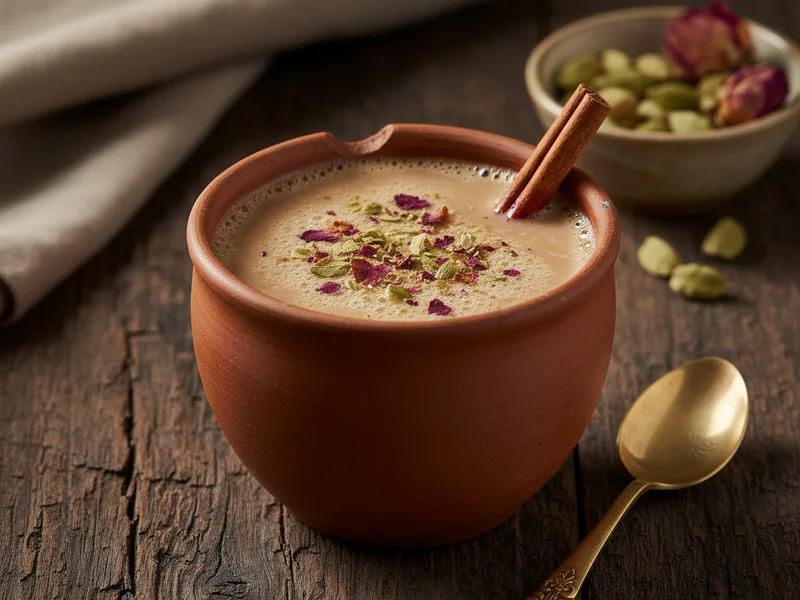
Gurgur Chai — Hunza Butter Tea
The warming, savory butter tea of Hunza and Gilgit-Baltistan — strong tea churned with salt and butter (traditionally yak butter) into a thick, sustaining beverage that has kept mountain communities warm for centuries.
Cite This Recipe
Writing about Pakistani food? Use these ready-made citations.
<a href="https://pakistani.recipes/recipes/gurgur-chai/gurgur-chai-butter-tea/">Gurgur Chai — Hunza Butter Tea</a> — Pakistani Recipes
Farhan Afridi. "Gurgur Chai — Hunza Butter Tea." Pakistani Recipes, 2025. https://pakistani.recipes/recipes/gurgur-chai/gurgur-chai-butter-tea/
Farhan Afridi. (2025). Gurgur Chai — Hunza Butter Tea. Pakistani Recipes. Retrieved 2026-06-15, from https://pakistani.recipes/recipes/gurgur-chai/gurgur-chai-butter-tea/
What Cooks Are Saying
This recipe is a keeper. Followed it exactly and it turned out perfect.
I was nervous to try this but the instructions made it so easy. Turned out amazing.