
KP cuisine
Kashmiri Naan
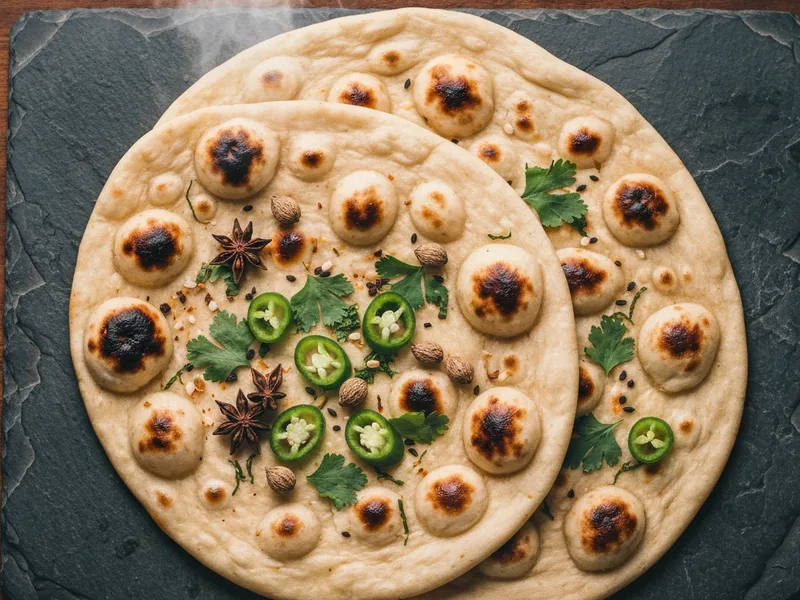
Kashmiri Naan is a traditional KP Pakistani dish. Kashmiri Naan is a sweet, fragrant stuffed bread filled with khoya, dried fruits, and cardamom — the kind of bread that makes you question why you ever ate plain naan. It is brushed with butter and rose water straight from the oven and is equally at home beside morning chai or as a dessert bread after a big meal.
This naan hails from the mountainous kitchens of Kashmir and the northern regions of Pakistan, where bread-making is an art form passed down through generations of bakers.
The filled, sweet-savoury naan tradition reflects the historic trade and cultural exchange between Kashmir and the Pashtun frontier. The filling of khoya (slow-cooked dried milk solids) with almonds, raisins, and cardamom reflects the Persian and Central Asian influences that shaped the cuisine of this region centuries ago. Kashmiri Naan was historically a festive bread — reserved for weddings, Eid mornings, and honoured guests — because the ingredients were precious and the technique took skill. Today it is sold in tandoor shops across Peshawar and Lahore, and with this recipe, you can make it at home with confidence.
Ingredients
Instructions
- ACTIVATE THE YEAST: In a small katori (bowl), combine the lukewarm water, 1 teaspoon of sugar (taken from the dough's 2 tablespoons), and the instant yeast. Stir once gently and leave it alone for 8–10 minutes. WHY: Yeast is a living organism — it needs warmth and food (sugar) to wake up. If the water is too hot, you kill it; too cold and it won't budge. You are looking for the mixture to turn foamy and smell faintly bread-like — almost like beer. If nothing happens after 10 minutes, your yeast may be dead; start again with a fresh packet.
- MIX THE DOUGH: In a large paraat (wide mixing bowl) or directly on a clean counter, combine the maida, remaining sugar, and salt. Make a well in the centre. Pour in the activated yeast mixture, dahi, and oil or melted butter. Use your fingers to gradually bring the flour in from the sides, mixing until a shaggy dough forms. HINT: If it feels too dry and isn't coming together, add water one tablespoon at a time. If it is sticking everywhere, dust in a little extra flour — but go slowly, a sticky dough is better than a stiff one.
- KNEAD THE DOUGH: Turn the dough onto a lightly floured surface and knead it with the heel of your hand — push forward, fold back, turn, repeat. Keep going for a full 8–10 minutes. WHY: Kneading develops gluten, which gives the naan its chewy, stretchy texture. You will feel the dough change: it starts rough and sticky, then becomes smooth and elastic like a stress ball. It should not tear when you stretch a small piece — if it tears immediately, knead two more minutes. FUN FACT: Professional bakers in Peshawar's tandoor shops knead dough for hours — the physical labour is baked into every bite.
- FIRST RISE: Shape the dough into a ball. Rub a little oil on the inside of a large bowl, place the dough ball in, then flip it so the top is also lightly oiled (this stops a dry crust forming). Cover with a damp muslin (cheesecloth) or plastic wrap. Place in a warm spot — on top of the fridge, or inside an oven with just the light on — for 1 to 1.5 hours. The dough should double in size. HINT: In winter, this can take longer. In summer, it may double in 45 minutes. Check by poking it with a floured finger — if the dent slowly springs back halfway, it is ready.
- MAKE THE FILLING: While the dough rises, prepare your filling. In a small bowl, combine the crumbled or grated khoya, desiccated coconut, raisins, chopped almonds, sugar (for the filling), and cardamom powder. Mix well with a fork or your fingers until everything is evenly distributed. HINT: Taste the filling — it should be sweet enough that you could eat it by the spoonful. If you want more fragrance, add one more pinch of cardamom. FUN FACT: Khoya is basically milk that has been cooked down until almost all the moisture is gone — it takes 45 minutes of stirring to make at home, which is why smart cooks just buy it from the mithai shop.
- PREHEAT YOUR OVEN: Set your oven to its maximum temperature — ideally 250°C (480°F). Place a heavy baking tray or pizza stone on the top rack and let it heat for at least 20–30 minutes. WHY: A screaming hot surface is what replicates the inside wall of a tandoor. If the surface is not pre-heated, your naan will bake instead of blasting — you will lose that beautiful bubbled, slightly charred texture.
- DIVIDE AND STUFF: Punch the risen dough down gently to release the gas. Divide it into 6 equal portions and roll each into a smooth ball. On a lightly floured chakla (rolling board), flatten one ball with your palm, then use your belan (rolling pin) to roll it into a circle roughly 15cm (6 inches) in diameter. Place 2–3 tablespoons of filling in the centre — not too close to the edges. Bring the edges up around the filling like you are making a dumpling, pinch firmly to seal, then press the sealed side down. HINT: Make sure the seal is tight. Any gap and the filling will spill out in the oven and burn.
- ROLL THE STUFFED NAAN: Gently, very gently, use the belan to roll the sealed dough ball back out into an oval shape about 20–22cm long and roughly 1cm thick. Do not push too hard or the filling will burst through. Start from the centre and roll outward in one direction, rotate slightly, roll again. HINT: If a tiny bit of filling peeks through, that is okay — just pinch it closed. If a big hole opens, fold that section over and re-roll from a different angle.
- BAKE THE NAAN: Carefully pull the hot baking tray out of the oven using thick oven gloves. Place 1–2 naans on the tray (don't crowd them). Slide back into the oven on the top rack. Bake for 4–6 minutes until the top is golden and has visible brown spots and blisters. The naan should have puffed up in places. FUN FACT: In a real tandoor, the baker slaps the naan onto the clay wall using a round cushion called a gaddi. The heat is so intense — up to 480°C — that the naan is done in under 2 minutes.
- BRUSH AND SERVE: The moment the naan comes out of the oven, brush it generously with butter, then immediately sprinkle over the rose water. The rose water will sizzle a little on the hot bread — that sizzle is the sound of perfection. The aroma will fill your kitchen with something between a bakery and a flower shop. Serve immediately — Kashmiri Naan is a bread that does not wait politely.
Essential for This Recipe
As an Amazon Associate, we earn from qualifying purchases
Yogurt Culture/Starter
Make fresh yogurt for raitas and marinades at home — authentic and cheaper than store-bought
Green Cardamom Pods (Elaichi)
The fragrant heart of biryanis, pulaos, chai, and desserts — use whole pods for best flavor
Rose Water (Pure)
For desserts, kheer, and lassi — adds floral elegance to sweet dishes
Chef's Secrets
- If you cannot find khoya, substitute with 3 tablespoons of full-fat milk powder mixed with 2 tablespoons of softened butter — not identical, but surprisingly close.
- For extra golden tops with more char, switch your oven to the grill/broiler setting for the last 60 seconds.
- Dough can be made the night before and left to rise slowly in the fridge overnight — slow fermentation builds better flavour.
- Blanch almonds by soaking in boiling water for 5 minutes, then slipping off the skins — this gives you a sweeter, cleaner nut flavour.
- Rose water brands vary wildly in strength — taste yours first. If it is very strong, use only half a tablespoon.
Common Questions
How long does Kashmiri Naan take to make?
Total time is 55m — 30m prep and 25m cooking.
How many servings does this recipe make?
This recipe makes 6 servings, and is rated medium difficulty.
Which region of Pakistan is Kashmiri Naan from?
Kashmiri Naan is from KP, Pakistan — one of the country's most distinctive culinary traditions.
What do you serve with Kashmiri Naan?
Serve hot alongside a cup of doodh patti chai (milky tea) for breakfast, or as a dessert bread after a kebab meal. Also excellent torn into pieces and eaten like a sweet naan pizza.
Goes Well With
Peshawari Naan
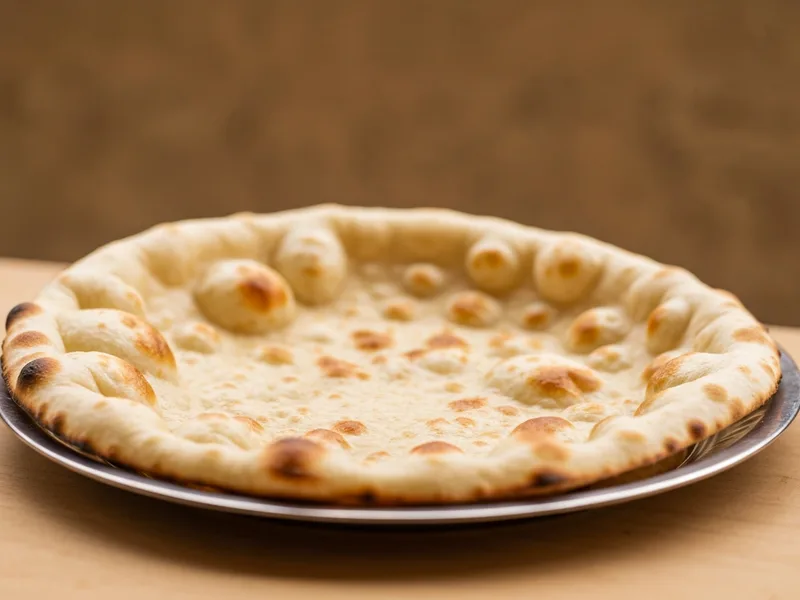
Peshawari Naan is a thick, cloud-like flatbread from the ancient city of Peshawar — so large and puffy it barely fits on a standard plate. The dough is more hydrated than regular naan, giving it a pillowy interior with a slightly crisp exterior, and it is finished with nothing but a generous slick of butter.
Hunza Chapshuro — Beef-Stuffed Mountain Bread
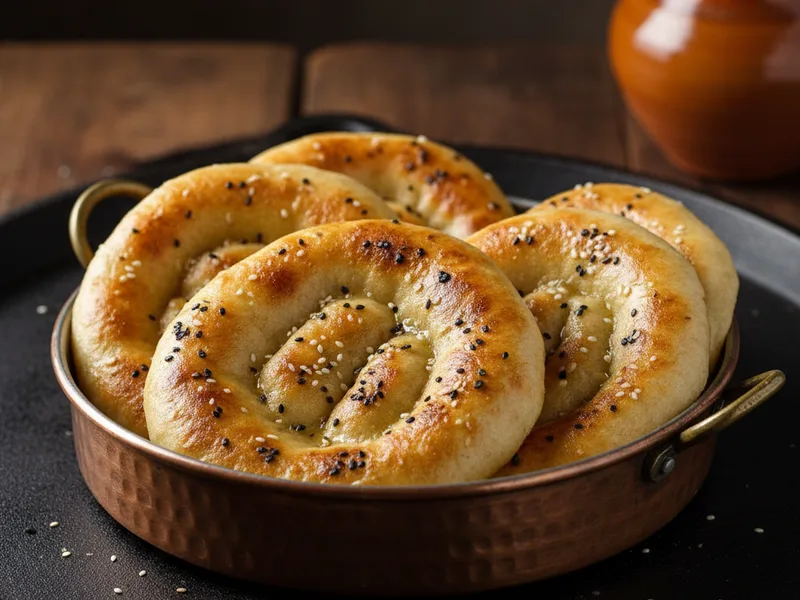
Hunza Valley's iconic stuffed flatbread — whole wheat dough filled with spiced minced beef and pan-cooked on a tawa. The mountain-traveler's complete meal in bread form, beloved from Gilgit-Baltistan to the surrounding KP regions.
Chicken Chapshuro — Valley Variation
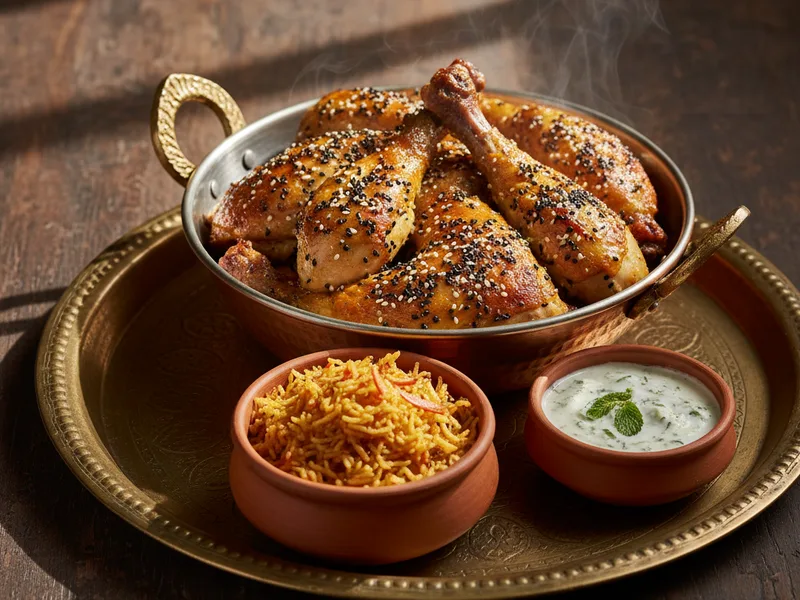
A lighter chicken-filled chapshuro — the minced chicken version popular in the tourist guesthouses of Hunza Valley, adapted for those who prefer poultry but still want the authentic stuffed mountain bread experience.
Cite This Recipe
Writing about Pakistani food? Use these ready-made citations.
<a href="https://pakistani.recipes/recipes/chapshuro/chicken-chapshuro/">Chicken Chapshuro — Valley Variation</a> — Pakistani Recipes
Gulab Bibi. "Chicken Chapshuro — Valley Variation." Pakistani Recipes, 2025. https://pakistani.recipes/recipes/chapshuro/chicken-chapshuro/
Gulab Bibi. (2025). Chicken Chapshuro — Valley Variation. Pakistani Recipes. Retrieved 2026-06-15, from https://pakistani.recipes/recipes/chapshuro/chicken-chapshuro/
What Cooks Are Saying
My husband said it's the best he's ever had. Coming from him that means everything!
Made this last weekend and the whole family loved it. Will definitely make again.
Better than the restaurant version. The tips in the recipe really make a difference.