
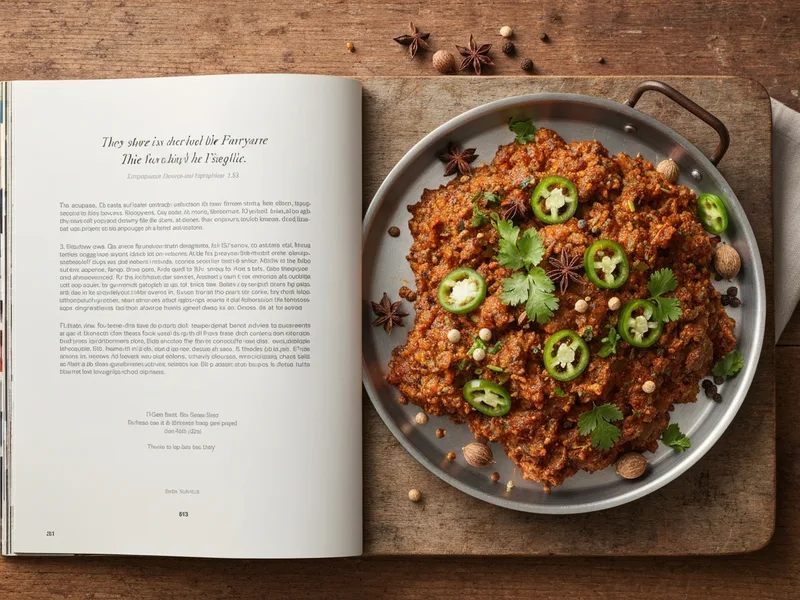
Sindh cuisine
Karachi Katakat
Karachi Katakat is a traditional Sindh Pakistani dish. Karachi Katakat brings the famous chopped organ meat dish to Sindhi territory — with characteristic Karachi boldness, more tomato, and a spice profile that's both familiar and distinctly different from the Lahori original.
Karachi has its own relationship with katakat — the dish arrived from Lahore and promptly got Karachified, which means more tomato, more chilli, and faster cooking on higher heat.
Karachi katakat shops operate on a slightly different philosophy: the city's multicultural population has influenced the dish, with some Karachi versions including a touch of amchur (mango powder) for tartness, and the masala tends to be wetter than the Lahori version. The chopping technique is the same — that rhythmic kata-kata-kata of metal on the tawa is universal — but the final dish has a distinctly coastal character. Fun fact: Karachi has a long history of 'receiving' dishes from other parts of Pakistan and adapting them to local tastes. Karachi karahi, Karachi biryani, Karachi katakat — each begins elsewhere and becomes something new in the city. It's what happens when 15 million opinionated food lovers get hold of something good.
Ingredients
Instructions
- PREP OFFAL: Soak kidneys in salted water 30 minutes. Clean brain, remove membrane. Trim liver. Pat all completely dry. Karachi cooks prep more quickly but the soaking is still essential.
- HIGH-HEAT MASALA: Heat oil on maximum flame. Fry onions aggressively until deep golden. Add ginger garlic paste and fry 3 minutes. Add all spices except amchur and garam masala. Fry 1 minute.
- TOMATO FORWARD: Add tomatoes and cook on high for 12-15 minutes until very thick. Karachi masala for katakat is thicker than the base you'd use for karahi — it needs to cling to the offal.
- KIDNEYS FIRST: Add kidneys to the masala. Cook on high, chopping and stirring continuously with a metal spatula for 5-6 minutes. The chopping integrates kidney with masala while cooking.
- LIVER AND CHILLIES: Add liver and green chillies. Continue the kata-kata chopping technique for 5 more minutes. Liver cooks fast — don't overdo it or it becomes tough.
- BRAIN AND FINISH: Add brain last. Chop and stir for 3 minutes until integrated. Add amchur and garam masala. Bhuno for 2 final minutes. The amchur cuts through the richness with a distinctive Karachi tartness.
Chef's Secrets
- Amchur (mango powder) is the Karachi adaptation — it balances the richness of organ meats
- More tomato gives Karachi katakat a slightly different texture than Lahori
- Kidneys are the flavour backbone here — ensure they're well soaked before use
- High heat throughout — Karachi cooking doesn't slow down
Common Questions
How long does Karachi Katakat take to make?
Total time is 1h 10m — 30m prep and 40m cooking.
How many servings does this recipe make?
This recipe makes 4 servings, and is rated hard difficulty.
Which region of Pakistan is Karachi Katakat from?
Karachi Katakat is from Sindh, Pakistan — one of the country's most distinctive culinary traditions.
What do you serve with Karachi Katakat?
Serve hot on tawa with naan. Sliced raw onions, lemon wedges, and green chillies are mandatory accompaniments. A cold drink to balance the heat.
Goes Well With
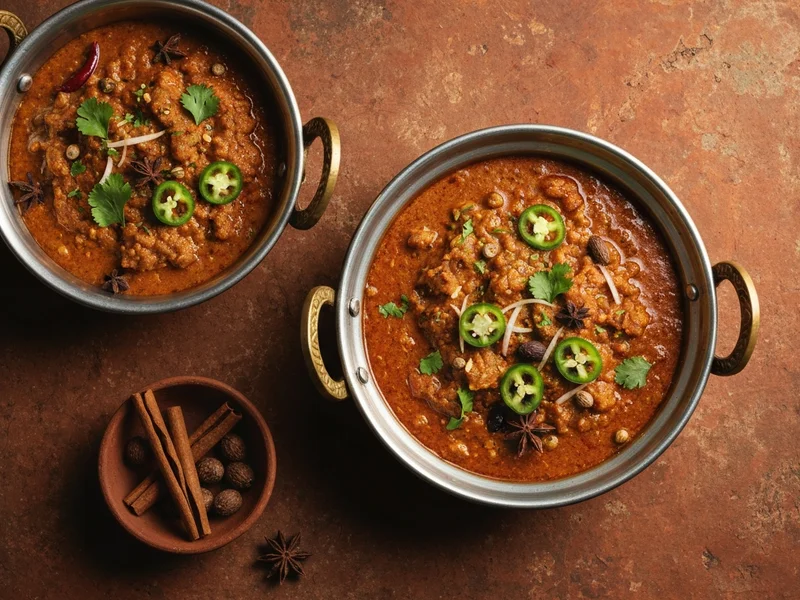
Lahori Katakat — The Chopping Rhythm Street Food
Lahore's most theatrical street food — offal and meat chopped rhythmically on a convex iron tawa with two metal spatulas, spiced on the fly. Named for the sound the blades make.
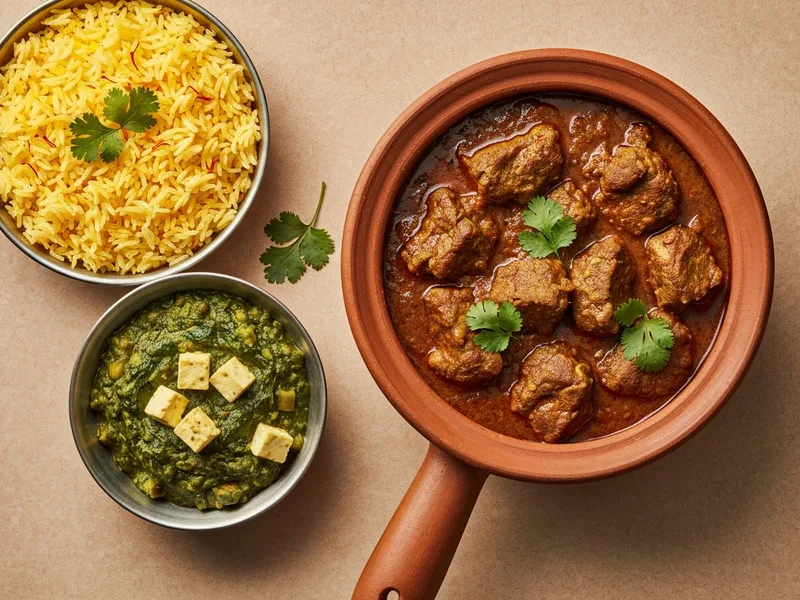
Mutton Katakat
Mutton Katakat replaces organ meats with boneless mutton pieces for those who want the authentic katakat technique and flavour experience without the offal. Richly spiced, intensely bhunoed, and deeply satisfying.
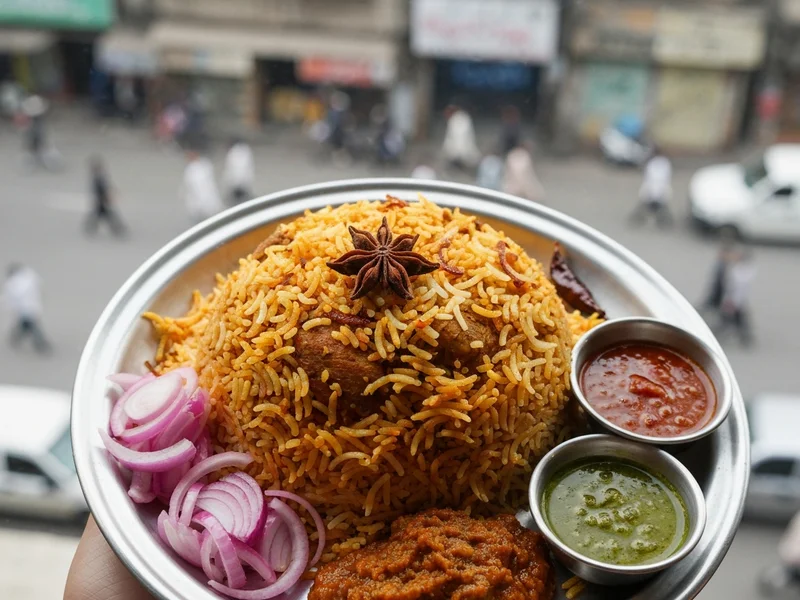
Authentic Karachi Biryani
The iconic Karachi-style biryani — fiery, tangy, loaded with potatoes and prunes. Born in the streets of Karachi, perfected by generations of Muhajir cooks.
What Cooks Are Saying
Made this last weekend and the whole family loved it. Will definitely make again.
Incredible depth of flavour. The spice balance is just right — not too hot, not too mild.
Leave a Review
Tried this recipe? Share your experience — your review helps other cooks.