
Punjab cuisine
Doodh Chawal Kheer — Pakistani Rice Pudding
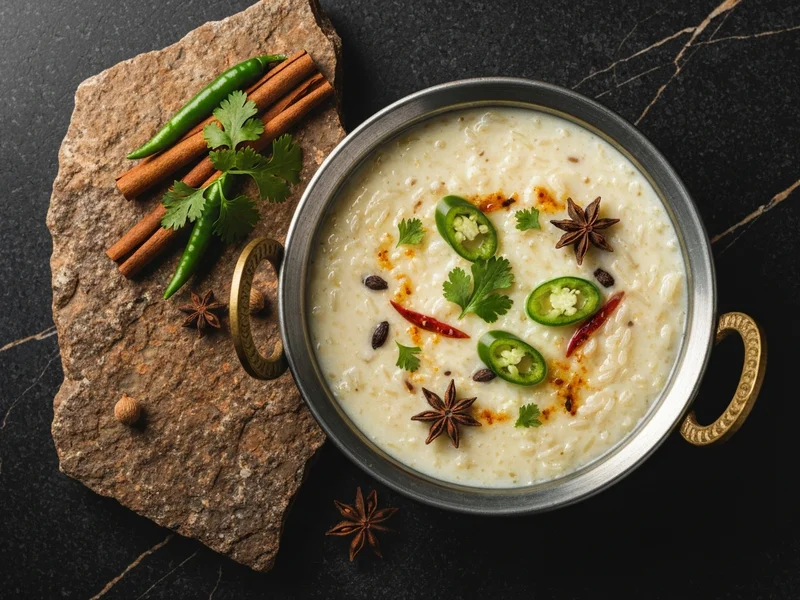
Doodh Chawal Kheer — Pakistani Rice Pudding is a traditional Punjab Pakistani dish. Kheer is the quintessential Pakistani celebration dessert — rice slow-cooked in full-fat milk until creamy and thick, perfumed with cardamom and saffron, and crowned with pistachios and silver leaf. It appears at every eid, wedding, and birth celebration across the country.
If there is one dish that unites all of Pakistan, it is kheer. From the grandest Lahori wedding to a small Eid dinner in a Karachi apartment, a daig (large pot) of kheer signals that something worth celebrating has happened.
The word 'kheer' itself derives from the Sanskrit 'ksheer', meaning milk. The Mughal emperors elevated it with saffron, rose water, and gold leaf, but the soul of it — patient, slow-cooked rice in sweet milk — has never changed. The secret to great kheer is time and full-fat milk. You cannot rush it, and you cannot skim on the milk fat. Settle in, stir gently, and let the magic happen.
Ingredients
Instructions
- SOAK THE RICE: Rinse 4 tbsp of chawal (rice) in cold water two or three times until the water runs mostly clear. Soak in fresh cold water for 30 minutes. This softens the rice so it cooks faster and breaks down more easily in the milk. HINT: Do not skip the soak — unsoaked rice can take forever to soften in milk and may remain gritty. Drain the soaked rice just before you're ready to start cooking.
- BOIL THE MILK: Pour 1.5 litres of full-fat doodh (milk) into a heavy bhari degh or pateela (saucepan). Heat on medium-high, stirring frequently. As the milk heats up, a thin skin will form on the surface — scrape this back into the milk, don't discard it (that's flavour and fat). HINT: Watch the pot — milk boils over in seconds and leaves a sticky mess. The moment you see it foaming up rapidly, reduce heat to medium. FUN FACT: Pakistanis traditionally boil milk fresh every morning and evening — Olper's pasteurised milk changed that habit, but many households still prefer to boil it regardless.
- ADD RICE AND SIMMER: Once the milk is boiling, add the drained soaked rice. Stir well. Reduce heat to medium-low and cook at a steady simmer, stirring gently every 5 minutes. Don't let it sit still — the rice will sink and scorch. Cook for 40-50 minutes. HINT: Use a wide-bottomed pot rather than a tall narrow one — more surface area helps the milk evaporate and thicken faster. As the kheer cooks, you'll see it visibly thickening and the colour deepening from bright white to a warm ivory. The rice should completely dissolve into the milk, leaving a smooth, creamy texture.
- CHECK CONSISTENCY: The kheer is ready for sugar when it coats the back of a spoon and a line drawn through it holds for a moment before filling in. This typically takes 45-60 minutes. HINT: Kheer thickens significantly as it cools — take it off the heat when it still looks slightly thinner than you want. If you cook it to your desired final thickness while hot, it will be too thick once chilled. FUN FACT: Kheer is traditionally served at room temperature or slightly chilled — when served hot it tastes thinner than it actually is.
- ADD SUGAR AND FLAVOURINGS: Stir in cheeni (sugar) and fresh-ground elaichi (cardamom) powder. Cook for another 5-8 minutes, stirring constantly — the sugar makes the milk slightly thinner momentarily. Add the saffron-soaked milk and any crumbled khoya (dried milk solids). Stir well. The kheer should now be pale golden and smell like the most comforting thing in the world — sweet, milky, floral. Taste and adjust sugar. Remove from heat and stir in gulab jal (rose water) if using.
- GARNISH AND SERVE: Pour kheer into a large serving bartan (bowl) or individual katoris (small bowls). Top generously with chopped pista (pistachios) and slivered badam (almonds). If using chandi warq (silver leaf), lay it on gently with a clean dry brush — it sticks to the warm kheer surface. Serve warm immediately, or cool to room temperature and refrigerate for 2-3 hours. Chilled kheer is actually the preferred way to serve it at celebrations.
Chef's Secrets
- The ratio of rice to milk matters — 4 tbsp rice per 1.5 litres milk gives the ideal creamy, not gluey, consistency. More rice makes it stodgy.
- Stir the kheer every 5 minutes without fail. The solids that settle on the bottom will scorch and give a burnt taste that permeates everything.
- For extra richness, stir in 2 tbsp of fresh malai (cream) right before serving.
- Kheer keeps in the fridge for 2-3 days. It will thicken in the fridge — thin it back with a splash of cold milk and stir before serving.
- For eid or large gatherings, double the recipe and use a wide-mouthed degh — the larger surface area speeds up evaporation and thickening considerably.
Common Questions
How long does Doodh Chawal Kheer — Pakistani Rice Pudding take to make?
Total time is 1h 35m — 35m prep and 1h cooking.
How many servings does this recipe make?
This recipe makes 6 servings, and is rated easy difficulty.
Which region of Pakistan is Doodh Chawal Kheer — Pakistani Rice Pudding from?
Doodh Chawal Kheer — Pakistani Rice Pudding is from Punjab, Pakistan — one of the country's most distinctive culinary traditions.
What do you serve with Doodh Chawal Kheer — Pakistani Rice Pudding?
Serve in small katoris (bowls) as a dessert after biryani or pulao. Equally good warm or chilled. Garnish just before serving so nuts stay crunchy. A sprinkle of ground elaichi on top is a lovely finishing touch.
Goes Well With
Sewaiyan Kheer (Vermicelli Pudding) for Eid
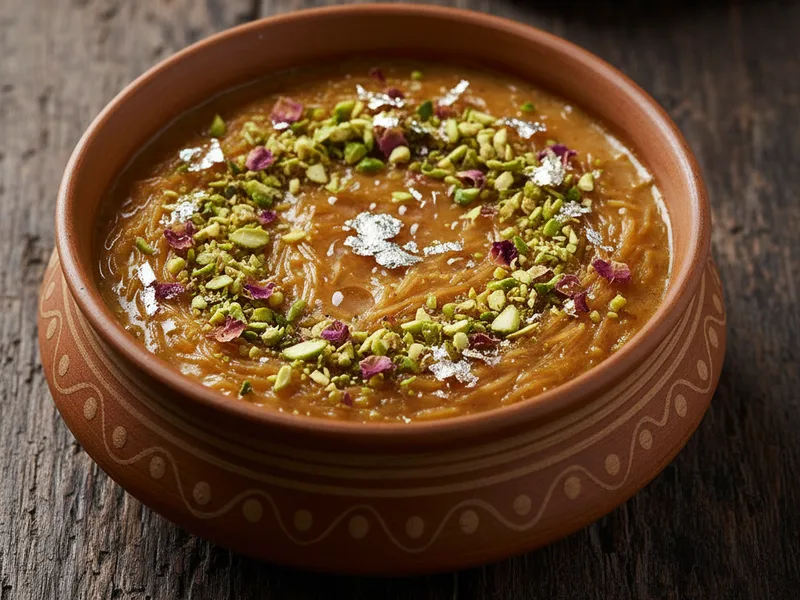
Silky sewaiyan kheer made with roasted vermicelli slow-cooked in full-fat milk, sweetened with sugar and fragrant with cardamom and rose water. A beloved Eid staple that fills every Pakistani home with warmth and celebration. Ready in under an hour and guaranteed to impress.
Badam Kheer (Almond Milk Pudding)
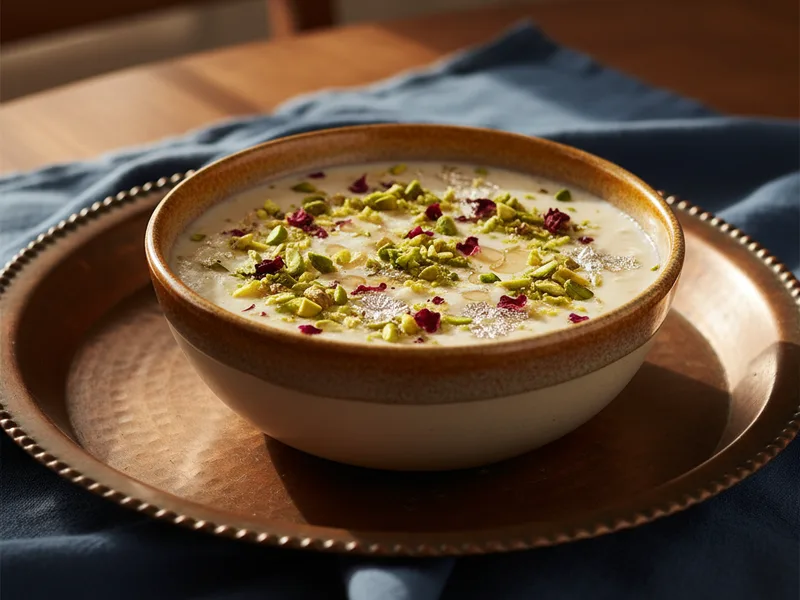
Luxurious badam kheer made with blanched almonds ground into a paste, simmered in full-fat milk with saffron and cardamom for a rich, nutty Pakistani dessert. Thicker than regular kheer and utterly indulgent, this is the dessert you serve when you want to impress.
Chawal Ki Kheer — Sindhi Slow-Cooked Rice Pudding
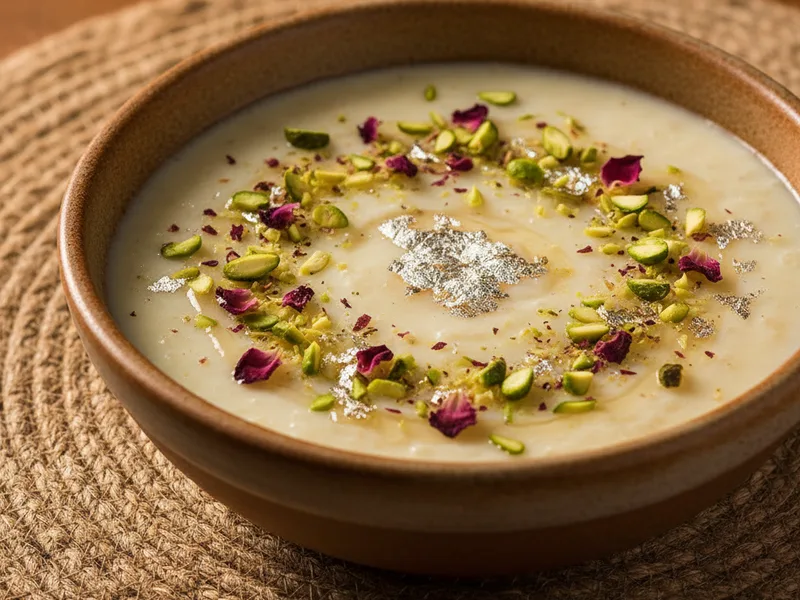
Traditional Sindhi-style chawal ki kheer made by slow-cooking basmati rice in whole milk until the grains dissolve and the pudding turns thick and creamy. Scented with cardamom and rose water, this is the patient cook's reward — simple ingredients, extraordinary results.
What Cooks Are Saying
Solid recipe. Added a bit more ginger than suggested and it was excellent.
The instructions are so clear and easy to follow. Came out perfectly first try.
Leave a Review
Tried this recipe? Share your experience — your review helps other cooks.