
Punjab cuisine
Shahi Chicken Korma
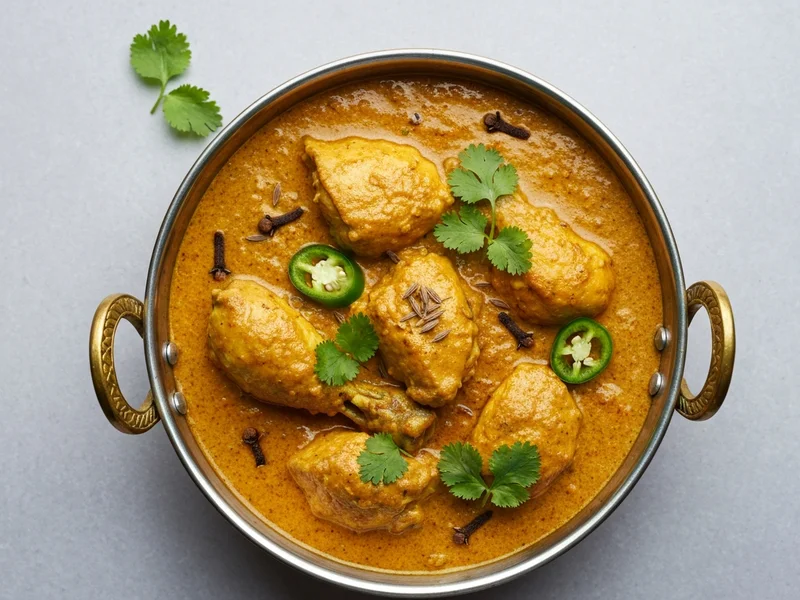
Shahi Chicken Korma is a traditional Punjab Pakistani dish. Shahi Chicken Korma is the crown jewel of Pakistani wedding food — rich, creamy, fragrant with whole spices, and built on a base of fried onions and whisked yoghurt. 'Shahi' means royal, and this curry earns the title.
If biryani is the king of Pakistani cuisine, korma is the dignified queen sitting next to it at every wedding, shaadi, and aqeeqah you've ever attended.
The hallmark of a proper korma is its sauce: pale golden, silky-smooth, thick enough to coat the back of a chamcha (ladle), with a fragrance of whole spices and rose water that hits you before the plate even reaches the table. Unlike most Pakistani curries, korma is mild rather than fiery — it relies on layered aromatics rather than chilli heat. It's the curry that converts people who claim they 'don't like spicy food' into full converts.
Ingredients
Instructions
- FRY THE ONIONS (BARISTA): Heat ghee in a deep degh (heavy-bottomed pot) over medium-high heat. Add sliced onions and fry, stirring occasionally, for 20–25 minutes until they turn deep golden-brown — the colour of caramel, not gold. This is not a step you can rush. HINT: The onions will look alarmingly dark right before they're done — this is correct. If they're light golden, the korma will taste bland. If they've turned black and smell burnt, start over. Remove with a slotted spoon and spread on a paper towel to drain and crisp. Reserve the ghee in the pot.
- BLOOM THE SPICES: Return the pot with the reserved ghee to medium heat. Add all the kharay masalay (whole spices). They should sizzle immediately on contact — if they don't, the oil isn't hot enough. Cook for 60 seconds, stirring, until the elaichi (cardamom) puffs slightly and the laung (cloves) begin to uncurl. WHY: This step 'blooms' the spices — heat releases their fat-soluble flavour compounds into the oil, which then carries that flavour throughout the entire dish. The kitchen should smell like a Mughal garden right now.
- ADD GINGER-GARLIC AND CHICKEN: Add the adrak-lehsan (ginger-garlic) paste to the spiced ghee. It will spit aggressively — normal. Fry for 2 minutes, stirring constantly, until the raw smell disappears and it turns light golden. Add the chicken pieces and salt. Turn the heat to high and cook, stirring, until the chicken is sealed on all sides — about 5–7 minutes. The skin should have some colour and the chicken should no longer look pink on the outside. HINT: Don't skip the searing. It locks in moisture and adds colour to the sauce.
- MAKE THE BARISTA PASTE: Crush the fried onions — you can use a mortar and pestle, a blender with a splash of water, or just squeeze them in your hand. They should form a coarse, fragrant paste. Add this to the chicken along with the ground coriander and cumin. Stir everything together over medium heat for 3–4 minutes until the masala coats the chicken. The pot should smell intensely aromatic — layers of onion sweetness, spice, and caramelised garlic.
- ADD THE YOGHURT: Reduce heat to low. Whisk the dahi (yoghurt) until completely smooth — no lumps. Add it to the pot one spoonful at a time, stirring continuously. WHY: Adding cold or lumpy yoghurt all at once causes it to curdle and split, leaving you with a grainy, separated sauce. Go slowly, keep stirring, keep the heat low. Once all the yoghurt is incorporated, raise the heat to medium. Cook, stirring frequently, for 10–12 minutes until the oil separates and floats to the top — this is the 'masala is cooked' signal. HINT: You'll see ghee puddles forming around the edges. That's perfect.
- ADD THE ALMOND PASTE AND WATER: Stir in the badam (almond) paste — it will immediately thicken the sauce. Add 1/2 cup warm water, stir well. Cover the pot and cook on low heat for 20–25 minutes, until the chicken is cooked through and the sauce has deepened to a beautiful golden colour. HINT: Check that the chicken is cooked by piercing the thickest piece — the juices should run clear. The sauce should be thick enough to coat the back of a spoon — if it's too thin, cook uncovered for 5 more minutes.
- FINISH WITH ROSE WATER: Remove from heat. Add the gulab jal (rose water) and kewra water. Stir gently. Replace the lid and let the korma rest for 5 minutes — this allows the floral aromatics to perfume the entire dish without evaporating. FUN FACT: Rose water and kewra (screwpine) water were both Mughal royal additions — the Mughals were obsessed with flowers in their cooking, their gardens, and their poetry. Taste and adjust salt. The korma should be fragrant, rich, and gently creamy — not fiery.
Chef's Secrets
- Marinate the chicken in yoghurt, ginger-garlic paste, and a pinch of salt for 2 hours (or overnight) before cooking — the meat becomes noticeably more tender and the sauce picks up extra depth.
- Korma always tastes better the next day. The spices mellow and deepen overnight. Make it a day ahead and gently reheat.
- For an even richer korma, soak 2 tablespoons of khashkhash (white poppy seeds) in warm water for 30 minutes, blend into a paste, and add it along with the almond paste.
- If your sauce has curdled (yoghurt split), don't panic: blend everything smooth with an immersion blender. The flavour is still there — the texture will recover.
- For a party, double the recipe but keep the ghee quantity the same — you don't need twice the fat when scaling up.
Common Questions
How long does Shahi Chicken Korma take to make?
Total time is 1h 40m — 30m prep and 1h 10m cooking.
How many servings does this recipe make?
This recipe makes 5 servings, and is rated medium difficulty.
Which region of Pakistan is Shahi Chicken Korma from?
Shahi Chicken Korma is from Punjab, Pakistan — one of the country's most distinctive culinary traditions.
What do you serve with Shahi Chicken Korma?
Serve with naan or basmati chawal (rice). At weddings it's traditionally served alongside zarda (sweet rice) — the contrast of the savoury korma and sweet rice is deliberate and delicious. Garnish with a few whole blanched almonds and a sprinkle of kewra-soaked kesar (saffron).
Goes Well With
Simple Chicken Korma
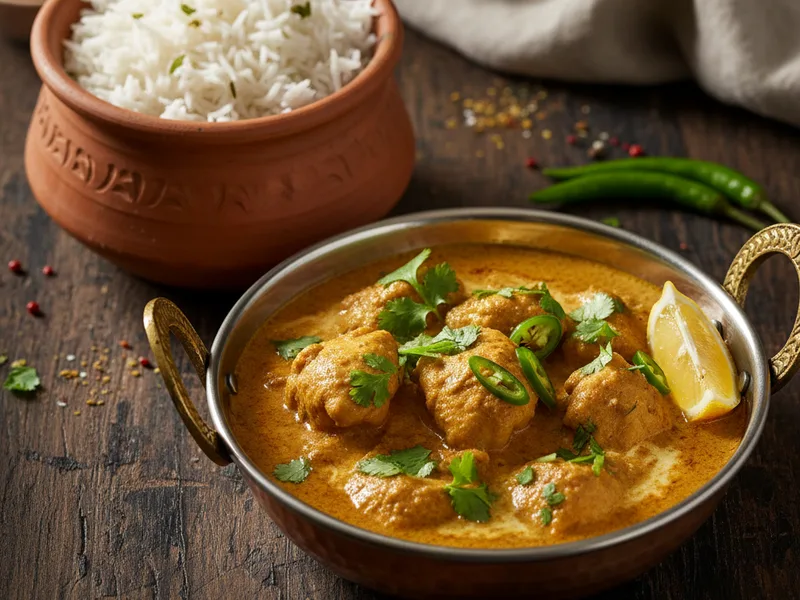
A beginner-friendly Punjabi chicken korma with a creamy yogurt-based gravy, warming whole spices, and that signature korma golden colour. Rich enough for a dinner party, simple enough for a Tuesday.
Beef Korma Dawat
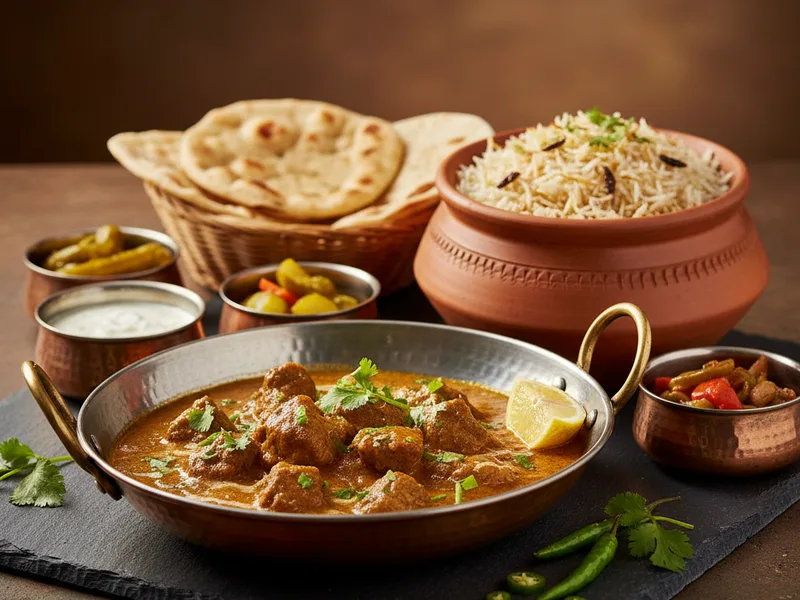
South Punjab's grand dawat (banquet) beef korma — deeply spiced, richly finished with nut paste, and bearing the generous character of Multani hospitality. This is the curry you make when you want to impress.
Safed Korma Mughal
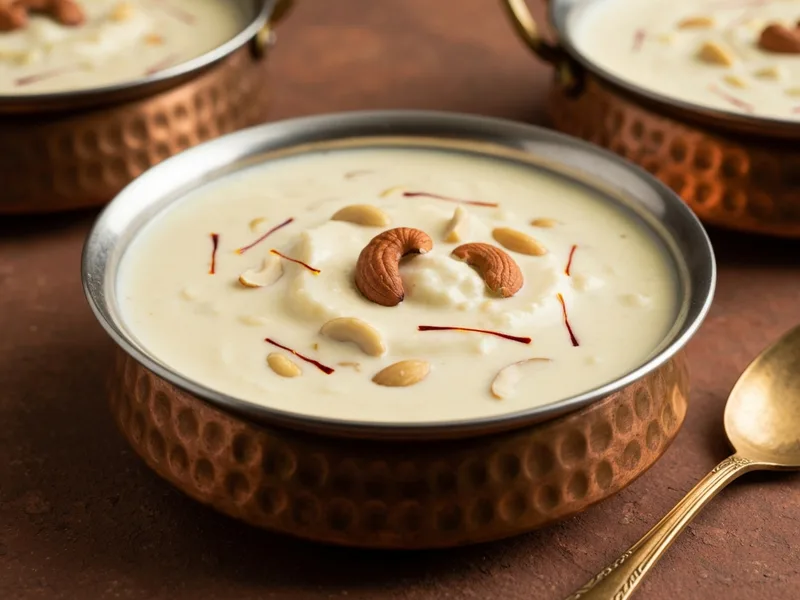
The regal white korma of the Mughal tradition — pale, aromatic, and finished with cream, cashew paste, and white pepper. No red chilli, no turmeric. Just elegance in a pot.
What Cooks Are Saying
Decent recipe but needed more seasoning to my taste. Good starting point though.
Made this last weekend and the whole family loved it. Will definitely make again.
Leave a Review
Tried this recipe? Share your experience — your review helps other cooks.