
Punjab cuisine
Kulcha
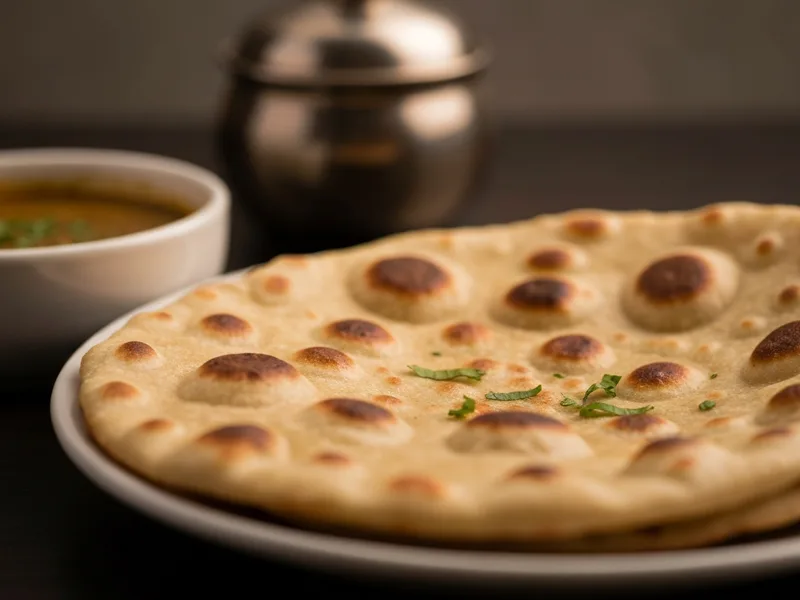
Kulcha is a traditional Punjab Pakistani dish. Kulcha is Lahore's beloved leavened flatbread — softer than naan, richer in fat, and baked on the floor of the tandoor where it develops a flat base and an irresistibly puffy top. Whether you eat it plain with just a slick of butter or stuffed with spiced potato or paneer, it is the kind of bread that ruins all other bread for you.
Kulcha has been feeding Lahore for centuries, but its modern avatar — soft, pillowy, stuffed with fillings — belongs to the street-food culture that exploded in Pakistan after Partition.
Lahori kulcha-chole — the combination of white kulcha with spiced chickpeas — is considered one of the definitive street breakfasts of Lahore and has been eaten in this combination for at least 150 years. The most famous kulcha in the world is arguably sold in the Anarkali Bazaar area of Lahore, where bakers have been firing their tandoors since before anyone can remember. Unlike naan, which is slapped onto the sloped inner walls of the tandoor, kulcha is baked on the flat floor — this is why it has a distinctive flat bottom and a dramatically rounded, blistered top. The richer dough (more fat, more yogurt) gives kulcha a softer, slightly cakier crumb that works perfectly for stuffed versions.
Ingredients
Instructions
- ACTIVATE YEAST: Mix lukewarm water, sugar, and yeast in a small bowl. Leave 8–10 minutes until frothy. The mixture should bubble up noticeably. WHY: Kulcha dough uses both milk and yogurt for enrichment — more fat and acid than a plain naan — so a healthy yeast start is important to get a proper rise.
- MAKE THE DOUGH: In a large paraat, combine flour and salt. Add the yeast mixture, dahi, milk, and oil. Mix to form a soft dough — it should be softer and richer-feeling than naan dough. If it feels stiff, add a tablespoon of water at a time. Turn out and knead for 8 minutes until very smooth. HINT: The dough is ready when it feels almost like a very smooth earlobe — soft, pliant, elastic. If it feels like a dry clay ball, it needs more liquid.
- RISE: Oil a bowl, add the dough, cover with a damp cloth, and leave in a warm spot for 1–1.5 hours until doubled. FUN FACT: The word 'kulcha' comes from the Persian 'kul-cha' — meaning 'little round thing' — which is technically what the dough balls look like before you roll them. Persian influence runs deep in Lahori food culture.
- MAKE THE ALOO FILLING: While the dough rises, combine the mashed potatoes, chopped onion, fresh coriander, green chillies, carom seeds, salt, and red chilli powder in a bowl. Mix well with your hands until it comes together into a coherent mixture. Taste it — the filling should be well-seasoned, slightly spicy, fragrant with carom. HINT: The filling should be dry enough to hold its shape when you make a ball — if the mashed potato is too wet and sloppy, spread it on a tawa briefly over medium heat and stir until drier.
- PREHEAT: Set your oven to maximum temperature with a heavy baking tray or cast iron pan on the top rack. Heat for 30 minutes minimum. For a stovetop version, heat a heavy tawa (griddle pan) over high heat until a drop of water dances and evaporates in 2 seconds.
- STUFF AND SHAPE: Punch down the dough and divide into 6 balls. On a floured chakla, roll one ball into a 15cm disc. Place a generous ball of filling (about 3–4 tablespoons) in the centre. Bring the dough up around the filling, pinch firmly to seal, press the sealed side down. Now gently roll the stuffed ball out into a thick oval or round about 18–20cm across and about 1–1.5cm thick. HINT: Kulcha is thicker and rounder than naan — don't try to make it too thin or the filling will poke through.
- BAKE: Transfer to the hot baking tray and bake on the top rack for 5–7 minutes until the top is golden and blistered, and the underside is flat and cooked through. For the stovetop method: lay the kulcha on the hot tawa, cover with a lid, cook 3–4 minutes on medium-high until the bottom is golden, then flip (carefully) and cook another 2–3 minutes. WHY: The lid traps steam which helps cook the interior, while the hot tawa gives the flat base its characteristic slight crispness.
- BUTTER AND SERVE: Brush hot kulchas with butter immediately. Stack them, butter-side up, and cover with a clean cloth to keep warm while you cook the rest. Eat as fast as possible — kulcha is its best self when still warm.
Essential for This Recipe
As an Amazon Associate, we earn from qualifying purchases
Yogurt Culture/Starter
Make fresh yogurt for raitas and marinades at home — authentic and cheaper than store-bought
Coriander Powder (Dhania)
Citrusy and warm, essential for curry bases and curries throughout Pakistan
Carom Seeds (Ajwain)
Thyme-like and peppery — lifts parathas, pakoras, and breads with authentic Pakistani spice
Kashmiri Red Chilli Powder
Adds deep red color with mild heat — essential for authentic karahi, biryani, and nihari without overwhelming heat
Chef's Secrets
- For plain butter kulcha, skip the filling entirely and bake as directed — simpler but just as satisfying.
- If making paneer kulcha, crumble 150g paneer and mix with the same spices as the potato filling — cook the same way.
- Brush a little water on top of the kulcha just before baking for extra colour and shine.
- The real Anarkali secret: a tiny pinch of amchur (dry mango powder) in the aloo filling adds tartness that cuts through the richness. Add ¼ tsp.
Common Questions
How long does Kulcha take to make?
Total time is 1h 5m — 30m prep and 35m cooking.
How many servings does this recipe make?
This recipe makes 6 servings, and is rated medium difficulty.
Which region of Pakistan is Kulcha from?
Kulcha is from Punjab, Pakistan — one of the country's most distinctive culinary traditions.
What do you serve with Kulcha?
Serve hot with chana (chickpea curry), a dollop of plain dahi (yogurt), sliced onion, and green chutney. For the pure Lahori experience, add a smear of white butter and a sprinkle of chopped fresh coriander.
Goes Well With
Butter Naan (Home Tawa Method)
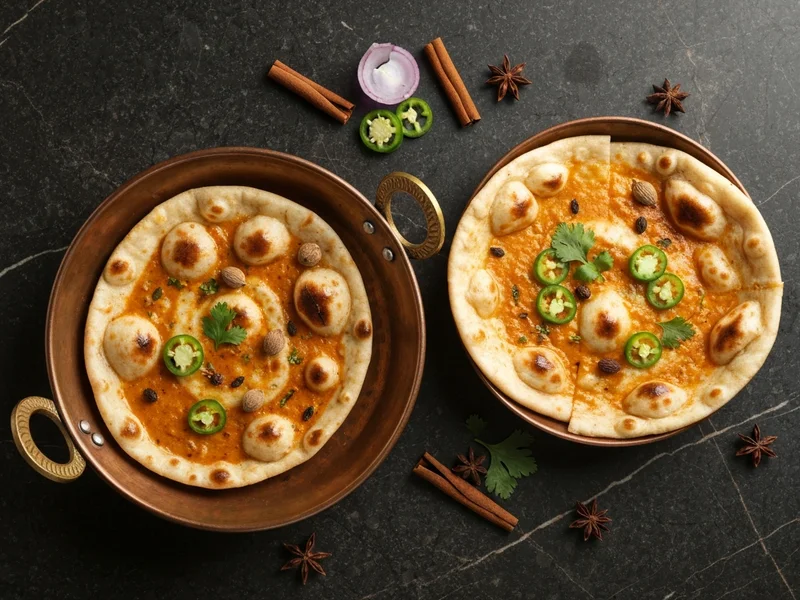
Soft, pillowy butter naan made at home on a tawa (flat griddle) — no tandoor required. Brushed with makhan (butter) the moment it comes off the heat, this leavened flatbread is the perfect vehicle for any Pakistani curry.
Roghni Naan
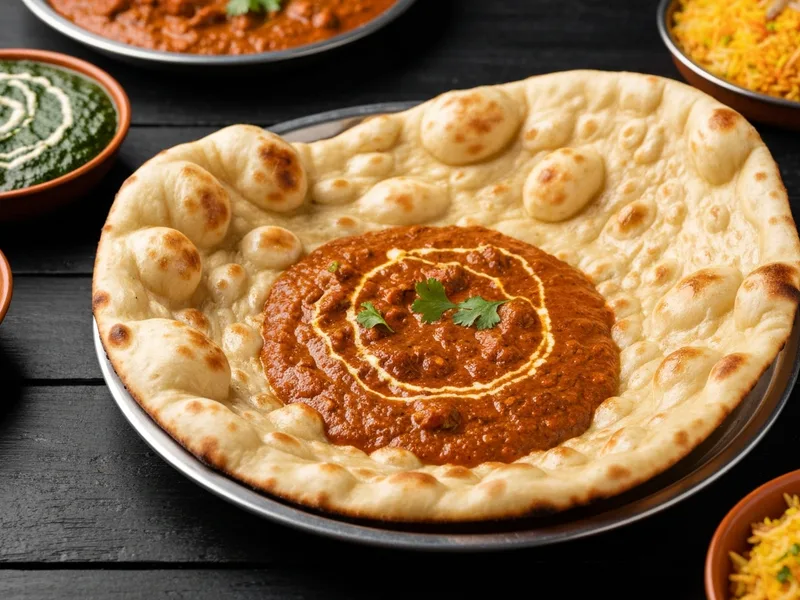
Roghni Naan is the Rolls-Royce of Pakistani bread — leavened, egg-enriched, oil-glossed, and studded with sesame and nigella seeds, baked until golden and billowy. It is the bread that makes any meal feel like a celebration, and once you've baked your own, the bakery version will never quite measure up.
Garlic Naan
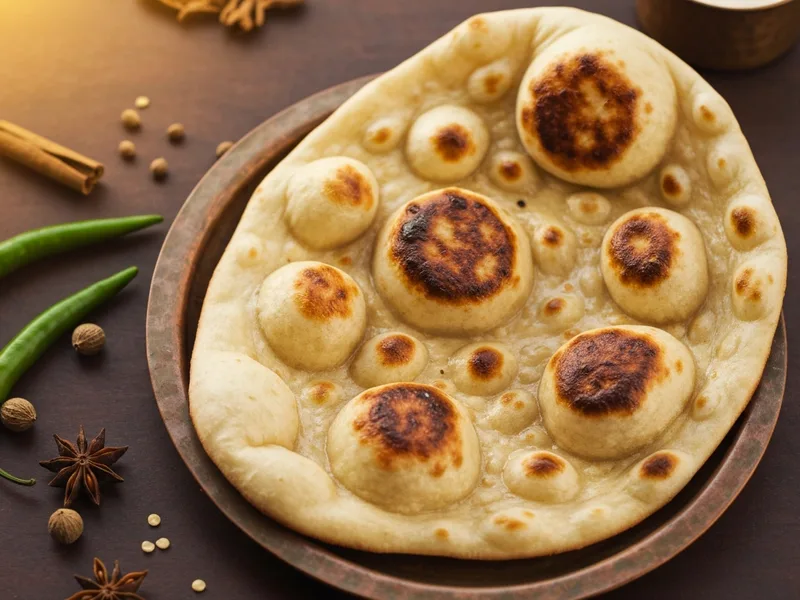
Garlic Naan takes everything great about a classic leavened naan and then — at the very last second — hits it with raw garlic butter and fresh coriander that cook against the bread's scorching heat. It is aggressively good, impossible to stop eating, and ready in under 10 minutes of baking.
Cite This Recipe
Writing about Pakistani food? Use these ready-made citations.
<a href="https://pakistani.recipes/recipes/garlic-naan/garlic-naan/">Garlic Naan</a> — Pakistani Recipes
Ahmed Khan. "Garlic Naan." Pakistani Recipes, 2024. https://pakistani.recipes/recipes/garlic-naan/garlic-naan/
Ahmed Khan. (2024). Garlic Naan. Pakistani Recipes. Retrieved 2026-07-20, from https://pakistani.recipes/recipes/garlic-naan/garlic-naan/
What Cooks Are Saying
The instructions are so clear and easy to follow. Came out perfectly first try.