

Punjab cuisine
Kulfi
Kulfi is a traditional Punjab Pakistani dish. The original South Asian ice cream — denser, richer, and more intensely flavoured than anything you'll find in a tub. Made from full-fat milk slowly reduced to one-third its volume, sweetened and perfumed with cardamom and pistachios, then frozen solid in conical moulds. A single kulfi contains the concentrated goodness of three glasses of milk.
Kulfi is older than modern ice cream by several centuries — it was being made in the Mughal courts as far back as the 16th century, long before refrigeration existed.
It was developed in the Mughal royal kitchens of Delhi in the 16th century — snow was brought down from the Himalayas and mixed with condensed, spiced milk. Unlike ice cream, kulfi is never churned, which gives it its characteristically dense, creamy texture. Street vendors (kulfiwallas) packed kulfi moulds into clay pots filled with ice and salt, carrying them through city streets on their heads. The secret to kulfi's superior richness compared to ice cream is the milk reduction — by cooking the milk down to one-third its volume, you're concentrating all the natural milk fat and proteins into a dense, intensely flavoured base. This process cannot be shortcut. The slow simmer is what makes kulfi, kulfi. In Pakistan, the classic flavour is malai (cream) kulfi with pistachios, though mango and rose variations are equally beloved.
Ingredients
Instructions
- REDUCE THE MILK — THE HEART OF KULFI: Pour all 1.5 litres of full-fat milk into a wide, heavy-bottomed degh (heavy-bottomed pot) or karahi (wok). A wide pan is better than a deep pot because the larger surface area allows steam to escape faster, speeding up evaporation. Bring the milk to a boil on medium-high heat, stirring continuously with a chamcha to prevent it from boiling over. WHY: Milk boils over with zero warning — one moment it's fine, the next it's a volcanic eruption. Never leave the pot unattended during the initial boiling phase. Once boiling, reduce the heat to medium-low. FUN FACT: You will simmer this milk for 60-75 minutes. Not a typo. The reduction is the recipe. There is no shortcut that produces the same result.
- STIR AND SCRAPE AS IT REDUCES: During the reduction, stir every 4-5 minutes and scrape the malai (cream layer) that forms on the sides and bottom back into the milk. This malai is flavour and fat — you want it back in the pot, not stuck to the sides. The milk will gradually turn from white to slightly ivory/cream-coloured, and will begin to smell intensely milky and sweet as the natural sugars concentrate. After about 45 minutes, stir more frequently (every 2-3 minutes) as the risk of scorching increases as the liquid reduces. HINT: If you notice dark specks forming on the bottom when you stir, the heat is too high. Lower it immediately and keep stirring.
- TEST THE REDUCTION: After 60-75 minutes, check whether the milk has reduced to approximately one-third of its original volume (1.5 litres should become roughly 500ml). It should look noticeably thicker — like a thin custard or heavy cream. Dip a spoon in: the milk should coat the spoon and flow slowly off it rather than running off like water. The colour should be ivory to light cream. This is your kulfi base. If it hasn't reduced enough, keep going — don't rush it.
- ADD FLAVOURINGS: Remove from heat briefly. If using cornflour, mix 1 tablespoon cornflour with 2 tablespoons cold milk until smooth, then stir this into the hot reduced milk. Return to low heat and stir for 2-3 minutes — this helps bind the mixture and reduce ice crystal formation when frozen. Now add: sugar (stir until completely dissolved), saffron milk, crushed cardamom seeds, kewra, and Olper's cream. Stir everything together. Taste and adjust sweetness. FUN FACT: Because kulfi is served frozen, it needs to taste slightly sweeter than you'd want in a warm drink — the cold numbs your taste receptors and makes things taste less sweet. If it seems too sweet now, it'll taste just right frozen.
- ADD NUTS AND COOL: Stir in the coarsely chopped pista and badam. Let the mixture cool completely to room temperature — about 30-45 minutes. HINT: Do not pour hot kulfi mix into moulds — the thermal shock can crack plastic or metal moulds, and the mix will also be too liquid to set properly around any air pockets. Stir occasionally as it cools to prevent a skin forming on the surface.
- POUR INTO MOULDS: Once completely cooled, pour the kulfi mixture into kulfi moulds (conical metal or plastic kulfi moulds available at any kitchen shop or online). Alternatively, use small plastic cups or an ice tray. Fill each mould about 90% full — the mixture expands very slightly as it freezes. If using traditional moulds with a lid, seal them. If using cups, cover tightly with plastic wrap, pressing it directly onto the surface of the liquid to prevent ice crystals. Insert a lollipop stick or wooden skewer through the plastic wrap if desired for easy unmoulding.
- FREEZE: Place the moulds in the freezer and freeze for a minimum of 6 hours. Overnight is ideal — 8 hours gives a firmer, better-set kulfi. WHY: Unlike ice cream (which is churned to incorporate air and has a soft texture), kulfi is frozen solid without churning. This is why it's dense and compact. The density is the point — each bite is intensely flavoured. Do not be tempted to check it early. Just let it freeze.
- UNMOULD AND SERVE: To unmould, dip each mould briefly in a bowl of warm water for 5-10 seconds. Then turn it upside down and slide/push the kulfi out onto a plate. It should release cleanly. If it doesn't, dip in warm water for another 5 seconds. Garnish with sliced pista on top. Serve immediately — kulfi melts faster than ice cream because the dense milk solids are less insulating. FUN FACT: Street kulfiwallas in Lahore still wrap kulfi in newspaper before handing it to you — the newspaper acts as insulation and slows down melting. A clever old trick.
Essential for This Recipe
As an Amazon Associate, we earn from qualifying purchases
Green Cardamom Pods (Elaichi)
The fragrant heart of biryanis, pulaos, chai, and desserts — use whole pods for best flavor
Saffron Threads (Zafran)
The luxury spice for biryanis, zarda, kheer, and special occasions — adds golden color and floral elegance
Chef's Secrets
- The only shortcut that doesn't ruin kulfi: use 500ml full-fat milk + 400ml condensed milk (skip added sugar) — reduces simmering time by half while maintaining richness
- Add a pinch of salt to the kulfi base — it enhances sweetness and depth without making it taste salty
- Traditional kulfi is sometimes set in small clay matkas (pots) — if you can find these, use them; they give a unique earthy quality
- For mango kulfi, blend 1 cup Chaunsa mango pulp into the cooled base before freezing
- Kulfi moulds are inexpensive and available at any Pakistani kitchenware shop — they are worth buying for proper conical shapes
Common Questions
How long does Kulfi take to make?
Total time is 1h 40m — 10m prep and 1h 30m cooking.
How many servings does this recipe make?
This recipe makes 8 servings, and is rated medium difficulty.
Which region of Pakistan is Kulfi from?
Kulfi is from Punjab, Pakistan — one of the country's most distinctive culinary traditions.
What do you serve with Kulfi?
Served on its own or with falooda (rose milk vermicelli drink) poured around it. Also traditionally served on a bed of crushed ice with a drizzle of rose syrup. A summer dessert staple at Pakistani weddings and Eid celebrations.
Goes Well With

Kulfi Falooda — Classic Street Style
Street-style kulfi falooda with dense, creamy cardamom-saffron kulfi served alongside chilled falooda sev, rose syrup and soaked basil seeds in cold milk. The ultimate Pakistani frozen dessert experience — richer than ice cream, more complex than a sundae.

Mango Kulfi — Aam Wali Kulfi
Luscious mango kulfi made with Chaunsa or Sindhri mango pulp blended into a condensed milk and cream base — no cooking, no stirring, freeze and serve. Captures peak mango season in every mold and delivers pure Pakistani summer joy.
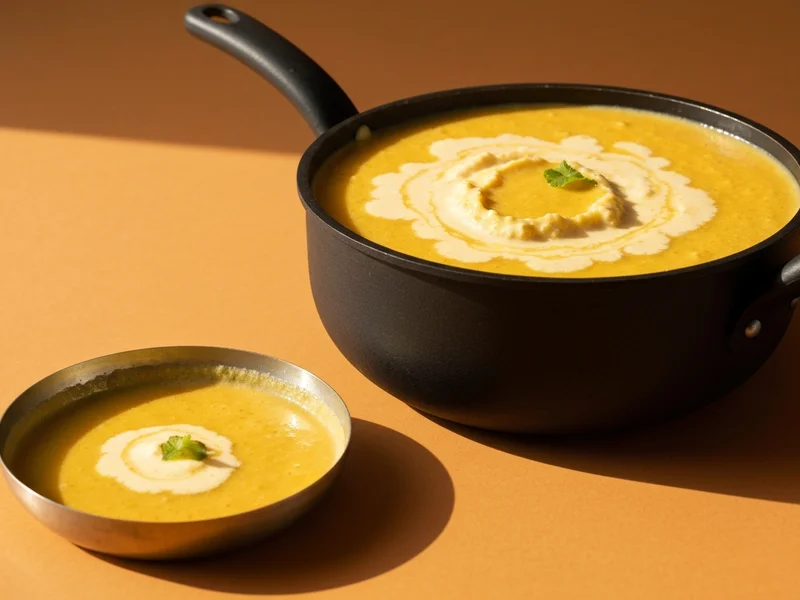
Sheer Khurma
The Eid morning vermicelli pudding — toasted sevaiyan simmered in sweetened milk with dates, pistachios, almonds, and cardamom. No Eid is complete without it.
Cite This Recipe
Writing about Pakistani food? Use these ready-made citations.
<a href="https://pakistani.recipes/recipes/sheer-khurma/sheer-khurma/">Sheer Khurma</a> — Pakistani Recipes
Zainab Tariq. "Sheer Khurma." Pakistani Recipes, 2024. https://pakistani.recipes/recipes/sheer-khurma/sheer-khurma/
Zainab Tariq. (2024). Sheer Khurma. Pakistani Recipes. Retrieved 2026-07-20, from https://pakistani.recipes/recipes/sheer-khurma/sheer-khurma/
What Cooks Are Saying
Made this for Eid and everyone asked for the recipe. Highly recommend.
This recipe is a keeper. Followed it exactly and it turned out perfect.
My husband said it's the best he's ever had. Coming from him that means everything!