

Punjab cuisine
Lahori Chargha
Lahori Chargha is a traditional Punjab Pakistani dish. Lahori Chargha is the crispy, mahogany, deeply spiced whole chicken that rules Lahore's food street scene — and its secret is a two-stage cooking process: first steaming with citric acid (tatri) and spices until completely cooked through, then deep frying until the skin is shatteringly crispy and bronzed. Skip either step and it's just chicken. Do both and it's a celebration.
Chargha has been Lahore's showstopper dish since the days of Food Street on Gawalmandi and the old restaurants of the inner city. The name comes from 'chaar' (four) and 'gha' — referring to the whole bird spread open with all four limbs. What makes Lahori Chargha different from any other whole fried chicken in the world is tatri — citric acid (lemon salt) — which is marinated into the meat and then used during steaming. The tatri tenderises the meat, lightly pickles it, and creates a unique tangy depth that no amount of lemon juice can replicate.
You can find it in any spice shop for almost nothing.
Ingredients
Instructions
- MAKE DEEP CUTS IN THE CHICKEN: Place the whole chicken on a cutting board. Using a sharp knife, make deep cuts all over the chicken — every 1 inch, cut down to the bone. Make especially deep cuts in the breast, thigh, and drumstick — the thickest parts. Also gently loosen the skin over the breast and push some marinade under it later. WHY: The deep cuts allow the marinade to penetrate all the way to the bone, seasoning the meat all the way through rather than just on the surface. Without deep cuts, you get well-seasoned skin on bland chicken — not what we want.
- MAKE THE MARINADE: In a large bowl, combine the tatri (citric acid), salt, red chilli powder, coriander powder, cumin powder, turmeric, garam masala, ginger-garlic paste, yoghurt, and lemon juice. Mix everything together into a thick paste. It should smell sharp, tangy, and spiced — almost a little aggressive. HINT: Taste the marinade (just a tiny bit — it's very concentrated). It should be quite salty and notably tangy from the tatri. If it doesn't taste slightly too salty, add a pinch more salt — remember, this needs to season an entire large chicken.
- MARINATE THE CHICKEN: Rub the marinade all over the chicken — into every cut, under the loosened breast skin, inside the cavity, everywhere. Use your hands and really massage it in, working the marinade into all the cuts you made. Place the chicken in a large zip-lock bag or cover with cling film and refrigerate for at least 4 hours, preferably overnight (8-12 hours). WHY: The citric acid (tatri) in the marinade works as a tenderiser over time, gently breaking down the proteins and making the meat incredibly juicy. The longer it marinates, the more tender and flavourful the result. FUN FACT: Tatri's tenderising effect is similar to the way citric acid works in ceviche — it 'cooks' the surface of the protein slightly over time.
- STEAM THE CHICKEN (STAGE ONE): This is the critical step that most home cooks skip — but it's what makes chargha what it is. Set up a large steamer: either a proper steaming pot, or a large degh (pot) with a steamer basket inside, or even a large pot with a metal colander placed inside, with water below the colander level. Pour 250ml water into the bottom of the steamer. Bring the water to a boil. Place the marinated chicken in the steamer basket or colander, breast side up. Cover tightly with a lid, wrapping it in a kitchen towel if needed to trap all the steam. Steam on high heat for 35-45 minutes. WHY: Steaming fully cooks the chicken through to the bone before it goes anywhere near hot oil. This means the frying step only needs to crisp the outside — not cook the inside. The result is juicy, completely cooked chicken with a crackly fried exterior.
- CHECK THE CHICKEN: After 35-40 minutes of steaming, check doneness. Pierce the thickest part of the thigh with a thin knife — the juices should run completely clear, with no pink at all. If there's any pink, steam for another 10 minutes. The chicken will look slightly pallid and unimpressive at this point — almost boiled-looking. Do not panic. This is normal. The transformation happens in the next step. Let the steamed chicken rest on a rack for 10-15 minutes and pat the surface as dry as possible with kitchen paper. HINT: Drying the surface is very important for safe frying — any excess moisture will cause the hot oil to spit violently.
- DEEP FRY THE CHICKEN (STAGE TWO): Heat 1 litre of oil in a large, deep degh or wok to 180-190°C (355-375°F). If you don't have a thermometer, test by dropping a small piece of bread into the oil — it should sizzle immediately and turn golden in about 30 seconds. VERY CAREFULLY lower the whole chicken into the hot oil using a large slotted spoon or spider strainer — lower it away from you to avoid oil splashing toward you. The oil will sizzle very aggressively. Fry for 8-10 minutes, spooning hot oil over the top of the chicken continuously using a large chamcha. The chicken should turn deep mahogany-brown, almost the colour of dark chocolate. FUN FACT: This 'basting with hot oil' technique (called 'arrosing' in French cooking) is the same technique used in professional kitchens — your grandmother and French chefs are in agreement.
- DRAIN AND SERVE: Remove the chargha from the oil using a large slotted spoon or spider strainer and place it on a wire rack or paper towels to drain for 2-3 minutes. The skin should be deep brown and very, very crispy — it should make a crackling sound when you tap it. If it's not crispy enough, increase the oil temperature and fry for another 2-3 minutes. Transfer to a large serving plate and serve whole or cut into pieces immediately — chargha waits for no one.
Essential for This Recipe
As an Amazon Associate, we earn from qualifying purchases
Kashmiri Red Chilli Powder
Adds deep red color with mild heat — essential for authentic karahi, biryani, and nihari without overwhelming heat
Coriander Powder (Dhania)
Citrusy and warm, essential for curry bases and curries throughout Pakistan
Whole Cumin Seeds (Zeera)
The foundation of tarka (tempering) in dals and curries — adds earthy warmth to every Pakistani dish
Turmeric Powder (Haldi)
The golden spice in every curry, dal, and rice dish — adds color, earthiness, and health benefits
Chef's Secrets
- Tatri (citric acid) is available at every Pakistani spice shop for about Rs. 20-30 per pack. It is the non-negotiable secret ingredient — do not substitute with extra lemon juice, which doesn't have the same tenderising concentration.
- Patting the steamed chicken very dry before frying is critical for both safety (reduces oil splattering) and crispiness (moisture = steam = no crunch).
- If your pot isn't deep enough to fully submerge the whole chicken, fry one half at a time — breast down first for 5-6 minutes, then flip carefully for another 5-6 minutes.
- The oil temperature must be maintained at 180-190°C throughout frying. If it drops below 170°C, the chicken will absorb oil and become greasy. Use a thermometer if possible.
- Chargha is best eaten immediately. It does not keep crispy. Cook it right before serving — this is not a make-ahead dish.
Common Questions
How long does Lahori Chargha take to make?
Total time is 1h 40m — 30m prep and 1h 10m cooking.
How many servings does this recipe make?
This recipe makes 4 servings, and is rated medium difficulty.
Which region of Pakistan is Lahori Chargha from?
Lahori Chargha is from Punjab, Pakistan — one of the country's most distinctive culinary traditions.
What do you serve with Lahori Chargha?
Serve whole on a large plate with a green chutney made from coriander, mint, green chilli, and lemon, sliced raw onions, and lemon wedges. Chargha is traditionally eaten with naan or paratha and a fresh salad of onions and tomatoes. It's the centrepiece dish — make sure the table is set and everyone is seated before it comes out.
Goes Well With
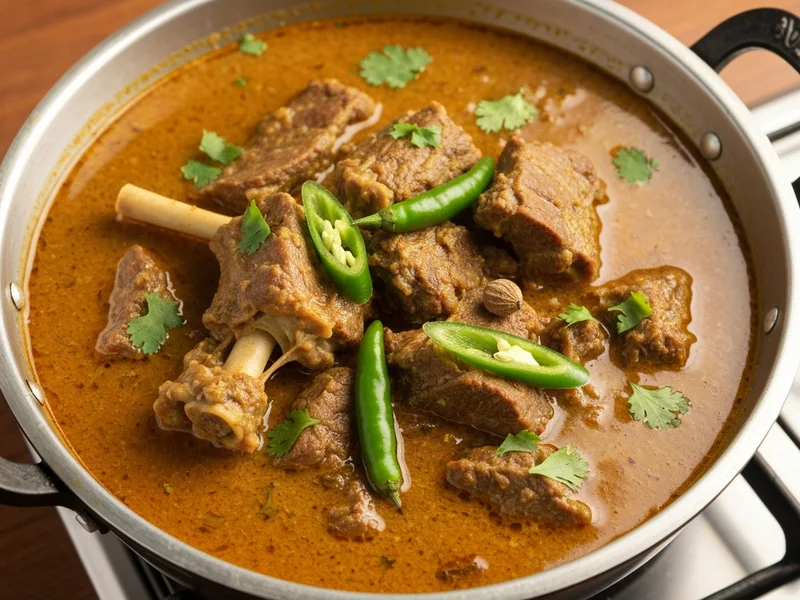
Classic Lahori Nihari
The ultimate slow-cooked breakfast stew — beef shank and bone marrow simmered overnight in a dozen spices. Old Lahore's most legendary dish.
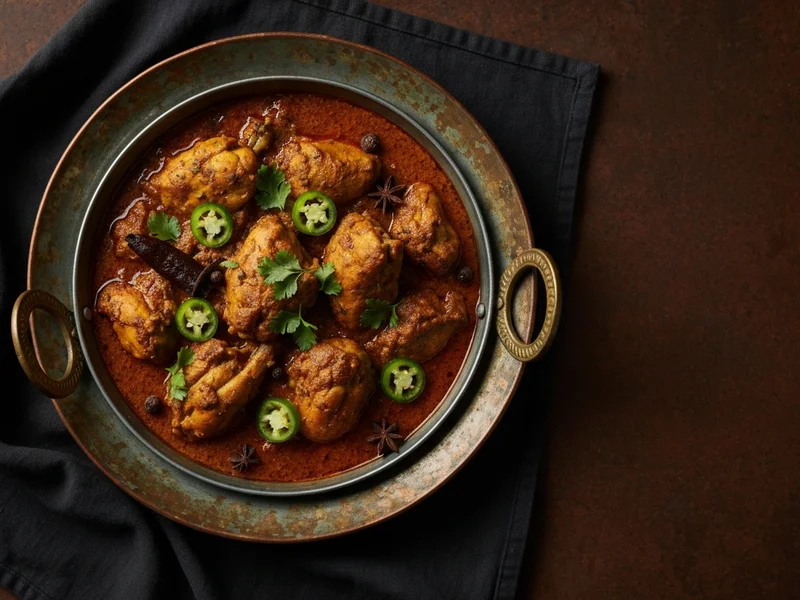
Lahori Chicken Karahi
The quintessential Lahori karahi — chicken pounded with tomatoes, ginger, and green chillies in a wok over roaring heat. No onions, no yoghurt, no shortcuts.
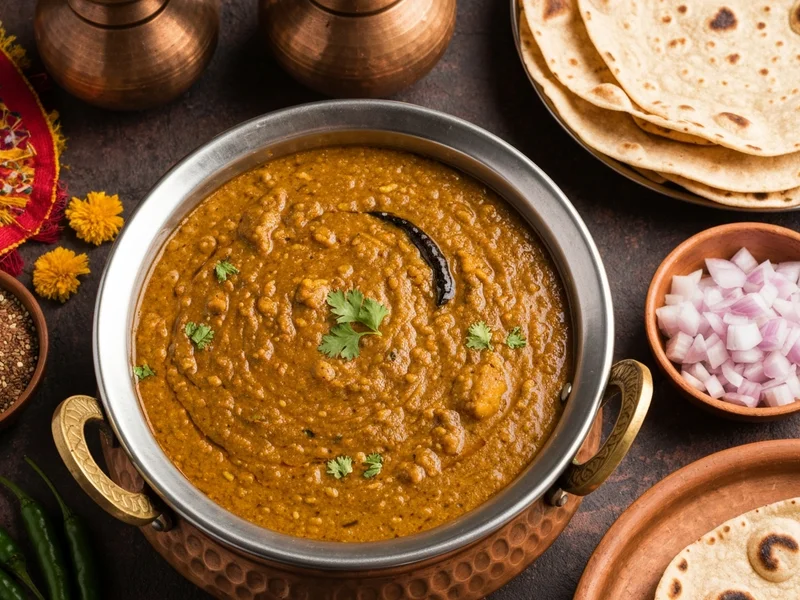
Punjabi Haleem
The Ramadan staple — shredded beef slow-cooked with wheat, barley, and lentils into a thick, silky stew, crowned with fried onions, ginger, lemon, and a drizzle of hot oil.
Cite This Recipe
Writing about Pakistani food? Use these ready-made citations.
<a href="https://pakistani.recipes/recipes/haleem/punjabi-haleem/">Punjabi Haleem</a> — Pakistani Recipes
Ayesha Noor. "Punjabi Haleem." Pakistani Recipes, 2024. https://pakistani.recipes/recipes/haleem/punjabi-haleem/
Ayesha Noor. (2024). Punjabi Haleem. Pakistani Recipes. Retrieved 2026-07-20, from https://pakistani.recipes/recipes/haleem/punjabi-haleem/
What Cooks Are Saying
The instructions are so clear and easy to follow. Came out perfectly first try.
Really good recipe. I reduced the chilli slightly for the kids and it worked perfectly.