
Punjab cuisine
Missi Roti
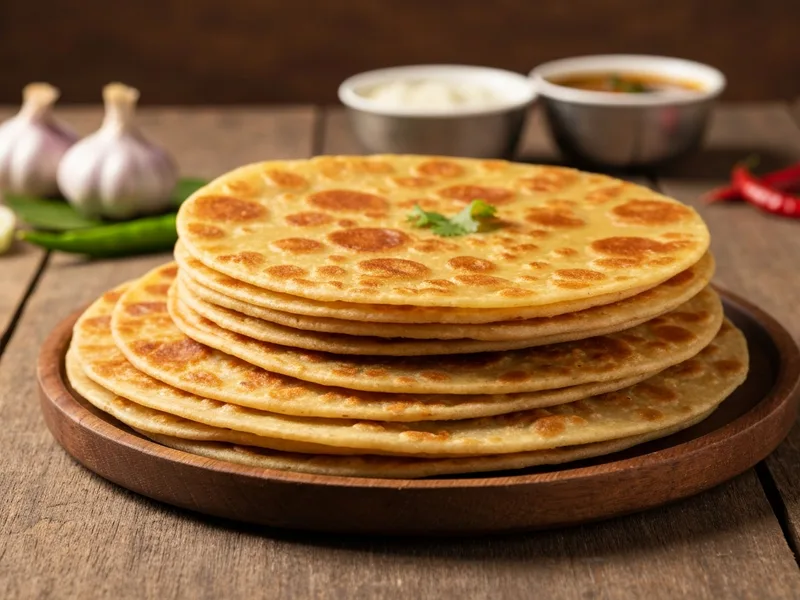
Missi Roti is a traditional Punjab Pakistani dish. Missi Roti is a rustic, spiced flatbread made from a blend of besan (gram flour) and whole wheat atta that's been a Punjabi staple for centuries. It's earthy, slightly nutty, and packed with the fragrance of ajwain and fresh coriander. One bite and you'll understand why dhabas across Punjab sell out by noon.
Missi Roti has roots in rural Punjab, where gram flour was abundant, affordable, and loaded with protein — making it the fuel of farmers and labourers.
It is exceptionally nutritious: chickpea flour adds protein and fibre unavailable in plain wheat bread. Rural Punjabi farmers have eaten missi roti with lassi for centuries. The word 'missi' simply means 'mixed', referring to the blend of flours. This roti is heftier and more flavoursome than a plain chapati, and it pairs magnificently with dollops of white butter and a bowl of lassi. In many Punjabi households, it's a weekend breakfast tradition that doubles as a reason to call the whole family to the table.
Ingredients
Instructions
- MIX THE DRY INGREDIENTS: In a large mixing bowl (paraat or any wide bowl), combine the besan and atta. Add the ajwain, red chilli powder, and salt. Give it a quick mix with your fingers so everything is evenly distributed. WHY: Mixing the dry ingredients first means the spices will be evenly spread throughout the dough — no random pockets of pure chilli powder.
- ADD THE FRESH AROMATICS: Add the finely chopped onion, green chilli, and fresh coriander to the flour mixture. Toss together with your fingers. HINT: The onion releases a little moisture, which will actually help bring the dough together — this is a feature, not a bug. FUN FACT: Besan is about 20% protein, making Missi Roti significantly more nutritious than plain wheat roti. It was basically the ancient protein shake.
- KNEAD THE DOUGH: Add warm water a little at a time — start with 1/2 cup — and bring the dough together. Knead for 4–5 minutes until you have a smooth, firm dough. It should be slightly stiffer than chapati dough. If it's sticky, add a little dry atta. If it's crumbly and won't come together, add a splash more water. WHY: Besan has no gluten, so it relies on the wheat atta to give structure. A firmer dough helps the roti hold together when you roll and flip it. HINT: The dough should feel like firm playdough — not too soft, not rock hard.
- REST THE DOUGH: Cover the dough with a damp cloth or an upturned bowl and let it rest for 15–20 minutes at room temperature. WHY: Resting relaxes the gluten in the wheat atta and lets the moisture distribute evenly, making the dough easier to roll without it springing back at you.
- HEAT THE TAWA: Place your tawa (flat griddle pan) on the stove over medium heat. Let it heat for 2–3 minutes. To test if it's ready, flick a few drops of water onto the surface — they should sizzle and evaporate within 2 seconds. If the tawa isn't hot enough, the roti will stick; if it's too hot, it'll burn before cooking through.
- SHAPE THE ROTI: Divide the dough into 6 equal balls (about the size of a golf ball). Dust your chakla (rolling board) lightly with atta. Take one ball, flatten it slightly between your palms, then use your belan (rolling pin) to roll it into a circle about 6–7 inches in diameter. Missi Roti should be THICKER than a regular chapati — aim for about 4–5mm thick, not paper thin. HINT: If the roti cracks at the edges while rolling, wet your fingertips and press the cracks together. The onion pieces can cause small tears — that's normal. Just patch and press on.
- COOK THE FIRST SIDE: Carefully lift the rolled roti and place it on the hot tawa. Cook on medium heat for about 90 seconds. You'll see the colour start to change from raw beige to a more golden hue, and the surface will begin to look dry and matte (not shiny and raw). Small bubbles may form — this is excellent news. FUN FACT: The besan in missi roti makes it brown faster than plain wheat roti, so keep the heat at medium, not high.
- FLIP AND COOK THE SECOND SIDE: Using a chimta (tongs) or a flat spatula, carefully slide it under the roti and flip it. WHY: Besan-based doughs are more fragile than pure wheat dough. The chimta gives you more control than a spatula when handling a delicate roti. Cook the second side for another 60–90 seconds until golden patches appear. HINT: Press gently on the puffed areas with a folded cloth to encourage even cooking.
- APPLY GHEE AND SERVE: Transfer the roti to a plate and immediately apply a generous knob of ghee while it's hot. The ghee will melt into the surface and make the roti glisteningly beautiful. Smell that? That's the ajwain blooming in the heat, the onion caramelising at the edges, and the ghee doing what ghee does best. Serve immediately — Missi Roti is best eaten hot.
Essential for This Recipe
As an Amazon Associate, we earn from qualifying purchases
Chickpea Flour (Besan)
For pakoras, kadhi, and batters — adds protein and authentic texture to fried snacks
Coriander Powder (Dhania)
Citrusy and warm, essential for curry bases and curries throughout Pakistan
Carom Seeds (Ajwain)
Thyme-like and peppery — lifts parathas, pakoras, and breads with authentic Pakistani spice
Kashmiri Red Chilli Powder
Adds deep red color with mild heat — essential for authentic karahi, biryani, and nihari without overwhelming heat
Chef's Secrets
- Chop the onion as fine as you can — large chunks will cause the roti to crack when rolling.
- If your roti tears when flipping, it's okay. Patch it, press it flat, and carry on. Imperfect rotis taste just as good.
- For extra flavour, add a pinch of haldi (turmeric) and amchur (dry mango powder) to the dough.
- Leftover Missi Roti can be crumbled into warm milk or chai like rustic croutons — a very traditional Punjabi breakfast hack.
Common Questions
How long does Missi Roti take to make?
Total time is 45m — 25m prep and 20m cooking.
How many servings does this recipe make?
This recipe makes 6 servings, and is rated easy difficulty.
Which region of Pakistan is Missi Roti from?
Missi Roti is from Punjab, Pakistan — one of the country's most distinctive culinary traditions.
What do you serve with Missi Roti?
Classically served with white butter (makhan) and lassi for breakfast. Also pairs beautifully with aloo gosht, dal makhani, or a simple raita. Add fresh sliced onion and green chutney on the side for the full dhaba experience.
Goes Well With
Butter Naan (Home Tawa Method)
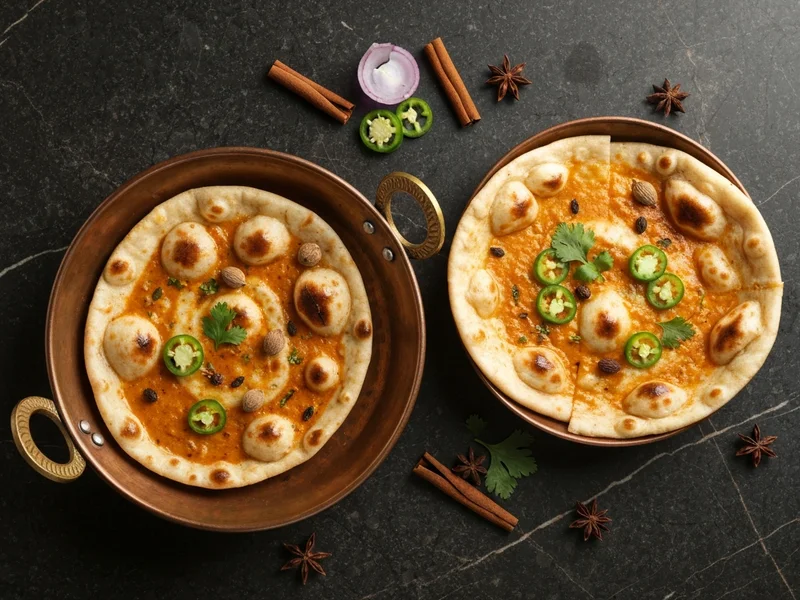
Soft, pillowy butter naan made at home on a tawa (flat griddle) — no tandoor required. Brushed with makhan (butter) the moment it comes off the heat, this leavened flatbread is the perfect vehicle for any Pakistani curry.
Roghni Naan
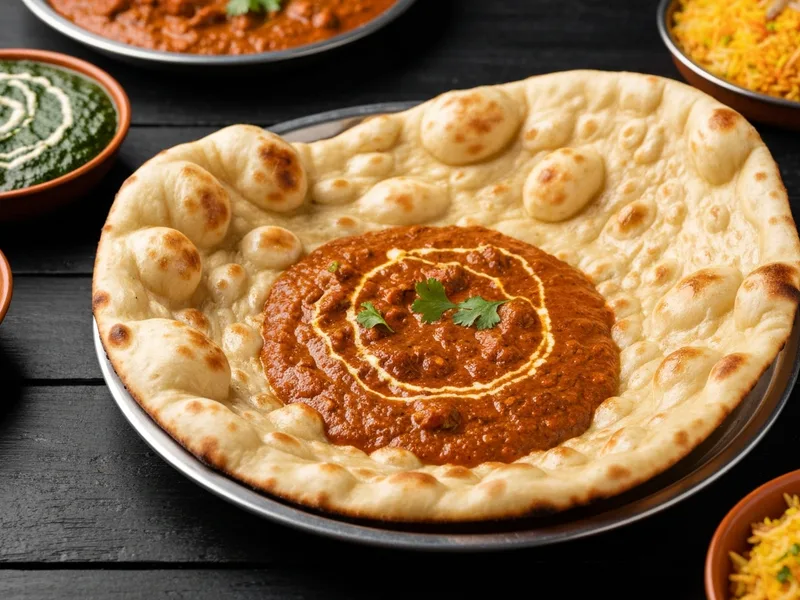
Roghni Naan is the Rolls-Royce of Pakistani bread — leavened, egg-enriched, oil-glossed, and studded with sesame and nigella seeds, baked until golden and billowy. It is the bread that makes any meal feel like a celebration, and once you've baked your own, the bakery version will never quite measure up.
Garlic Naan
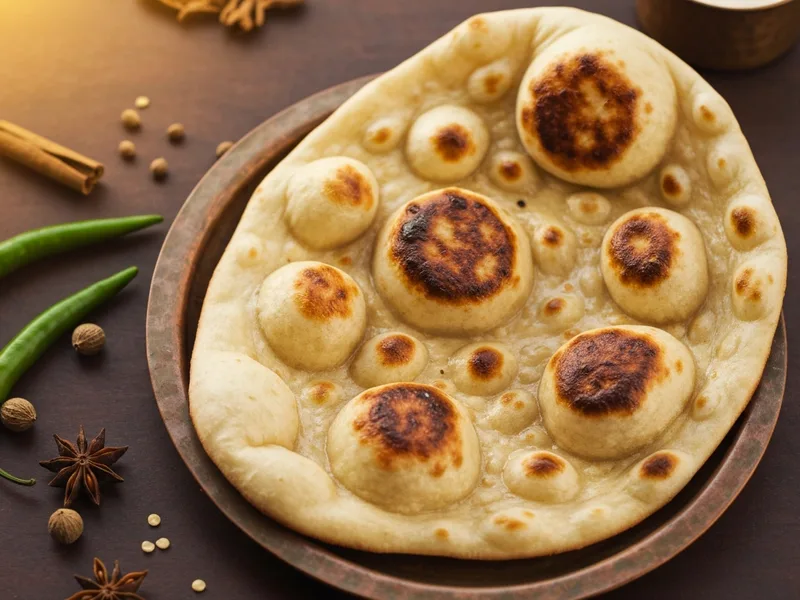
Garlic Naan takes everything great about a classic leavened naan and then — at the very last second — hits it with raw garlic butter and fresh coriander that cook against the bread's scorching heat. It is aggressively good, impossible to stop eating, and ready in under 10 minutes of baking.
Cite This Recipe
Writing about Pakistani food? Use these ready-made citations.
<a href="https://pakistani.recipes/recipes/garlic-naan/garlic-naan/">Garlic Naan</a> — Pakistani Recipes
Ahmed Khan. "Garlic Naan." Pakistani Recipes, 2024. https://pakistani.recipes/recipes/garlic-naan/garlic-naan/
Ahmed Khan. (2024). Garlic Naan. Pakistani Recipes. Retrieved 2026-07-20, from https://pakistani.recipes/recipes/garlic-naan/garlic-naan/
What Cooks Are Saying
The instructions are so clear and easy to follow. Came out perfectly first try.