
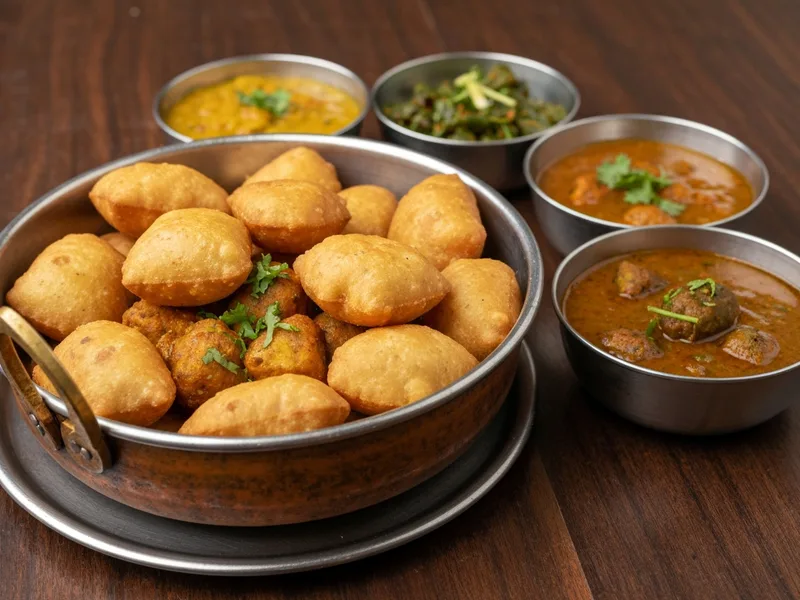
KP cuisine
KP Namkeen Karahi
KP Namkeen Karahi is a traditional KP Pakistani dish. The legendary Peshawari karahi — tender mutton cooked in a minimal masala in a steel karahi, finished with tomatoes, green chillies, and fresh coriander. The dish that tourists queue for in Peshawar.
If you've been to Peshawar or Nowshera and didn't eat namkeen karahi, you owe yourself a trip back.
The Pashtun principle of 'let the meat speak' produced a dish that has become one of the most admired in Pakistani cooking for its confident restraint. The Peshawari karahi is one of Pakistan's most iconic dishes — a steel wok of meat cooked at high heat with minimal seasoning and served sizzling at the table. It's namkeen gosht in spirit — salt, pepper, and the essential flavour of the meat — but the karahi technique gives it a char and intensity that pot-cooked versions lack. Fun fact: Peshawar's Karahi Gulzar (a famous karahi restaurant) reportedly serves thousands of karahis per day on weekends, with entire extended families showing up for their reservation of one or two giant karahis shared family-style. The karahi is both the cooking vessel and the serving dish — what arrives at your table is what was cooked, still sizzling. This recipe replicates that magic at home. You'll need a proper steel karahi (available at any Pakistani kitchen shop) and a good gas flame — the high heat is what makes this work.
Ingredients
Instructions
- HEAT THE KARAHI PROPERLY: Place a steel karahi or heavy-bottomed wide pan over high heat and heat the ghee until it's very hot — almost smoking. The karahi temperature is the foundation of Peshawari karahi cooking. A properly heated karahi will sear the meat immediately, creating the char that defines the dish. HINT: If you have a gas stove, use the largest burner on maximum. If you only have electric, heat the karahi on high for 4-5 minutes before adding the ghee.
- SEAR THE MEAT WITH SPICES: Add zeera seeds to the hot ghee — they'll sizzle and pop immediately. Add roughly smashed lehsan cloves and thickly sliced adrak. Stir 30 seconds. Add mutton pieces. Sprinkle salt and cracked kali mirch over the meat immediately. Bhuno on high heat for 10-12 minutes, turning pieces frequently to get colour on all sides. The meat should have visible colour — not grey, but golden-brown in patches. HINT: This initial high-heat searing is what gives Peshawari karahi its characteristic slight char and depth. Don't reduce the heat.
- ADD WATER AND SLOW COOK: Once meat is well-coloured, add 1 cup hot water to the karahi. Reduce heat to medium-low, cover loosely, and cook for 50-60 minutes until mutton is very tender. Check every 15 minutes and add small amounts of hot water if the liquid evaporates completely before the meat is tender. HINT: The test for readiness is a fork — it should slide into the meat with almost no resistance. If there's firmness, keep cooking.
- THE PESHAWARI HIGH-HEAT FINISH: Once meat is tender, turn heat to the maximum. Add the chopped tamatar and slit hari mirch to the karahi. Bhuno everything on high heat for 8-10 minutes, stirring and pressing the tomatoes against the hot karahi to break them down rapidly. The goal is to cook off all remaining liquid and get the meat and tomatoes slightly caramelised and sizzling in ghee. HINT: This final high-heat step is what Peshawari karahi cooks call the 'real cooking' — everything before was just getting the meat tender. The char and sizzle at the end is the character.
- LOAD UP THE GARNISH: Remove from heat. Immediately pile a very generous amount of fresh hara dhania into the karahi. Add julienned ginger strips. Stir once to mix some of the garnish into the meat — the residual heat will wilt the coriander slightly, releasing its fragrance.
- SERVE IN THE KARAHI — NEVER TRANSFER: Bring the karahi directly to the table on a wooden board or cloth. Do not transfer to another serving dish. The karahi is the vessel and the theatre simultaneously. Place additional fresh coriander, slit green chillies, and lemon wedges around the karahi for guests to add themselves. The Peshawari way is communal eating — everyone reaches in with their naan and scoops directly from the karahi.
Chef's Secrets
- Never transfer Peshawari karahi to another serving dish — part of the experience is the sizzle and the karahi itself.
- The tomatoes are added late and partially cooked — they should still have some texture, not dissolved into the oil.
- A steel karahi conducts heat better than non-stick — invest in a proper karahi for authentic results.
- The generous fresh coriander is not a garnish, it's an ingredient — don't hold back.
Common Questions
How long does KP Namkeen Karahi take to make?
Total time is 1h 30m — 10m prep and 1h 20m cooking.
How many servings does this recipe make?
This recipe makes 4 servings, and is rated easy difficulty.
Which region of Pakistan is KP Namkeen Karahi from?
KP Namkeen Karahi is from KP, Pakistan — one of the country's most distinctive culinary traditions.
What do you serve with KP Namkeen Karahi?
Served in the karahi at the table with fresh naan. Traditional accompaniments: raw sliced onion with lemon juice, fresh green chillies, and nothing else. The simplicity is the point.
Goes Well With
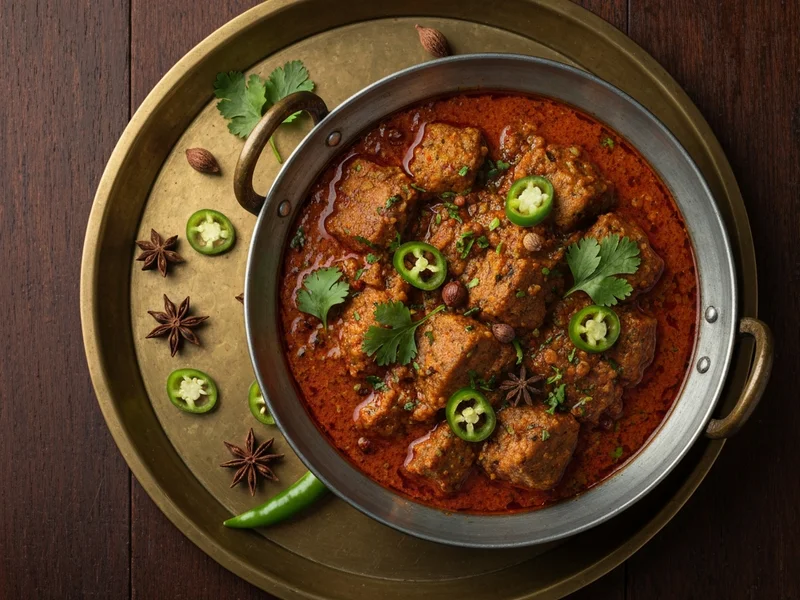
Peshawari Namkeen Gosht
Peshawari salt meat — lamb or mutton cooked with just salt, pepper, and fat until it surrenders all its flavour. Pashtun simplicity at its most profound.
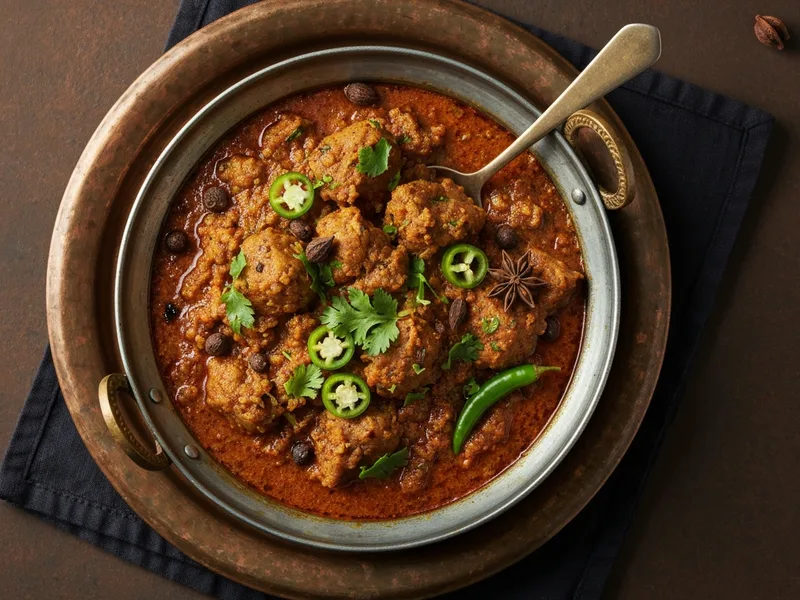
Karachi Namkeen Gosht
Karachi's beloved salt-and-pepper meat dish — tender gosht cooked with minimal masala and maximum fresh garnish. Simple enough for weeknights, impressive enough for guests who ask for the recipe.
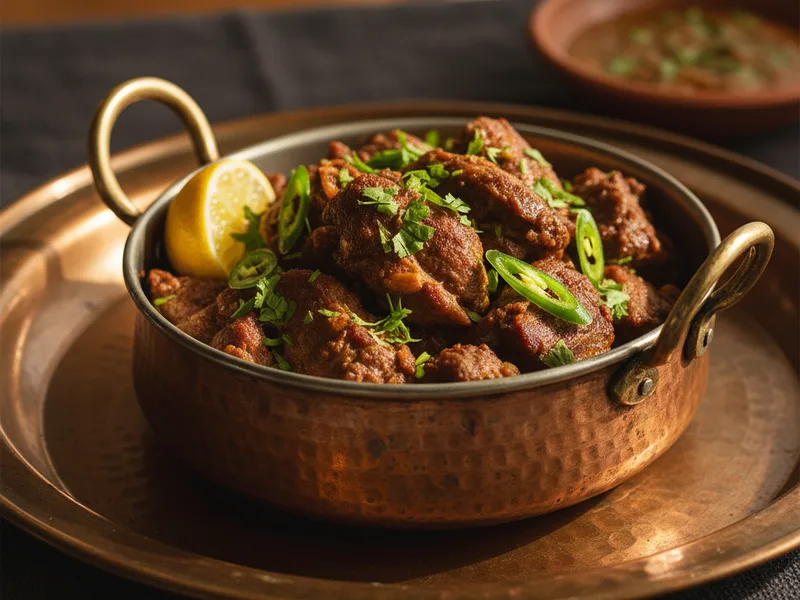
Balochi Namkeen Gosht
The original namkeen gosht — Balochistan's ancient tradition of meat cooked with only salt and fire. Purist, powerful, and proof that great cooking doesn't need a spice cupboard.
What Cooks Are Saying
Made this last weekend and the whole family loved it. Will definitely make again.
Incredible depth of flavour. The spice balance is just right — not too hot, not too mild.
Leave a Review
Tried this recipe? Share your experience — your review helps other cooks.