
KP cuisine
Peshawari Namkeen Gosht
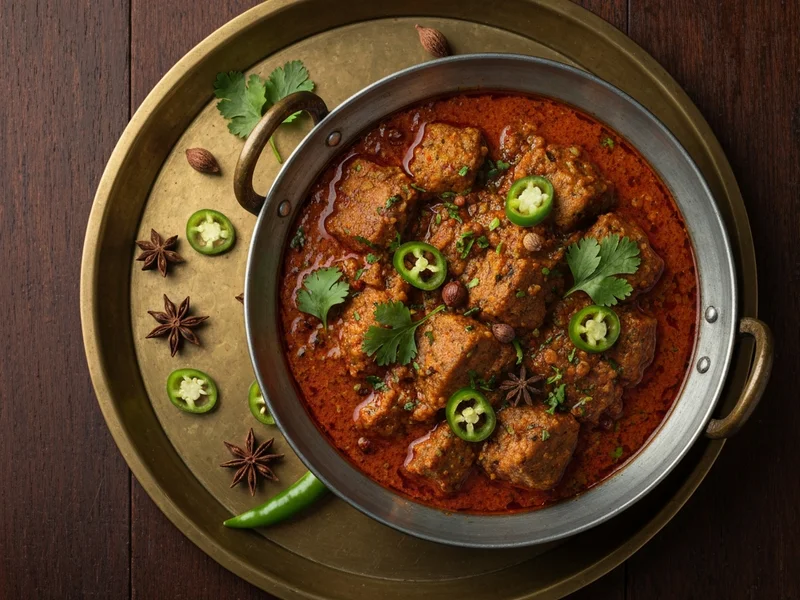
Peshawari Namkeen Gosht is a traditional KP Pakistani dish. Peshawari salt meat — lamb or mutton cooked with just salt, pepper, and fat until it surrenders all its flavour. Pashtun simplicity at its most profound.
Namkeen gosht is the Pashtun philosophy of cooking distilled into a single pot: the gosht (meat) is the star, and everything else exists only to support it.
In the tribal restaurants of Peshawar's Karkhano Market and the legendary Namak Mandi ('Salt Market') area, namkeen gosht is cooked in nothing but its own charbi (fat), a fistful of namak (salt), and freshly crushed kali mirch (black pepper). That's it. The Pashtun cook looks at the masala-heavy curries of Punjab with gentle amusement — why bury good meat under a dozen spices? The catch is that this dish demands the best quality gosht you can find. With only three ingredients, there is absolutely nowhere to hide behind a masala. Desi (free-range) bakra (goat) or dumba (fat-tailed sheep) is traditional, and the charbi rendered out during cooking is used to fry the meat at the end until the edges go beautifully crispy. If you've never tried Pashtun cooking, start here. It'll change how you think about meat.
Ingredients
Instructions
- Place the gosht (mutton) pieces in your heaviest pateela (pot). Add the pani (water), namak (salt), and HALF the crushed kali mirch (black pepper). That's it — no oil yet, no onions, no garlic, no ginger. Just meat, water, salt, and pepper. This is Pashtun cooking — trust the simplicity. Bring to a boil over high heat. You'll see scum (grey foam) rise to the surface in the first few minutes — skim it off with a chamcha (ladle) for a cleaner flavour, though many Pashtun cooks don't bother. HINT: Don't add extra water thinking it'll speed things up. The water is measured — just enough to cook the meat before it transitions to frying.
- Once boiling, reduce the heat to low. Cover the pateela with a tight lid and let the gosht simmer gently for 1.5 to 2 hours. Go do something else — read a book, take a nap, watch cricket. The meat should become completely tender, soft enough that it easily pulls away from the haddi (bone) when prodded with a fork. Check every 30 minutes to make sure there's still some pani in the pot. HINT: The cooking time depends heavily on the age of the animal. Young bakra (goat) may be done in 1.5 hours. Older dumba (sheep) could take a full 2 hours. The meat should be so tender it's almost falling apart.
- Here's where the magic happens. As the pani evaporates, the gosht will start sitting in nothing but its own rendered charbi (fat) and whatever ghee you added. Listen carefully — you'll hear the transition: the gentle bubbling of simmering water will change to the sharp, crackling sizzle of frying. THAT sizzle is your cue. The meat is no longer boiling — it's frying. FUN FACT: This transition from boiling to frying in the same pot, without any intervention, is the genius of namkeen gosht. Two cooking methods, one pot, zero fuss. If your meat was quite lean and there isn't much fat in the pot, add the ghee now.
- Increase the heat to medium-high. Now you're actively frying the gosht in the rendered charbi (fat). Turn the pieces every 2-3 minutes using tongs or a chamcha (ladle) so all sides get exposure to the hot fat. Fry for about 10-15 minutes total until the edges are golden and crispy, with dark caramelised spots. The outside should be crackling and slightly crunchy while the inside stays juicy and tender. You're listening for a steady, confident sizzle — not violent spattering (too hot) or quiet bubbling (not hot enough). HINT: If the meat is sticking to the pot, it's not ready to flip yet. Let it develop more crust and it'll release naturally.
- Sprinkle the remaining crushed kali mirch (black pepper) over the fried gosht. Toss the pieces gently to coat. The fresh pepper added at the end provides a sharp, aromatic bite that the pepper added during boiling has lost — this is why we split the kali mirch into two additions. One for deep flavour (boiled in), one for aroma (added fresh at the end).
- Transfer the gosht to a communal platter — a large thaal (round metal plate) is traditional. Pour ALL the remaining charbi (fat) from the pateela over the meat. Do NOT discard this fat. In Pashtun cooking, the rendered fat is considered the best part — it carries concentrated meat flavour and is meant to be soaked up with naan. Arrange raw pyaz (onion) rings, whole hari mirch (green chillies), and nimbu (lemon) wedges around the meat. Serve with thick Peshawari naan.
Chef's Secrets
- This dish has 3 ingredients (meat, salt, pepper). There is absolutely nowhere to hide. If your gosht isn't excellent quality, the dish will expose it mercilessly. Use the best you can find and afford — this is where quality pays off more than in any other recipe.
- The transition from boiling to frying happens naturally as the water evaporates. Listen for the sizzle — the sound changes from gentle bubbling to sharp crackling. That moment is where namkeen gosht stops being 'boiled meat' and becomes something special.
- Do NOT add zeera (cumin), haldi (turmeric), dhania (coriander), or any other masala. Those belong in Punjabi cooking. This is Pashtun food, and adding extra spices is like putting ketchup on a perfectly grilled steak — technically possible, but missing the point entirely.
- Dumba charbi (fat-tailed sheep fat) is available at Afghan and Pashtun butchers in most Pakistani cities — and in many halal butchers in the diaspora. It has a clean, slightly sweet flavour that transforms this dish. If you can find it, use it. You'll taste the difference immediately.
- Serve with thick, chewy Peshawari naan — not thin chapati or roti. The bread needs to be sturdy enough to soak up the rendered charbi without falling apart. Tear the naan, wrap a piece of gosht in it, squeeze nimbu over it, bite a raw hari mirch — that's the full Pashtun experience.
Common Questions
How long does Peshawari Namkeen Gosht take to make?
Total time is 2h 20m — 5m prep and 2h 15m cooking.
How many servings does this recipe make?
This recipe makes 4 servings, and is rated easy difficulty.
Which region of Pakistan is Peshawari Namkeen Gosht from?
Peshawari Namkeen Gosht is from KP, Pakistan — one of the country's most distinctive culinary traditions.
What do you serve with Peshawari Namkeen Gosht?
Serve on a communal thaal (large round metal plate) with thick Peshawari naan, raw pyaz (onion) rings, whole hari mirch (green chillies), and nimbu (lemon) wedges. Eat with your hands — tear the naan, wrap a piece of gosht, squeeze nimbu, and bite into a hari mirch between mouthfuls. Pour doodh patti chai (milk tea boiled with tea leaves) to cut through the richness. No plates, no cutlery — that's how it's done in Namak Mandi.
Goes Well With
Karachi Namkeen Gosht
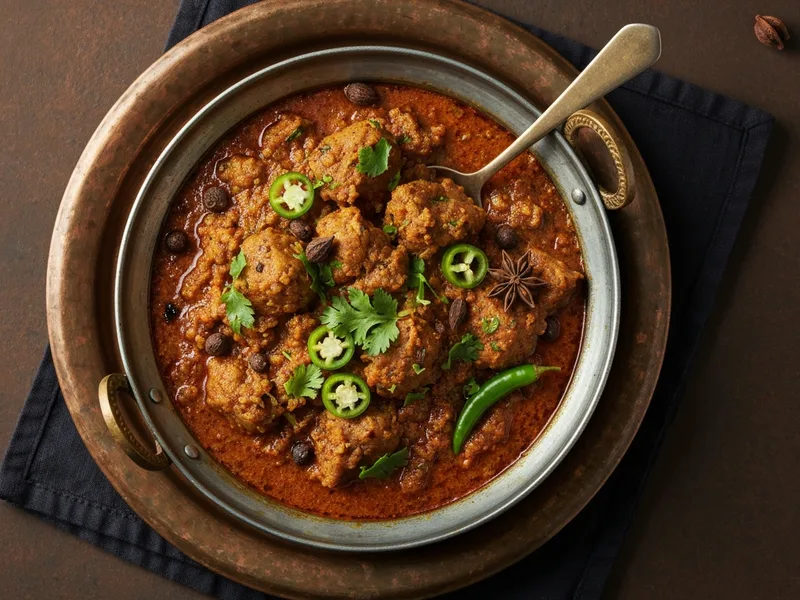
Karachi's beloved salt-and-pepper meat dish — tender gosht cooked with minimal masala and maximum fresh garnish. Simple enough for weeknights, impressive enough for guests who ask for the recipe.
Balochi Namkeen Gosht
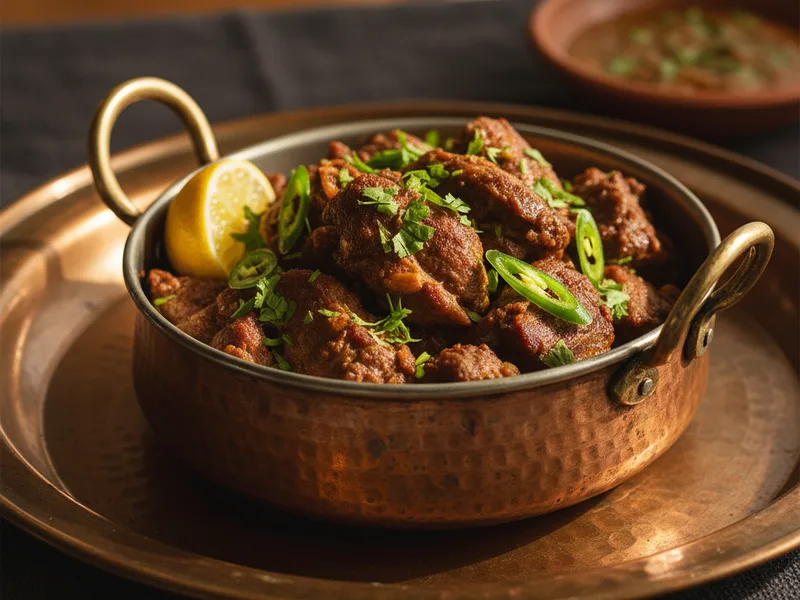
The original namkeen gosht — Balochistan's ancient tradition of meat cooked with only salt and fire. Purist, powerful, and proof that great cooking doesn't need a spice cupboard.
KP Namkeen Karahi
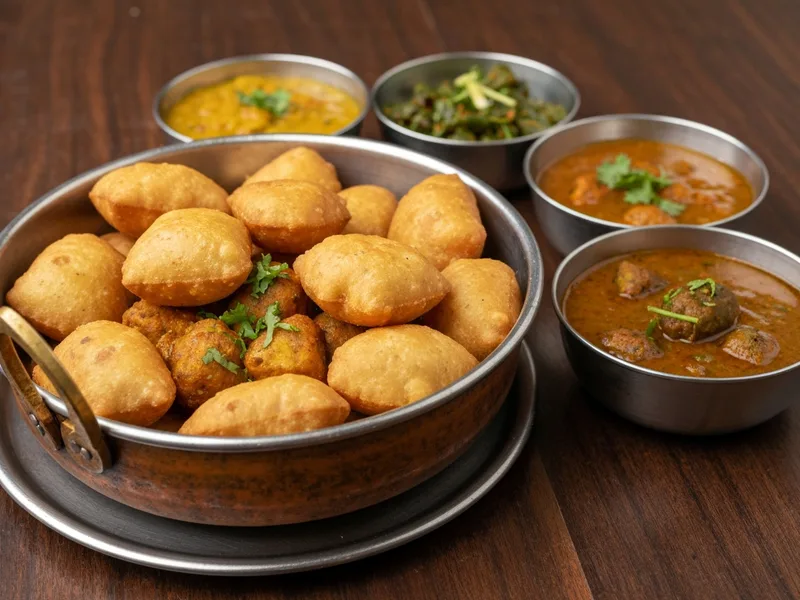
The legendary Peshawari karahi — tender mutton cooked in a minimal masala in a steel karahi, finished with tomatoes, green chillies, and fresh coriander. The dish that tourists queue for in Peshawar.
What Cooks Are Saying
Nice recipe. I substituted one ingredient and it still came out great.
Authentic taste, clear steps. Exactly what I was looking for.
Leave a Review
Tried this recipe? Share your experience — your review helps other cooks.