

Punjab cuisine
Nankhatai
Nankhatai is a traditional Punjab Pakistani dish. Pakistan's beloved shortbread cookie — crumbly, ghee-rich, and subtly fragrant with cardamom — made from a mix of besan (gram flour), maida (all-purpose flour), and suji (semolina) that produces a melt-in-the-mouth texture no ordinary butter biscuit can match. They look pale and delicate coming out of the oven, then harden to perfection as they cool.
Nankhatai is one of Pakistan's oldest baked goods, with a history that stretches back to the Dutch East India Company's presence in Surat in the 17th century.
The name combines 'nan' (bread) and 'khatai' (biscuit). The Dutch brought European biscuit-baking traditions, which local bakers then adapted using indigenous ingredients — swapping butter for ghee, adding besan and suji for a uniquely South Asian texture, and perfuming the dough with cardamom. The result is something entirely its own: a cookie that's simultaneously crumbly and melt-in-the-mouth, sweet but not cloying. Nankhatai remain a fixture of every Pakistani halwai (sweet shop) and are deeply associated with Eid gifts and chai-time traditions. The name comes from Persian — 'nan' (bread) and 'khatai' (biscuit/cookie from Cathay).
Ingredients
Instructions
- PREHEAT AND PREPARE: Preheat your oven to 180°C (350°F). If you have a gas oven without a temperature gauge, medium heat is your target — most Pakistani ovens run slightly hot, so err on the lower side. Line a baking tray with parchment paper or grease it lightly with ghee. HINT: Do not use a dark-coloured baking tray if you can avoid it — dark trays absorb more heat and the undersides of the nankhatai can over-brown before the tops are done. A light-coloured or silver tray gives more even results. Set the tray aside — we'll come back to it.
- CREAM THE GHEE AND SUGAR: In a large mixing bowl, add the semi-solid ghee and cheeni. Using a wooden spoon or your clean hand, beat them together vigorously for 3-4 minutes until the mixture becomes pale, fluffy, and somewhat light in texture. WHY: This creaming step incorporates tiny air bubbles into the fat, which help give nankhatai a tender crumb and slight lift during baking. If the ghee is too cold and hard, it won't cream properly — set it out for 15-20 minutes first. If it's completely melted and liquid, refrigerate briefly until it's soft but solid. FUN FACT: Traditional halwai (sweet shop) bakers cream nankhatai dough with their hands — the warmth of their palms gradually softens the ghee to exactly the right consistency.
- MIX THE DRY INGREDIENTS: In a separate bowl, combine the maida, besan, suji, elaichi powder, and baking powder. Whisk them together with a fork for 30 seconds to distribute evenly. WHY: Each flour contributes differently — maida provides structure, besan adds the characteristic nutty flavour and crumbly bite, and suji (semolina) gives a subtle sandy texture that distinguishes nankhatai from plain shortbread. The three-flour combination is what makes this cookie distinctly Pakistani.
- BRING THE DOUGH TOGETHER: Add the dry flour mixture to the creamed ghee-sugar in two additions, mixing gently with a spoon or your hand between each addition. The dough should come together into a soft, pliable ball that holds its shape when pressed — like Play-Doh. HINT: Do not over-mix or knead vigorously. The more you work the dough, the tougher the cookies will be. Mix only until it just comes together with no dry flour visible. If the dough seems too crumbly and won't hold together, add 1-2 teaspoons of milk, one at a time. If it seems too soft and sticky, refrigerate for 10 minutes.
- SHAPE THE NANKHATAI: Pinch off roughly equal portions of dough — about 1.5 tablespoons each, the size of a walnut. Roll each portion gently between your palms into a smooth ball. Place on the prepared baking tray with at least 3-4cm of space between each one — they will spread slightly during baking. Using two fingers or the bottom of a glass, gently press down on each ball to flatten it slightly — you want a thick disc about 1.5cm high, not a flat coin. FUN FACT: The slight flattening creates the characteristic nankhatai shape — domed top, slightly spread base. If you leave them as perfect spheres they'll crack unevenly as they bake.
- TOP WITH PISTACHIO: Press one half or a few pieces of pista into the centre top of each nankhatai. Press gently but firmly enough that the nut is secure and won't fall off during baking. HINT: The pista on top isn't just decoration — it signals the flavour to come and creates a focal point. You can also use a whole almond (badam) or a sprinkle of sesame seeds (til) as alternatives.
- BAKE: Place the tray in the preheated oven on the middle rack. Bake for 15-18 minutes. HINT: This is the most counterintuitive part of nankhatai — they should look barely done when you take them out. The tops should be very pale golden to cream-coloured, not browned. The undersides should be just lightly golden when you lift one with a spatula. If they look golden-brown on top, they are overcooked and will be too hard when cooled. WHY: Nankhatai harden significantly as they cool. A cookie that looks and feels soft in the oven will be perfectly crisp after cooling. Trust the process.
- COOL COMPLETELY BEFORE TOUCHING: Remove from the oven and leave the nankhatai completely undisturbed on the tray for 15-20 minutes. They are extremely fragile when warm and will crumble if you try to move them. After 15-20 minutes, they will have firmed up considerably. Gently transfer to a wire rack or plate to cool completely — another 20-30 minutes. FUN FACT: The cooling process is where the chemistry completes — the sugars and fats crystallise as they cool, creating that signature melt-in-mouth crumbliness. Eating them warm is tempting but you'll miss the best version. Store in an airtight dabba (container) for up to 2 weeks at room temperature.
Essential for This Recipe
As an Amazon Associate, we earn from qualifying purchases
Pure Ghee (Clarified Butter)
The authentic cooking fat for Pakistani dishes — adds rich flavor that oil can't match
Chickpea Flour (Besan)
For pakoras, kadhi, and batters — adds protein and authentic texture to fried snacks
Green Cardamom Pods (Elaichi)
The fragrant heart of biryanis, pulaos, chai, and desserts — use whole pods for best flavor
Saffron Threads (Zafran)
The luxury spice for biryanis, zarda, kheer, and special occasions — adds golden color and floral elegance
Chef's Secrets
- Use powdered/icing sugar instead of granulated for a finer, more melt-in-the-mouth texture
- Browning ghee slightly before using (cooking it until the milk solids turn golden) gives nankhatai a deeper, nuttier flavour
- If cookies spread too much during baking, the dough is too warm — refrigerate for 20 minutes before shaping
- For a rose flavour variation, add 0.5 teaspoon rose water to the dough
- Commercial halwai nankhatai often use a mix of ghee and dalda (hydrogenated vegetable shortening) — pure ghee is superior in flavour
Common Questions
How long does Nankhatai take to make?
Total time is 38m — 20m prep and 18m cooking.
How many servings does this recipe make?
This recipe makes 15 servings, and is rated easy difficulty.
Which region of Pakistan is Nankhatai from?
Nankhatai is from Punjab, Pakistan — one of the country's most distinctive culinary traditions.
What do you serve with Nankhatai?
Served at room temperature with chai (tea) — the combination is iconic. Perfect for Eid gifts packed in pretty tins. Also wonderful alongside a glass of cold doodh (milk). Store in an airtight container; they keep well for up to 2 weeks.
Goes Well With
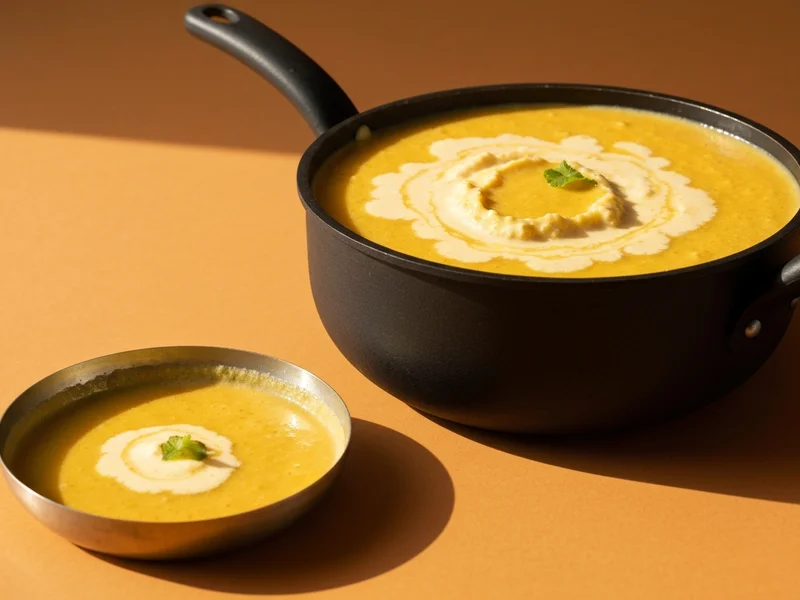
Sheer Khurma
The Eid morning vermicelli pudding — toasted sevaiyan simmered in sweetened milk with dates, pistachios, almonds, and cardamom. No Eid is complete without it.
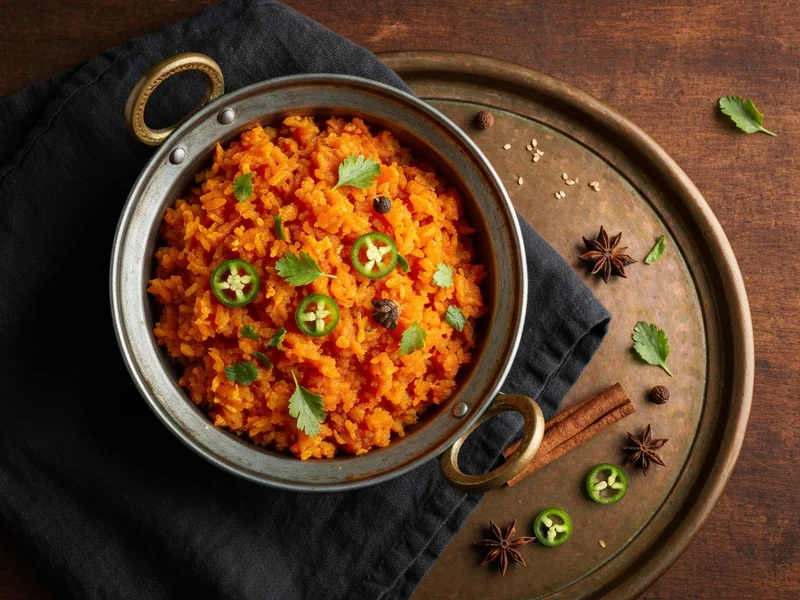
Gajar Ka Halwa — Classic Pakistani Carrot Dessert
Gajar ka halwa is Pakistan's most beloved winter dessert — slow-cooked grated carrots in full-fat milk, sugar, and cardamom, finished with a shower of nuts and a knob of ghee. Rich, aromatic, and impossibly comforting, it turns a humble root vegetable into something genuinely spectacular.
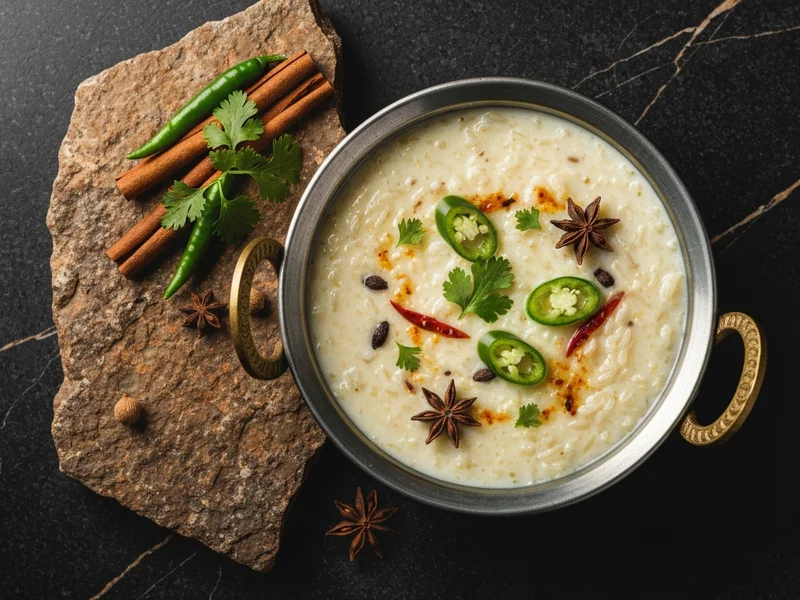
Doodh Chawal Kheer — Pakistani Rice Pudding
Kheer is the quintessential Pakistani celebration dessert — rice slow-cooked in full-fat milk until creamy and thick, perfumed with cardamom and saffron, and crowned with pistachios and silver leaf. It appears at every eid, wedding, and birth celebration across the country.
Cite This Recipe
Writing about Pakistani food? Use these ready-made citations.
<a href="https://pakistani.recipes/recipes/kheer/doodh-chawal-kheer/">Doodh Chawal Kheer — Pakistani Rice Pudding</a> — Pakistani Recipes
Ayesha Noor. "Doodh Chawal Kheer — Pakistani Rice Pudding." Pakistani Recipes, 2024. https://pakistani.recipes/recipes/kheer/doodh-chawal-kheer/
Ayesha Noor. (2024). Doodh Chawal Kheer — Pakistani Rice Pudding. Pakistani Recipes. Retrieved 2026-07-20, from https://pakistani.recipes/recipes/kheer/doodh-chawal-kheer/
What Cooks Are Saying
Incredible depth of flavour. The spice balance is just right — not too hot, not too mild.
Made this last weekend and the whole family loved it. Will definitely make again.