
Sindh cuisine
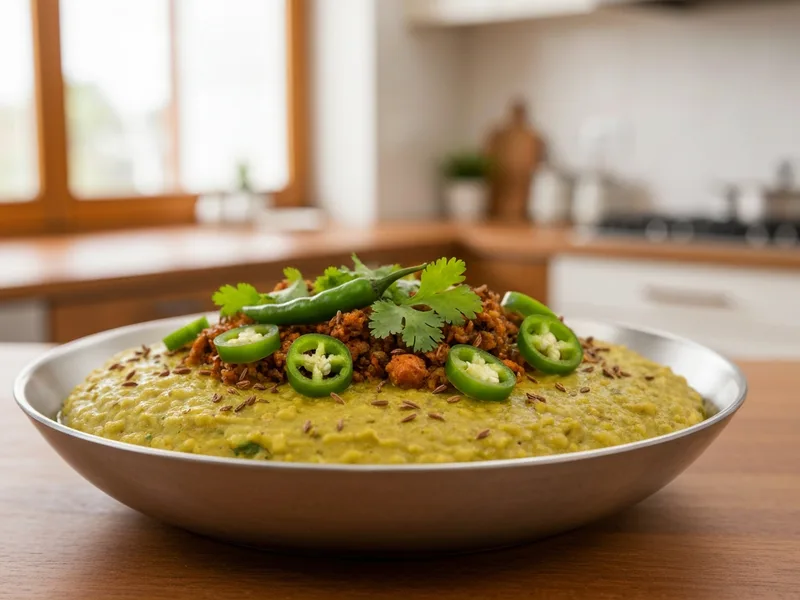
Beef Nihari Karachi Style
Beef Nihari Karachi Style is a traditional Sindh Pakistani dish. Karachi-style beef nihari slow-cooked with aromatic spices and finished with fresh garnishes. This iconic breakfast dish is a Karachi staple, rich with marrow and bold flavour. The ultimate Sunday morning flex.
If Karachi had a national dish, nihari would run unopposed.
It was developed in the Mughal-era streets of Old Delhi as a slow-cooked overnight stew, prepared by cooks who started it at midnight so it was ready by the call to Fajr prayer. Born in the royal kitchens of the Mughal era, this slow-simmered beef stew travelled down to Karachi with the muhajir community and became something entirely its own — spicier, bolder, more 'raat bhar pakao' (cook through the night) than anywhere else. Fun fact: the word 'nihari' comes from the Arabic 'nahar' meaning 'day' — because it was traditionally eaten at dawn after the Fajr prayer. Don't let the long cook time scare you! Most of it is completely hands-off. You just need patience and a heavy-bottomed deg (pot). The reward? A deeply aromatic, velvety gravy clinging to meltingly tender beef that will have your family convinced you spent three days in the kitchen. You didn't, but no one needs to know that.
Ingredients
Instructions
- BROWN YOUR ONIONS — THIS IS NON-NEGOTIABLE: Heat ghee in a heavy-bottomed deg (pot) or pressure cooker over medium-high heat. Add sliced pyaaz and fry, stirring frequently, for 12-15 minutes until they turn a deep mahogany brown. Not light golden — we're talking proper brown like strong chai. This caramelisation is the backbone of your nihari's flavour. HINT: If your onions start burning at the edges before browning in the middle, splash in a tablespoon of water and keep going. Patience here pays off tenfold later.
- BUILD THE MASALA BASE: Reduce heat to medium. Add adrak-lehsan paste and fry for 2 minutes until the raw smell disappears — you'll know it's ready when it smells nutty rather than sharp. Add nihari masala and lal mirch powder, stir everything together, and add a splash of water to prevent burning. Fry this masala mixture for 3-4 minutes, stirring constantly. HINT: This step is called 'bhunai' and it's crucial — under-bhunoed masala tastes raw and flat. Keep going until the oil starts separating around the edges of the masala.
- ADD AND SEAL THE MEAT: Add the beef shank and nalli pieces to the pot. Increase heat to high and bhuno (stir-fry) the meat with the masala for 5-7 minutes until every piece is coated and the meat has some colour on it. This step seals in the juices. HINT: Don't crowd the pot — if you're doubling the recipe, brown the meat in batches. Add namak now and stir to combine. The masala should be clinging to the meat, not pooling at the bottom.
- ADD WATER AND SLOW COOK: Add 1.5 litres of hot water to the pot and bring to a vigorous boil. Skim off any grey foam that rises to the surface — this is impurities from the bones and removing it gives you a cleaner-tasting nihari. Once foam stops appearing (about 5 minutes), reduce heat to the lowest setting, cover tightly, and cook for 3 hours. HINT: If your pot lid doesn't seal well, place a damp cloth under it or use dum technique by sealing edges with roti dough. Check every 45 minutes and add hot water if needed.
- MAKE THE AATA SLURRY AND THICKEN: After 3 hours, the meat should be very tender — test by pressing a piece with a spoon. Mix aata with 4 tablespoons of water to make a smooth, lump-free paste. Fish out about a cup of hot gravy from the pot, whisk in the aata slurry, then pour this mixture back into the pot. Stir well. HINT: Adding flour directly to the pot causes lumps — always dilute it first. Bring to a gentle boil and cook for another 20-25 minutes, stirring occasionally, until gravy reaches your desired consistency — it should coat a spoon but still flow.
- FINAL SEASONING AND TARKA: Taste the gravy and adjust salt. In a small pan, heat 1 tablespoon of ghee until smoking hot, add a pinch of red chilli powder and immediately pour this tarka over the nihari surface. Do not stir — let it sit on top. This is purely aesthetic but also signals 'I know what I'm doing' to anyone watching. HINT: If you want extra richness, break open the nalli bones and stir the marrow directly into the gravy.
- GARNISH AND SERVE LIKE A PRO: Ladle nihari into deep bowls or a large serving dish. Top generously with julienned ginger, chopped hara dhania, slit hari mirch, and a squeeze of nimbu. Serve with freshly made naan or khamiri roti — the bread is not optional, it's load-bearing. HINT: True Karachi nihari is eaten for breakfast, but honestly, any time of day is a good time for nihari. Store leftovers in the fridge — nihari always tastes better the next day as the spices deepen overnight.
Chef's Secrets
- Always use bone-in meat with nalli — the collagen from bones is what gives nihari its characteristic silky texture. Boneless nihari is technically possible but spiritually wrong.
- Nihari improves dramatically overnight. Make it a day ahead, refrigerate, and reheat slowly. The flavours meld and deepen beautifully.
- If your gravy is too thin, mix an extra tablespoon of aata with water and add it. If too thick, add hot water a little at a time.
- The julienned ginger garnish is not decoration — it cuts through the richness and is essential for balance. Don't skip it.
Common Questions
How long does Beef Nihari Karachi Style take to make?
Total time is 4h 30m — 30m prep and 4h cooking.
How many servings does this recipe make?
This recipe makes 6 servings, and is rated medium difficulty.
Which region of Pakistan is Beef Nihari Karachi Style from?
Beef Nihari Karachi Style is from Sindh, Pakistan — one of the country's most distinctive culinary traditions.
What do you serve with Beef Nihari Karachi Style?
Serve with khamiri roti or naan. Place small bowls of julienned ginger, sliced green chillies, lemon wedges, and crispy fried onions on the side so everyone can customise their bowl. A glass of lassi on the side is the ultimate Karachi breakfast pairing.
Goes Well With
Classic Lahori Nihari
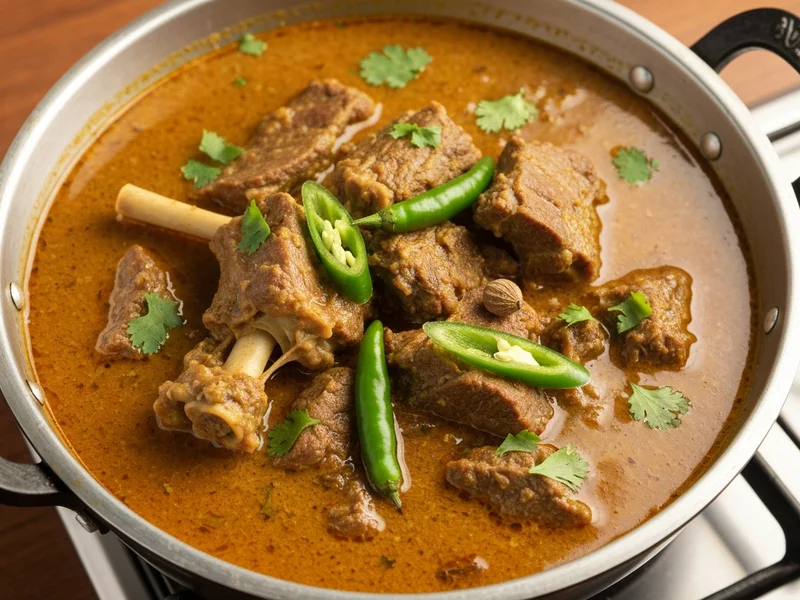
The ultimate slow-cooked breakfast stew — beef shank and bone marrow simmered overnight in a dozen spices. Old Lahore's most legendary dish.
Mutton Nihari Slow Cooked
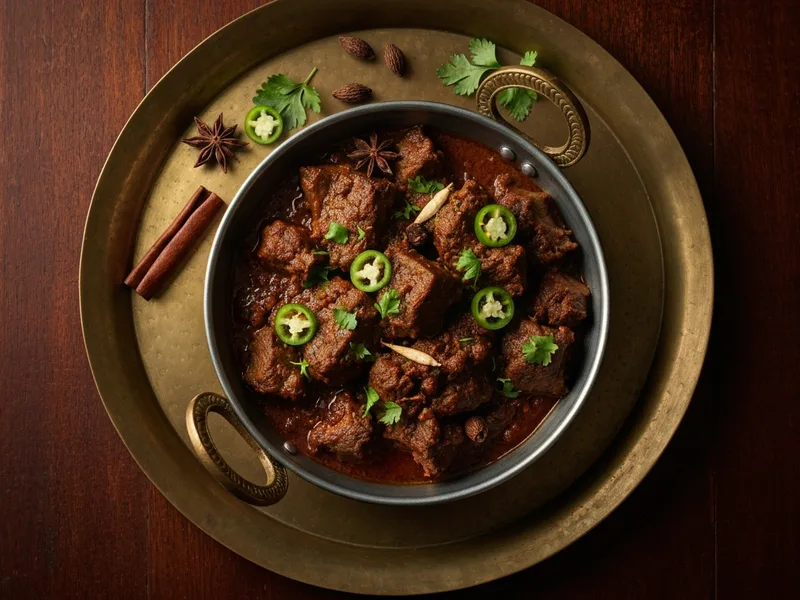
Lahori-style slow-cooked mutton nihari with a deeply spiced, velvety gravy — the kind that makes your whole house smell like a wedding. Rich, tender, and absolutely worth the wait.
Bone Marrow Nihari
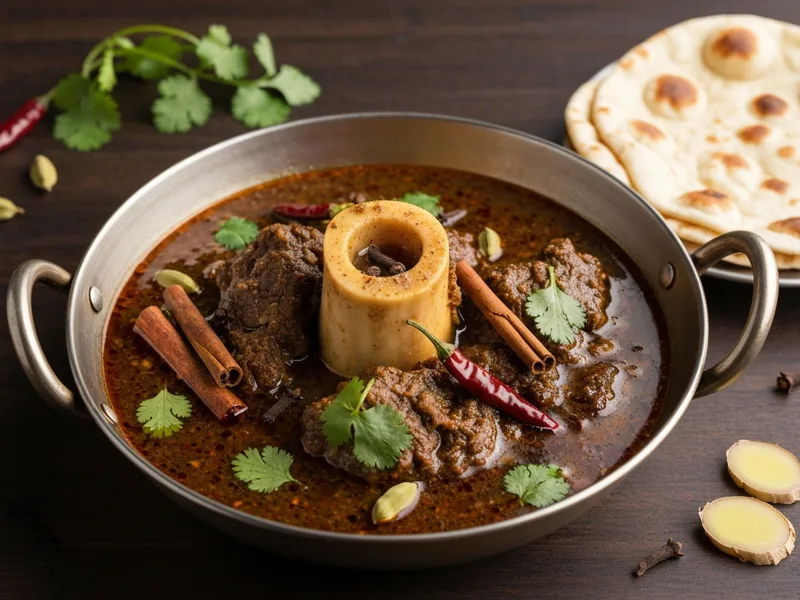
South Punjab's legendary bone marrow nihari — intensely rich, deeply spiced, and built around nalli (marrow bones) that melt into the gravy. This is nihari at its most indulgent and most authentic.
What Cooks Are Saying
Decent recipe but needed more seasoning to my taste. Good starting point though.
Great flavours, took a little longer than the stated time but worth every minute.
Better than the restaurant version. The tips in the recipe really make a difference.
Leave a Review
Tried this recipe? Share your experience — your review helps other cooks.