
Punjab cuisine
Classic Lahori Nihari
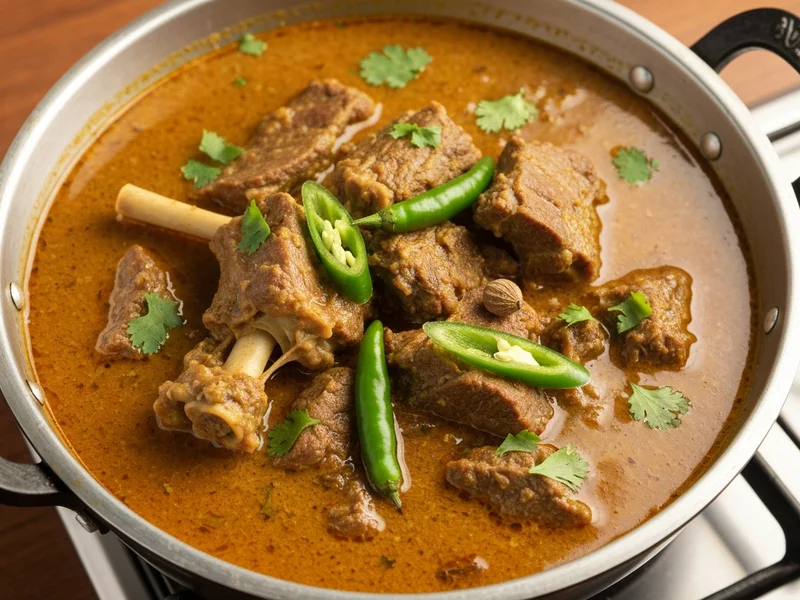
Classic Lahori Nihari is a traditional Punjab Pakistani dish. The ultimate slow-cooked breakfast stew — beef shank and bone marrow simmered overnight in a dozen spices. Old Lahore's most legendary dish.
Nihari is patience turned into food — and if you try to rush it, you'll get stew. Good stew, perhaps, but not nihari.
In Old Lahore's Walled City, nihari shops open at 5 AM and sell out by 9 — places like Waris Nihari and Muhammadi Nihari House on Anarkali have been serving since before your grandparents were born. The best nihari has been cooking in the same degh (pot) for decades, each batch inheriting the taar (residual gravy from the previous batch) — a living, breathing recipe that genuinely improves with age. This recipe won't take decades, but it will take 6-8 hours. No pressure cooker shortcuts. No Instant Pot hacks. If that sounds like too much, this isn't the recipe for you. But if you've got the patience, the reward is one of the greatest dishes in the subcontinent.
Ingredients
Instructions
- ROAST THE ATTA (FLOUR): Put 2 tbsp gandum ka atta (wheat flour) in a small, dry pan — no oil, no ghee. Place on medium-low heat and stir constantly with a chamcha (spoon). The atta will slowly change colour from white to pale gold to a toasty brown — this takes about 5-7 minutes. You'll smell a nutty, biscuity aroma when it's ready. HINT: Don't walk away during this step. Atta goes from perfectly roasted to burnt in about 30 seconds. Once golden, transfer to a small bowl immediately (it'll keep cooking in the hot pan). This roasted atta is called 'bainda' — it's your nihari's thickener and it adds a subtle toasted flavour you can't get any other way.
- FRY THE PYAZ (ONIONS): Heat the desi ghee in a heavy-bottomed degh (large pot) or Dutch oven on medium heat. Add the sliced pyaz (onions). Now — this is not a quick job. Stir every minute or so for about 15-20 minutes. The onions will go through stages: sweating (5 min) → translucent (8 min) → golden (12 min) → deep brown (18-20 min). You want them deep mahogany brown — nearly the colour of a chai tea bag. This is where a lot of nihari's colour and sweetness comes from. Remove half and set aside on kitchen paper — these are your barista pyaz (fried onion garnish). Leave the other half in the degh.
- COOK THE MASALA BASE: Add adrak lehsan paste (ginger-garlic paste) to the remaining pyaz in the degh. Stir for 2 minutes until the raw smell disappears — you'll know because the sharp, nose-prickling garlic smell turns into something warm and fragrant. Don't let it burn — if it starts sticking, add a splash of water.
- SEAR THE GOSHT (MEAT): Add the beef nalli (shank pieces) and extra nalli (marrow bones) to the degh. Turn the heat to high. Using a large chamcha (ladle), turn the meat to brown all sides — about 5-7 minutes total. You're not cooking the meat through, just building a flavour crust on the outside. This is called the Maillard reaction, and it's the difference between rich nihari and bland nihari. You should hear a satisfying sizzle when each piece hits the hot ghee. HINT: Don't overcrowd the pot — if needed, sear in two batches. Overcrowding drops the temperature and steams the meat instead of searing it.
- ADD THE MASALAY (SPICES): Sprinkle in the nihari masala, lal mirch powder (red chilli powder), haldi (turmeric), and namak (salt). Stir everything well to coat every piece of meat — the spices should sizzle and become fragrant within 30 seconds. This quick frying of spices in hot fat is called 'bhunna' and it blooms the essential oils in the masala, intensifying their flavour.
- THE LONG COOK BEGINS: Add the hot pani (water) — pour it in slowly to avoid a steam explosion. Bring to a boil on high heat (this takes about 5 minutes). Once boiling, reduce to the absolute lowest flame your stove can manage. Cover the degh tightly — if your lid isn't tight, put a sheet of foil under it. Now walk away. Cook for 6-8 hours. Yes, really. FUN FACT: Traditional Lahori nihari cooks use a 'dam' technique — burying the degh in hot coals overnight. The low, even heat produces a gravy that no stovetop can perfectly replicate, but 6-8 hours on your lowest flame comes close. Check every 2 hours: stir gently, make sure there's still liquid (add half a cup of hot water if it's getting too thick), and ensure nothing is sticking to the bottom. The gosht should be falling apart by hour 6, and the gravy should be rich, dark, and glossy.
- SCOOP THE NALLI (MARROW): After the long cook, the marrow should have mostly melted into the gravy. If there are still marrow bones with intact marrow, use a spoon to scoop the soft, fatty marrow out of the bones and stir it into the gravy. This is liquid gold — it's what gives nihari its signature velvety texture. The meat itself should shred with just a gentle push from a chamcha (spoon). If it's still resisting, cook for another hour.
- THICKEN WITH BAINDA (ROASTED FLOUR): Take the roasted atta you prepared in Step 1 and mix it with about 4 tbsp warm water in a small bowl to make a smooth slurry — no lumps. Slowly stir this into the nihari, a little at a time. Cook on low heat for another 30 minutes, stirring occasionally. The gravy will thicken to a consistency that coats the back of a chamcha. HINT: Add the slurry gradually — you can always add more but you can't thin it out easily if you overdo it. The final consistency should be like a thick soup, not a paste.
- GARNISH AND SERVE: Ladle the nihari into deep bowls — a generous amount of the dark, glistening gravy with chunks of gosht and any remaining bone pieces. Top each bowl with: julienned adrak (raw ginger), slit hari mirch (green chillies), chopped hara dhaniya (fresh coriander), and the reserved barista pyaz (fried onions). Squeeze nimbu (lemon) generously over the top. Serve with fresh, hot tandoori naan — tear the naan, dunk it into the gravy, scoop up some meat, and experience what Lahoris have been fighting over for centuries.
Chef's Secrets
- The taar (leftover gravy) is sacred in nihari culture. If you make nihari regularly, save a cup of gravy from each batch and add it to the next one. The flavour genuinely compounds over time — some Lahori shops claim their taar is decades old.
- Don't use a pressure cooker. We know it's tempting, but nihari needs slow, gentle heat to develop its signature silky texture. Pressure-cooked nihari has the right tenderness but the wrong mouthfeel — the gravy never gets that glossy, unctuous quality.
- The nalli (bone marrow) should melt completely into the gravy. That's where the body and velvety texture comes from. If you can still see solid marrow at the end, you haven't cooked it long enough.
- Serve with fresh tandoori naan, not roti or chapati. The soft, chewy naan soaks up the rich gravy perfectly. Roti is too thin and tears. This is one of those situations where the bread choice genuinely matters.
- Leftover nihari is even better the next day — the flavours deepen and meld overnight. Many Lahori cooks deliberately make extra so tomorrow's breakfast is sorted. Reheat gently with a splash of water.
- HINT: If your nihari gravy isn't glossy, you probably didn't use enough ghee or your marrow bones didn't have enough marrow. The fat content is what makes nihari shine — literally.
Common Questions
How long does Classic Lahori Nihari take to make?
Total time is 8h 20m — 20m prep and 8h cooking.
How many servings does this recipe make?
This recipe makes 6 servings, and is rated medium difficulty.
Which region of Pakistan is Classic Lahori Nihari from?
Classic Lahori Nihari is from Punjab, Pakistan — one of the country's most distinctive culinary traditions.
What do you serve with Classic Lahori Nihari?
Serve at nashta (breakfast) or brunch — nihari is traditionally a morning dish. Ladle into deep bowls with fresh tandoori naan on the side. Each person garnishes their own bowl: julienned adrak (raw ginger) for sharp bite, slit hari mirch (green chillies) for extra heat, barista pyaz (crispy fried onions) for crunch, and a big squeeze of nimbu (lemon) to brighten the rich gravy. For the full Lahori experience, follow it with a cup of strong doodh patti chai (milk tea) and a nap.
Goes Well With
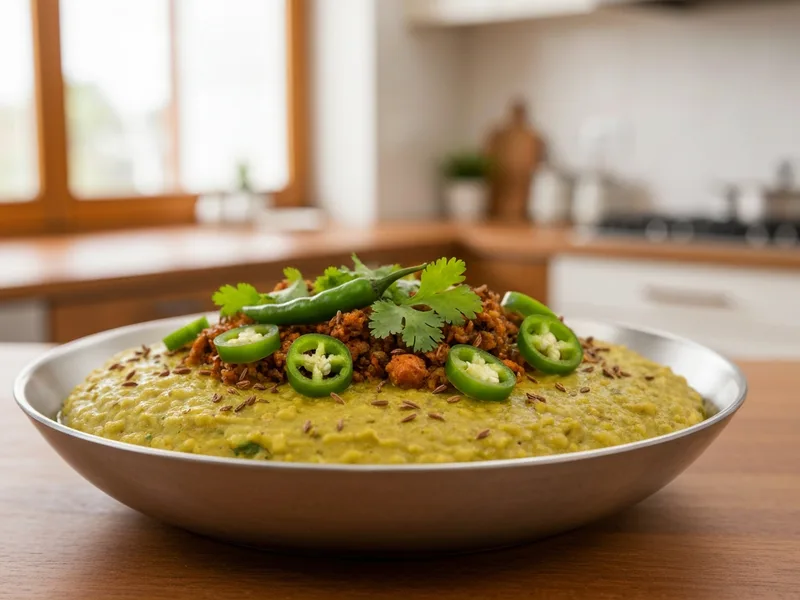
Beef Nihari Karachi Style
Karachi-style beef nihari slow-cooked with aromatic spices and finished with fresh garnishes. This iconic breakfast dish is a Karachi staple, rich with marrow and bold flavour. The ultimate Sunday morning flex.
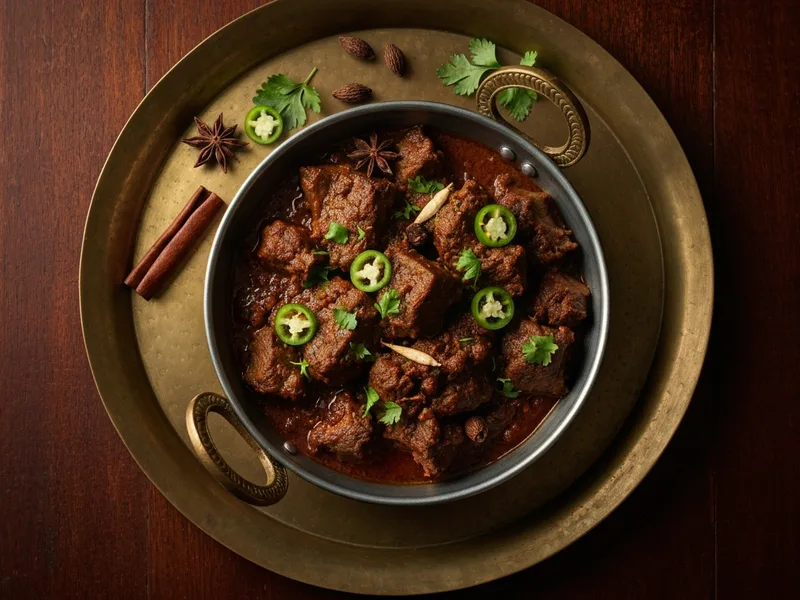
Mutton Nihari Slow Cooked
Lahori-style slow-cooked mutton nihari with a deeply spiced, velvety gravy — the kind that makes your whole house smell like a wedding. Rich, tender, and absolutely worth the wait.
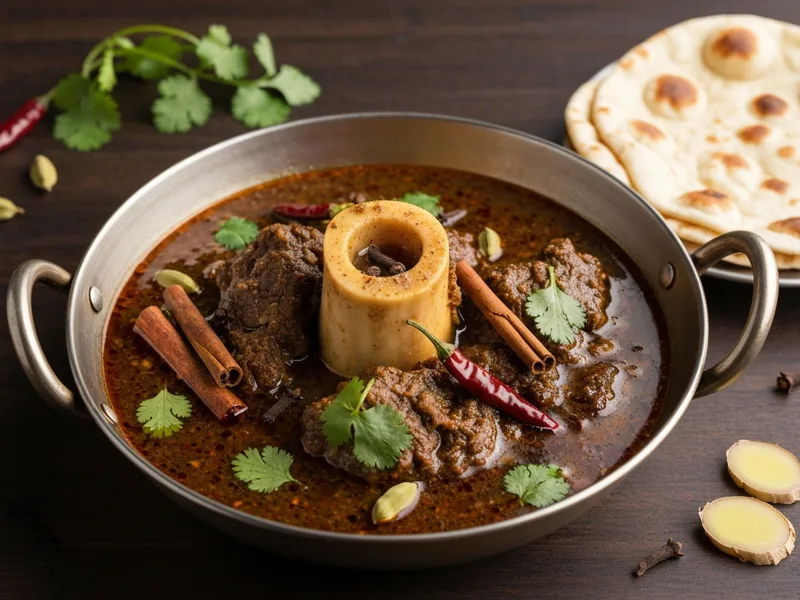
Bone Marrow Nihari
South Punjab's legendary bone marrow nihari — intensely rich, deeply spiced, and built around nalli (marrow bones) that melt into the gravy. This is nihari at its most indulgent and most authentic.
What Cooks Are Saying
Decent recipe but needed more seasoning to my taste. Good starting point though.
Great flavours, took a little longer than the stated time but worth every minute.
Better than the restaurant version. The tips in the recipe really make a difference.
Leave a Review
Tried this recipe? Share your experience — your review helps other cooks.