

Sindh cuisine
Pallo Machli (Stuffed Sindhi River Fish)
Pallo Machli (Stuffed Sindhi River Fish) is a traditional Sindh Pakistani dish. Sindh's sacred migratory river fish — pallo (Tenualosa ilisha, the Pakistani hilsa) — stuffed with green coriander-chilli masala and cooked. Only available fresh in Sindh from February to April. Substitute: surmai (kingfish) or frozen hilsa. NEVER rohu or catla — they are a completely different fish family.
Pallo (also called hilsa or pallu) is the jewel of the Indus river — a silver, oily fish that migrates upstream each year and has been celebrated in Sindhi poetry, folklore, and feasts for centuries.
It migrates upriver from the Arabian Sea to spawn — and catching pallo during this migration has been a seasonal event in Sindh for thousands of years, mentioned in ancient Sindhi poetry. The fish is so prized that entire festivals are held in its honour in Thatta and Sukkur when the pallo season arrives. Because fresh pallo is difficult to find outside Sindh, this recipe uses rohu or catla — both freshwater fish with a similar texture and flavour. The genius of this preparation is the stuffing: a wet masala paste is packed into the belly of the whole fish and sealed in, so it steams from the inside while the outside crisps up. No curry, no sauce, just the pure flavour of fish and green herbs.
Ingredients
Instructions
- PREPARE THE FISH: If the fishmonger hasn't already done it, rinse the whole fish thoroughly under cold running water inside and out. Pat completely dry with a clean cloth or paper towels — a dry fish browns better. Using a sharp knife, make diagonal cuts (called scores) across the thickest part of the fish, cutting about halfway through the flesh, on both sides. Space the cuts about 1.5 inches apart. WHY: These cuts allow the marinade to penetrate deep into the flesh rather than just sitting on the surface, and they ensure the thick part of the fish cooks through at the same time as the thinner tail area. HINT: Ask your local fishwala (fishmonger) to do all of this for you — they're pros and will do it in 30 seconds.
- MARINATE THE FISH: In a small bowl, mix lemon juice (or tamarind paste), 1/2 tsp haldi, and 1/2 tsp salt into a paste. Rub this all over the fish — on the outside, inside the cavity, and into each of the scored cuts. Push the marinade into every gap you can find. Leave to marinate for at least 20–30 minutes. If you have time, marinate for an hour in the fridge. WHY: Acid (from lemon or tamarind) both flavours the fish and slightly firms up the flesh, so it holds together better during cooking rather than falling apart. FUN FACT: In traditional Sindhi villages, the fish was marinated in raw tamarind water — the tamarind also acted as a preservative before refrigerators existed.
- MAKE THE GREEN STUFFING: Place the hara dhania (coriander), hari mirch (green chillies), lehsun (garlic), chopped tamatar (tomatoes), zeera (cumin), and remaining 1 tsp salt into a blender. Blend into a coarse, thick paste — add 1–2 tablespoons of water only if needed to get the blender moving. The paste should be thick, like a chutney, not watery. Taste the paste — it should be boldly flavoured because it will be diluted by the fish. HINT: Don't over-blend into a smooth liquid. A slightly rough, chunky paste has more texture and flavour than a smooth one.
- STUFF THE FISH: Using your clean fingers or a spoon, pack the green masala paste generously into the belly cavity of the fish. Push it in firmly and pack as much as it can hold — don't be shy. Then push some paste into each of the score cuts on both sides of the fish, pressing it in with your finger. Any remaining paste can be smeared over the outside of the fish.
- CHOOSE YOUR COOKING METHOD — OPTION A (BAKING, PREFERRED): Preheat your oven to 200°C (400°F). Lay a large sheet of banana leaf (or foil) on a flat surface and brush it lightly with oil. Place the stuffed fish in the centre. Drizzle 2–3 tbsp of oil over the fish. Wrap the fish tightly — fold the leaf/foil over and tuck the ends under to create a sealed parcel. Place on a baking tray and bake for 30–35 minutes. Then open the top of the parcel and bake for another 10–15 minutes to brown and crisp the skin. WHY: The sealed parcel traps steam from the tomatoes and herbs inside, essentially steaming the fish in its own juices while the outside eventually gets colour. FUN FACT: The original pallo machli was buried in hot coals wrapped in river grass — the foil or banana leaf method is our clean modern equivalent.
- CHOOSE YOUR COOKING METHOD — OPTION B (PAN-FRIED): Heat 3 tbsp of oil in a large, heavy tawa (flat griddle) or a wide karahi over medium heat. The pan needs to be large enough to hold the whole fish. When the oil is hot and shimmering, carefully slide the stuffed fish into the pan. Fry undisturbed for 6–8 minutes. You'll hear a vigorous sizzle and the skin will release from the pan naturally when it's ready to be turned — do not force it. Carefully flip using a wide spatula and a chamcha (ladle) for support. Fry the other side for 6–8 minutes. HINT: Cover the pan with a lid during the second half of cooking on each side — this helps the fish cook through without burning the outside.
- CHECK IF DONE AND SERVE: The fish is done when the flesh is opaque (not translucent/glassy) all the way to the bone and flakes easily when you press a fork into the thickest part. The skin should be golden and crisp. Slide the whole fish onto a large serving platter. Garnish with lemon wedges and fresh coriander. Serve immediately — fish waits for no one and no one should make fish wait.
Essential for This Recipe
As an Amazon Associate, we earn from qualifying purchases
Coriander Powder (Dhania)
Citrusy and warm, essential for curry bases and curries throughout Pakistan
Whole Cumin Seeds (Zeera)
The foundation of tarka (tempering) in dals and curries — adds earthy warmth to every Pakistani dish
Tamarind Paste (Imli)
Adds tangy sourness to chaats, Sindhi cooking, and curries — naturally sour without citrus
Turmeric Powder (Haldi)
The golden spice in every curry, dal, and rice dish — adds color, earthiness, and health benefits
Chef's Secrets
- The biggest mistake with whole fish is undercooking — the flesh near the bone takes the longest. Always check the thickest part near the backbone.
- Rohu and catla are best bought fresh from a fish market rather than frozen. Ask for a fish that was alive that morning — the eyes should be clear and bright, gills should be red, and it should smell like the river, not 'fishy'.
- If using banana leaves, warm them briefly over an open flame or in a hot pan — this makes them pliable and prevents tearing when you fold them.
- The green stuffing paste can be made a day ahead and refrigerated. Just stuff the fish fresh on the day of cooking.
- For a smokier flavour, finish the baked fish under a broiler/grill for the last 3–4 minutes instead of the open oven.
- CORRECT FISH SUBSTITUTE: Do NOT use rohu or catla — they are carp (lean, firm, white flesh) while pallo is hilsa (oily, fatty, soft, from the herring family). The texture and flavour are completely different. Correct substitutes: (1) Frozen hilsa/ilish from Bengali or South Asian grocery stores — same species, best match. (2) Surmai (kingfish). (3) Bangra (mackerel). These are all oily fish that approximate the pallo experience.
- Pallo Chawal — the most widely eaten Sindhi pallo preparation: fry the whole scored fish with minimal spices (turmeric, red chilli, salt). Serve over rice with daag masala — fried onions, ginger, green chillies, and tomatoes cooked into a sauce. This is the Sunday lunch of Sindhi homes and arguably more traditional than the stuffed version.
- The aani (roe): female pallo with roe is a prized delicacy. If your fish has eggs inside, do not discard them. Food Fusion's recipe specifically calls for pallo with aani. The roe can be cooked inside the fish or removed and cooked separately in the same masala for 5-7 minutes.
Common Questions
How long does Pallo Machli (Stuffed Sindhi River Fish) take to make?
Total time is 1h 25m — 40m prep and 45m cooking.
How many servings does this recipe make?
This recipe makes 3 servings, and is rated medium difficulty.
Which region of Pakistan is Pallo Machli (Stuffed Sindhi River Fish) from?
Pallo Machli (Stuffed Sindhi River Fish) is from Sindh, Pakistan — one of the country's most distinctive culinary traditions.
What do you serve with Pallo Machli (Stuffed Sindhi River Fish)?
Serve with plain white chawal (rice) or Sindhi biryani and a kachumber salad. A squeeze of fresh lemon over the fish just before eating elevates it completely.
Goes Well With

Sindhi Fried Pallo Fish
Sindhi Fried Pallo Machli is the celebration dish of the Indus — hilsa fish marinated in bold spices and deep-fried to a shattering, golden crisp. A seasonal treasure that Sindhis wait all year for.

Pallo Fish Curry Sindhi
Sindhi Pallo Fish Curry is a rich, aromatic masala preparation of hilsa fish — the bold Sindhi spice profile complements pallo's natural richness, creating a curry worthy of the king of Indus fish.
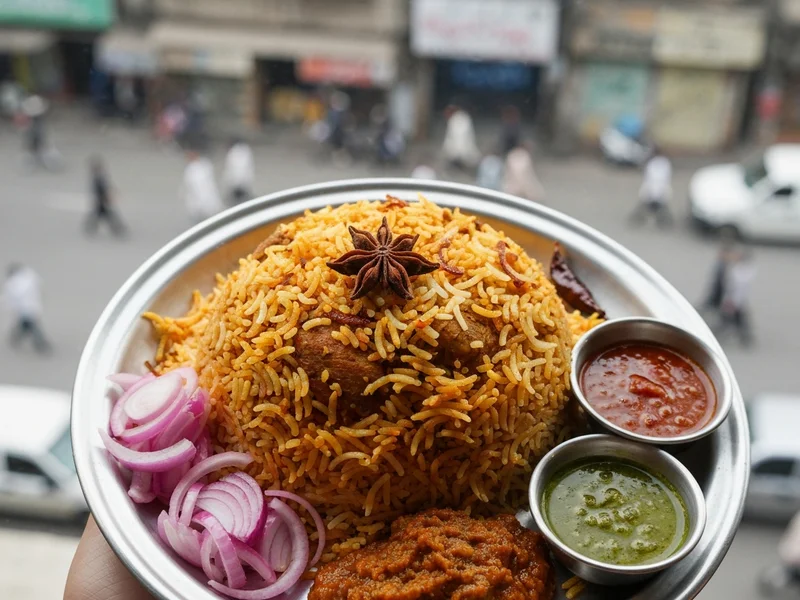
Authentic Karachi Biryani
The iconic Karachi-style biryani — fiery, tangy, loaded with potatoes and prunes. Born in the streets of Karachi, perfected by generations of Muhajir cooks.
Cite This Recipe
Writing about Pakistani food? Use these ready-made citations.
<a href="https://pakistani.recipes/recipes/biryani/karachi-biryani/">Authentic Karachi Biryani</a> — Pakistani Recipes
Tariq Abro. "Authentic Karachi Biryani." Pakistani Recipes, 2024. https://pakistani.recipes/recipes/biryani/karachi-biryani/
Tariq Abro. (2024). Authentic Karachi Biryani. Pakistani Recipes. Retrieved 2026-07-20, from https://pakistani.recipes/recipes/biryani/karachi-biryani/
What Cooks Are Saying
Made this last weekend and the whole family loved it. Will definitely make again.
Incredible depth of flavour. The spice balance is just right — not too hot, not too mild.