
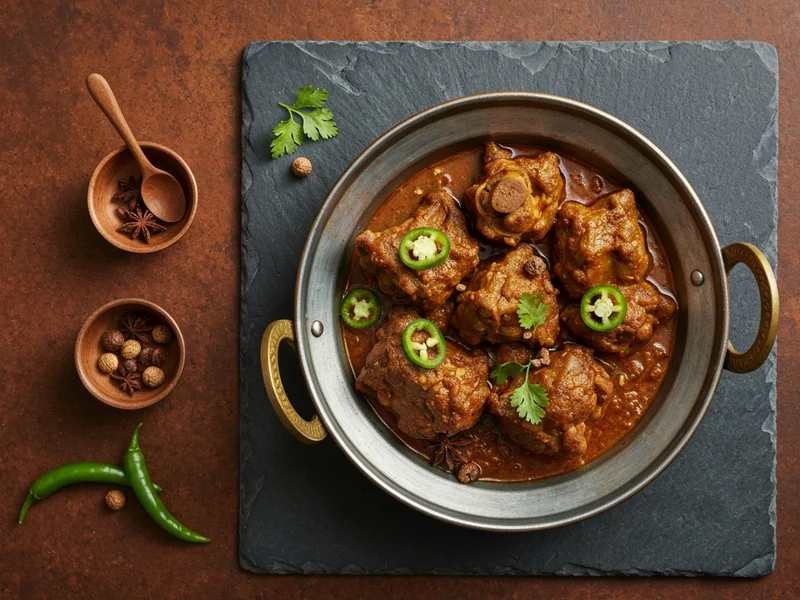
Punjab cuisine
Lahori Paya — Slow-Cooked Trotters
Lahori Paya — Slow-Cooked Trotters is a traditional Punjab Pakistani dish. Lahori Paya is a slow-cooked dish of goat or beef trotters simmered for 6-8 hours until the collagen melts into a rich, gelatinous, deeply spiced gravy. It is traditionally eaten for breakfast (yes, breakfast) in Lahore's old city, served with naan from the tandoor, and considered the ultimate cold-weather restorative.
Paya is the dish that sorts Pakistanis into two camps: those who understand it, and those who haven't had it yet.
In Lahore's old city, paya dhabas open at 4am and close by 9am — it's strictly a pre-dawn breakfast food, consumed after Fajr prayer in winter. The broth is thick, sticky, and richly spiced — almost like a Pakistani bone broth crossed with a very serious curry. You cannot rush paya. The 6-8 hour cook time isn't a suggestion; it's when the magic happens, when collagen dissolves and the broth becomes something that coats a spoon like velvet.
Ingredients
Instructions
- INITIAL CLEAN BOIL: Place the paya (trotters) in a large degh (heavy-bottomed pot) with enough cold water to cover by 3 inches. Add the whole onion, ginger slices, a teaspoon of salt, and half the whole spices. Bring to a full, rolling boil over high heat. Boil for 15 minutes. A large amount of grey-brown foam will rise — this is impurities from the bones. Drain everything through a colander and rinse the paya under cold water. WHY: This parboiling step removes blood, impurities, and that strong offal smell. Skipping it results in a murky, strong-smelling broth that is noticeably less pleasant.
- SLOW BRAISE — THE LONG COOK: Return the cleaned paya to the degh with 2 litres of fresh cold water, the remaining whole spices, and half a teaspoon of salt. Bring to a boil, then reduce heat to the lowest possible setting. Cover with the lid slightly ajar. Simmer for 5-6 hours. Yes — 5 to 6 hours. WHY: The collagen in the trotters needs sustained low heat to dissolve into gelatin. High heat makes the broth cloudy and the meat tough. You want a gentle simmer — a few bubbles breaking the surface every few seconds. HINT: A pressure cooker reduces this to 90 minutes at high pressure. It's a shortcut that works — the texture is slightly different but the flavour is 90% there.
- FRY THE MASALA: About 30 minutes before the paya are done, heat ghee in a separate karahi (wok) over medium-high heat. Add the finely chopped pyaz (onion) and fry for 12-15 minutes until deep golden-brown — deeper than you'd go for most dishes. HINT: Dark brown (not burnt, but genuinely dark) fried onion is what gives Lahori paya its colour and sweet depth. Add the julienned adrak (ginger) and minced lehsan (garlic) — fry for 3 more minutes until fragrant. Add all the ground spices: lal mirch, haldi, dhaniya powder, saunf, and zeera. Cook the masala for 2 minutes, stirring constantly, until it darkens and becomes fragrant — you'll smell the spices blooming.
- COMBINE AND SIMMER: Use a chamcha (ladle) to transfer the cooked paya into the masala karahi along with 2-3 ladlefuls of the broth. Stir well to coat the trotters in the spiced masala. Cook together for 10 minutes, stirring occasionally — the masala should be absorbed by the trotters. Now add the remaining broth from the degh — you want enough liquid to make a thick, flowing gravy (not watery soup, not dry curry). Adjust salt. FUN FACT: The broth from the long-simmered paya is incredibly collagen-rich — it sets to a jelly when cooled. This is the same reason bone broth is fashionable in health circles globally. Lahore's dhaba-walas were ahead of the wellness trend by about 400 years.
- FINAL SIMMER: Let everything simmer together on low heat for 20-25 minutes, partially covered. The broth should thicken slightly — it won't be as thick as a regular curry, but it should coat the back of a spoon. Taste and adjust salt and chilli. The finished paya should look like a deep brown, glossy gravy with the trotters submerged. It should smell intensely aromatic — warm spices, fried onion, and the rich, meaty depth of long-cooked collagen. This is the correct smell.
- SERVE LAHORI-STYLE: Ladle into deep bowls, making sure each bowl gets at least one trotter piece. Garnish generously with fresh julienned adrak (ginger) — not chopped, julienned, which is traditional and important for the texture contrast. Add chopped hara dhania (coriander), sliced hari mirch (green chilli), and a squeeze of nimbu (lemon). Serve with fresh hot naan. The traditional way to eat paya is to suck the soft, cooked meat and marrow from inside the bone — don't be shy about it. That marrow is the best part.
Chef's Secrets
- If you have time, refrigerate the finished paya overnight and reheat the next day. The flavours deepen dramatically and the fat rises to the top and solidifies — skim it off for a cleaner broth or stir it back in for richness.
- The key to great paya broth is patience and low heat. Medium heat makes the broth cloudy and the collagen doesn't break down properly. As low as your stove goes.
- Ask your butcher to crack the hooves slightly — this releases more marrow and collagen into the broth, making it richer and thicker.
- Paya freezes beautifully — make a double batch and freeze portions in zip-lock bags. Reheat directly from frozen in a covered pot over low heat with a splash of water.
- A pressure cooker is a legitimate shortcut: clean-boil first, then pressure cook for 60-90 minutes on high. The texture of the meat is slightly different but the flavour is excellent and you've saved 4 hours.
Common Questions
How long does Lahori Paya — Slow-Cooked Trotters take to make?
Total time is 7h 20m — 20m prep and 7h cooking.
How many servings does this recipe make?
This recipe makes 4 servings, and is rated hard difficulty.
Which region of Pakistan is Lahori Paya — Slow-Cooked Trotters from?
Lahori Paya — Slow-Cooked Trotters is from Punjab, Pakistan — one of the country's most distinctive culinary traditions.
What do you serve with Lahori Paya — Slow-Cooked Trotters?
Serve with hot naan from a tandoor — never with rice. Traditional Lahori accompaniments: sliced raw ginger, green chilli, lemon wedges, and fresh coriander. Followed by chai. This is a winter breakfast dish best eaten in the cold.
Goes Well With
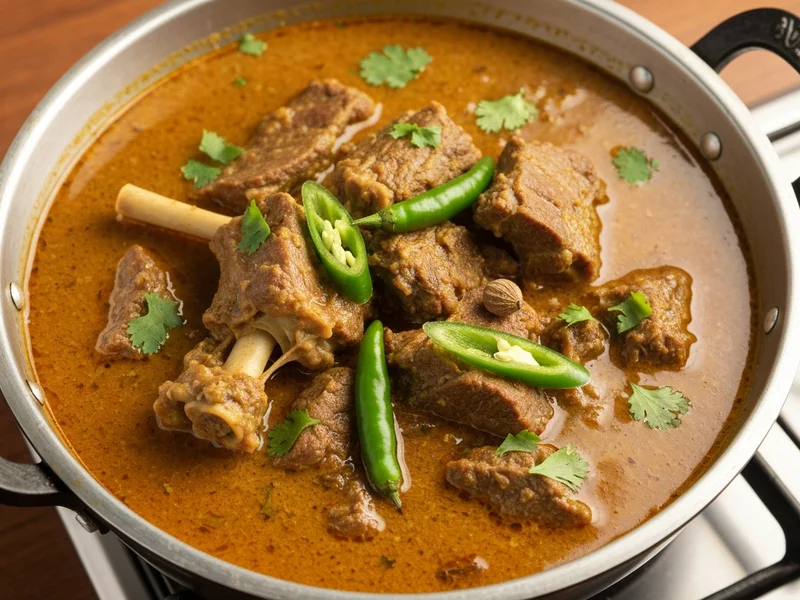
Classic Lahori Nihari
The ultimate slow-cooked breakfast stew — beef shank and bone marrow simmered overnight in a dozen spices. Old Lahore's most legendary dish.
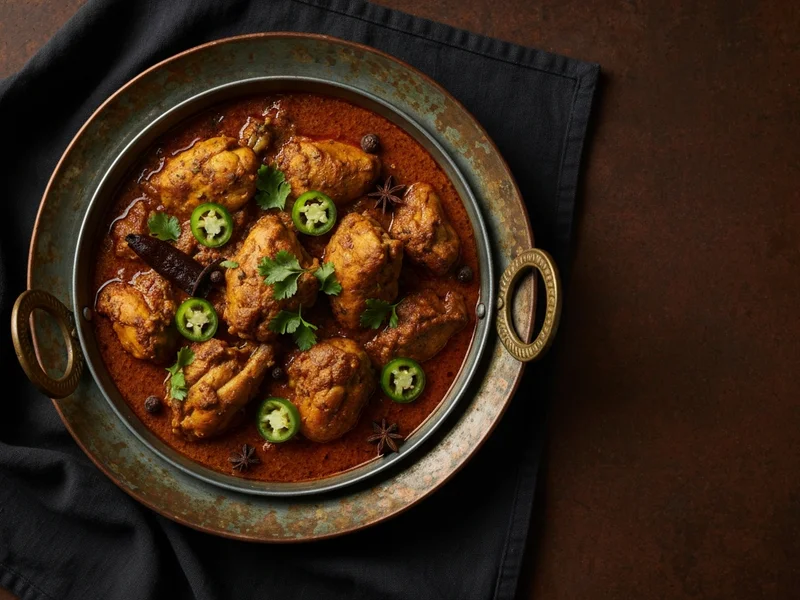
Lahori Chicken Karahi
The quintessential Lahori karahi — chicken pounded with tomatoes, ginger, and green chillies in a wok over roaring heat. No onions, no yoghurt, no shortcuts.
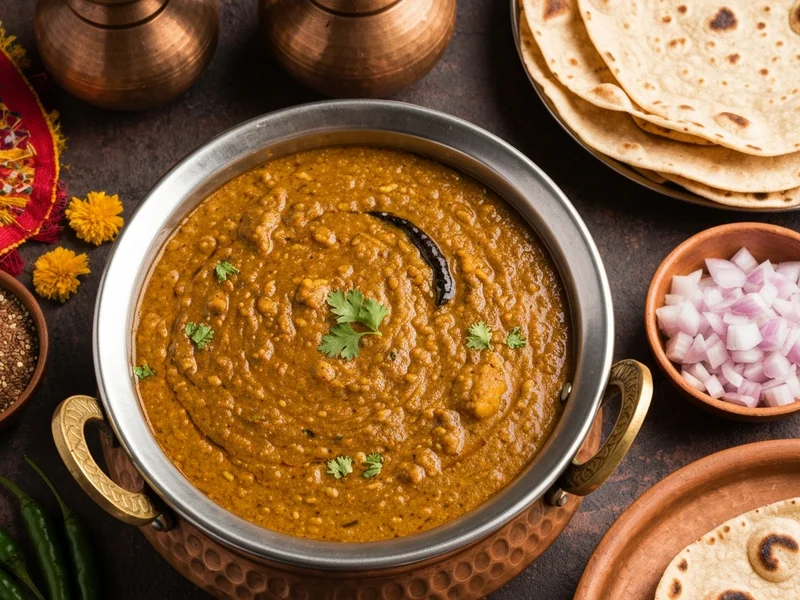
Punjabi Haleem
The Ramadan staple — shredded beef slow-cooked with wheat, barley, and lentils into a thick, silky stew, crowned with fried onions, ginger, lemon, and a drizzle of hot oil.
What Cooks Are Saying
The instructions are so clear and easy to follow. Came out perfectly first try.
Really good recipe. I reduced the chilli slightly for the kids and it worked perfectly.
Leave a Review
Tried this recipe? Share your experience — your review helps other cooks.