

Punjab cuisine
Phirni
Phirni is a traditional Punjab Pakistani dish. A silky, chilled rice pudding that is the definition of elegant simplicity — creamy full-fat milk slowly thickened with coarsely ground soaked rice, perfumed with cardamom and saffron, and set in traditional clay shikoras (bowls) that give it an earthy, cool quality no modern container can replicate. Phirni is the dessert you serve when you want guests to feel truly looked after.
Phirni is Punjab's answer to the question 'what's the most beautiful thing you can make with just milk, rice, and sugar?' Traditionally served at Eid celebrations, weddings, and whenever a special guest graces the house, phirni has been a mark of hospitality in the subcontinent for centuries.
Traditionally it is set in shallow unglazed clay bowls called 'shikoras' which absorb excess moisture and impart a subtle earthy flavour. The key difference between phirni and ordinary kheer is the rice — phirni uses coarsely ground soaked rice (not rice flour, never rice flour), which gives it a slightly textured, creamy body rather than smooth uniformity. The shikora (clay bowl) is not just aesthetic: the porous clay absorbs a little moisture and keeps the phirni delicately cool even at room temperature, with a subtle earthy fragrance that is impossible to fake with plastic or glass.
Ingredients
Instructions
- SOAK AND GRIND THE RICE: Place the rice in a bowl and cover with cold water. Let it soak for 30 minutes minimum — the grains will absorb water and become soft enough to grind. Drain the water completely. Now transfer the soaked rice to a blender or grinder. FUN FACT: This step is where phirni diverges from all other rice puddings. You are NOT making rice flour — you want a rough, coarse grind with some texture remaining. Pulse the blender 4-5 times in short bursts, checking the texture each time. The ideal consistency is like coarse wet sand — gritty, not smooth. WHY: The coarse grind gives phirni its signature slightly-textured body. Too fine and you'll get a gluey pudding; too coarse and it won't set properly.
- BLOOM THE SAFFRON: Take 2 tablespoons of the milk and warm it slightly (just warm, not boiling). Add the zafran to this warm milk and let it sit for 10-15 minutes. You'll see the milk turn a beautiful deep golden-orange and the saffron threads will release their colour. HINT: This step unlocks the full flavour and colour of saffron. Saffron added directly to a large pot of simmering milk will get 'lost' and give you much less of its golden magic. Set this aside for later.
- SIMMER THE MILK: Pour the remaining milk into a heavy-bottomed pateela (saucepan) or degh. Place on medium heat and bring to a gentle boil, stirring frequently with a chamcha. Once it reaches a boil, reduce the heat to medium-low. WHY: We want a gentle simmer, not a rolling boil — too much heat and the milk will scorch on the bottom or boil over dramatically. Let the milk simmer for 5-7 minutes, stirring often, until it reduces very slightly and you can see it has thickened just a little.
- ADD THE RICE PASTE: Add 2-3 tablespoons of the hot milk from the pot into your ground rice and mix it to form a smooth slurry — this prevents lumps when you add it to the pot. Now pour this rice slurry slowly into the simmering milk while stirring constantly with a chamcha in a figure-eight motion. HINT: Pour in a thin stream, not all at once, while stirring continuously. If you dump it all in at once you'll get lumps that are very hard to remove later. The mixture will immediately start to thicken as the rice starch cooks.
- COOK UNTIL THICKENED: Keep stirring continuously on medium-low heat for 20-25 minutes. The phirni will thicken progressively — you'll see it go from thin milk to a creamy, flowing consistency like a thick custard. It should coat the back of a spoon thickly. To test: dip a spoon in and draw a line through the coating with your finger — if the line holds without the phirni running back in to fill it, it's ready. HINT: Don't rush this step by turning the heat up — higher heat causes the bottom to scorch and the milk proteins to separate. Patience here is everything. Add the cardamom seeds, saffron milk, and kewra essence during the last 5 minutes of cooking.
- SWEETEN AND TASTE: Add the cheeni and stir until fully dissolved — about 2 minutes. Taste and adjust sweetness. FUN FACT: Phirni is traditionally served cold, and cold things need more sweetness to taste the same as warm things (your taste buds are less sensitive when food is chilled). So if it tastes slightly over-sweet when hot, it will taste perfectly balanced when cold. Keep this in mind when adjusting.
- SET IN SHIKORAS: Carefully ladle the hot phirni into individual shikoras (clay bowls) — or any small bowls if clay isn't available. Fill each one about 3/4 full as the phirni won't expand but you need room for garnish. Let them cool at room temperature for 15-20 minutes, then carefully transfer to the refrigerator. FUN FACT: The shikora actually draws a tiny amount of moisture from the phirni as it sets, which concentrates the flavour and gives that distinctive dry-touch surface. It also stays cool for longer because clay is a natural insulator. Refrigerate for at least 3-4 hours — overnight is ideal.
- GARNISH AND SERVE: Just before serving, arrange the sliced pista, badam, and gulab ki pattian on top of each phirni. Serve straight from the refrigerator — phirni must be served chilled. HINT: Do the garnishing right before serving, not before refrigerating, so the nuts don't go soggy overnight.
Essential for This Recipe
As an Amazon Associate, we earn from qualifying purchases
Basmati Rice (Guard or Kernel Brand)
Essential for biryanis and pulaos — look for long grains that stay separate and don't break
Green Cardamom Pods (Elaichi)
The fragrant heart of biryanis, pulaos, chai, and desserts — use whole pods for best flavor
Saffron Threads (Zafran)
The luxury spice for biryanis, zarda, kheer, and special occasions — adds golden color and floral elegance
Chef's Secrets
- Use the oldest, most full-fat milk you can find — the higher fat content gives phirni its signature richness
- If shikoras are unavailable, use ceramic ramekins — they retain cold and have a similar porous quality to clay
- Phirni sets more firmly in the refrigerator than it appears on the stovetop — if it looks slightly too thin, don't panic; trust the chilling process
- Leftover phirni will thicken further overnight; a splash of cold milk stirred in will loosen it
- For a saffron-forward flavour, bloom the saffron in warm milk 30 minutes in advance instead of 10
Common Questions
How long does Phirni take to make?
Total time is 1h 15m — 40m prep and 35m cooking.
How many servings does this recipe make?
This recipe makes 6 servings, and is rated medium difficulty.
Which region of Pakistan is Phirni from?
Phirni is from Punjab, Pakistan — one of the country's most distinctive culinary traditions.
What do you serve with Phirni?
Served chilled in individual shikoras as a standalone dessert. Perfect after a heavy meal like biryani or nihari. Also traditionally served at Eid and wedding celebrations.
Goes Well With

Phirni for Eid — Saffron Rice Pudding in Clay Pots
Creamy Punjabi phirni made with coarsely ground rice cooked in full-fat milk until silky, set in traditional clay pots (matke) and chilled overnight with saffron and cardamom. The dessert that tells guests they are truly welcome — set in matke and garnished with silver leaf.
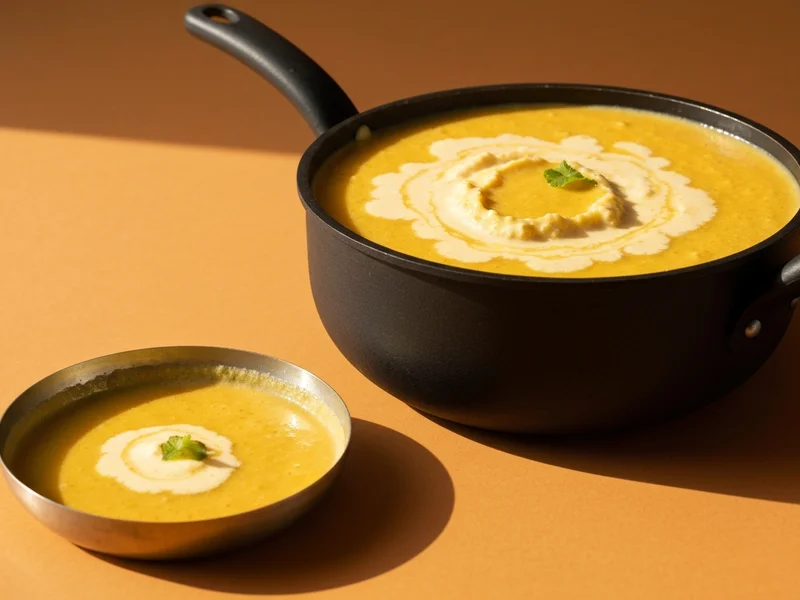
Sheer Khurma
The Eid morning vermicelli pudding — toasted sevaiyan simmered in sweetened milk with dates, pistachios, almonds, and cardamom. No Eid is complete without it.
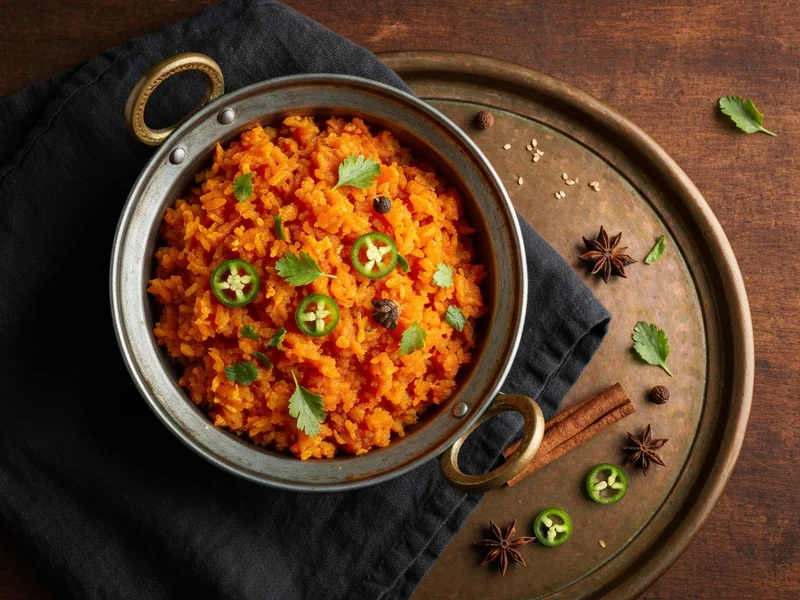
Gajar Ka Halwa — Classic Pakistani Carrot Dessert
Gajar ka halwa is Pakistan's most beloved winter dessert — slow-cooked grated carrots in full-fat milk, sugar, and cardamom, finished with a shower of nuts and a knob of ghee. Rich, aromatic, and impossibly comforting, it turns a humble root vegetable into something genuinely spectacular.
Cite This Recipe
Writing about Pakistani food? Use these ready-made citations.
<a href="https://pakistani.recipes/recipes/gajar-ka-halwa/gajar-ka-halwa/">Gajar Ka Halwa — Classic Pakistani Carrot Dessert</a> — Pakistani Recipes
Zainab Tariq. "Gajar Ka Halwa — Classic Pakistani Carrot Dessert." Pakistani Recipes, 2024. https://pakistani.recipes/recipes/gajar-ka-halwa/gajar-ka-halwa/
Zainab Tariq. (2024). Gajar Ka Halwa — Classic Pakistani Carrot Dessert. Pakistani Recipes. Retrieved 2026-07-20, from https://pakistani.recipes/recipes/gajar-ka-halwa/gajar-ka-halwa/
What Cooks Are Saying
Absolutely delicious! The flavours are spot on — tastes just like what I grew up eating.
This recipe is a keeper. Followed it exactly and it turned out perfect.
My husband said it's the best he's ever had. Coming from him that means everything!