

Punjab cuisine
Pinni
Pinni is a traditional Punjab Pakistani dish. Punjabi winter energy balls made by slow-roasting whole wheat flour in ghee until toasted and golden, then mixed with powdered sugar, dried ginger, cardamom, and a generous handful of chopped nuts, and rolled into firm round balls while still warm. Dense, wholesome, and impossible to eat just one.
Pinni is one of Punjab's oldest traditional foods — a winter warmer that predates modern confectionery by centuries.
It is still prepared in Punjabi households in large batches in December and January. Made from atta (whole wheat flour) roasted in ghee with warming spices like sonth (dried ginger) and elaichi (cardamom), pinni was traditionally given to new mothers after childbirth to aid recovery, served at weddings to provide energy, and consumed during the cold months of January and February when the body craves dense, warming food. The combination of slow-roasted wheat, ghee, and dried ginger is not just delicious — according to traditional Pakistani hakimi (Unani medicine) wisdom, these ingredients together generate internal warmth, strengthen joints, and provide sustained energy. Modern nutrition backs this up: pinni is calorie-dense, high in complex carbohydrates, healthy fats, and anti-inflammatory compounds from the ginger and cardamom.
Ingredients
Instructions
- OPTIONAL — FRY THE GOND: If using gond (edible gum crystals), prepare it first. Heat 2 tablespoons of extra ghee in a small pan until very hot. Add the gond crystals — they will puff up dramatically within seconds, expanding to 4-5 times their original size and turning white and foam-like. Remove immediately with a slotted spoon before they over-puff and burn. Drain on a paper towel and once cooled, crush them coarsely in a mortar and pestle or with a rolling pin. Set aside. FUN FACT: Gond is literally tree sap — it comes from Sterculia urens trees and has been used in South Asian cooking and traditional medicine for centuries. It has a neutral flavour and adds a unique crunchy-light texture to pinni. It's also considered warming and strengthening in Unani medicine, making it perfect in a winter snack.
- ROAST THE ATTA: Place a heavy karahi (wok) or thick-bottomed degh on medium-low heat. Add 0.75 cup ghee and let it melt and heat through. Add all 2 cups of atta to the hot ghee and start stirring immediately with a chamcha. WHY: The ghee must coat every particle of flour for even roasting. If the flour is added to cold ghee it absorbs unevenly. Keep the heat at medium-low throughout — high heat will burn the outside of the flour before the inside is cooked. Stir continuously and consistently for the next 25-35 minutes. HINT: Set a timer so you can track progress without constant clock-watching. This is longer than it sounds — get comfortable.
- WATCH FOR THE COLOUR AND SMELL: Just like besan ka halwa, the atta goes through visible stages during roasting. First 10 minutes: Pale tan, raw wheat smell — like uncooked dough. Minutes 10-20: Colour deepens to a warm light brown; a toasty, nutty aroma emerges. Minutes 20-35: The flour turns a golden-brown colour (think the colour of cardboard boxes — a warm, even tan) and the smell becomes deeply fragrant, like freshly baked bread mixed with butter. This is the moment. The ghee may appear to separate and pool slightly around the edges. The atta should feel slightly dry and grainy, not clumping together. FUN FACT: The Maillard reaction happening here is the same chemical process that makes toasted bread and roasted coffee smell incredible. You're essentially 'cooking' the flour completely in fat rather than water.
- REMOVE FROM HEAT AND COOL SLIGHTLY: Once the atta is perfectly golden and fragrant, remove the karahi from the heat immediately — residual heat will continue cooking the flour, so don't delay. Transfer to a large mixing bowl or leave in the karahi if it's wide enough. Let it cool for 10-15 minutes — it should still be warm to the touch but not scalding hot. HINT: The mixing step needs to happen while the atta is still warm — if it cools completely the ghee solidifies and the mixture becomes crumbly and won't bind into balls properly. Warm + ghee = pliable and rollable.
- MIX IN SUGAR AND SPICES: To the warm roasted atta, add: pisi cheeni, sonth, elaichi powder. Mix thoroughly with a chamcha or clean hands until completely combined — the sugar will melt slightly into the warm atta and disappear, and the spices will distribute evenly. The mixture will smell incredible at this stage — the cardamom and dried ginger against the toasted wheat is one of the great fragrance combinations in Pakistani cooking. Taste the mixture — it should be pleasantly sweet with a warm, spiced depth. Adjust sugar if needed.
- ADD NUTS AND OPTIONAL INGREDIENTS: Add the chopped pista, badam, giri (coconut), chironji, and chopped kharaak if using. Add the crushed gond if you prepared it. Mix everything together until evenly distributed. The mixture should feel like soft, slightly warm sand at this point — granular but cohesive enough to press together.
- ROLL INTO PINNI BALLS: While the mixture is still warm (work quickly — it becomes harder to shape as it cools), take 2 heaped tablespoons of mixture (roughly the size of a large walnut) and press firmly together in your palm. Roll between your palms with firm pressure in circular motions until you form a smooth, round ball. The warmth of your hands helps bind everything together. HINT: If the mixture is too crumbly to hold together, it may have cooled too much. Return the bowl to low heat for 1-2 minutes, stirring gently, to re-warm the ghee. If still too crumbly, add 1-2 teaspoons of extra softened ghee and mix in. If it holds shape when pressed but cracks on the surface, that's fine — pinni doesn't need to be perfectly smooth.
- SET AND STORE: Place the finished pinni balls on a plate and let them cool completely — about 30 minutes at room temperature. As they cool, the ghee will solidify and the pinni will firm up significantly from soft and yielding to a firm, dense ball. FUN FACT: A properly made pinni should be firm enough to hold its shape at room temperature even in summer, but should yield and crumble when you bite into it. If it's too hard and crumbly, the atta was over-roasted or too much sugar was used. If it's too soft and oily, the atta was under-roasted. Store in an airtight dabba (container) at room temperature for up to 3 weeks — pinni keeps exceptionally well because there's no water content.
Essential for This Recipe
As an Amazon Associate, we earn from qualifying purchases
Pure Ghee (Clarified Butter)
The authentic cooking fat for Pakistani dishes — adds rich flavor that oil can't match
Green Cardamom Pods (Elaichi)
The fragrant heart of biryanis, pulaos, chai, and desserts — use whole pods for best flavor
Chef's Secrets
- The roasting time varies slightly depending on your karahi size and stovetop — judge by colour and smell, not time alone
- For maximum flavour, use desi ghee (clarified butter from buffalo or cow milk) rather than commercial vegetable ghee
- If the mixture is too warm and sticky to roll, refrigerate for 5 minutes — just enough to firm the ghee without making it too cold
- Adding 2 tablespoons of roasted and ground flaxseeds (alsi) is a traditional addition that adds omega-3s and a nutty flavour
- Pinni is traditionally gifted during the winter months, at weddings, and after childbirth — make a double batch for gifting
Common Questions
How long does Pinni take to make?
Total time is 55m — 15m prep and 40m cooking.
How many servings does this recipe make?
This recipe makes 12 servings, and is rated easy difficulty.
Which region of Pakistan is Pinni from?
Pinni is from Punjab, Pakistan — one of the country's most distinctive culinary traditions.
What do you serve with Pinni?
Served at room temperature as a winter snack or dessert. Traditionally eaten in the morning with doodh (milk) for sustained energy. Also a traditional gift during winters, weddings, and post-natal recovery. Store in a tin or airtight container — they last up to 3 weeks.
Goes Well With
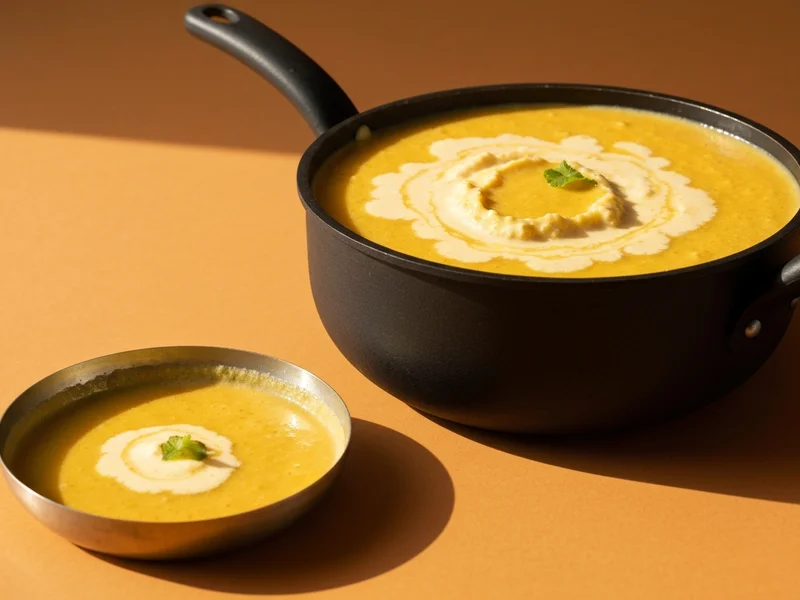
Sheer Khurma
The Eid morning vermicelli pudding — toasted sevaiyan simmered in sweetened milk with dates, pistachios, almonds, and cardamom. No Eid is complete without it.
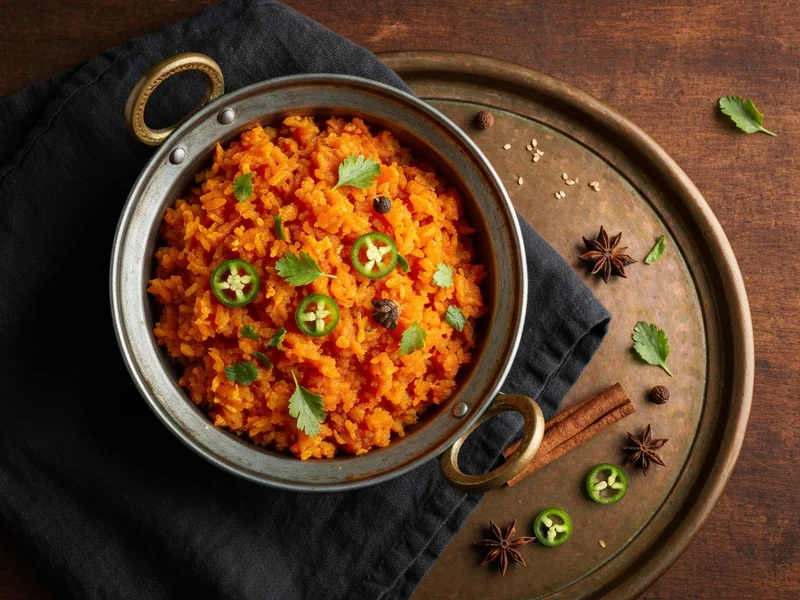
Gajar Ka Halwa — Classic Pakistani Carrot Dessert
Gajar ka halwa is Pakistan's most beloved winter dessert — slow-cooked grated carrots in full-fat milk, sugar, and cardamom, finished with a shower of nuts and a knob of ghee. Rich, aromatic, and impossibly comforting, it turns a humble root vegetable into something genuinely spectacular.
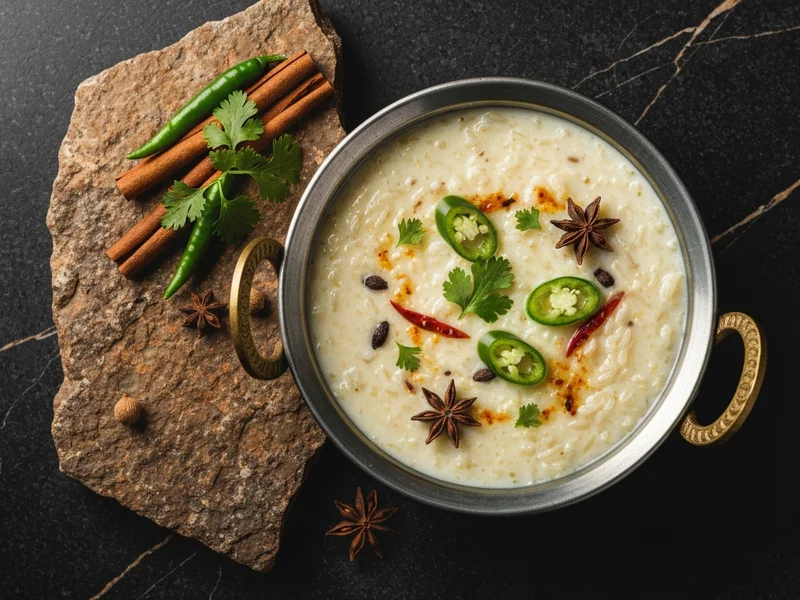
Doodh Chawal Kheer — Pakistani Rice Pudding
Kheer is the quintessential Pakistani celebration dessert — rice slow-cooked in full-fat milk until creamy and thick, perfumed with cardamom and saffron, and crowned with pistachios and silver leaf. It appears at every eid, wedding, and birth celebration across the country.
Cite This Recipe
Writing about Pakistani food? Use these ready-made citations.
<a href="https://pakistani.recipes/recipes/kheer/doodh-chawal-kheer/">Doodh Chawal Kheer — Pakistani Rice Pudding</a> — Pakistani Recipes
Ayesha Noor. "Doodh Chawal Kheer — Pakistani Rice Pudding." Pakistani Recipes, 2024. https://pakistani.recipes/recipes/kheer/doodh-chawal-kheer/
Ayesha Noor. (2024). Doodh Chawal Kheer — Pakistani Rice Pudding. Pakistani Recipes. Retrieved 2026-07-20, from https://pakistani.recipes/recipes/kheer/doodh-chawal-kheer/
What Cooks Are Saying
Incredible depth of flavour. The spice balance is just right — not too hot, not too mild.
Made this last weekend and the whole family loved it. Will definitely make again.