
Punjab cuisine
Wedding Pilau (Dawat Wala Pulao)
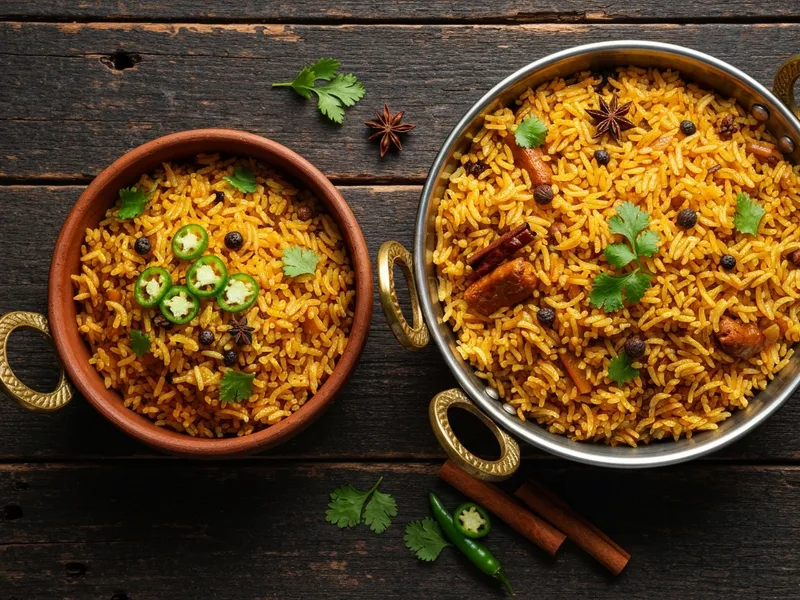
Wedding Pilau (Dawat Wala Pulao) is a traditional Punjab Pakistani dish. Wedding Pilau is the ultimate celebration pulao of Punjab — the dish that appears at every mehendi, baraat, and walima, scaled for crowds and made with a generosity of ghee and spices that marks every grain as something special. This home version captures that celebratory magic.
There's a flavour that every Pakistani knows — the taste of wedding food.
This communal cooking tradition continues at traditional Punjabi weddings. Not restaurant food, not everyday home cooking, but that specific combination of slow-cooked meat, fragrant yakhni, and perfectly cooked basmati that shows up at weddings, Eids, and once-in-a-year occasions. Wedding Pilau (Dawat Wala Pulao) is the rice dish version of that flavour — it's what makes guests plate a second helping before they've finished their first. The secret? It's not one secret, it's several: proper yakhni, generous ghee, the right ratio of meat to rice, and enough cooking time to let the flavours fully develop. Fun fact: At traditional Punjabi weddings, the mutton pulao is cooked by a professional called a 'bawarchi' — a cook who specialises in large-scale dawat cooking and whose reputation lives or dies by the quality of the pulao. This recipe distils their techniques for the home kitchen.
Ingredients
Instructions
- BUILD THE WEDDING YAKHNI: In the largest pot you have, add mutton with 3 litres water, quartered onion, 2 tbsp adrak lehsan paste, yogurt (250g), half the whole spices, and generous salt. Bring to boil, then simmer covered for 80-90 minutes until mutton is completely tender and falling off the bone. HINT: The yakhni for a wedding pulao should be dark, rich, and incredibly fragrant. Don't rush this stage — 90 minutes of slow simmering creates a stock with a depth that simply cannot be shortcut.
- STRAIN AND MEASURE: Remove mutton. Strain the stock carefully. You need 2.25 litres for 1.5kg rice (1:1.5 ratio). Simmer to reduce if needed or top up with water. Taste — it should be robustly flavoured. HINT: For a large batch, getting the liquid measurement right is critical. Too much water and you have a pot of wet, mushy rice. Use a measuring jug and be precise.
- MAKE THE GRAND TARKA: Heat all the ghee in the largest heavy pot. Add zeera, kali zeera, and remaining whole spices. Let them bloom for 1 minute — the fragrance should fill the room. Add all sliced onions and cook slowly, stirring regularly, 20-25 minutes until deep golden. Add remaining adrak lehsan paste and cook 2 minutes. Add remaining yogurt and bhunao 5 minutes. HINT: The grand tarka is where the wedding flavour is built — the quantity of ghee, the long onion cook, and the whole spice bloom are what make this unmistakably dawat food.
- COMBINE YAKHNI AND COOK RICE: Add all the yakhni to the tarka pot. Return mutton pieces. Bring to a rolling boil. Taste and adjust salt — season boldly. Add soaked basmati (soaked 45 minutes for this recipe). Stir once carefully. Return to boil, then reduce to lowest heat. Add kewra water. Cover tightly and cook 25-28 minutes. Rest 15 minutes before opening. HINT: 1.5kg of rice needs slightly longer than smaller batches — 25-28 minutes on very low heat.
- THE DAWAT REVEAL: Open the pot to a cloud of fragrant steam. Fold from the bottom in large, confident strokes. Transfer to large serving platters — one won't be enough. The rice should be fluffy, fragrant, glistening with ghee, and punctuated with tender pieces of mutton. This is what dawat smells like.
- THE FINAL FLOURISH: After the 15-minute rest, open the pot ceremonially — this is the moment guests have been waiting for. The cloud of fragrant steam that escapes is the dawat announcing itself. Fold the pulao in large, slow strokes using a flat ladle. Transfer to the largest serving platter you have. Drizzle 2 more tablespoons of warm ghee over the top. HINT: At a proper dawat, the pulao platter is carried to the table by someone and the room goes quiet when the lid comes off — this is a food culture that takes rice seriously. Live up to that moment.
Chef's Secrets
- The 1:1.5 rice-to-water ratio is sacrosanct — measure precisely, especially for large batches
- Six pods of black cardamom (badi elaichi) in the yakhni and more in the tarka is the correct, generous wedding quantity
- Star anise in the tarka adds a faint warmth that is characteristic of traditional dawat cooking
- Kewra water added just before covering is the finishing touch that makes pulao smell celebratory
- Practice this recipe at home before making it for a dawat — the technique is the same but scale requires experience
Common Questions
How long does Wedding Pilau (Dawat Wala Pulao) take to make?
Total time is 3h 10m — 40m prep and 2h 30m cooking.
How many servings does this recipe make?
This recipe makes 10 servings, and is rated hard difficulty.
Which region of Pakistan is Wedding Pilau (Dawat Wala Pulao) from?
Wedding Pilau (Dawat Wala Pulao) is from Punjab, Pakistan — one of the country's most distinctive culinary traditions.
What do you serve with Wedding Pilau (Dawat Wala Pulao)?
Serve with boondi raita, kachumber salad, achar, naan, and a green salad. At a wedding, this is followed by kheer or gulab jamun for dessert.
Goes Well With
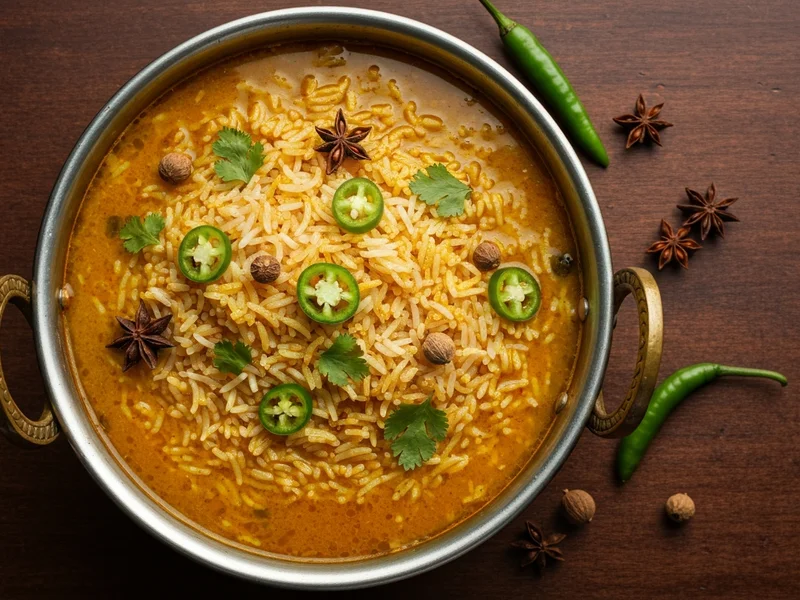
Yakhni Pulao
Yakhni Pulao is fragrant, one-pot rice cooked in a slow-simmered meat broth (yakhni) with whole spices. Lighter and more delicate than biryani, this is the dish that proves understated can be unforgettable.
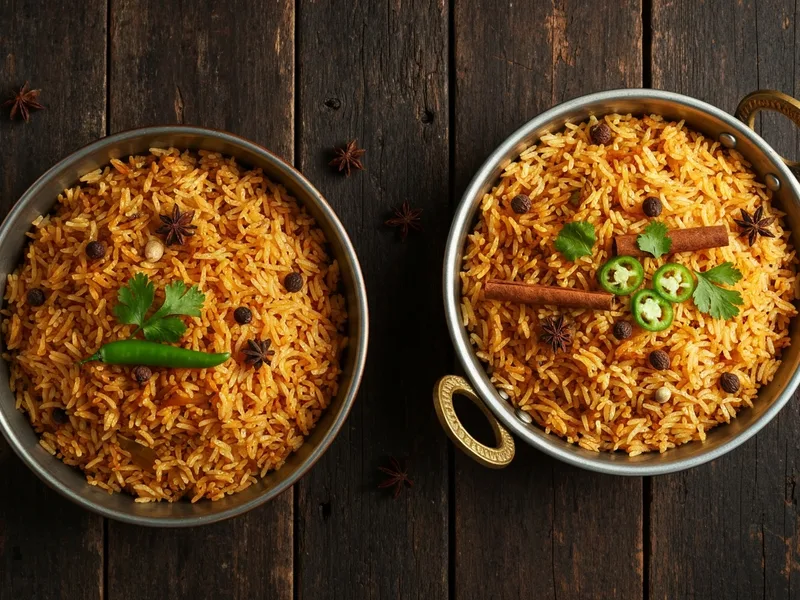
Kabuli Pulao (Afghan-Peshawari Rice)
Afghanistan's national dish — long-grain basmati rice cooked in rich lamb stock, crowned with caramelised julienned carrots, plump raisins, and slivered almonds. Mildly sweet, deeply fragrant, impossibly elegant.
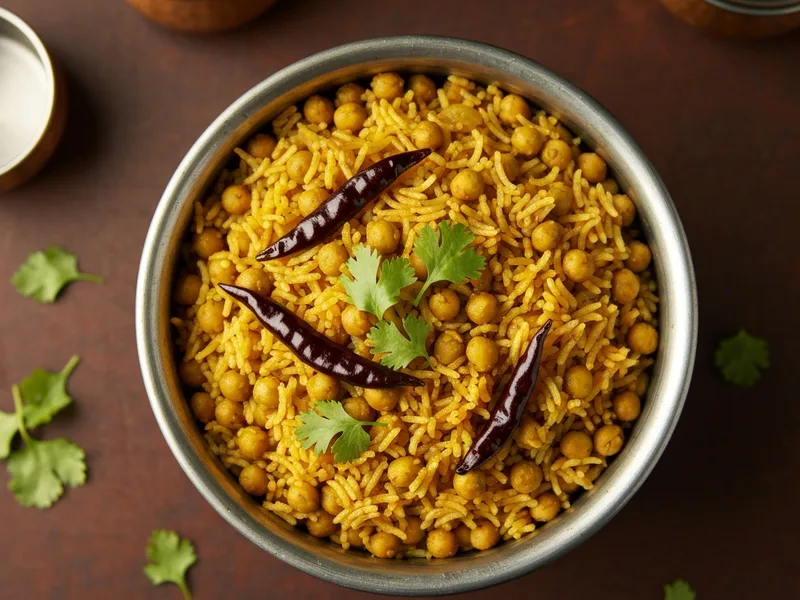
Chana Pulao
Fragrant basmati rice cooked with whole boiled chickpeas — no meat, loads of flavour. An economical, filling pulao made for large gatherings and beloved across Punjab.
What Cooks Are Saying
Absolutely delicious! The flavours are spot on — tastes just like what I grew up eating.
Really good recipe. I reduced the chilli slightly for the kids and it worked perfectly.
Leave a Review
Tried this recipe? Share your experience — your review helps other cooks.