
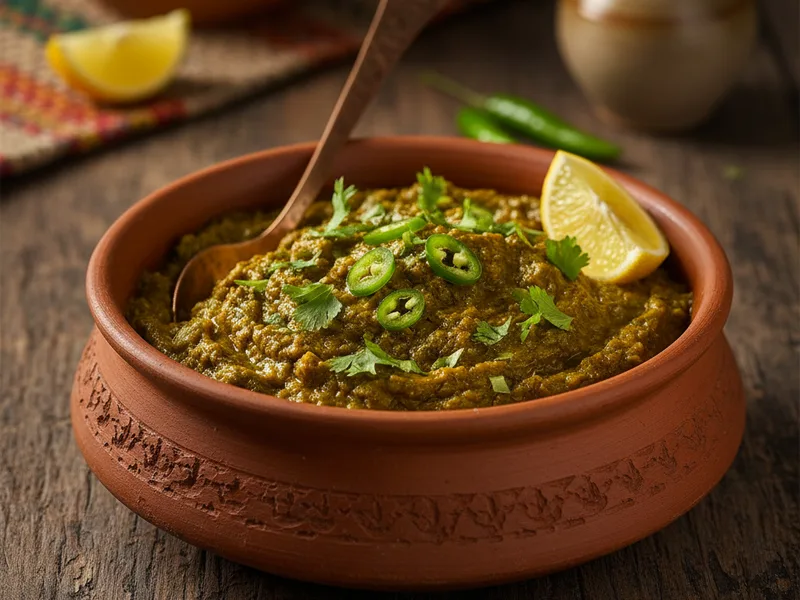
South Punjab cuisine
Sarson Saag South Punjab
Sarson Saag South Punjab is a traditional South Punjab Pakistani dish. South Punjab's Sarson Saag is the more rustic, more robust cousin of the famous Lahori version — cooked longer, spiced more assertively, and always finished with a cloud of white butter. This is the real deal.
South Punjab — Multan, Bahawalpur, Dera Ghazi Khan — has a saag culture that makes even Lahoris respectful.
The iconic combination of sarson da saag and makki di roti is considered the most authentic expression of Punjabi peasant cuisine. Here, sarson (mustard greens) grow in vast fields, and the local sarson ka saag is a different beast: earthier, more bitter, and cooked longer over wood fires in heavy iron karahi. This is agricultural Pakistan at its most authentic. Fun fact: Pakistan is one of the world's largest producers of mustard — the same plant whose seeds give us our beloved rai (mustard seeds) also gives us sarson greens. The traditional South Punjab method involves cooking the saag for 2-3 hours, which breaks down the tough fibres completely and mellows the bitterness into sweetness. Yes, hours — but this is a dish you make once and people remember forever. The makkai atta (corn flour) added at the end is the thickening technique unique to this region. Get ready for the best sarson saag of your life.
Ingredients
Instructions
- PREP AND BOIL GREENS: Roughly chop all greens (sarson, paalak, bathua). Place in a large heavy pot with 400ml water, 1 tsp salt, and whole hari mirch. Bring to boil, reduce heat to low, and cook covered for 60-90 minutes. HINT: The long cooking is not a mistake — it's the technique. Add water in small splashes if it looks dry.
- MASH THE SAAG: Once greens are completely soft (they should collapse when pressed), use a wooden mathni (hand blender/ladle) or potato masher to mash the saag. Don't use a blender — you want texture, not baby food. South Punjab style saag has body.
- ADD CORN FLOUR: Mix makkai atta with 4 tbsp water to make a smooth paste. Add to the mashed saag, stirring continuously. Cook 15 minutes more on low heat. This thickens the saag and adds the characteristic South Punjab flavour.
- MAKE THE TARKA: In a separate karahi, heat 4 tbsp ghee on high heat. Add 2 sliced piyaz and cook until very deeply caramelised — almost crunchy at edges. Add adrak lahsun paste, cook 3 minutes. Add tamatar and laal mirch powder. Cook until oil separates completely.
- COMBINE: Add the tarka to the saag and mix vigorously. Cook together on medium heat for 15 minutes. The saag should be very thick and pulling away from the sides of the pot.
- FINISH AND SERVE: Heat remaining 1 tbsp ghee in a small pan, fry the remaining sliced piyaz until crispy. Use as topping along with a large knob of makhan placed directly on the hot saag at the table. It melts into the saag as you eat — perfection.
Chef's Secrets
- The longer you cook sarson, the sweeter and less bitter it becomes — resist impatience
- Makkai atta is the traditional thickener — it's what separates authentic Punjabi saag from imitations
- Saag improves dramatically the next day — make double and reheat with a fresh tarka
- The makhan (white butter) on top is not a garnish — it's a core part of the flavour. Use good quality fresh butter
Common Questions
How long does Sarson Saag South Punjab take to make?
Total time is 2h 30m — 30m prep and 2h cooking.
How many servings does this recipe make?
This recipe makes 6 servings, and is rated hard difficulty.
Which region of Pakistan is Sarson Saag South Punjab from?
Sarson Saag South Punjab is from South Punjab, Pakistan — one of the country's most distinctive culinary traditions.
What do you serve with Sarson Saag South Punjab?
Serve with makki ki roti (corn flatbread) — the classic and only correct pairing. A glass of fresh lassi (buttermilk) on the side is non-negotiable. Finish the meal with gur (jaggery) for a traditional South Punjab experience.
Goes Well With
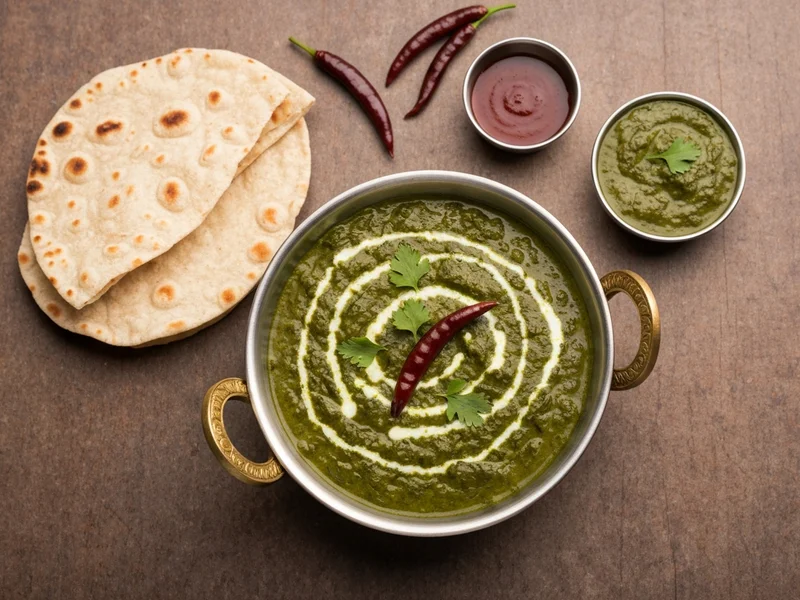
Sarson Ka Saag
Sarson Ka Saag is Punjab's winter soul food — slow-cooked mustard greens with spinach and spices, finished with ghee-fried garlic and served with makki ki roti (cornbread). A dish so tied to Punjabi identity that it's practically a passport.
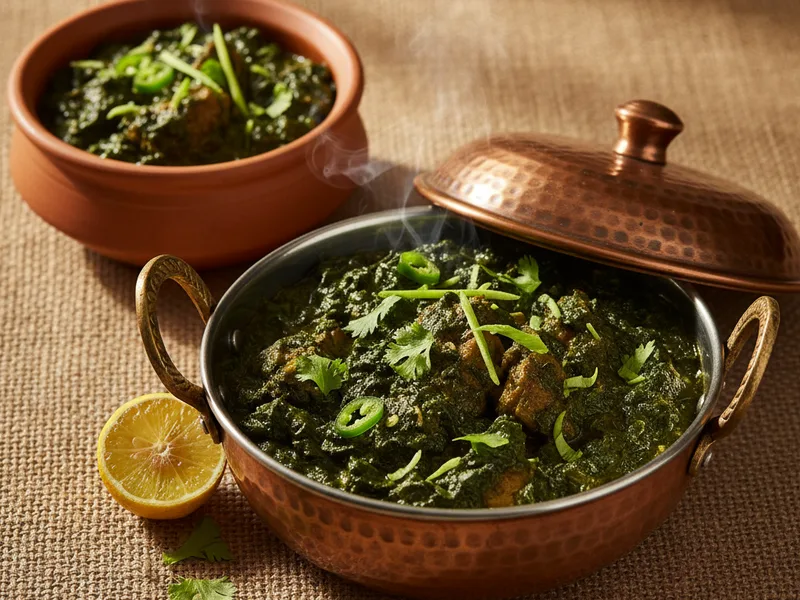
Paalak Gosht
Paalak Gosht is a luxurious Punjabi curry of tender mutton slow-cooked in a vibrant spinach gravy, fragrant with whole spices and enriched with cream. Nutritious never tasted this indulgent.
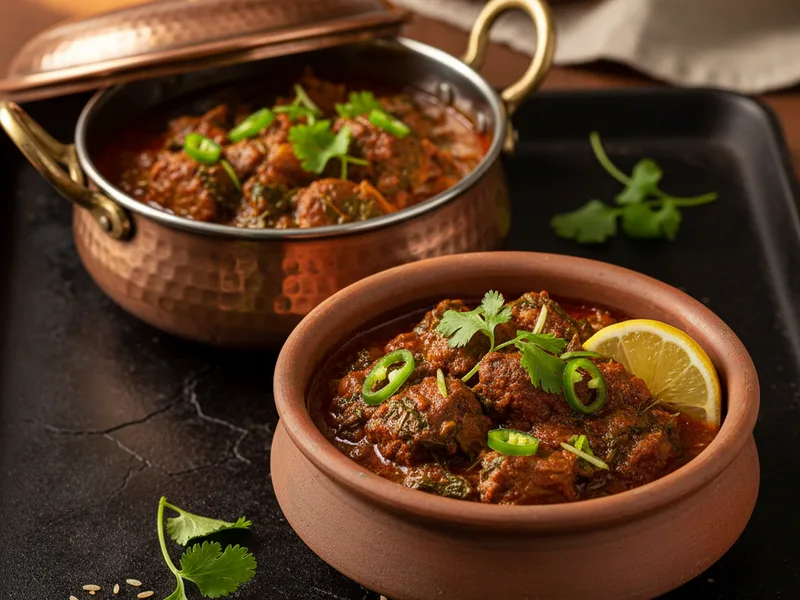
Methi Gosht
Methi Gosht is a distinctive Punjabi curry where the pleasantly bitter fenugreek leaves transform tender mutton into an aromatic, complex dish unlike any other. An acquired taste that becomes an obsession.
What Cooks Are Saying
Authentic taste, clear steps. Exactly what I was looking for.
It was okay — not quite like what I'm used to but edible. Might try adjusting the spices next time.
Leave a Review
Tried this recipe? Share your experience — your review helps other cooks.