
Sindh cuisine
Sai Bhaji Karachi
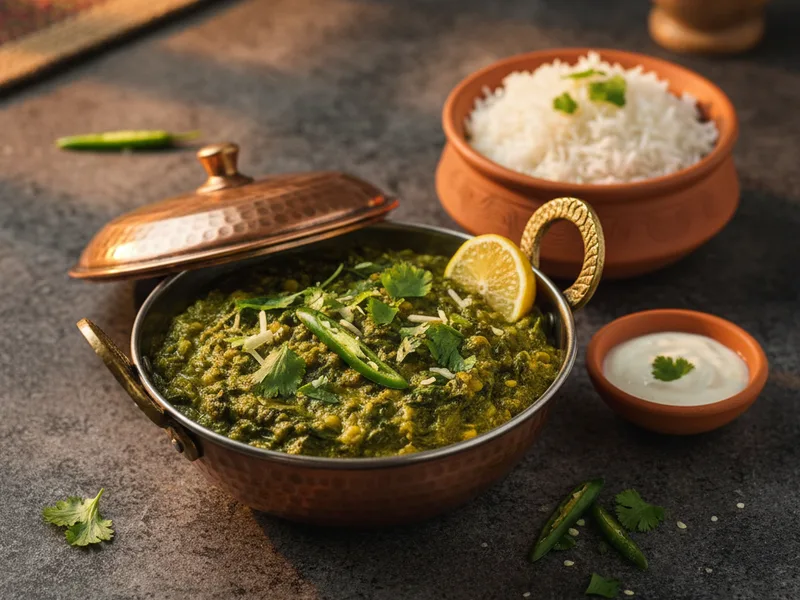
Sai Bhaji Karachi is a traditional Sindh Pakistani dish. Sai Bhaji is Sindh's legendary iron-rich mixed greens and dal dish — a nutritional powerhouse simmered until velvety, with a signature tempering of garlic and whole spices that makes it utterly irresistible.
If Sindhi cuisine had a signature vegetarian dish to represent it to the world, it would be sai bhaji.
It is considered the ultimate Sindhi comfort food and is closely associated with the Sindhi Hindu diaspora who carried the recipe out of Sindh after Partition. 'Sai' means green in Sindhi. The name literally means 'green vegetables' (sai = green, bhaji = vegetable) and it is exactly that — a glorious jumble of spinach, fenugreek, dill, and other greens, cooked with chana dal into a thick, dark, deeply nutritious paste. Fun fact: sai bhaji is so nutrient-dense that it's often prescribed by Pakistani dietitians as a recovery food — it's loaded with iron, folate, and protein from the dal. Karachi's Sindhi families have been making this for generations, and every household has their own vegetable combination. The key is the garlic tarka at the end — sliced lahsun (garlic) cooked in ghee until golden and poured over the finished dish. That sizzle, that aroma — it transforms everything. Don't be put off by the dark colour; it tastes far better than it looks.
Ingredients
Instructions
- COMBINE AND PRESSURE COOK: In a pressure cooker, add all greens (paalak, methi, soa), soaked chana dal, aloo, chopped piyaz, tamatar, minced garlic, grated adrak, haldi, laal mirch, and salt. Add 400ml water. Pressure cook for 15-18 minutes (2-3 whistles). HINT: Everything goes in together — sai bhaji is beautifully simple like that.
- MASH IT: Open the cooker and mash everything with a hand masher or wooden spoon. You want a thick, homogenous paste but with some texture — not completely smooth. If it's very dry, add a splash of water.
- COOK DOWN: Simmer the mashed mixture on medium heat for 10-15 minutes, stirring frequently, until it thickens and darkens. This concentrating step is important.
- MAKE THE GARLIC TARKA: Heat remaining ghee in a small pan until shimmering hot. Add thinly sliced lahsun. Cook until golden — about 45 seconds. Watch it carefully; it burns fast.
- POUR AND SERVE: Pour the sizzling garlic tarka over the sai bhaji. It will sizzle dramatically and smell extraordinary. Serve immediately.
Chef's Secrets
- Fresh dill (soa) is what makes Sindhi sai bhaji distinct — dried dill is a very poor substitute
- The pressure cooker method is the authentic modern approach — the old way was hours on the stovetop
- Sai bhaji tastes better the next day when reheated with fresh tarka
- For extra richness, a spoonful of ghee stirred in at the end is traditional
Common Questions
How long does Sai Bhaji Karachi take to make?
Total time is 1h 25m — 25m prep and 1h cooking.
How many servings does this recipe make?
This recipe makes 6 servings, and is rated medium difficulty.
Which region of Pakistan is Sai Bhaji Karachi from?
Sai Bhaji Karachi is from Sindh, Pakistan — one of the country's most distinctive culinary traditions.
What do you serve with Sai Bhaji Karachi?
Serve with plain boiled chawal (rice) and aloo tuk. This is the classic Sindhi meal that appears at every family gathering.
Goes Well With
Sindhi Sai Bhaji
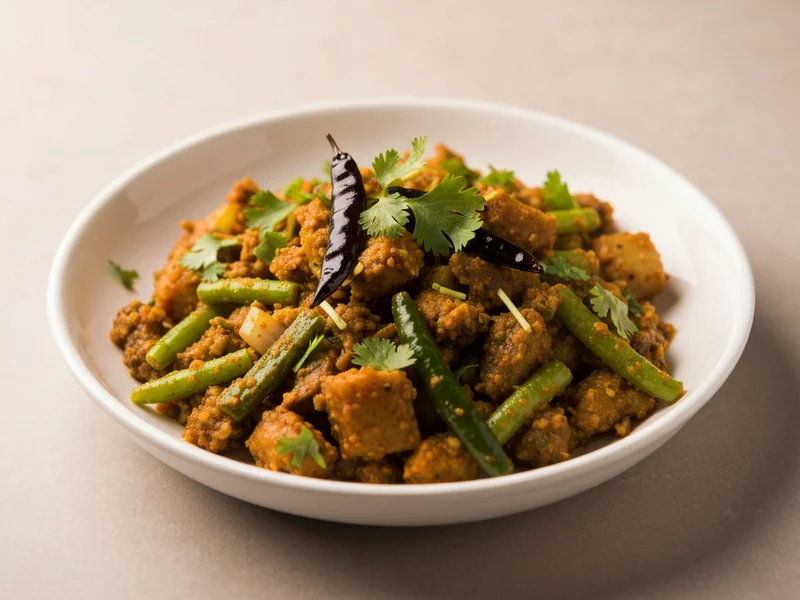
Sindh's beloved green mash — spinach, split chickpeas, and whatever vegetables are to hand, slow-cooked together until completely unified into a thick, deeply flavourful green mass. Finished with a sizzling garlic tarka.
Authentic Karachi Biryani
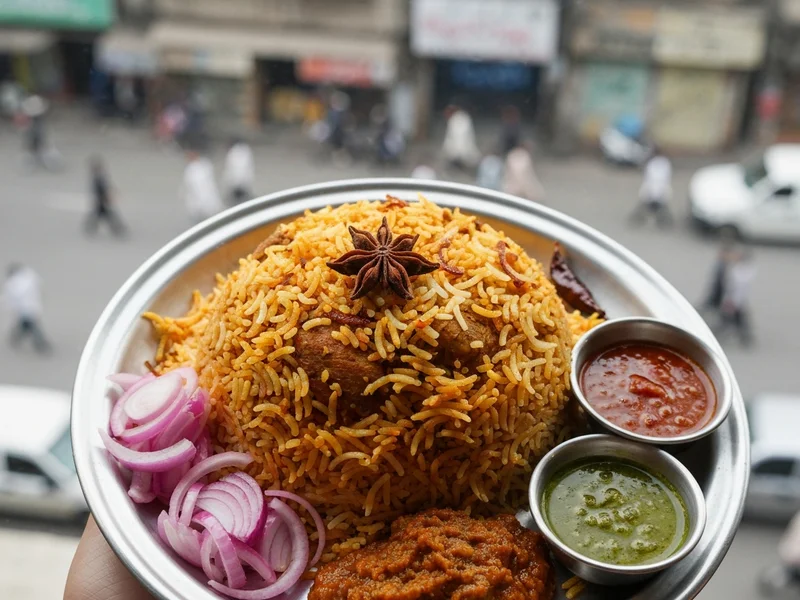
The iconic Karachi-style biryani — fiery, tangy, loaded with potatoes and prunes. Born in the streets of Karachi, perfected by generations of Muhajir cooks.
Hyderabadi Biryani
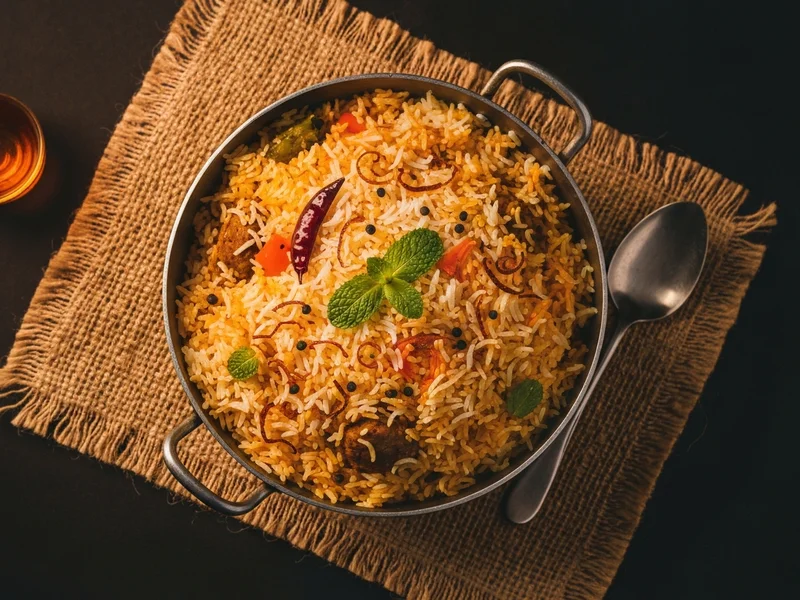
The kacchi biryani of Hyderabad, Sindh — raw marinated meat layered with parboiled rice, sealed, and slow-cooked until every grain absorbs the masala. No pre-cooking the meat.
What Cooks Are Saying
This recipe is a keeper. Followed it exactly and it turned out perfect.
Really enjoyed this. Leftovers tasted even better the next day.
Turned out well. I used boneless meat which changed the cook time slightly but flavour was great.
Leave a Review
Tried this recipe? Share your experience — your review helps other cooks.