
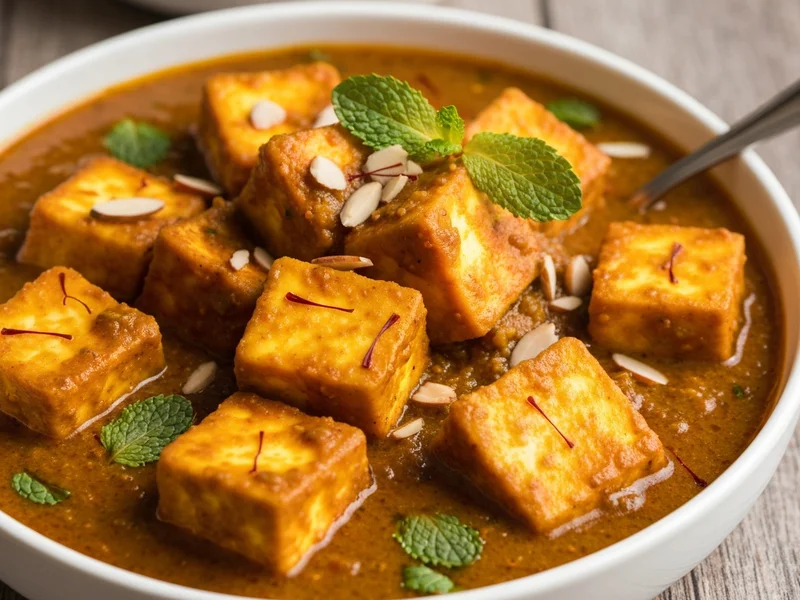
Punjab cuisine
Shahi Tukda
Shahi Tukda is a traditional Punjab Pakistani dish. The royal bread pudding of the Mughal kitchen — thick slices of day-old white bread fried until shatteringly golden, soaked in fragrant sugar syrup, then generously drowned in saffron-and-cardamom-scented rabri (thickened sweetened milk) and finished with silver leaf and pistachios. Every bite is rich, sweet, and unapologetically indulgent.
Shahi Tukda translates literally as 'royal piece' or 'royal morsel', and it earns every syllable of that name.
It was created in the Mughal court kitchens as a way to use stale bread luxuriously, soaking it in sugar syrup and topping it with thickened cream and silver leaf. The dish is essentially a Mughal precursor to bread pudding. This dessert traces its roots to the Mughal courts of the 16th and 17th centuries, where royal chefs competed to create the most opulent sweet dishes for the emperors and their guests. The combination of fried bread, sugar syrup, and reduced milk (rabri) reflects the Mughal love for layering textures and flavours — crispy bread softened by syrup, then enveloped in creamy rabri. In Pakistan it remains a centrepiece dessert at formal daawats (dinner parties) and wedding spreads, particularly in Lahore where Mughal culinary influence runs deepest.
Ingredients
Instructions
- MAKE THE RABRI FIRST (this takes longest): Pour 1.5 litres of full-fat milk into a wide, heavy-bottomed degh (heavy-bottomed pot) or karahi (wok) — a wide pan speeds things up by allowing more evaporation. Bring to a boil on medium-high heat, stirring frequently to prevent a skin forming and to stop it boiling over. WHY: Rabri is made by reducing milk to about one-third of its volume — this concentrates the milk solids and creates a thick, creamy texture. Once boiling, reduce heat to medium-low. From this point, you will stir every 3-4 minutes and keep cooking. As the milk reduces, scrape the cream layer (malai) that forms on the sides back into the milk using your chamcha — this malai is flavour. FUN FACT: This step will take approximately 45-60 minutes of patient simmering. This is not a mistake. Real rabri cannot be rushed. You'll know it's ready when the volume has reduced to about 500ml and the consistency is thick and flowing, like a cream sauce.
- FINISH THE RABRI: Once the milk has reduced significantly, add 0.5 cup cheeni and stir until dissolved. Add the bloomed saffron milk, elaichi powder, and Olper's cream if using. Stir and cook for another 5 minutes. The rabri should be a beautiful golden-orange colour from the saffron and have a pourable but thick consistency — it should flow slowly, not run. Remove from heat and let cool slightly. HINT: Rabri thickens as it cools, so it may look slightly too thin when hot — this is fine. If it looks like thick cream when hot, it will set to almost solid when chilled.
- MAKE THE SUGAR SYRUP: In a small pateela (saucepan), combine 1 cup cheeni, 0.75 cup water, and crushed elaichi pods. Bring to a boil on medium heat, stirring until the sugar dissolves completely. Let it boil for 3-4 minutes until it thickens slightly — it should reach a one-string consistency (dip a spoon in, let a drop cool on your finger, press and pull apart — a thin single thread should form). Remove from heat, add kewra, and set aside. HINT: Keep the syrup warm or reheat briefly before using — warm syrup soaks into bread much better than cold syrup.
- PREPARE THE BREAD: Trim the crusts off each bread slice — crusts stay tough and don't absorb syrup well. Cut each slice diagonally into two triangles, or keep them as rectangles — either works. If the bread is very fresh, lay the slices on a baking tray and leave them uncovered for 1-2 hours to dry out slightly. FUN FACT: Day-old bread contains less moisture, which means it absorbs oil more slowly during frying (resulting in crispier, less greasy results) AND absorbs the sugar syrup better afterwards. It's a win on both ends.
- FRY THE BREAD: Heat tel or ghee in a karahi to medium-high heat — you need about 1-1.5 inches of depth. Test the temperature by dropping a small bread cube in — it should sizzle immediately and turn golden within 30 seconds. Fry the bread slices 2-3 at a time (don't overcrowd — they need space). Fry for 1-2 minutes per side, turning with a chimta (tongs), until both sides are deep golden-brown and crispy. They will feel rigid and crunchy when tapped with the chimta. Remove immediately to paper towels to drain. HINT: Watch carefully — bread burns fast. The window between 'perfect golden' and 'bitter brown' is about 20 seconds. Stay at the pan.
- SOAK IN SUGAR SYRUP: While the fried bread is still warm (this is important — warm bread absorbs syrup better), dip each piece into the warm sugar syrup for 10-15 seconds per side. Don't leave them too long or they'll go soggy and fall apart. You want them to absorb a coating of syrup and become moist on the surface, while retaining some crispness inside. Arrange the soaked bread in a single layer on a serving platter. WHY: The syrup soak does two things — it adds sweetness and it creates a barrier that slows down the rabri from making the bread go completely soft too quickly.
- POUR THE RABRI AND GARNISH: Pour the warm rabri generously over the arranged bread — don't be shy, shahi tukda is not the time for restraint. The bread should be largely submerged in rabri. If using warq (silver leaf), carefully place one sheet on each piece of bread — handle it gently with a soft brush or your finger, as it tears easily. Scatter sliced pista and gulab ki pattian over everything. FUN FACT: Warq (edible silver leaf) is genuinely pure silver, beaten to an impossibly thin sheet. It has no flavour but adds an undeniable sense of occasion. Mughal emperors ate it for supposed health benefits — you can eat it just to feel fancy. Serve immediately while the bread is warm and the rabri is fresh, OR refrigerate for 1-2 hours and serve cold — both versions are excellent, just different.
Essential for This Recipe
As an Amazon Associate, we earn from qualifying purchases
Pure Ghee (Clarified Butter)
The authentic cooking fat for Pakistani dishes — adds rich flavor that oil can't match
Green Cardamom Pods (Elaichi)
The fragrant heart of biryanis, pulaos, chai, and desserts — use whole pods for best flavor
Saffron Threads (Zafran)
The luxury spice for biryanis, zarda, kheer, and special occasions — adds golden color and floral elegance
Chef's Secrets
- Make the rabri a day ahead and refrigerate — this actually improves the flavour and saves time on the day of serving
- Use ghee for frying instead of oil for a much richer, more traditional flavour
- If the sugar syrup crystallises as it cools, reheat briefly with a splash of water and it will dissolve again
- For a quicker rabri, start with Olper's cream mixed with condensed milk — not traditional but saves 45 minutes
- Serve within 2 hours of assembly — the bread will eventually go fully soft, which is still delicious but loses the textural contrast
Common Questions
How long does Shahi Tukda take to make?
Total time is 1h 35m — 20m prep and 1h 15m cooking.
How many servings does this recipe make?
This recipe makes 6 servings, and is rated medium difficulty.
Which region of Pakistan is Shahi Tukda from?
Shahi Tukda is from Punjab, Pakistan — one of the country's most distinctive culinary traditions.
What do you serve with Shahi Tukda?
Served warm or chilled as a standalone dessert. Best enjoyed after lighter mains — it is very rich and a little goes a long way. A centerpiece dessert for Eid celebrations and formal dinner parties.
Goes Well With
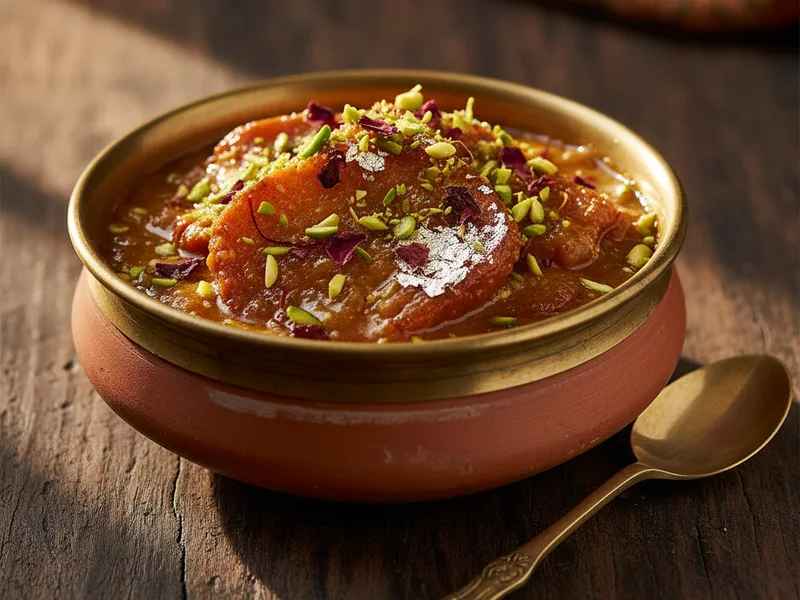
Shahi Tukda — Karachi Double Ka Meetha Style
Karachi's beloved shahi tukda features golden-fried bread soaked in saffron sugar syrup, then topped with thick condensed rabri and a crown of pistachios and silver leaf. Mogul-era luxury you can make at home in under an hour. Rich, sweet and completely unforgettable.
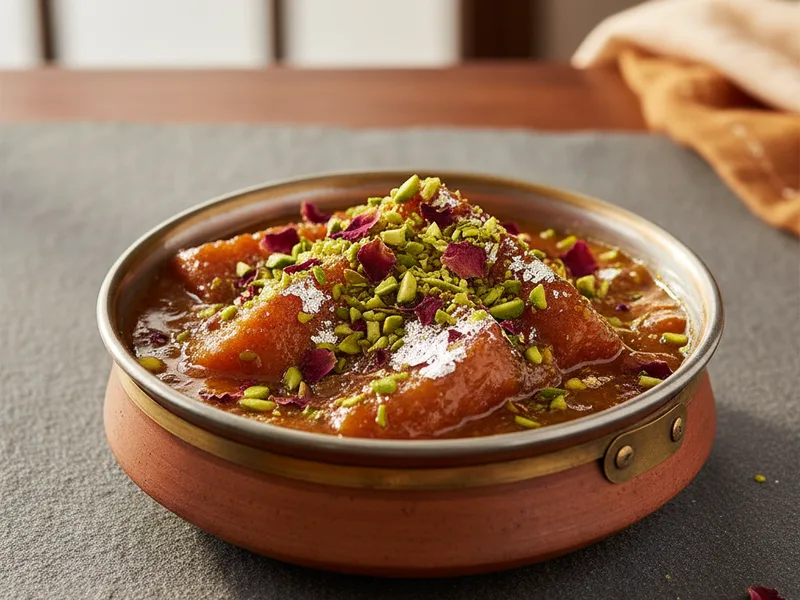
Bread Shahi Tukda — Easy Punjabi Home Style
Simple Punjabi home-style shahi tukda made with pan-toasted bread instead of deep-frying, dipped in cardamom-rose syrup and topped with a luscious quick rabri. All the royal flavour without deep-frying guilt — ready in 30 minutes for weeknight sweet cravings.
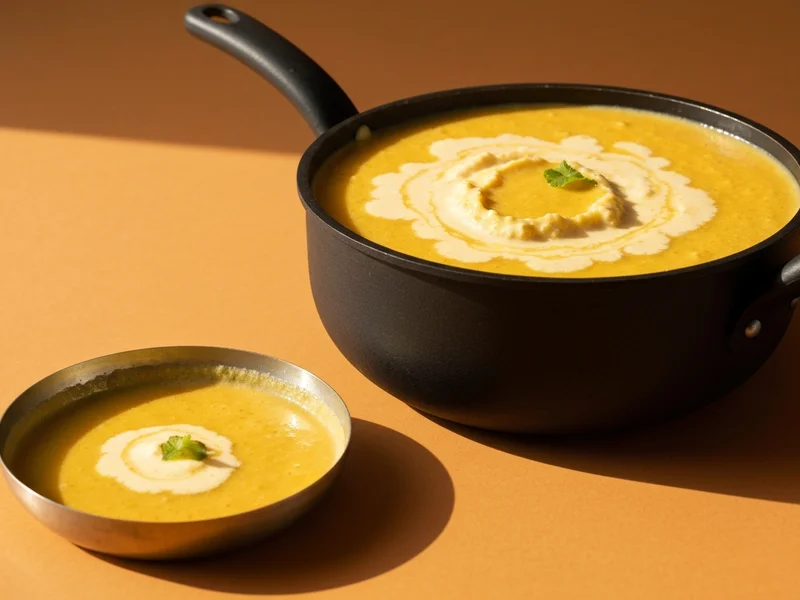
Sheer Khurma
The Eid morning vermicelli pudding — toasted sevaiyan simmered in sweetened milk with dates, pistachios, almonds, and cardamom. No Eid is complete without it.
Cite This Recipe
Writing about Pakistani food? Use these ready-made citations.
<a href="https://pakistani.recipes/recipes/sheer-khurma/sheer-khurma/">Sheer Khurma</a> — Pakistani Recipes
Zainab Tariq. "Sheer Khurma." Pakistani Recipes, 2024. https://pakistani.recipes/recipes/sheer-khurma/sheer-khurma/
Zainab Tariq. (2024). Sheer Khurma. Pakistani Recipes. Retrieved 2026-07-20, from https://pakistani.recipes/recipes/sheer-khurma/sheer-khurma/
What Cooks Are Saying
Made this for Eid and everyone asked for the recipe. Highly recommend.
This recipe is a keeper. Followed it exactly and it turned out perfect.
My husband said it's the best he's ever had. Coming from him that means everything!