
KP cuisine
Shinwari Karahi — The Tribal Lamb Fat Karahi
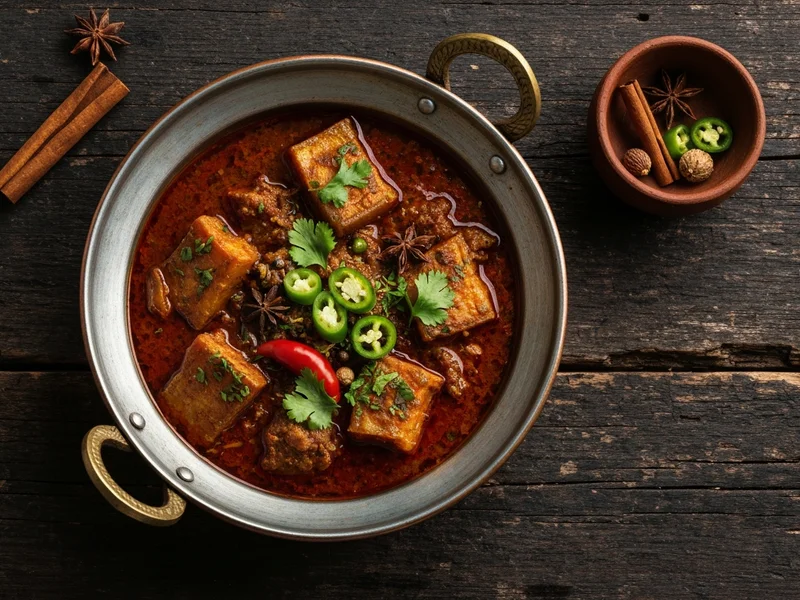
Shinwari Karahi — The Tribal Lamb Fat Karahi is a traditional KP Pakistani dish. The Shinwari tribe's legendary karahi — bone-in mutton cooked only in lamb tail fat, salt, cracked black pepper, and green chillies. No garlic, no tomatoes, no garam masala. Pure meat, pure fire, pure smoke.
Shinwari Karahi will confuse you. You'll look at the ingredient list and think something is missing. Where are the tomatoes? Where's the ginger-garlic? Why is there no garam masala?
When your meat is sourced from sheep raised on mountain grass and your karahi is a blackened iron vessel seasoned by decades of use, you don't need twenty spices. The meat IS the spice. What makes Shinwari karahi distinct from any other Pakistani karahi is the cooking fat: dumbe ki charbi, the rich tail fat rendered from the fat-tailed sheep that are native to Central Asia and the subcontinent. This fat is not like butter or oil — it's deeply savoury, slightly gamey, with a rich unctuousness that becomes the entire gravy of this dish. There IS no gravy other than the fat rendered from the meat and the tail fat. Understanding this is everything. No shortcuts. No additions. Maximum respect for the ingredient.
Ingredients
Instructions
- UNDERSTAND THE VESSEL: Shinwari karahi is traditionally cooked in a heavy, well-seasoned iron karahi — not a non-stick pan, not a thin steel pot. The iron holds and distributes heat in a way that creates the characteristic slightly-charred exterior on the meat while keeping the interior tender. At home, use the heaviest cast-iron pan or karahi you own. If yours is thin and cheap, it won't work as well. FUN FACT: A traditional Shinwari karahi used by a dhaba for decades develops a deep black patina called 'seasoning' — this is polymerised fat from thousands of meals. It contributes to the flavour. A new iron karahi can be seasoned by rubbing with oil and heating empty several times before first use.
- RENDER THE TAIL FAT: Place your empty iron karahi on the highest heat your stove can produce. Add the cubed dumbe ki charbi (lamb tail fat) directly to the dry karahi. WHY: You are not heating oil first — you ARE making the oil from the fat. As the fat heats, it will hiss, sputter, and render out its liquid. Stir occasionally with a chamcha (spoon). After 5-6 minutes, the fat cubes will shrink to small crispy bits (called charbi chips — these are eaten as a cook's snack) and the karahi will have a pool of clear, golden, richly savoury fat. HINT: This rendered fat is the cooking medium AND the sauce. Do not drain it.
- SEAR THE MUTTON: Add the bone-in mutton pieces directly to the hot fat in the karahi. Do not crowd the pan — if your karahi is small, sear in two batches. The meat should sizzle loudly when it hits the fat. Leave undisturbed for 3-4 minutes per side. You want a deep brown, almost crusty sear on each surface. HINT: Resist the urge to stir — searing requires contact and time. If you keep moving the meat, it steams instead of sears and you lose the Maillard browning that creates most of the dish's flavour. The smell will be intensely meaty, almost lamb-fat-smoky. This is exactly right.
- ADD PEPPER AND CHILLIES: Once the meat is well-seared on all sides, add the whole black peppercorns directly into the fat and meat. Add the whole green chillies. Stir to distribute. WHY: Whole peppercorns don't immediately release their heat — they infuse slowly into the fat over the cooking time, creating a gentle pervasive warmth rather than a sharp front hit. The whole green chillies will blister and char slightly, releasing their perfume without entirely breaking down. Keep heat on maximum.
- COOK HIGH AND FAST: This is not a slow-cooked dish — Shinwari karahi is high-heat, high-drama. Cover the karahi with a lid or plate and cook for 20-25 minutes on high heat, removing the lid every 5 minutes to stir and check. The fat will bubble vigorously. You should hear constant sizzling and occasionally a crack-pop from the peppercorns. HINT: If the fat starts to smoke heavily, reduce to medium-high — you want vigorous but not scorching. Add 2-3 tablespoons of water only if the meat is sticking — this should not need much liquid as the meat renders its own juices.
- CHECK FOR DONENESS: After 20 minutes, pierce the thickest piece of mutton with a thin knife or skewer. If it goes in without resistance, the meat is done. The colour should be deep golden-brown, almost caramel on the outside. The fat in the karahi will have merged with the meat juices into a dark, rich liquid — this IS the gravy, and there won't be much of it. HINT: This dish is intentionally 'dry' by Pakistani standards — the sauce is the fat, not a tomato-yoghurt gravy. If your family expects a saucy karahi, they may be confused. Tell them this is a different thing entirely. Add the optional halved tomatoes now if using — press them cut-side-down into the fat and let them blister for 8-10 minutes without stirring.
- FINISH WITH CRACKED PEPPER: Turn off the heat. Immediately add the coarsely cracked kali mirch (black pepper) directly over the meat. Stir once. The residual heat of the karahi will bloom the cracked pepper without burning it. Season with salt — taste first, as the rendered tail fat is naturally quite savoury. Serve directly from the karahi at the table — Shinwari food is communal and the karahi is the presentation vessel. FUN FACT: In Shinwari dhabas along the GT Road between Peshawar and Torkham, the karahi is placed on hot coals and brought directly to the table still bubbling. Diners eat from it with naan torn from the same communal plate.
Essential for This Recipe
As an Amazon Associate, we earn from qualifying purchases
Black Peppercorns (Kali Mirch)
Freshly ground adds bite and heat to karahi, meat curries, and marinades
Chef's Secrets
- If you cannot find dumbe ki charbi (lamb tail fat), the closest substitute is equal parts unsalted butter and beef tallow. The flavour is different but the technique is the same. Do not use vegetable oil — the whole point is the animal fat flavour.
- Do not add ginger, garlic, onion, or garam masala. Resist the instinct. Any addition transforms this from Shinwari karahi into regular karahi — a completely different dish.
- The karahi must be heavy iron. A thin aluminium pan will overheat unevenly and burn the fat. This is one recipe where the cookware genuinely determines the outcome.
- Bone-in cuts are non-negotiable — the collagen from bones gives the fat its body. Boneless mutton produces a thin, greasy result.
- Let guests season their own portions with extra cracked black pepper at the table — individual heat preferences vary wildly and freshly cracked pepper on hot meat is aromatic in a way that pre-mixed powder is not.
Common Questions
How long does Shinwari Karahi — The Tribal Lamb Fat Karahi take to make?
Total time is 50m — 15m prep and 35m cooking.
How many servings does this recipe make?
This recipe makes 4 servings, and is rated medium difficulty.
Which region of Pakistan is Shinwari Karahi — The Tribal Lamb Fat Karahi from?
Shinwari Karahi — The Tribal Lamb Fat Karahi is from KP, Pakistan — one of the country's most distinctive culinary traditions.
What do you serve with Shinwari Karahi — The Tribal Lamb Fat Karahi?
Serve directly from the iron karahi with fresh tandoori naan or roti. No rice — this dish is always eaten with bread. Accompaniments: sliced raw onions, fresh green chillies, lemon wedges. A simple kachumbar salad (diced tomato, onion, coriander) can be served on the side but is not traditional. A cold lassi (yoghurt drink) is the ideal beverage to balance the fat richness.
Goes Well With
Shinwari Karahi Balochi Style
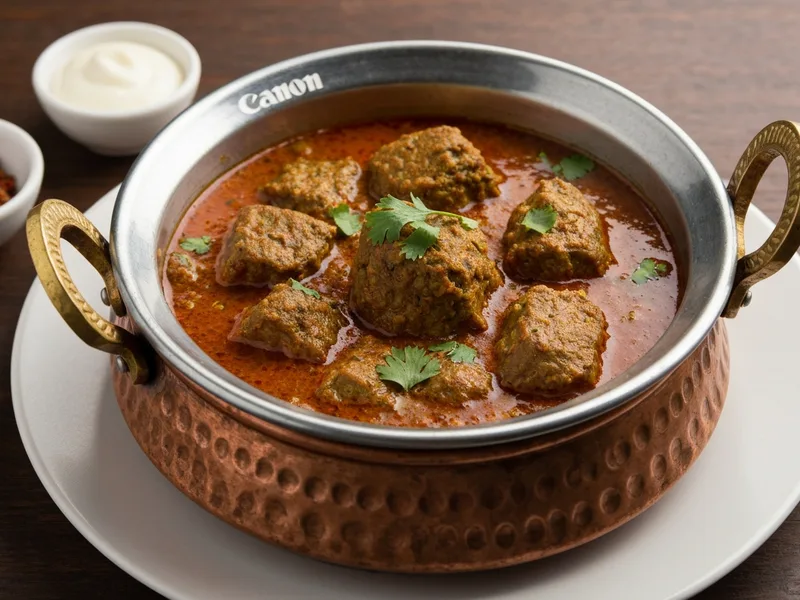
Shinwari Karahi, made Balochi style, blends the minimalist spicing of Balochistan with the signature fat-forward cooking technique of the Shinwari tribe — the result is a deeply satisfying, robustly flavoured karahi with extraordinary depth from minimal ingredients.
Peshawari Namkeen Gosht
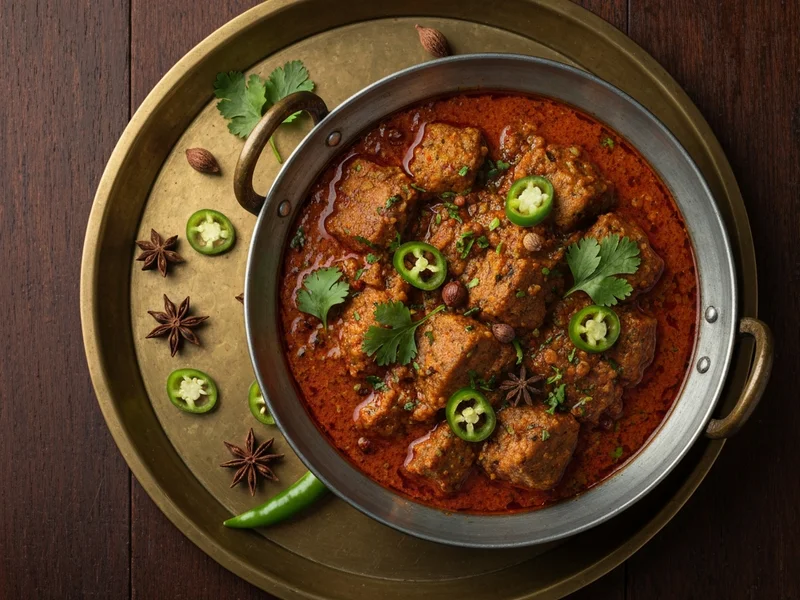
Peshawari salt meat — lamb or mutton cooked with just salt, pepper, and fat until it surrenders all its flavour. Pashtun simplicity at its most profound.
Peshawari Karahi Gosht
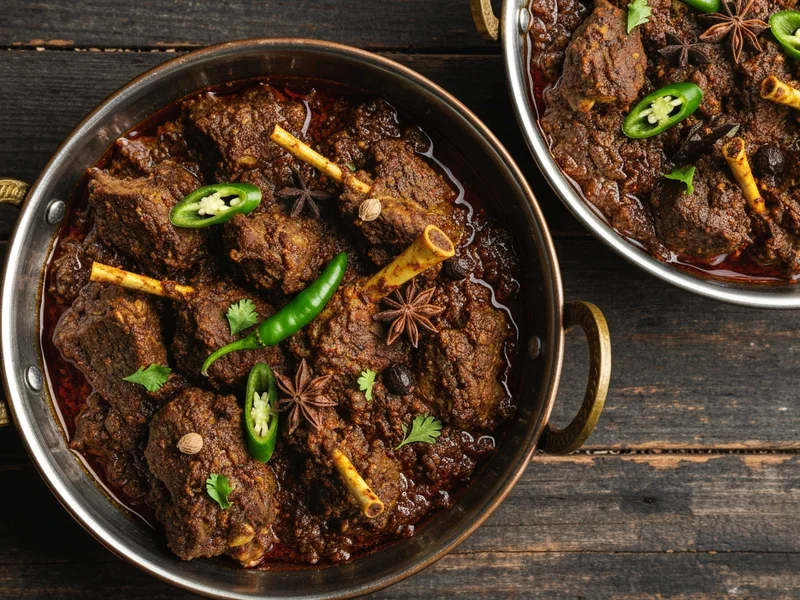
Peshawari Karahi Gosht is the original Pakistani karahi — bone-in goat cooked blazing hot with tomatoes, ginger, and green chillies, nothing else. No onions, no yoghurt, no shortcuts. This is the purist's karahi, straight from the dhabas of Peshawar's Namak Mandi.
Cite This Recipe
Writing about Pakistani food? Use these ready-made citations.
<a href="https://pakistani.recipes/recipes/karahi-gosht/peshawari-karahi-gosht/">Peshawari Karahi Gosht</a> — Pakistani Recipes
Yaseen Shinwari. "Peshawari Karahi Gosht." Pakistani Recipes, 2024. https://pakistani.recipes/recipes/karahi-gosht/peshawari-karahi-gosht/
Yaseen Shinwari. (2024). Peshawari Karahi Gosht. Pakistani Recipes. Retrieved 2026-05-15, from https://pakistani.recipes/recipes/karahi-gosht/peshawari-karahi-gosht/
What Cooks Are Saying
This is now my go-to recipe. Made it three times already.
Better than the restaurant version. The tips in the recipe really make a difference.