
Sindh cuisine
Sindhi Kadhi
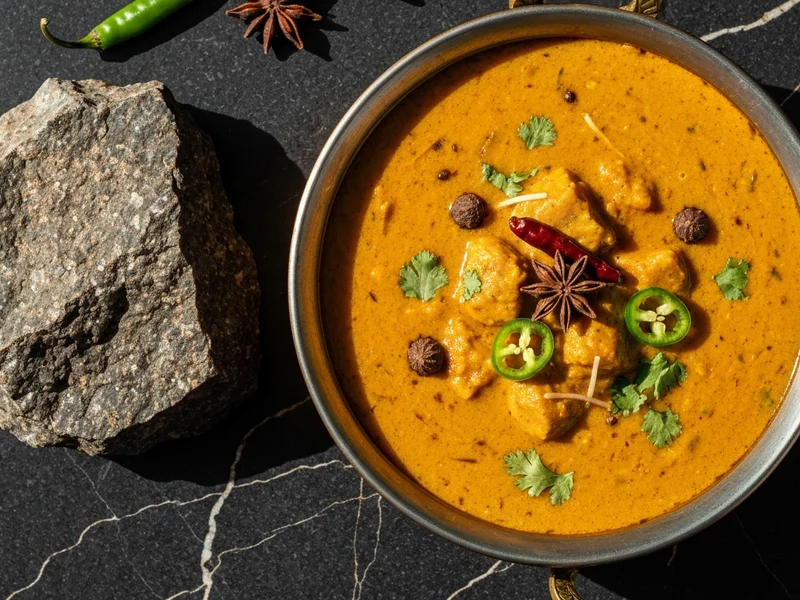
Sindhi Kadhi is a traditional Sindh Pakistani dish. A tangy, substantial vegetable curry thickened with roasted gram flour and soured with tamarind — nothing like the yoghurt-based Punjabi kadhi you may know. Full of bhindi, aloo, and drumstick, this is Sindhi comfort food in its purest form.
When most Pakistanis say 'kadhi,' they mean the Punjabi version: a pale yellow, yoghurt-soured gravy with fried pakoras floating in it. Sindhi Kadhi is a completely different animal. It starts with besan (gram flour) roasted in hot oil until it smells nutty and toasty — then tamarind water (imli) is the souring agent, not yoghurt. Vegetables cook directly inside the curry: bhindi (okra), aloo (potato), gawar phalli (cluster beans), sahjan ki phalli (drumstick). By the time it's done you have something tangy, slightly thick, earthy, and deeply satisfying — a full meal in one pot over rice.
It was a beloved dish in the Hindu Sindhi community before Partition in 1947. After the displacement, Sindhi Muslim families who had eaten at the same tables, in the same neighbourhoods, carried the recipe forward in their own kitchens. Today it is cooked by Muslim Sindhis as their own heritage — a living example of how food outlasts borders and keeps communities connected across generations.
Ingredients
Instructions
- PREP THE TAMARIND WATER: Soak your imli (tamarind) ball in 1 cup of warm water for 20 minutes. Using your fingers, work the tamarind loose from the seeds and fibres, squeezing as much pulp into the water as possible. Strain through a sieve, pressing the pulp through with the back of a chamcha (spoon). Discard the seeds and fibres. You should have a thick, dark, sour liquid — taste it. It should be quite sour and fruity. Set aside. FUN FACT: Tamarind is native to tropical Africa but has been grown across the Indian subcontinent for thousands of years. In Pakistan it's called imli, and the tree is a landmark — village elders famously sit under old imli trees to settle disputes.
- BLOOM THE WHOLE SPICES (TARKA): Heat the oil in a large, deep karahi (wok) or heavy-bottomed pateela (pot) over medium-high heat until it shimmers. Add the rai (mustard seeds) first — stand back slightly, they pop and splatter. WHY: Mustard seeds must pop before you add the next ingredients — popping means the oils inside have heated and the flavour has fully activated. Once they stop popping (about 30-45 seconds), add the methi dana (fenugreek seeds). Fry for 20 seconds — they'll darken slightly. Add the haldi (turmeric) and lal mirch (red chilli powder). Stir for 10 seconds.
- ROAST THE BESAN: Reduce heat to medium-low. Add the besan (gram flour) to the spiced oil and stir continuously with the chamcha. This is the crucial step. HINT: Keep stirring without pause — besan burns very quickly if left alone. It will first look pale and pasty, then gradually turn golden and begin to smell nutty and toasty, like roasted chickpeas. This takes about 4-5 minutes of constant stirring. The colour should shift from pale yellow to a warm golden-tan. This step eliminates the raw flour taste that would ruin the entire dish.
- ADD THE TAMARIND WATER AND BUILD THE CURRY: Pour the tamarind water into the roasted besan mixture and stir vigorously — the besan will absorb it quickly. Then add the remaining 4 cups of water, a cup at a time, stirring between each addition to prevent lumps. WHY: Adding the liquid gradually while stirring gives you control over the consistency — besan hydrates fast and can go lumpy if you dump all the water in at once. Once all water is added, bring to a boil over high heat, stirring occasionally. The curry will be thin at this stage — it thickens as it cooks.
- ADD THE VEGETABLES AND SIMMER: Once the kadhi is boiling, add the aloo (potato) cubes and gawar phalli (cluster beans) first — they take longest to cook. Add the sahjan ki phalli (drumstick pieces) at the same time. Season with salt. Reduce heat to medium-low and cook partially covered for 15 minutes, stirring occasionally. The kadhi will begin to thicken as the besan continues to hydrate and cook.
- ADD BHINDI AND FINISH: After 15 minutes, add the bhindi (okra) to the pot. HINT: Adding bhindi too early makes it mushy and extra slimy — it only needs 10-12 minutes of cooking. Stir gently — bhindi is delicate. Taste the kadhi and adjust salt and sour balance. If it isn't sour enough, add a little extra tamarind water. If it's too sour, add a pinch of sugar to round it out. Cook for another 10-12 minutes until all vegetables are tender and the kadhi has thickened to a consistency that coats the back of a spoon.
- CHECK CONSISTENCY AND SERVE: The finished Sindhi Kadhi should be pourable but not watery — thicker than soup, lighter than a paste. Lift a spoonful and let it drizzle back — it should fall in a steady, thick ribbon. Taste: tangy from imli, earthy from besan, warm from the spices, with tender vegetables throughout. Ladle generously over plain cooked basmati rice in a deep bowl — Sindhi style is to eat it quite wet, like a dal-rice combination. Finish with a drizzle of raw oil or a small extra tarka of mustard seeds if you want to be fancy.
Chef's Secrets
- Do not rush the besan roasting step. Under-roasted besan = a bitter, raw-flour taste that permeates the whole dish. Over-roasted = slightly bitter in a different way. 4-5 minutes of medium-low stirring hits the sweet spot.
- Dry your bhindi (okra) completely before cutting and adding — any moisture on the okra causes extra mucilage (slime). Pat dry with kitchen towel and even let pieces air-dry for a few minutes on the cutting board.
- The vegetable lineup is flexible — in Sindh, whatever is in season goes in. Brinjal (baingan), tinda (round gourd), and arbi (taro) are also classic additions.
- Sindhi Kadhi thickens further as it sits and cools. When reheating, add a splash of water and stir to bring it back to the right consistency.
- For a richer version, finish with a tablespoon of ghee stirred in at the end — this is called 'tari lagana' and adds a beautiful gloss and aroma.
Common Questions
How long does Sindhi Kadhi take to make?
Total time is 1h 5m — 25m prep and 40m cooking.
How many servings does this recipe make?
This recipe makes 4 servings, and is rated easy difficulty.
Which region of Pakistan is Sindhi Kadhi from?
Sindhi Kadhi is from Sindh, Pakistan — one of the country's most distinctive culinary traditions.
What do you serve with Sindhi Kadhi?
Served over plain steamed basmati rice — this is non-negotiable in Sindh. A side of achar (pickle) and papad (poppadoms) complete the traditional Sindhi thali. Not typically eaten with roti.
Goes Well With
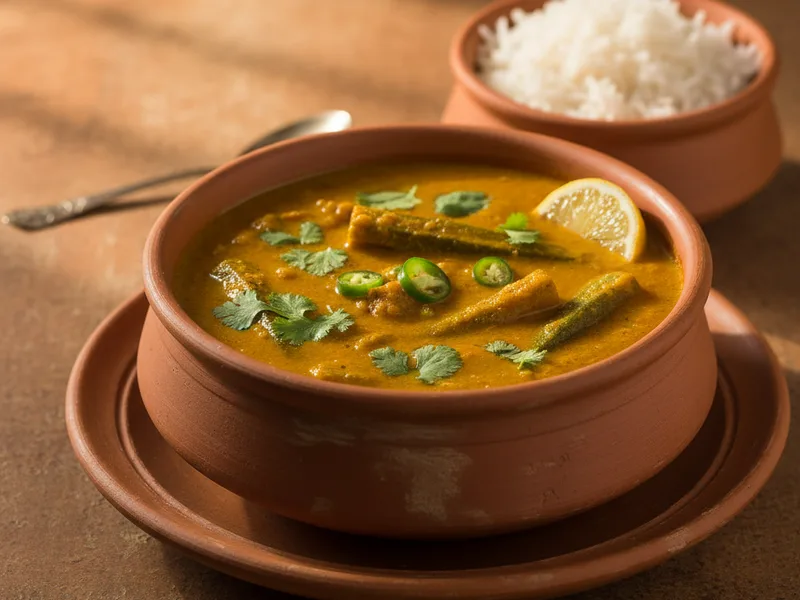
Karachi Sindhi Kadhi
Karachi Sindhi Kadhi is a uniquely tangy, gram flour-based curry loaded with vegetables — a nutritious one-pot wonder that is the very heart of Sindhi home cooking and Sunday lunch culture.
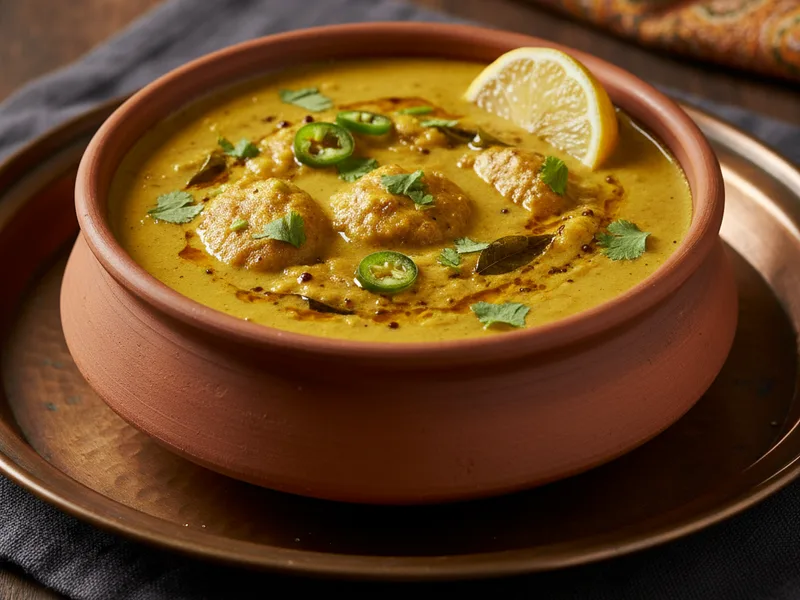
Hyderabadi Kadhi
Hyderabadi Kadhi from Sindh's historic city carries a distinctive character — slightly sweeter, heavier on dried fruit and nuts in its regional variations, with a unique spice balance that reflects the city's cosmopolitan culinary history.
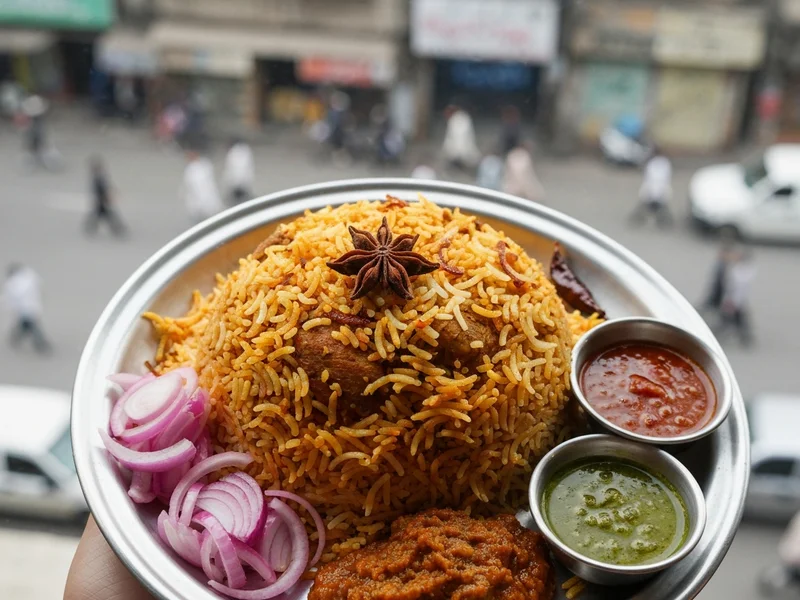
Authentic Karachi Biryani
The iconic Karachi-style biryani — fiery, tangy, loaded with potatoes and prunes. Born in the streets of Karachi, perfected by generations of Muhajir cooks.
What Cooks Are Saying
Made this last weekend and the whole family loved it. Will definitely make again.
Incredible depth of flavour. The spice balance is just right — not too hot, not too mild.
Leave a Review
Tried this recipe? Share your experience — your review helps other cooks.