
Sindh cuisine
Taftan
Taftan is a traditional Sindh Pakistani dish. Taftan is a delicate, Persian-heritage bread from Karachi's Iranian community — soft, slightly sweet, saffron-golden, and scattered with poppy seeds. It is more refined than a naan and more flavourful than a plain roti, sitting somewhere between bread and festive pastry.
Taftan arrived in the Indian subcontinent with Persian and Zoroastrian influences, and found a permanent home in Karachi's Saddar area, where the city's Iranian community has maintained bakeries for generations.
It was the bread of the nawabi tables of Sindh and Multan, enriched with egg and milk to produce a soft, golden loaf that is a world away from the plain flatbreads of everyday cooking. Unlike the sturdier breads of Punjab and KP, taftan is an elegant thing — its dough enriched with milk, egg yolk, and saffron, and its surface dotted with poppy seeds before baking. In Iran, taftan is still made in traditional wood-fired ovens; in Karachi, it is baked in gas ovens and sold in stacks at bakeries that open early in the morning. The bread carries the memory of trade routes and migration, of Persian merchants who settled along the Sindh coast and brought their recipes with them.
Ingredients
Instructions
- BLOOM THE SAFFRON: In a tiny bowl, add the saffron strands to 3 tablespoons of warm milk. Let it steep for 20 minutes minimum. The milk should turn a warm orange-gold colour. HINT: If you are using very fresh, good-quality saffron, it will colour the milk within minutes and smell heavenly — like honey and hay mixed together. Poor-quality saffron colours slowly and smells of nothing. FUN FACT: Taftan's golden colour was historically a sign of luxury — saffron was worth more than gold by weight in medieval Persia. A bread that could afford saffron was a bread of status.
- ACTIVATE YEAST: Combine the lukewarm water, 1 teaspoon of the sugar, and yeast in a small bowl. Leave 8–10 minutes until foamy. Taftan's enriched dough needs a properly activated yeast start — the egg yolks and fat in the dough can slow yeast activity slightly.
- MAKE THE DOUGH: In a large paraat, combine flour, remaining sugar, salt, and cardamom powder. Add the yeast mixture, warm milk (not the saffron milk), egg yolks, oil or ghee, and half the saffron milk. Mix and knead for 8–10 minutes until smooth, silky, and elastic. The dough should be soft — softer than regular naan dough — and have a faint yellow tinge from the egg yolks and saffron. HINT: Taftan dough should feel velvety. If it tears when you stretch a small piece, knead for another 2 minutes.
- FIRST RISE: Oil a bowl, place the dough inside, cover with a damp cloth. Leave in a warm place for 1–1.5 hours until doubled. The dough may take slightly longer than plain dough because the fat and egg inhibit yeast slightly — be patient. WHY: A full rise is important for taftan's soft, tender crumb. Under-risen dough will give you a dense, tough bread that does not do justice to those expensive saffron strands.
- PREHEAT: Set your oven to 220°C (430°F). Place a baking stone or heavy upside-down tray on the top rack. Heat for 30 minutes. WHY: A hot baking surface is especially important for taftan — you want the bottom to cook fast, keeping the interior soft while the top gets just a little colour. Too low a temperature and the taftan bakes slowly, drying out.
- SHAPE: Punch down the risen dough and divide into 5–6 portions. On a lightly floured chakla, roll each portion into an oval shape about 20–22cm long and 6–8mm thick. Taftan is slightly oval — not round — like a long teardrop. It should be thinner than sheermal but a touch thicker than a regular naan.
- TOP WITH POPPY SEEDS AND SAFFRON MILK: Brush the top of each shaped taftan with the remaining saffron milk. Then scatter a generous pinch of poppy seeds over the surface and press them in lightly with your palm or the flat of your hand. The saffron milk as a glaze, combined with the speckling of poppy seeds, is the defining visual of taftan — you should be able to identify it immediately in a bakery window. HINT: Use enough poppy seeds that the surface is well-speckled, not just lightly dusted.
- BAKE: Slide the taftan onto the preheated surface in the oven. Bake for 5–7 minutes until the top is golden — darker than sheermal, lighter than bakarkhani. The bread should have puffed slightly (but not dramatically like a naan) and the surface should be dry and golden. The poppy seeds should look toasted. FUN FACT: In Iranian bakeries, taftan is baked in enormous clay ovens called 'tanur' — the Iranian cousin of the Pakistani tandoor. The bread is slapped onto the interior walls, just like naan. Home oven versions are less dramatic but taste nearly as good.
- BRUSH AND REST: Remove from the oven and brush once more with any remaining saffron milk or a little melted ghee. Let rest for 5 minutes before serving — unlike naan, taftan benefits from resting briefly, which allows the steam inside to distribute evenly and the crust to soften slightly.
Essential for This Recipe
As an Amazon Associate, we earn from qualifying purchases
Pure Ghee (Clarified Butter)
The authentic cooking fat for Pakistani dishes — adds rich flavor that oil can't match
Saffron Threads (Zafran)
The luxury spice for biryanis, zarda, kheer, and special occasions — adds golden color and floral elegance
Green Cardamom Pods (Elaichi)
The fragrant heart of biryanis, pulaos, chai, and desserts — use whole pods for best flavor
Chef's Secrets
- For the most authentic taftan flavour, use kewra water (1 teaspoon) in addition to the saffron — it adds a floral note that is characteristic of Persian-influenced Pakistani baking.
- If you cannot find poppy seeds (khashkhash), leave them out rather than substitute — the flavour is subtle and no other seed replicates it exactly.
- Taftan dough (before shaping) can be refrigerated overnight for a slow fermentation that adds complexity.
- Taftan keeps well for a day wrapped in cloth — unlike many other flatbreads, it does not become tough or stale quickly thanks to the egg and milk enrichment.
Common Questions
How long does Taftan take to make?
Total time is 55m — 30m prep and 25m cooking.
How many servings does this recipe make?
This recipe makes 6 servings, and is rated medium difficulty.
Which region of Pakistan is Taftan from?
Taftan is from Sindh, Pakistan — one of the country's most distinctive culinary traditions.
What do you serve with Taftan?
Serve alongside korma, haleem, or a mild qorma. Taftan's sweetness and delicacy make it a poor match for very spicy, pungent dishes — pair it with something that lets the bread's flavour shine. Also excellent with a cup of chai at breakfast.
Goes Well With
Bajra Roti
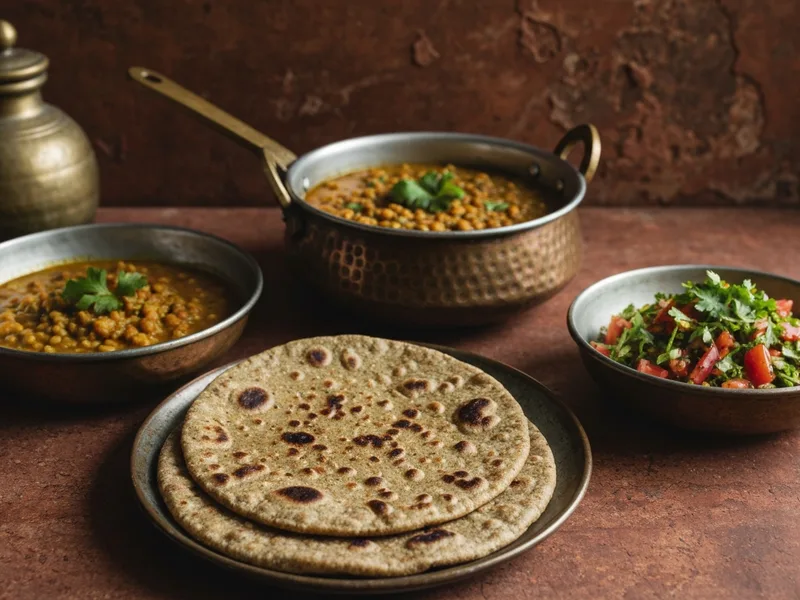
Bajra Roti is pearl millet flatbread — dense, dark, and deliciously earthy, with a deep nutty flavour that wheat roti simply cannot compete with. It's the bread of Sindh's farmers and herdsmen, built for cold winters and hard work. Modern nutritionists have caught up with what rural communities knew all along: bajra is remarkably good for you.
Mitho Lolo — Sindhi Sweet Jaggery Bread
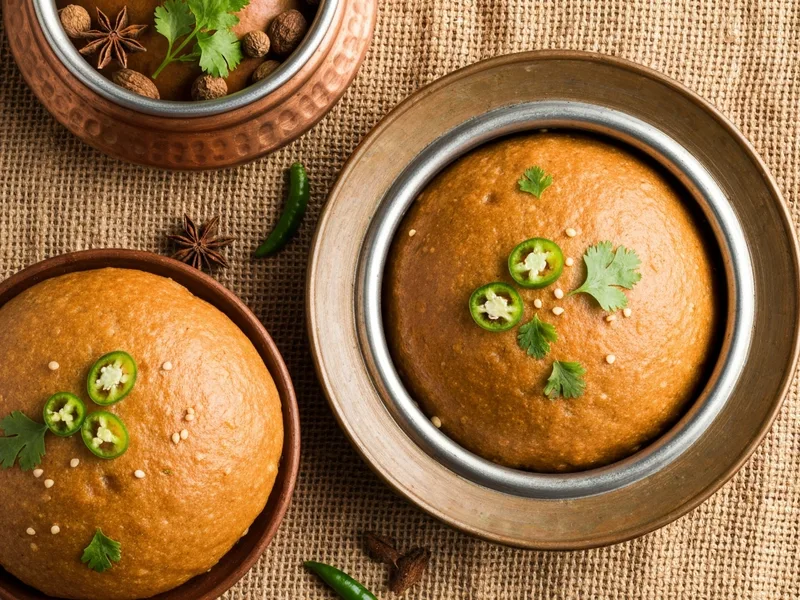
Sindh's sweet jaggery flatbread — whole wheat dough with dissolved gurr (jaggery), ghee, fennel seeds, and cardamom, cooked slowly on a tawa. Made for Thadri (Shitala Satam) festival and when someone recovers from illness. Bread and dessert simultaneously — one of the most distinctive things in Sindhi cooking.
Butter Naan (Home Tawa Method)
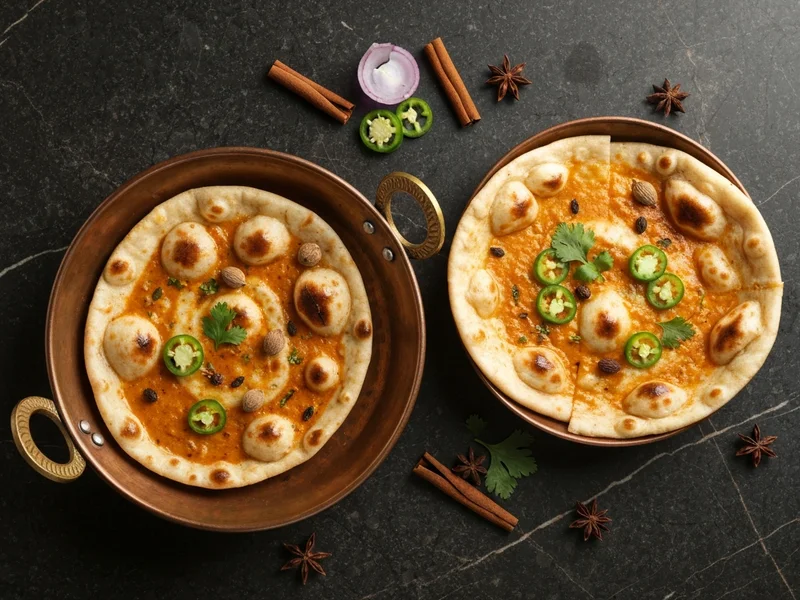
Soft, pillowy butter naan made at home on a tawa (flat griddle) — no tandoor required. Brushed with makhan (butter) the moment it comes off the heat, this leavened flatbread is the perfect vehicle for any Pakistani curry.
Cite This Recipe
Writing about Pakistani food? Use these ready-made citations.
<a href="https://pakistani.recipes/recipes/naan/butter-naan/">Butter Naan (Home Tawa Method)</a> — Pakistani Recipes
Zainab Tariq. "Butter Naan (Home Tawa Method)." Pakistani Recipes, 2024. https://pakistani.recipes/recipes/naan/butter-naan/
Zainab Tariq. (2024). Butter Naan (Home Tawa Method). Pakistani Recipes. Retrieved 2026-07-20, from https://pakistani.recipes/recipes/naan/butter-naan/
What Cooks Are Saying
Incredible depth of flavour. The spice balance is just right — not too hot, not too mild.
Came out beautifully. Would have given 5 stars but I found the sauce a bit thin — easy fix though.
This recipe is a keeper. Followed it exactly and it turned out perfect.