
Sindh cuisine
Bihari Boti — Karachi's Partition Kebab
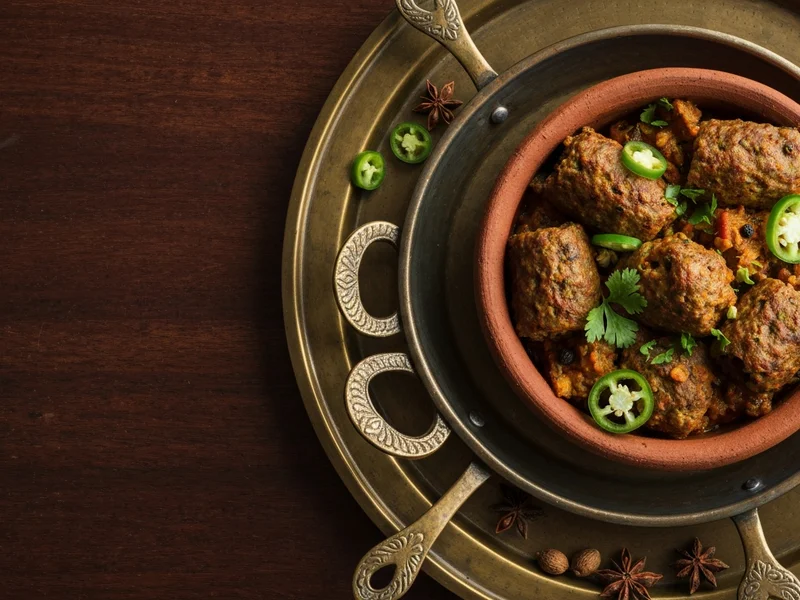
Bihari Boti — Karachi's Partition Kebab is a traditional Sindh Pakistani dish. Paper-thin strips of beef tenderloin, pounded flat, marinated overnight in mustard oil and poppy seeds, skewered flat and grilled. A Karachi classic born from the Bihari community's journey at Partition.
Bihari Kebab is proof that displacement can create something extraordinary.
They brought this recipe with them — and it preserves the culinary fingerprint of the Bengal region: mustard oil (sarson ka tel), white poppy seeds (khus khus), and pounded-flat technique that was common in pre-Partition Bengal kitchens. When people say Karachi's food culture is the richest in Pakistan, this is what they mean — a single city that absorbed cooking traditions from Bengal, UP, Hyderabad Deccan, Gujarat, Rajasthan, and beyond, each community fiercely preserving its food identity across generations. Bihari kebab looks almost like kati rolls' filling, but the taste is entirely its own — deeply savoury, slightly smoky from the mustard oil, with a floral whisper from the mace and nutmeg, and a nuttiness from the besan in the marinade. And yes, the overnight marinade is non-negotiable.
Ingredients
Instructions
- POUND THE MEAT: Slice beef tenderloin across the grain into 1cm thick strips about 8-10cm long. Place each strip between two sheets of cling film on your chopping board. Using a meat mallet or the flat bottom of a heavy karahi (wok), pound each strip until it's 3-4mm thin — almost paper-thin. You'll see the strip spreading out wider as you pound. WHY: This does two things — it physically breaks stubborn muscle fibres (no enzyme can do this job as well), and it dramatically increases surface area so every millimetre of meat soaks in the marinade. HINT: Work from the centre outward when pounding, not from the edge — centre-out gives even thickness without tearing.
- PREPARE THE POPPY SEED PASTE: Soak 2 tablespoons of white khus khus (poppy seeds) in 4 tablespoons of warm water for 30 minutes. Then blend or grind in a small grinder with the soaking water until you get a smooth, milky paste. FUN FACT: White poppy seeds (as opposed to the blue/black variety used in European baking) are a classic thickener and flavour agent in North Indian and Bangladeshi cooking — they add body to sauces and a faintly floral, slightly nutty character that's completely different from the seeds themselves. The Bihari community brought this technique to Karachi.
- MIX THE MARINADE: In a large bartan (bowl), whisk together: mustard oil, raw papaya paste, poppy seed paste, besan, ginger-garlic paste, yoghurt, mace, nutmeg, red chilli powder, garam masala, and salt. Whisk well until the besan is fully incorporated — no lumps. The marinade will be quite thick and slightly orange-brown in colour. HINT: Taste the marinade before adding meat — it should be salty, spicy, pungent (that's the mustard oil), and complex. Adjust salt now. It's much harder to fix seasoning once the meat is in.
- MARINATE OVERNIGHT: Add the pounded beef strips to the marinade and turn each piece to coat thoroughly. Every strip needs to be completely covered. Cover the bartan with cling film and refrigerate for a minimum of 8 hours — 12-16 hours is ideal. WHY: The combination of papaya enzyme + yoghurt acid + salt begins breaking down proteins during this rest period. The mustard oil also penetrates deeply into the meat. After 12 hours, the raw strips will look slightly 'cooked' on the outside — that's normal, the papaya enzyme is at work. Do not skip this step. A 2-hour marinade will produce a completely inferior result.
- SKEWER THE MEAT: Remove marinated meat from the fridge 20 minutes before grilling — cold meat on hot grill seizes up. Thread the strips FLAT onto wide seekhs — not rolled or bunched, but spread flat like a folded piece of fabric. The strip should lie as flat as possible along the length of the seekh. Fold the strip back on itself if it's too long. HINT: Multiple thin strips can share one seekh, layered on top of each other. The goal is to keep maximum surface area exposed to the heat so the besan coating gets crispy.
- GRILL TO PERFECTION: Cook over a hot charcoal mangal (grill) or cast iron grill pan on maximum heat. Bihari kebab needs HIGH, fast heat — you want the outside to char slightly while the inside stays juicy. Grill for 3-4 minutes per side. The strips are thin, so they cook fast. You're looking for: char marks, a slightly crispy besan coating, and a deep golden-brown colour. The smell should be intensely smoky and savoury with a mustard sharpness. HINT: Do not press the meat onto the grill. Pressing squeezes out the juices that you worked so hard to lock in.
- DHUNGAR FINISH: Just like gola kebab, Bihari kebab benefits enormously from the dhungar (coal smoke) technique. Place grilled seekhs in a covered degh (pot) with a small steel katori in the centre. Heat a walnut-sized piece of hardwood charcoal until glowing orange, drop it in the katori, drizzle with ghee, and seal the lid immediately. Wait 2 full minutes. WHY: The smoke compounds created by burning ghee on coal are almost identical chemically to those produced in a traditional wood-fired tandoor. This step adds depth that even a professional gas grill cannot replicate. Remove the katori carefully (it's very hot) before serving.
Chef's Secrets
- Mustard oil is absolutely non-negotiable in this recipe. The pungent, sharp character of sarson ka tel is 40% of the flavour profile. No substitute exists.
- Pound the meat thinner than you think necessary. The most common mistake is strips that are too thick — 3-4mm is the target.
- White poppy seeds (safed khus khus) must be soaked before grinding. Dry grinding just produces powder, not the creamy paste you need.
- Do not grill from cold — let marinated meat rest at room temperature 20 minutes before going on the grill. Cold meat seizes on the outside before the inside cooks.
- Bihari kebab reheats beautifully wrapped in foil in a pan on low heat with a tablespoon of water — a trick for next-day leftovers.
Common Questions
How long does Bihari Boti — Karachi's Partition Kebab take to make?
Total time is 1h — 45m prep and 15m cooking.
How many servings does this recipe make?
This recipe makes 6 servings, and is rated medium difficulty.
Which region of Pakistan is Bihari Boti — Karachi's Partition Kebab from?
Bihari Boti — Karachi's Partition Kebab is from Sindh, Pakistan — one of the country's most distinctive culinary traditions.
What do you serve with Bihari Boti — Karachi's Partition Kebab?
Serve with sliced raw onions, fresh green chillies, lemon wedges, and pudina (mint) chutney. Bihari kebab is traditionally eaten rolled in plain paratha or roti — the bread absorbs the mustard oil drips and becomes part of the experience. A simple raita (yoghurt dip with cumin and salt) on the side balances the pungency of the mustard oil.
Goes Well With
Honey Chilli Chicken
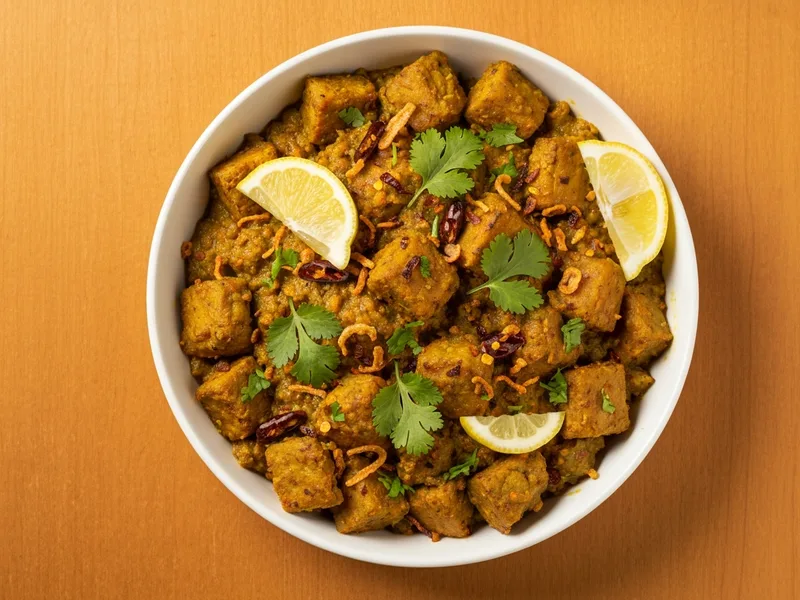
The showpiece Pakistani Chinese starter — shatteringly crispy chicken cubes in a glossy, fiery-sweet glaze that is all heat first, honey second, and completely impossible to stop eating.
Salt and Pepper Chicken
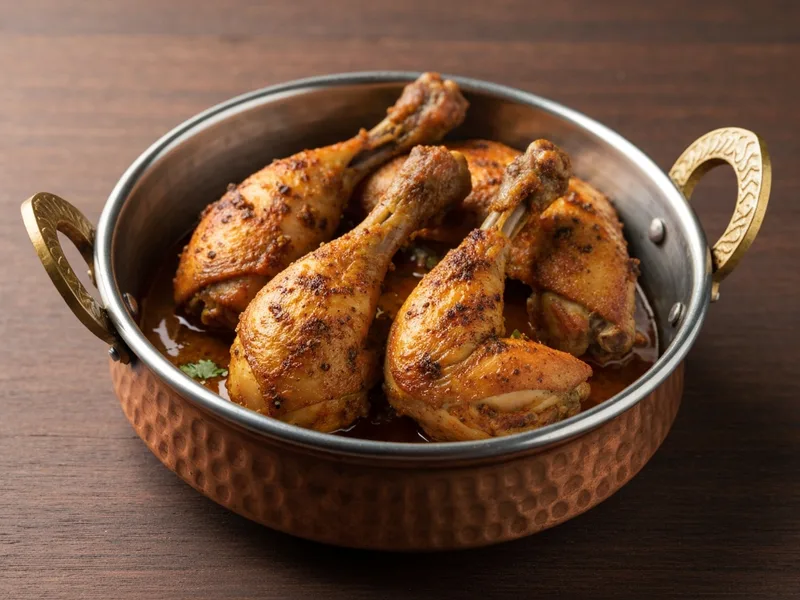
The cleanest dish on any Pakistani Chinese menu — bone-in chicken stir-fried at blistering heat with cracked black pepper, green chillies, and spring onion. No gravy, no sauce, no apologies.
Chicken Lollipop
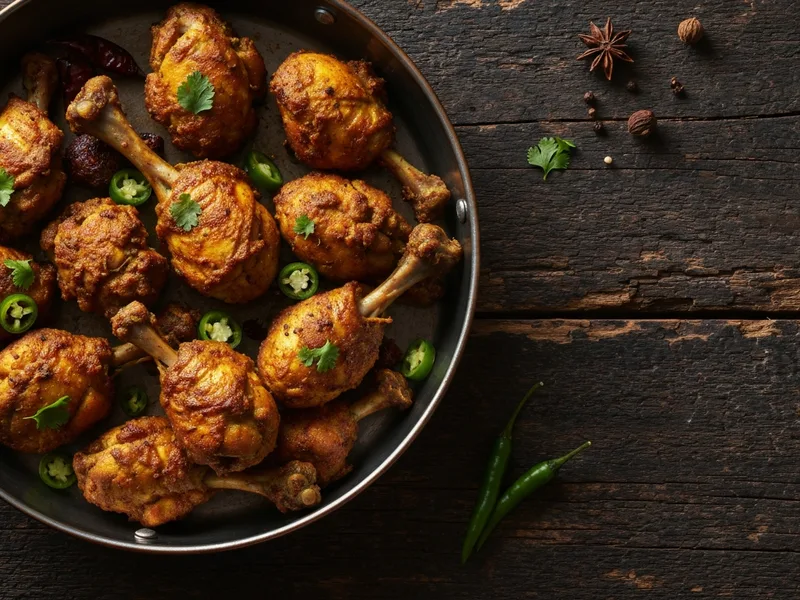
Chicken wingettes with the meat pushed down the bone into a dramatic lollipop shape, marinated in chilli-ginger-soy, battered crimson, and deep-fried to a crackling crisp. The showstopper starter of every Pakistani Chinese menu.
What Cooks Are Saying
Absolutely delicious! The flavours are spot on — tastes just like what I grew up eating.
The instructions are so clear and easy to follow. Came out perfectly first try.
Leave a Review
Tried this recipe? Share your experience — your review helps other cooks.