
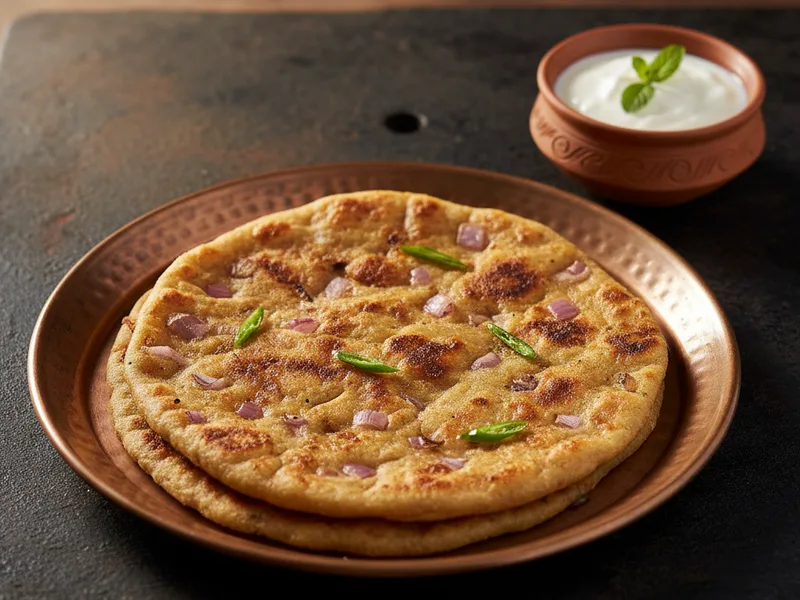
Sindh cuisine
Koki with Onion and Chilli
Koki with Onion and Chilli is a traditional Sindh Pakistani dish. This variation of Sindhi Koki leans into bold piyaz (onion) and mirch (chilli) flavours, creating a spicier, more pungent version loved for its strong character — ideal for those who want their breakfast to wake them up.
If regular koki is a comfortable morning hug, koki with extra onion and chilli is a sharp tap on the shoulder and a strong cup of chai.
This technique likely reflects the influence of the Arab traders who brought onion-heavy cooking traditions to Sindh's coastal regions. This version doubles down on the piyaz and adds fresh hari mirch generously, creating a flatbread with an assertive, almost savoury bite that contrasts beautifully with cool dahi. Sindhi home cooks often make two versions side by side — a milder one for children and elders, and this bolder version for anyone who wants a proper wake-up call. Fun fact: raw onion in flatbread dough is a technique found across South Asia, the Middle East, and Central Asia — the moisture from the onion steams from within as the bread cooks, creating soft pockets within a crispy exterior. Chemistry that happens to taste incredible. You'll notice this koki is also slightly chewier than the plain version — the extra onion moisture changes the texture in the most wonderful way.
Ingredients
Instructions
- MIX DOUGH: Combine atta, all chopped vegetables and herbs, all spices, and oil. Rub together until mixed. Add water gradually — the extra onion releases moisture so add less water than usual. Form a medium-firm dough. HINT: Let it rest 10 minutes and you'll find it becomes slightly wetter as the onion releases moisture.
- CHECK CONSISTENCY: After resting, check the dough — if it feels too soft due to onion moisture, add a tablespoon of atta to firm it up.
- SHAPE: Divide into large portions. Pat out by hand into thick rounds, about 5-6 inches diameter, 7mm thick. The rougher the surface, the crispier the result.
- SLOW COOK: Cook on a medium-low tawa for 5-6 minutes per side — the extra onion means this takes slightly longer than plain koki. Look for deep golden colour and some crispy char spots.
- ADD GHEE: Apply ghee after flipping. The ghee sizzles on the hot tawa around the koki's edges — this creates the crispy crust.
- SERVE HOT: Koki with onion and chilli is best eaten piping hot. It's more fragrant than plain koki — the onion caramelises and the chilli perfumes the entire kitchen.
Chef's Secrets
- Extra onion means more moisture in dough — balance with slightly less water
- The char spots from caramelised onion on the tawa are the best bits — don't try to avoid them
- This koki is excellent with butter and a cup of strong chai
- Leftovers can be crumbled and served with morning tea like a savoury biscuit
Common Questions
How long does Koki with Onion and Chilli take to make?
Total time is 45m — 15m prep and 30m cooking.
How many servings does this recipe make?
This recipe makes 4 servings, and is rated easy difficulty.
Which region of Pakistan is Koki with Onion and Chilli from?
Koki with Onion and Chilli is from Sindh, Pakistan — one of the country's most distinctive culinary traditions.
What do you serve with Koki with Onion and Chilli?
Serve with cold dahi (yoghurt) — the cooling contrast with the spicy koki is perfect. A cup of doodh pati chai completes the Sindhi morning.
Goes Well With
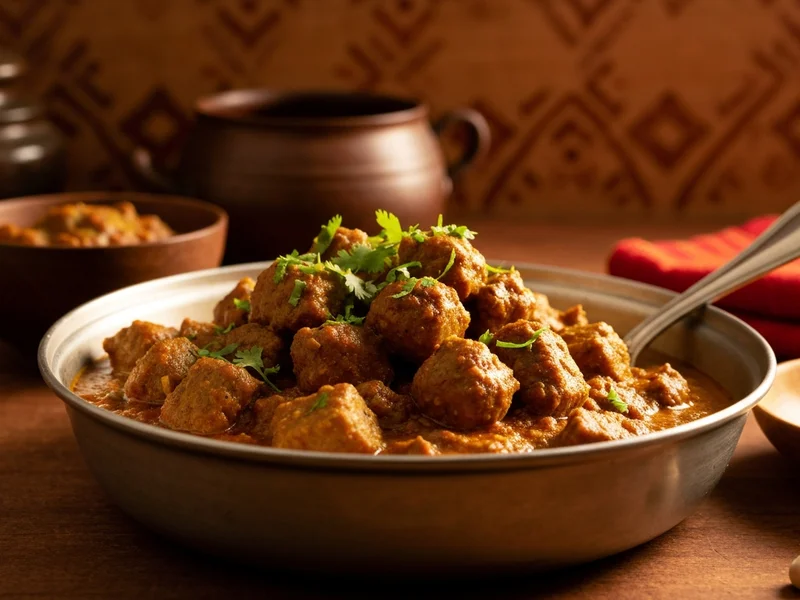
Sindhi Koki
Sindh's thick, crispy, flavour-packed breakfast flatbread — whole wheat dough loaded with onion, green chilli, fresh coriander, and carom seeds, pressed thick, scored in a crosshatch pattern, and cooked on a tawa with generous ghee until crackling and golden.
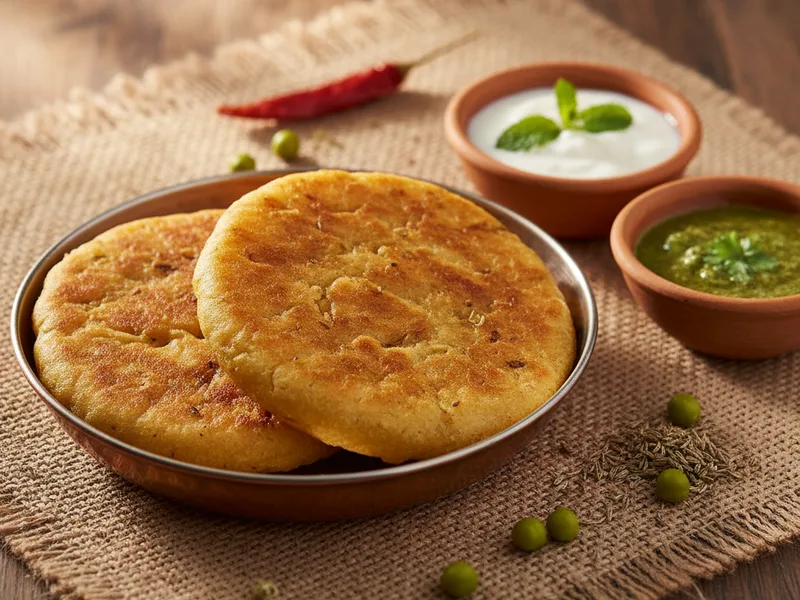
Sindhi Koki Crispy
Sindhi Koki is a thick, rustic whole wheat flatbread generously seasoned with chopped onion, fresh coriander, and cumin — slow-cooked until crispy outside and soft within. Sindh's answer to the paratha.
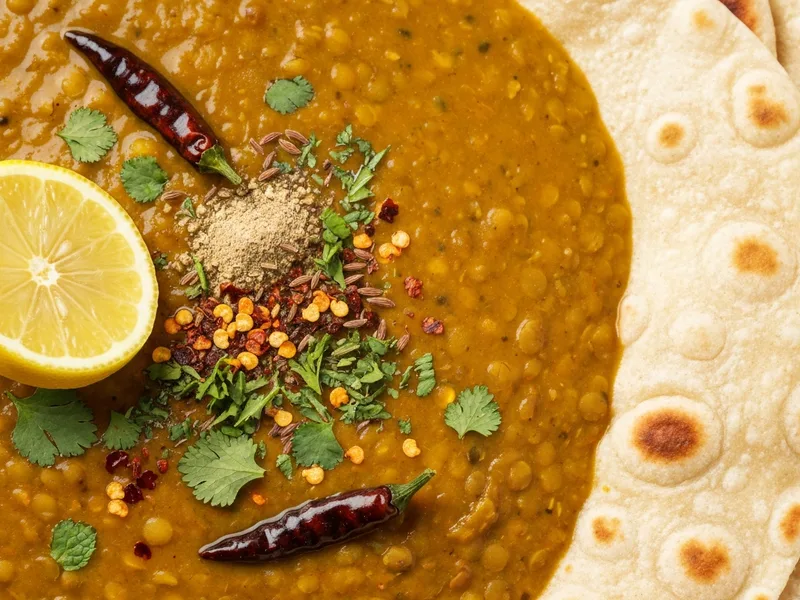
Dal Pakwan
Creamy chana dal poured over shatteringly crisp, sesame-flecked fried bread — Dal Pakwan is the Sindhi community's most beloved breakfast and one of the great unsung classics of Pakistani cuisine. It sounds simple, but the contrast of textures and the bold tadka make it something you'll dream about. Sunday morning will never be the same.
What Cooks Are Saying
Very tasty — I'll tweak the salt next time but overall really happy with how it turned out.
Made this for Eid and everyone asked for the recipe. Highly recommend.
My husband said it's the best he's ever had. Coming from him that means everything!
Leave a Review
Tried this recipe? Share your experience — your review helps other cooks.