
Punjab cuisine
Pyaz Pakora (Onion Fritters)
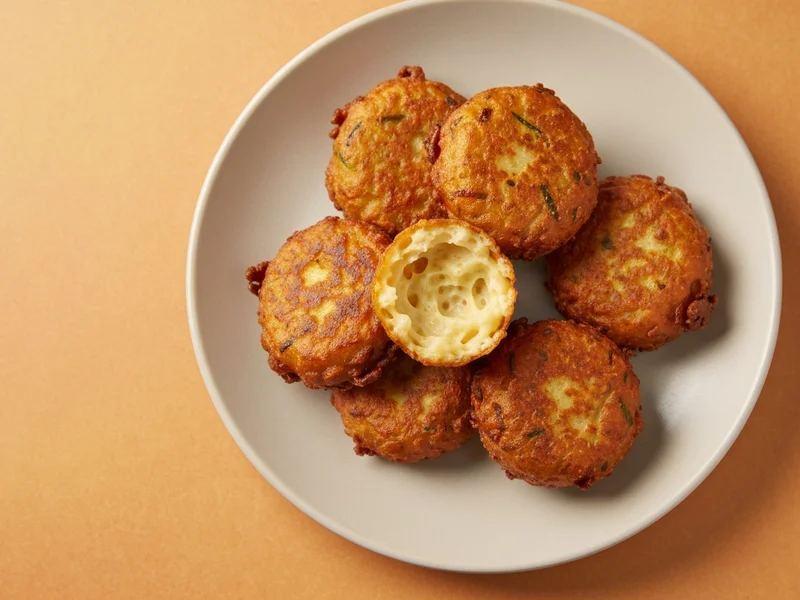
Pyaz Pakora (Onion Fritters) is a traditional Punjab Pakistani dish. Pyaz Pakora — crispy, lacy, golden onion fritters dipped in a spiced chickpea batter and deep-fried — is the first thing every Pakistani makes when it rains. The scent alone is enough to start a conversation.
There is a meteorological phenomenon in Pakistan: when rain begins, every kitchen in the country simultaneously starts making pyaz pakora. This is not hyperbole. It is practically law.
But somewhere along the long history of Pakistani cooking, pyaz pakora — the simplest, cheapest, most accessible version — became the iconic rain-food. The chickpea batter (besan) clings to the onion rings and puffs up in the hot oil into a lacy, crunchy shell. The keys: the batter must be thick but not stodgy, the onions must be thin and slightly salted (to draw out moisture so they don't make the batter wet), and the oil must be hot enough for a proper sizzle. Get these three things right and you will make perfect pakoras every single time.
Ingredients
Instructions
- SALT THE ONIONS: Combine the sliced pyaz (onions) in a large bartan (bowl) with 1/2 teaspoon salt. Toss well and leave for 15 minutes. You'll see liquid pooling at the bottom of the bowl — this is moisture drawn out from the onion. WHY: This step is not optional. Onions are mostly water, and if that water goes directly into the batter it dilutes it and makes the pakoras soggy. Salting first removes that excess moisture so the batter stays thick and clingy. After 15 minutes, squeeze the onions firmly in your hands to remove as much liquid as possible, then drain.
- MAKE THE BATTER: In a large bartan (bowl), combine besan (chickpea flour), chawal ka atta (rice flour), remaining salt, lal mirch (red chilli), dhaniya powder (ground coriander), zeera (cumin seeds), and ajwain (carom seeds). Mix the dry ingredients thoroughly. Add the egg (if using). Now add cold water, a little at a time, whisking until you have a thick, smooth batter — about the consistency of thick pancake batter. It should coat the back of a spoon thickly and fall off in slow ribbons. HINT: Too-thin batter = thin coating, not crispy. Too-thick batter = doughy, undercooked inside. The batter should be thick enough to cling to the onions heavily.
- FOLD IN THE AROMATICS AND ONIONS: Add the chopped hari mirch (green chillies) and hara dhaniya (fresh coriander) to the batter. Now add the squeezed, drained onions. Fold everything together until the onions are coated. HINT: Don't overmix once the onions are in — you want the onions roughly coated with batter, not mashed into it. The finished mixture should look like onion rings held together by thick batter, not a smooth onion paste. Let the mixture sit for 5 minutes — the onions will release a little more liquid that will thin the batter slightly to the perfect consistency.
- HEAT THE OIL: Pour oil into a deep karahi (wok) or degh and heat over medium-high heat. Test the temperature by dropping a small piece of batter in — it should rise to the surface within 2–3 seconds and sizzle vigorously. If it sinks and barely moves, the oil is too cold. If it immediately darkens, the oil is too hot. WHY: The right oil temperature (175°C) is what creates that instant crust that locks in the moisture and ensures a crispy, non-greasy pakora. Cold oil = greasy and soggy. Scorching oil = dark outside, raw inside. HINT: Keep a thermometer handy if you have one, or trust the batter-drop test.
- FRY THE PAKORAS: Using a tablespoon or your hand, drop rough mounds of the onion-batter mixture into the hot oil — about 2 tablespoons per pakora. Don't shape them into neat balls — a rough, jagged, irregular shape creates more surface area, which means more crunch. Fry in batches of 6–8, turning occasionally, for 4–5 minutes until deep golden brown all over. The colour you're looking for is the colour of teak wood — not pale yellow (under-cooked) and not dark brown (over-cooked and bitter). FUN FACT: The lacy, irregular shape of pyaz pakora is called its 'filigree' — the thin strands of onion that extend beyond the main batter mass become glass-crisp in the oil.
- DRAIN AND SEASON: Remove pakoras with a slotted spoon and drain on a plate lined with paper towels. They should look deeply golden, feel firm, and emit that characteristic sizzling, crackling sound as they drain. Immediately sprinkle with a pinch of chaat masala (spice blend) or a tiny extra pinch of salt. HINT: Season immediately while they're hot — salt sticks to hot pakoras and slides off cool ones. Serve within 10 minutes of frying — pakoras lose their crunch rapidly as they cool and absorb steam from within. If making for a group, fry in batches and serve each batch straight from the oil rather than all at once.
- MAKE THE RAIN-DAY SETUP: While the pakoras fry, put the chai on. Brew a strong adrak wali chai (ginger tea) — 2 cups of water, 1 cup of Olper's milk, 2 teaspoons loose tea, 1 inch of grated adrak (ginger), and 2 teaspoons of cheeni (sugar). Let it simmer for 3 minutes, strain into mugs. Serve the pakoras alongside the chai with hari chutney (green chutney) and a rainy window. This is, objectively, one of the finest things a human being can experience. FUN FACT: 'Barish ke din pakora khana' (eating pakoras on rainy days) is so deeply embedded in Pakistani culture that it's used as a metaphor for simple pleasures in Urdu poetry, songs, and dramas.
Chef's Secrets
- Add a pinch of baking soda (mitha soda) to the batter — 1/4 teaspoon — for extra puffiness and lightness. It creates tiny air bubbles in the batter as it fries.
- For variety, add other vegetables to the mix: thinly sliced aloo (potato), palak (spinach) leaves, gobhi (cauliflower) florets, or even sliced bread. The same batter works for everything.
- Cold batter fries crispier than room-temperature batter — mix the batter and refrigerate for 20 minutes before frying. The cold batter hits the hot oil with more dramatic contrast, creating a crunchier crust.
- To re-crisp leftover pakoras (they WILL get soggy), spread on a baking tray and heat in an oven at 200°C for 8 minutes. They'll regain about 80% of their original crunch.
- For a lighter pakora without deep frying, use an appam maker (a South Indian pan with round depressions) or an æbleskiver pan — brush with oil, add batter, cook covered. Not traditional, but surprisingly good.
Common Questions
How long does Pyaz Pakora (Onion Fritters) take to make?
Total time is 40m — 20m prep and 20m cooking.
How many servings does this recipe make?
This recipe makes 5 servings, and is rated easy difficulty.
Which region of Pakistan is Pyaz Pakora (Onion Fritters) from?
Pyaz Pakora (Onion Fritters) is from Punjab, Pakistan — one of the country's most distinctive culinary traditions.
What do you serve with Pyaz Pakora (Onion Fritters)?
Serve immediately with hari chutney (green coriander-mint chutney) and a hot mug of adrak chai (ginger tea). Also excellent with khajoor ki chutney (date chutney) for a sweet-savoury contrast. In Pakistan, pyaz pakora is Ramadan iftar food as much as it is rain-day food — both situations call for the same response.
Goes Well With
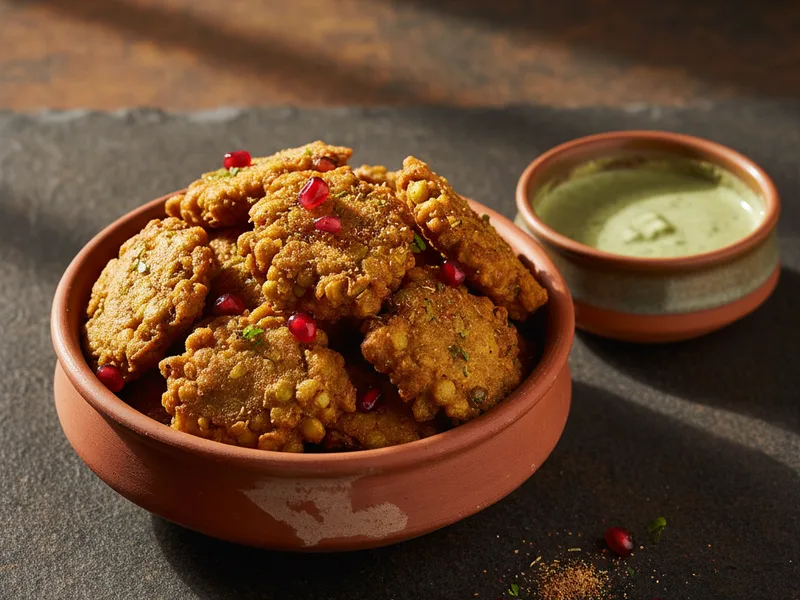
Daal Pakora — Crispy Split Pea Fritters
Crunchy daal pakoras made from soaked and coarsely ground chana dal (split chickpeas) mixed with onion, green chilli and spices, then deep-fried until shatteringly crispy. Punjab's rain-day snack of choice — denser and crunchier than besan pakoras with a satisfying lentil depth.
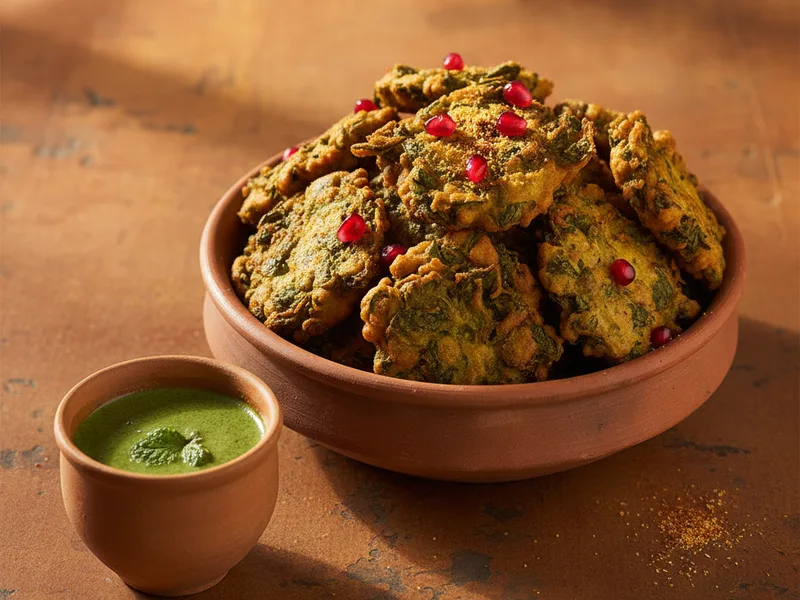
Palak Pakora — Spinach Fritters
Lacy, crispy palak pakoras made with whole fresh spinach leaves dipped in a spiced besan (gram flour) batter and fried until golden and crunchy. The lightest and most elegant of all Pakistani pakoras — ready in 20 minutes and absolutely impossible to eat just one.
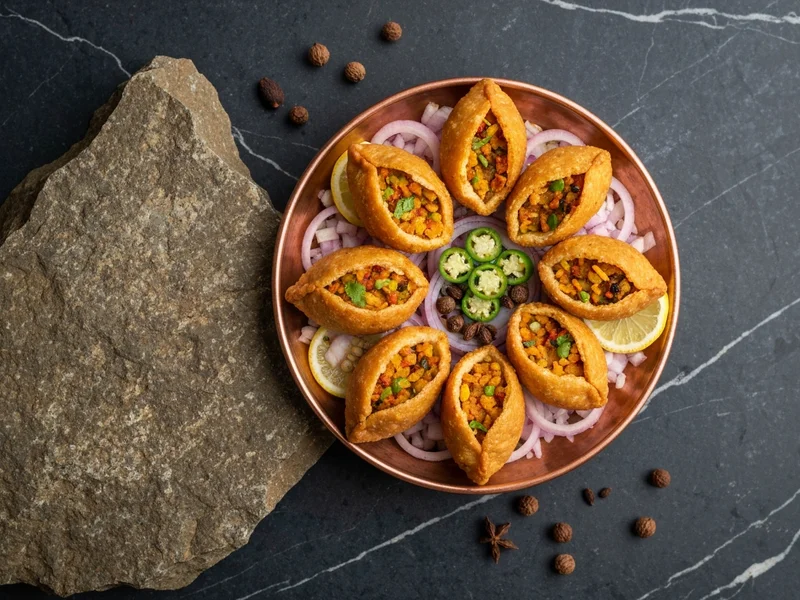
Gol Gappay
Crispy hollow puris filled with spiced chickpeas and tangy tamarind water — Pakistan's most addictive street snack. Once you start, you physically cannot stop at one.
What Cooks Are Saying
Authentic taste, clear steps. Exactly what I was looking for.
Nice recipe. I substituted one ingredient and it still came out great.
I've tried many recipes for this dish but this one is the best by far.
Leave a Review
Tried this recipe? Share your experience — your review helps other cooks.