
Punjab cuisine
Sheer Khurma
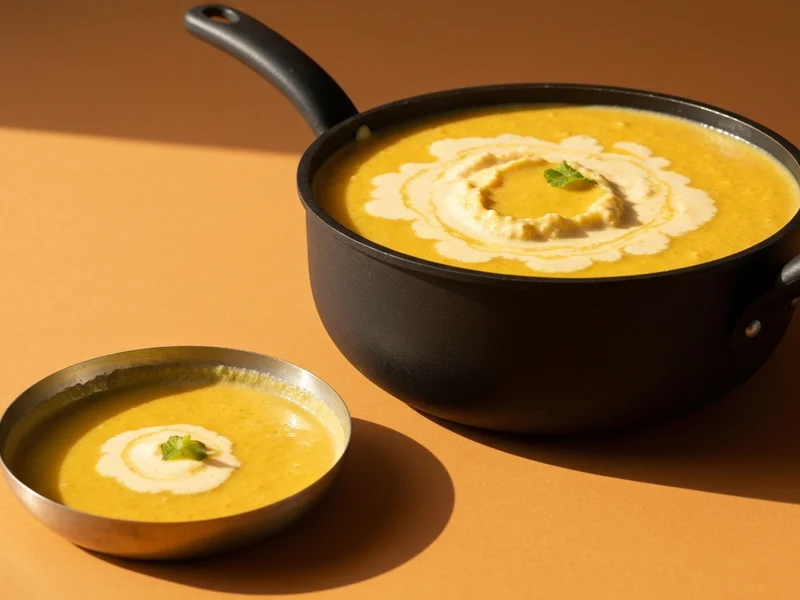
Sheer Khurma is a traditional Punjab Pakistani dish. The Eid morning vermicelli pudding — toasted sevaiyan simmered in sweetened milk with dates, pistachios, almonds, and cardamom. No Eid is complete without it.
On Eid morning, before the namaaz (prayer), before the naye kapray (new clothes), before the family rounds begin — there is sheer khurma.
It's the first taste of celebration, and Eid guests are offered a katori (small bowl) at every home they visit. By the fourth house, you're basically floating on a cloud of sweetened doodh (milk) and ghee. The Punjabi version is gloriously rich and thick — more like a kheer (pudding) than a drink — with the sevaiyan (vermicelli) toasted in desi ghee until golden before the doodh goes in. The scent of elaichi (cardamom)-infused milk and ghee-toasted sevaiyan filling your kitchen is, for millions of Pakistanis, the smell of Eid itself. Roshan Sweets in Mozang, Lahore is famous for their commercial version, but let's be honest — no packaged sheer khurma has ever come close to homemade. This is your year to nail it.
Ingredients
Instructions
- First, prepare your garnish ingredients: soak the zafran (saffron) strands in 1 tablespoon of warm doodh (milk) and set aside — it needs at least 10 minutes to release its colour and flavour. Blanch and sliver your badaam (almonds). Sliver your pista (pistachios). Pit and slice your khajoor (dates) into thin rounds. Getting this prep done first means smooth sailing later.
- Place a bhari pateela (heavy-bottomed pot) on medium-low heat and add the desi ghee. Let it melt completely — you'll know it's ready when it shimmers but doesn't smoke. Now break the sevaiyan (vermicelli) into roughly 2-inch pieces directly into the ghee. HINT: Break them inside the bag to avoid vermicelli shrapnel all over your kitchen counter.
- Toast the sevaiyan in the ghee, stirring CONSTANTLY with a chamcha (wooden spoon or ladle). Do not walk away. Do not check your phone. Sevaiyan go from golden to burnt in about 15 seconds, and burnt sevaiyan will ruin the entire batch. You want every strand uniformly golden brown — like the colour of chai. This takes 5-7 minutes on low heat. You'll smell a gorgeous nutty, toasty aroma when they're ready. HINT: If some strands are browning faster than others, your heat is too high. Lower it immediately.
- With the toasted sevaiyan still in the pot, add the slivered badaam (almonds), pista (pistachios), chironji, and kishmish (raisins). Toss everything in the ghee for about 2 minutes until the nuts are lightly golden and the raisins have puffed up. Now use a chamcha (spoon) to remove roughly half the nut mixture and set aside in a katori (small bowl) — these are your garnish for later.
- Pour in all 2 litres of doodh (milk). Be careful — the ghee will spit when the cold milk hits it, so pour slowly and stand back slightly. Increase the heat to medium-high and bring the milk to a boil, stirring frequently. Why the stirring? The sevaiyan will try to settle and clump at the bottom of the pateela — your job is to keep them moving. HINT: Use a chamcha to gently scrape the bottom of the pot every minute or so.
- Once the milk comes to a rolling boil (big bubbles breaking the surface), reduce the heat to low. Now add the cheeni (sugar), lightly crushed elaichi (cardamom) pods, sliced khajoor (dates), and the zafran (saffron) milk you soaked earlier. Stir everything together gently. The kitchen should smell absolutely incredible at this point.
- Let the sheer khurma simmer on low heat (dum — gentle steam) for 15-20 minutes. Stir every 3-4 minutes to prevent the bottom from catching. You're watching for two things: the sevaiyan should become completely soft (no crunch when you taste one), and the doodh should have thickened slightly. The consistency should be like a loose kheer (pudding) — remember, it will thicken significantly as it cools because the sevaiyan keep absorbing liquid. HINT: If it looks too thick already, add a splash of warm milk. If it looks too thin, give it another 5 minutes.
- Turn off the heat. Add the arq-e-gulab (rose water) if using, and stir gently. Adding it off the heat preserves its delicate floral fragrance — boiling destroys it.
- Ladle the sheer khurma into small katorian (bowls), garnish with the reserved toasted nuts and a few strands of zafran (saffron). Serve warm — or refrigerate and serve chilled. Both are traditional, both are correct, and both are delicious.
Essential for This Recipe
As an Amazon Associate, we earn from qualifying purchases
Pure Ghee (Clarified Butter)
The authentic cooking fat for Pakistani dishes — adds rich flavor that oil can't match
Green Cardamom Pods (Elaichi)
The fragrant heart of biryanis, pulaos, chai, and desserts — use whole pods for best flavor
Rose Water (Pure)
For desserts, kheer, and lassi — adds floral elegance to sweet dishes
Saffron Threads (Zafran)
The luxury spice for biryanis, zarda, kheer, and special occasions — adds golden color and floral elegance
Chef's Secrets
- Toast the sevaiyan LOW and SLOW. This is the single most important step. High heat will burn the outside while leaving the inside raw-tasting, and burnt vermicelli makes the entire sheer khurma taste bitter. Every strand should be uniformly golden — like well-made chai.
- The doodh (milk) will thicken considerably as it cools because the sevaiyan keep absorbing liquid. Always make it slightly thinner than your desired final consistency. If you nail it perfectly hot, it'll be too thick when cold.
- Use full-fat doodh and real desi ghee. This is Eid. This is celebration food. Low-fat versions taste watery and miss the entire point. You have the rest of the year for calorie counting.
- Add the khajoor (dates) early so they soften and partially dissolve into the milk, adding natural caramel sweetness. This means you'll need less cheeni (sugar) overall.
- Sheer khurma made the night before Eid and refrigerated overnight tastes even better — the flavours marry, the sevaiyan absorb all that spiced milk, and the consistency becomes gloriously pudding-like. Most Pakistani families make it the night before for this exact reason.
- If you accidentally burn the sevaiyan (it happens to the best of us), do NOT try to salvage them. Start over with fresh ones. Burnt sevaiyan will make the entire batch taste acrid and no amount of sugar or elaichi can fix it.
Common Questions
How long does Sheer Khurma take to make?
Total time is 50m — 15m prep and 35m cooking.
How many servings does this recipe make?
This recipe makes 10 servings, and is rated easy difficulty.
Which region of Pakistan is Sheer Khurma from?
Sheer Khurma is from Punjab, Pakistan — one of the country's most distinctive culinary traditions.
What do you serve with Sheer Khurma?
Serve warm on Eid morning in small katorian (bowls) or fancy cups, garnished with slivered pista (pistachios) and a couple of zafran (saffron) strands. Offer a bowl to every guest who visits — this is tradition, and turning down sheer khurma on Eid is basically a social crime. For a cold version, refrigerate overnight and serve chilled the next day with a sprinkle of crushed pista on top.
Goes Well With
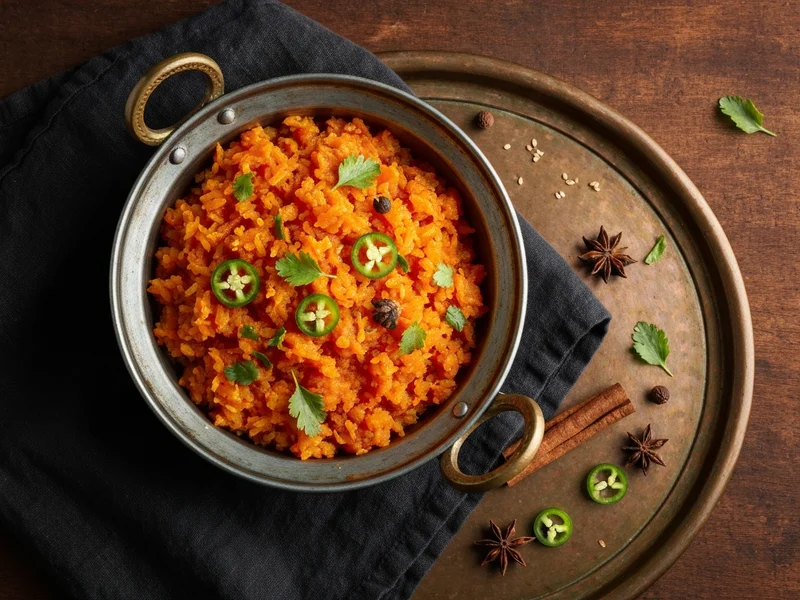
Gajar Ka Halwa — Classic Pakistani Carrot Dessert
Gajar ka halwa is Pakistan's most beloved winter dessert — slow-cooked grated carrots in full-fat milk, sugar, and cardamom, finished with a shower of nuts and a knob of ghee. Rich, aromatic, and impossibly comforting, it turns a humble root vegetable into something genuinely spectacular.
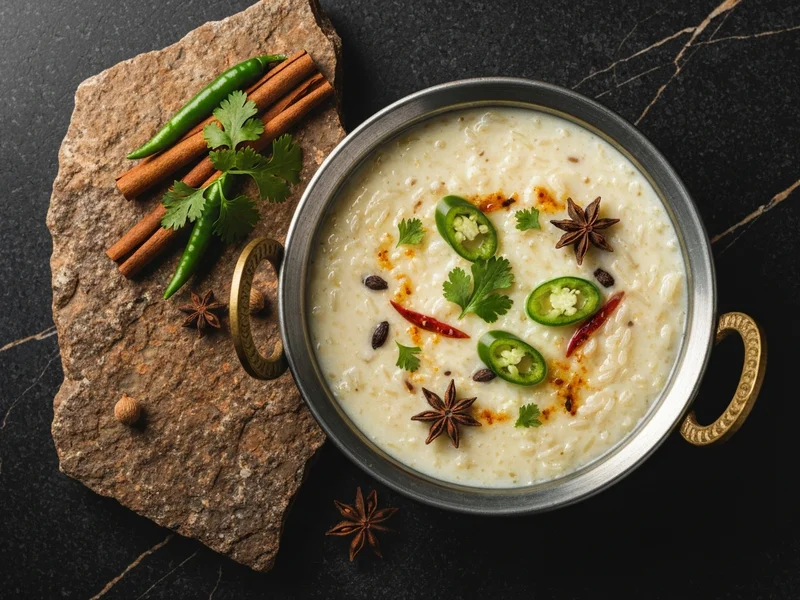
Doodh Chawal Kheer — Pakistani Rice Pudding
Kheer is the quintessential Pakistani celebration dessert — rice slow-cooked in full-fat milk until creamy and thick, perfumed with cardamom and saffron, and crowned with pistachios and silver leaf. It appears at every eid, wedding, and birth celebration across the country.
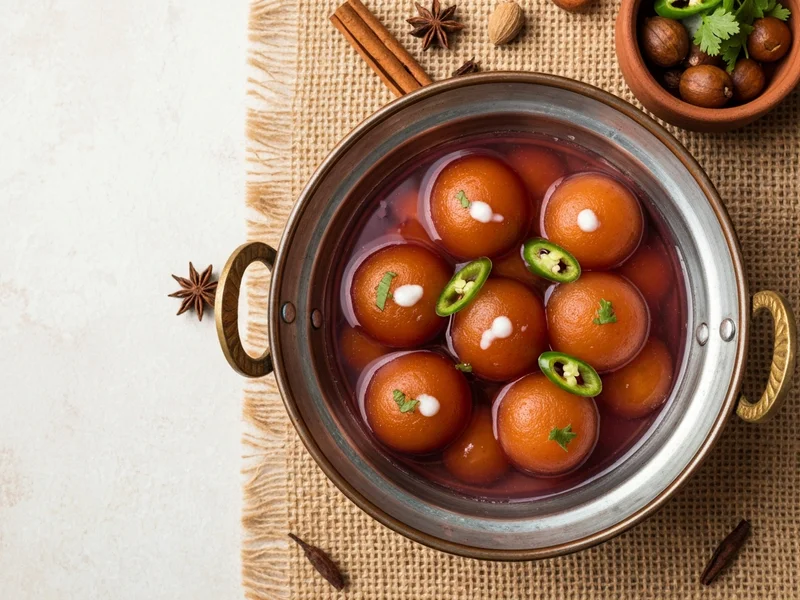
Gulab Jamun — Soft Milk Dumplings in Rose Syrup
Gulab jamun are soft, spongy milk dumplings deep-fried to a deep golden-brown and soaked in a fragrant sugar syrup perfumed with rose water and cardamom. Pakistan's most popular mithai (sweet), found at every wedding, celebration, and chai break.
Cite This Recipe
Writing about Pakistani food? Use these ready-made citations.
<a href="https://pakistani.recipes/recipes/gulab-jamun/gulab-jamun/">Gulab Jamun — Soft Milk Dumplings in Rose Syrup</a> — Pakistani Recipes
Ayesha Noor. "Gulab Jamun — Soft Milk Dumplings in Rose Syrup." Pakistani Recipes, 2024. https://pakistani.recipes/recipes/gulab-jamun/gulab-jamun/
Ayesha Noor. (2024). Gulab Jamun — Soft Milk Dumplings in Rose Syrup. Pakistani Recipes. Retrieved 2026-05-26, from https://pakistani.recipes/recipes/gulab-jamun/gulab-jamun/
What Cooks Are Saying
I was nervous to try this but the instructions made it so easy. Turned out amazing.
Authentic taste, clear steps. Exactly what I was looking for.