
South Punjab (Multan) cuisine
Multani Sohan Halwa
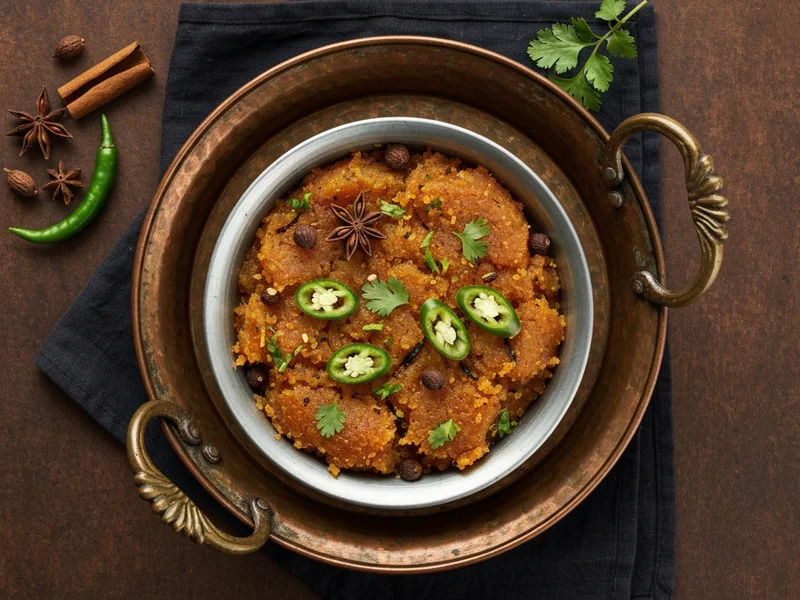
Multani Sohan Halwa is a traditional South Punjab (Multan) Pakistani dish. Multan's legendary brittle confection — a hard, snapping slab of caramelised sugar, wheat starch, ghee, and whole nuts. Nothing like soft halwa. This one shatters. And it is magnificent.
Stop everything you think you know about halwa. Sohan Halwa is not soft. It is not pudding-like. It does not wobble. It SNAPS when you break it, like toffee, and that snap is the entire point.
The Hafiz Sweets shop in Multan has reportedly been making this confection for over 100 years, and tins of it are sent as gifts to Pakistani communities across the world. The technique is pure candy-making: you're cooking a sugar syrup to the hard-crack stage (the same stage as hard candies), then folding in dissolved wheat starch and ghee to create something that sets into a hard, slightly fudgy slab studded with almonds and pistachios. Yes, you'll need a candy thermometer. Yes, it will feel intimidating. We'll walk through every stage so you know exactly what to look for — and why that temperature matters so much.
Ingredients
Instructions
- PREPARE YOUR STATION: Before you touch a single ingredient, grease a flat baking tray or a clean bartan (plate/dish) with ghee and set it within arm's reach of the stove. Chop your nuts and have them ready. Once the sugar reaches the hard-crack stage, things move fast — there is no time to be rummaging in drawers. HINT: Also have a bowl of ice water nearby in case you need to test the syrup (or cool a burn). Working with molten sugar at 150°C demands respect. Sleeves up, kids out of the kitchen.
- DISSOLVE THE STARCH: In a small bowl, whisk together the corn starch and ¼ cup of cold water until completely smooth — no lumps. Set aside. HINT: Starch dissolves much better in cold water than hot. If you add starch to hot liquid it will immediately seize into lumps. Make this slurry now and give it another stir just before you need it, because starch settles to the bottom.
- MAKE THE SUGAR SYRUP: In a heavy-bottomed pateela (pot) — ideally stainless steel or copper, not non-stick — combine the sugar, ¾ cup water, and lemon juice. Stir until the sugar dissolves, then stop stirring completely. WHY: Stirring sugar syrup once it's boiling causes sugar crystals to form on the spoon and those crystals 'seed' the whole pot into a grainy mess. From this point, do not stir. You can swirl the pot occasionally but no spoon goes in. Attach your candy thermometer to the side of the pot.
- COOK TO HARD-CRACK STAGE: Bring the syrup to a boil over medium-high heat. Watch the thermometer — do not wander off. The stages: Soft ball (115°C) — too early, won't set hard. Firm ball (120°C) — still too soft. Hard crack (150-155°C) — this is your target. At hard crack, a drop of syrup drizzled into cold ice water will harden immediately into a brittle, glassy thread that snaps cleanly. FUN FACT: Each degree of temperature changes the final texture of your candy. At 148°C you get something slightly chewy. At 158°C you're approaching burnt toffee territory. 150-155°C is the narrow window for Sohan Halwa.
- ADD THE STARCH SLURRY: The moment your thermometer reads 150°C, reduce heat to the lowest setting. Give your starch slurry a quick stir (it will have settled), then pour it into the syrup in a slow, steady stream while stirring vigorously with a chamcha (spatula). HINT: This is the step where beginners panic — the mixture will bubble furiously and steam aggressively when the cold slurry hits the hot syrup. Keep stirring. Do not stop. Lumps form if you pause. Stir continuously in figure-of-eight motions for 3-4 minutes until the mixture becomes thick and starts pulling away from the sides of the pot.
- ADD GHEE IN STAGES: Now add the ghee in 3-4 additions, stirring each addition fully into the mixture before adding the next. WHY: Adding all the ghee at once can cause the mixture to seize or become greasy. Adding it in stages allows the fat to emulsify into the candy base, creating a smooth, fudge-like consistency. The mixture will look glossy and the colour will deepen to a warm amber. Keep stirring over low heat — the whole process from starch addition to ghee incorporation takes about 8-10 minutes of constant stirring.
- FLAVOUR AND POUR: Add the elaichi powder (cardamom) and kewra water (if using) to the mixture and stir through. Working very quickly now — the mixture will begin to set as it cools — pour it onto your pre-greased baking tray and spread it out with the back of a greased chamcha to an even layer about 1.5-2 cm thick. Immediately scatter the chopped badam (almonds) and pista (pistachios) generously across the top and press them lightly into the surface with your palm so they stick.
- SET AND CUT: Allow the Sohan Halwa to cool at room temperature — do not put it in the fridge, which can cause condensation and make the surface sticky. After 20-25 minutes it will be firm to the touch. After 45 minutes it will have set fully. Using a sharp, heavy knife, score the halwa into squares or rectangles. HINT: For clean cuts, heat the knife blade briefly over a gas flame or under hot water and dry it — the warm blade cuts through brittle candy more cleanly. The halwa should snap satisfyingly along each cut. If it bends rather than snaps, it needs more time to set.
Chef's Secrets
- A candy thermometer is not optional for this recipe — guessing sugar stages is how you end up with either a sticky toffee slab or a scorched mess. Invest in one (they cost very little) and use it every time.
- The pot matters: use a heavy-bottomed stainless steel or copper pot. Thin pots develop hot spots and the sugar burns in patches before reaching the right temperature throughout.
- Once the syrup is boiling, do NOT leave the kitchen. Sugar goes from perfect to burnt in under 60 seconds at high temperatures.
- Store finished Sohan Halwa between layers of baking paper in an airtight container. It keeps at room temperature for 2-3 weeks — the sugar is effectively a preservative. Do not refrigerate.
- For gifting, wrap individual pieces in cellophane or wax paper — traditional Multani style is to pack them in decorative tins lined with silver foil.
Common Questions
How long does Multani Sohan Halwa take to make?
Total time is 55m — 15m prep and 40m cooking.
How many servings does this recipe make?
This recipe makes 20 servings, and is rated hard difficulty.
Which region of Pakistan is Multani Sohan Halwa from?
Multani Sohan Halwa is from South Punjab (Multan), Pakistan — one of the country's most distinctive culinary traditions.
What do you serve with Multani Sohan Halwa?
Serve with hot chai (tea) — the bitterness of the chai is the perfect foil for the sweetness of the halwa. Break into pieces at the table for the satisfying snap. Traditional as a gift — pack in a tin lined with silver foil.
Goes Well With
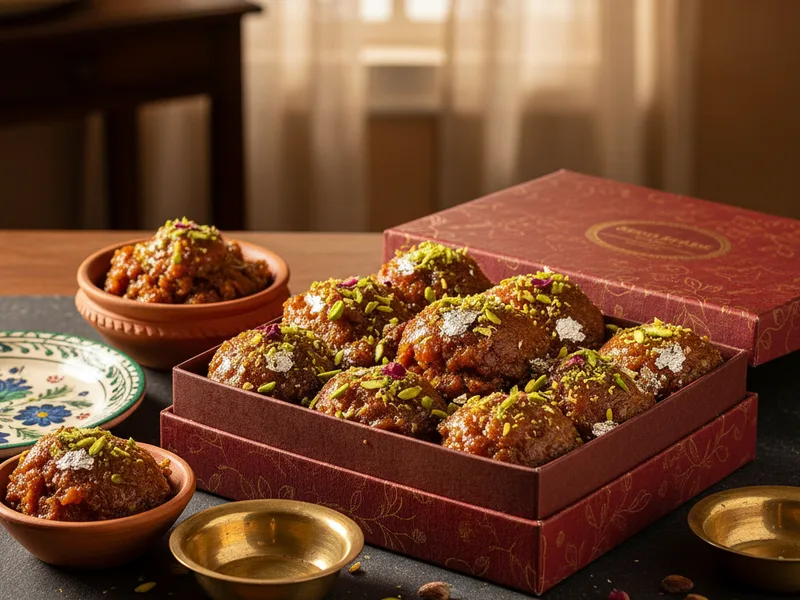
Multani Sohan Halwa — Gift Box Style
Authentic Multani sohan halwa — the legendary South Punjab confection made by reducing wheat starch with sugar and ghee into a glossy, firm disc studded with pistachios and almonds. The GI-protected sweet of Multan, traditionally gifted in ornate tins. Challenging but deeply rewarding to make.
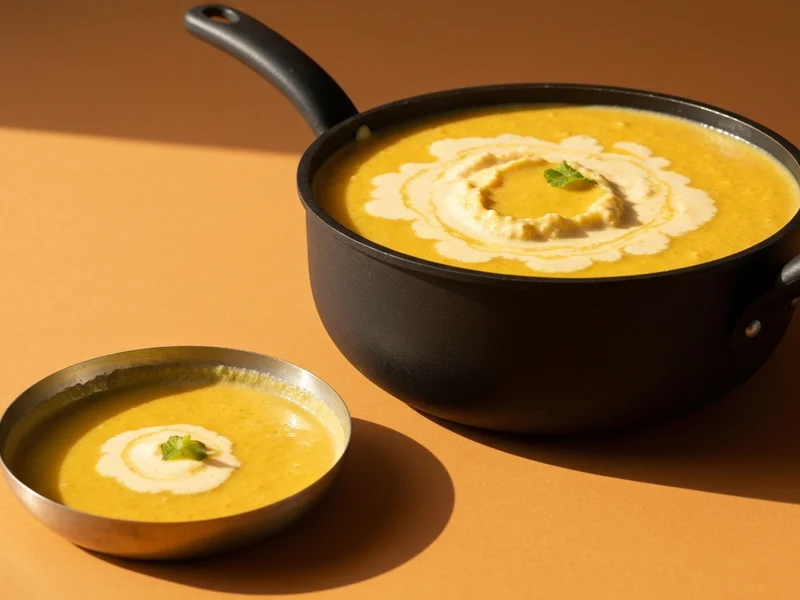
Sheer Khurma
The Eid morning vermicelli pudding — toasted sevaiyan simmered in sweetened milk with dates, pistachios, almonds, and cardamom. No Eid is complete without it.
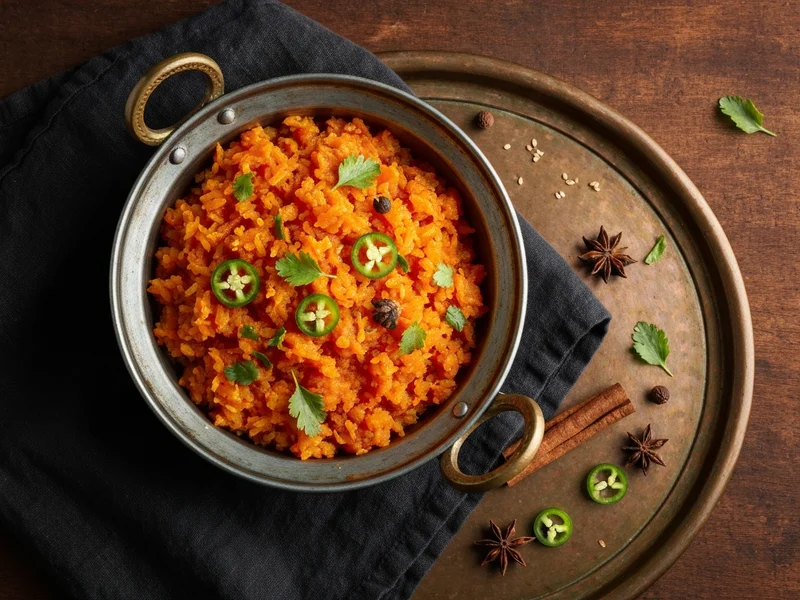
Gajar Ka Halwa — Classic Pakistani Carrot Dessert
Gajar ka halwa is Pakistan's most beloved winter dessert — slow-cooked grated carrots in full-fat milk, sugar, and cardamom, finished with a shower of nuts and a knob of ghee. Rich, aromatic, and impossibly comforting, it turns a humble root vegetable into something genuinely spectacular.
What Cooks Are Saying
Absolutely delicious! The flavours are spot on — tastes just like what I grew up eating.
This recipe is a keeper. Followed it exactly and it turned out perfect.
My husband said it's the best he's ever had. Coming from him that means everything!
Leave a Review
Tried this recipe? Share your experience — your review helps other cooks.