
The Ultimate Bakra Eid Menu — Mutton Recipes, Beef & Qurbani Favourites
Eid ul-Adha is the festival of meat. This collection brings together the best Pakistani mutton recipes for Bakra Eid — slow-cooked nihari, silky korma, seekh kebabs, karahi, and classic paya. Everything you need across three days of feasting, from offal to qorma.
25 recipes in this collection
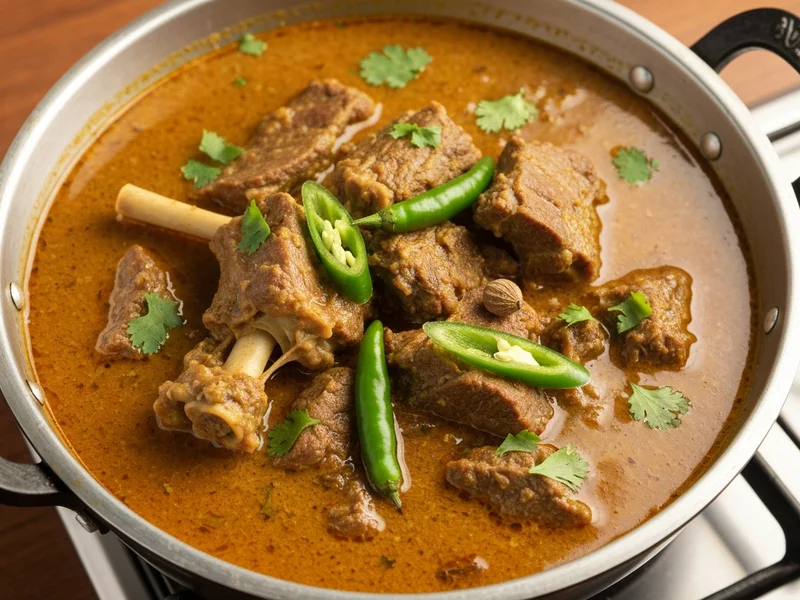
Classic Lahori Nihari
The ultimate slow-cooked breakfast stew — beef shank and bone marrow simmered overnight in a dozen spices. Old Lahore's most legendary dish.
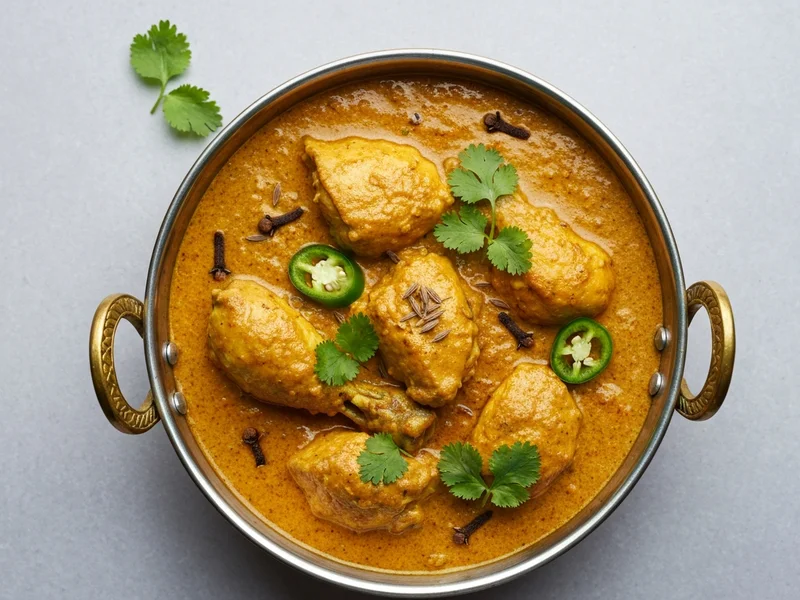
Shahi Chicken Korma
Shahi Chicken Korma is the crown jewel of Pakistani wedding food — rich, creamy, fragrant with whole spices, and built on a base of fried onions and whisked yoghurt. 'Shahi' means royal, and this curry earns the title.
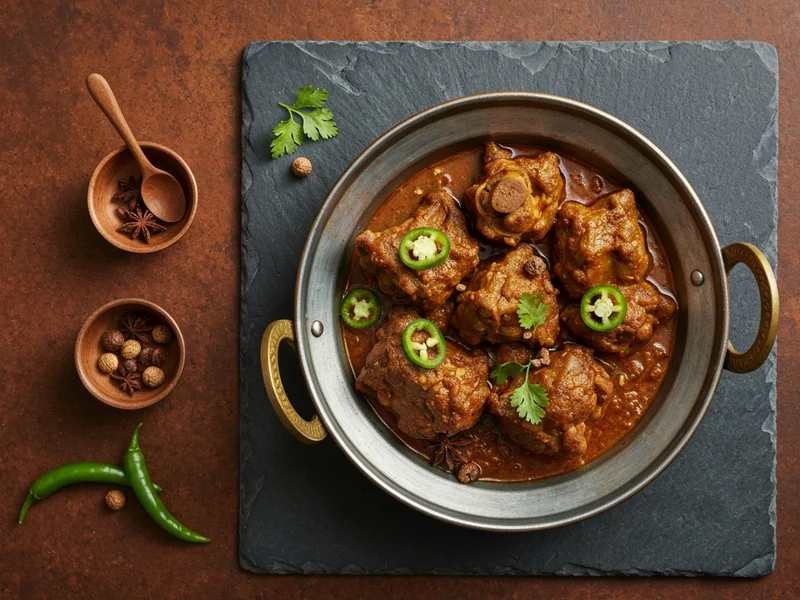
Lahori Paya — Slow-Cooked Trotters
Lahori Paya is a slow-cooked dish of goat or beef trotters simmered for 6-8 hours until the collagen melts into a rich, gelatinous, deeply spiced gravy. It is traditionally eaten for breakfast (yes, breakfast) in Lahore's old city, served with naan from the tandoor, and considered the ultimate cold-weather restorative.
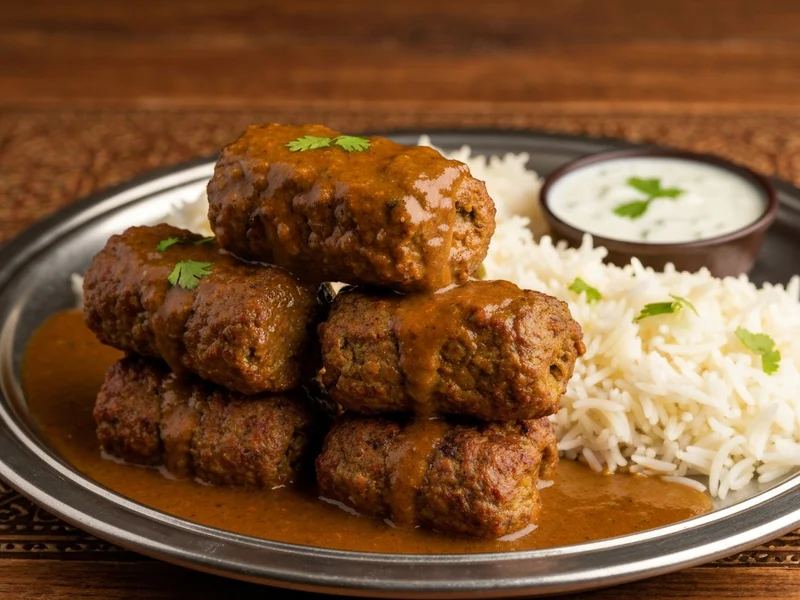
Lahori Seekh Kebab
Juicy, spiced minced meat kebabs grilled on skewers over live charcoal — the smell alone will bring your entire neighbourhood to the gate. Lahori seekh kebab is richer and spicier than its Peshawari cousin, packed with herbs and fried onion for moisture and depth.
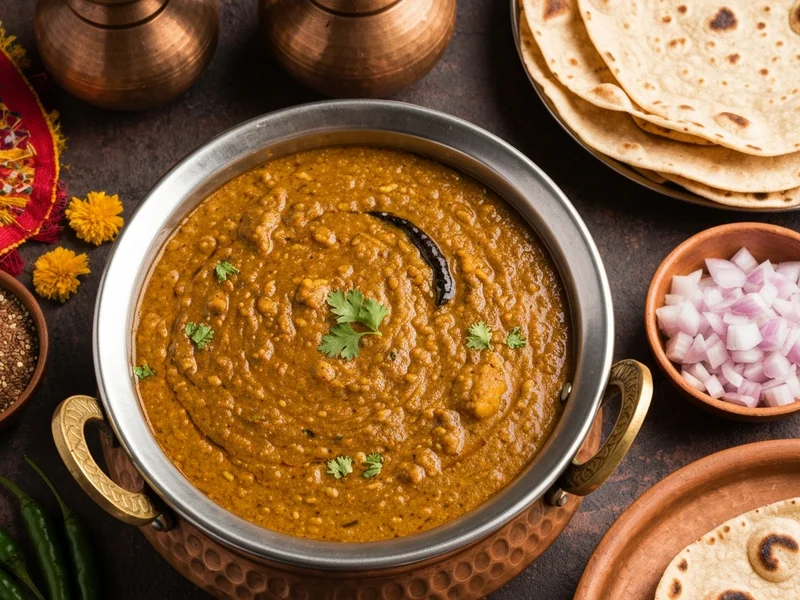
Punjabi Haleem
The Ramadan staple — shredded beef slow-cooked with wheat, barley, and lentils into a thick, silky stew, crowned with fried onions, ginger, lemon, and a drizzle of hot oil.
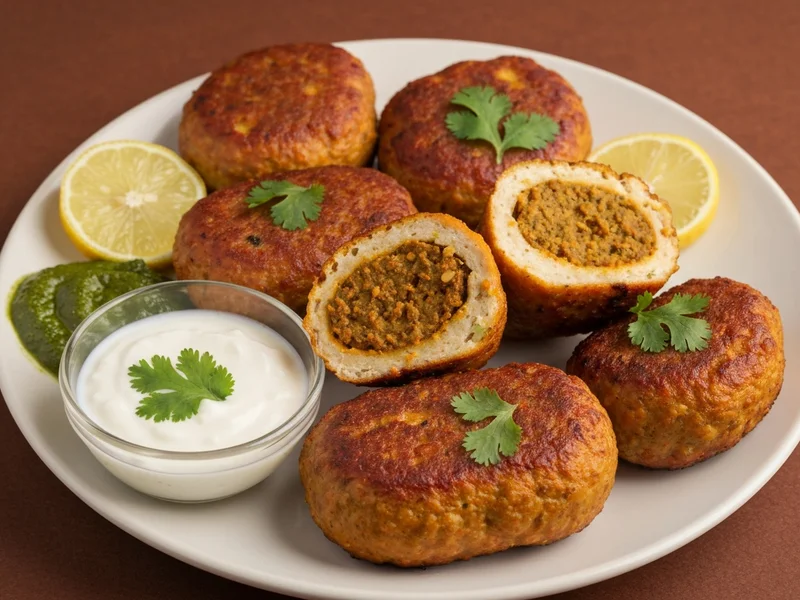
Lahori Shami Kebab
Lahori Shami Kebab are silky-smooth pan-fried patties made from slow-cooked beef and split chickpeas — spiced, herb-flecked, and crispy at the edges. The quintessential Pakistani tea-time snack.
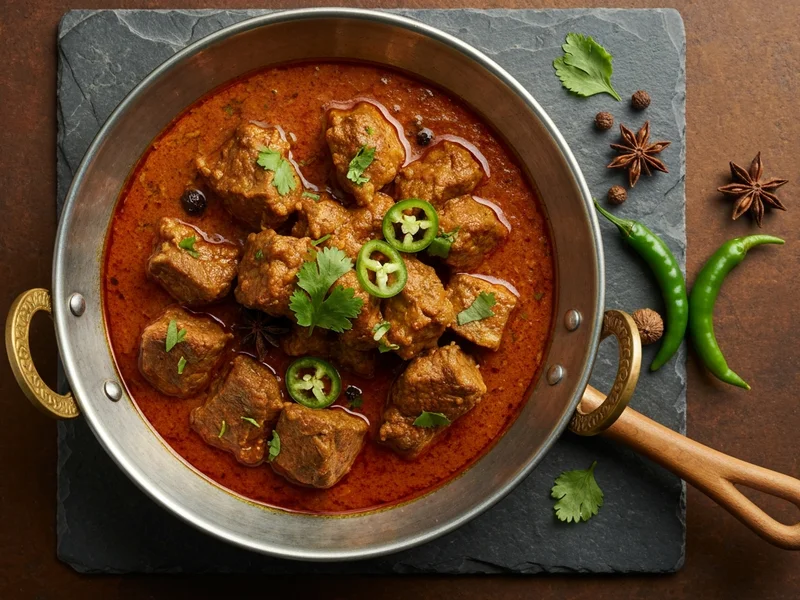
Lahori Mutton Karahi — Restaurant-Style Wok Curry
Lahori mutton karahi is the king of Pakistani restaurant cooking — bone-in mutton cooked fast and furiously in a heavy steel karahi (wok) with tomatoes, ginger, green chillies, and a final flourish of fresh coriander and cream. Bold, fiery, and deeply satisfying.
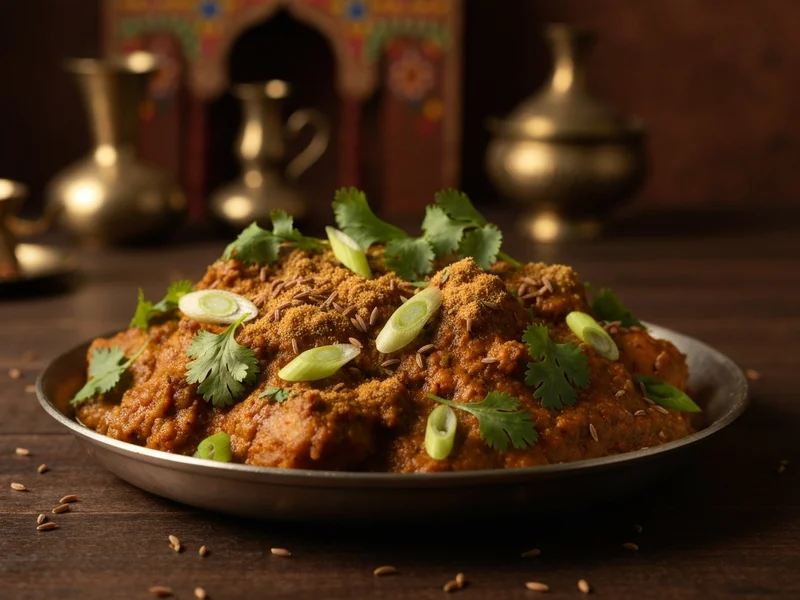
Classic Aloo Gosht
Pakistan's everyday comfort curry — tender mutton and golden potatoes simmered in a tomato-onion masala. The dish every Pakistani mother makes differently, and every version is correct.
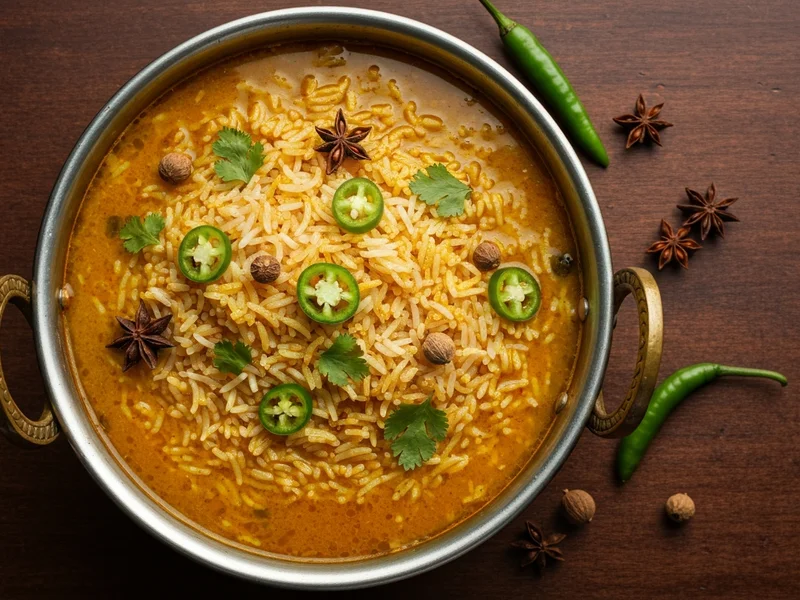
Yakhni Pulao
Yakhni Pulao is fragrant, one-pot rice cooked in a slow-simmered meat broth (yakhni) with whole spices. Lighter and more delicate than biryani, this is the dish that proves understated can be unforgettable.
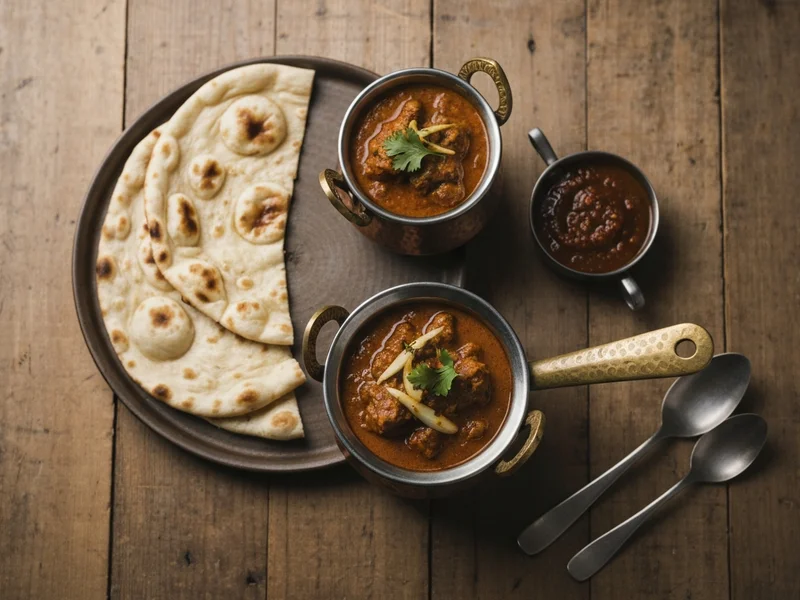
Kashmiri Rogan Josh
The crown jewel of Kashmiri cooking — a slow-braised lamb curry in a gorgeous mahogany-red gravy that gets its colour from Kashmiri chillies and alkanet root, not from heat. Aromatic, rich, and unlike any curry you've made before.
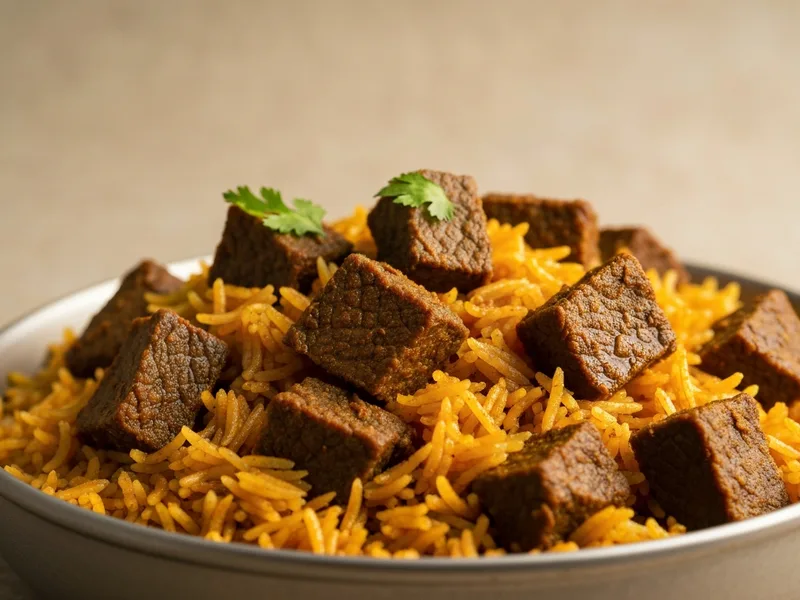
Bannu Beef Pulao
Bannu Beef Pulao is the purist's answer to rice — no colour, no masala packets, just beef, rice, and whole spices doing exactly what they're supposed to. The magic is in the yakhni (broth) that the rice cooks in, absorbing every ounce of beefy, aromatic goodness. This is KP cooking at its most majestic: simple, honest, and absolutely unforgettable.
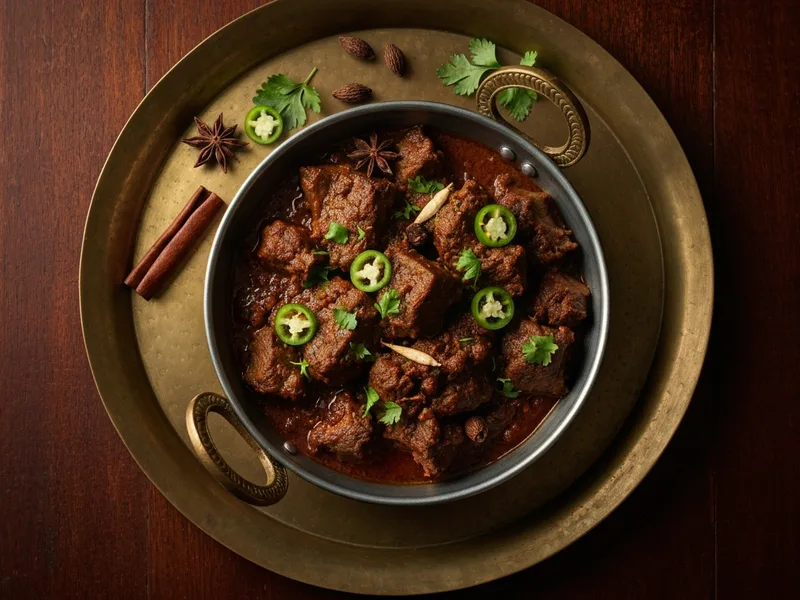
Mutton Nihari Slow Cooked
Lahori-style slow-cooked mutton nihari with a deeply spiced, velvety gravy — the kind that makes your whole house smell like a wedding. Rich, tender, and absolutely worth the wait.
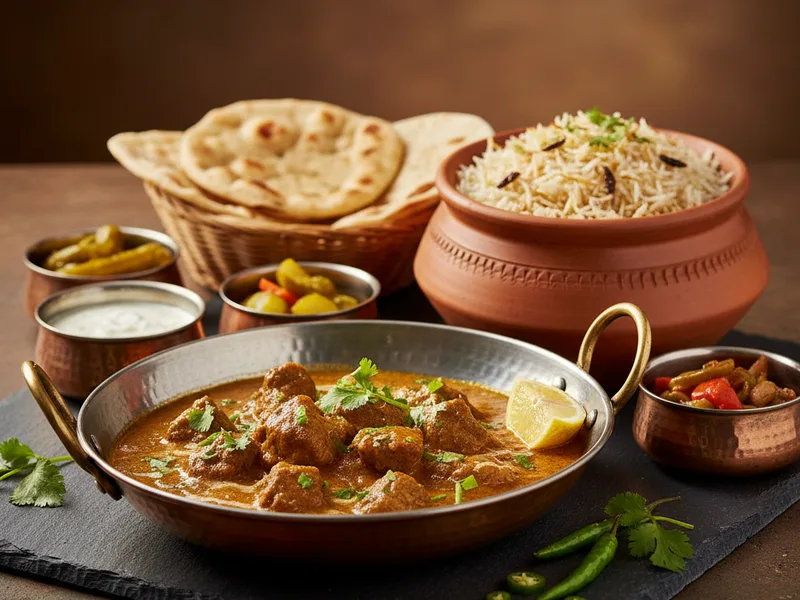
Beef Korma Dawat
South Punjab's grand dawat (banquet) beef korma — deeply spiced, richly finished with nut paste, and bearing the generous character of Multani hospitality. This is the curry you make when you want to impress.
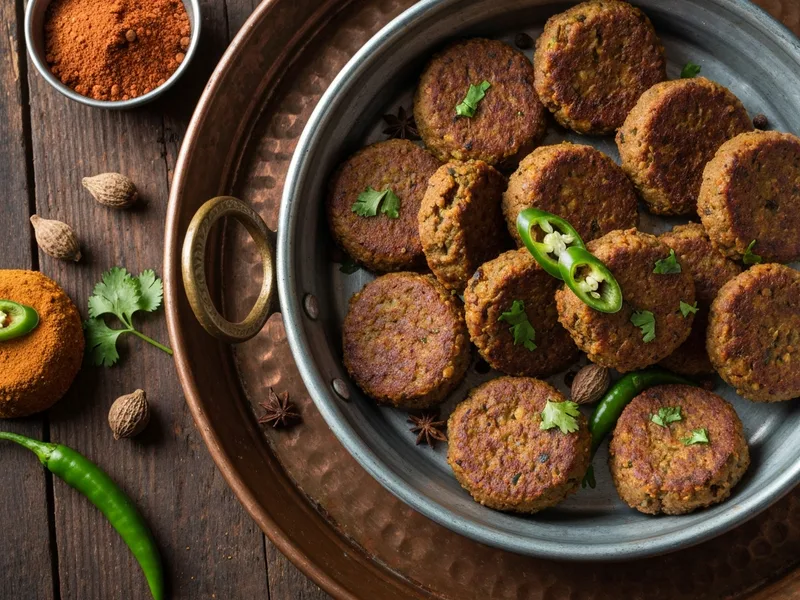
Khaddi Kabab
Balochistan's most spectacular dish — a whole lamb heavily marinated in a yoghurt-spice paste, then slow-roasted in a sealed earthen pit with hot coals. The animal is suspended ABOVE the coals on a spit, the pit is covered, and 4-6 hours of indirect heat bastes the meat. The belly stuffing of rice, dried fruits, and nuts is authentic tradition, not an embellishment.
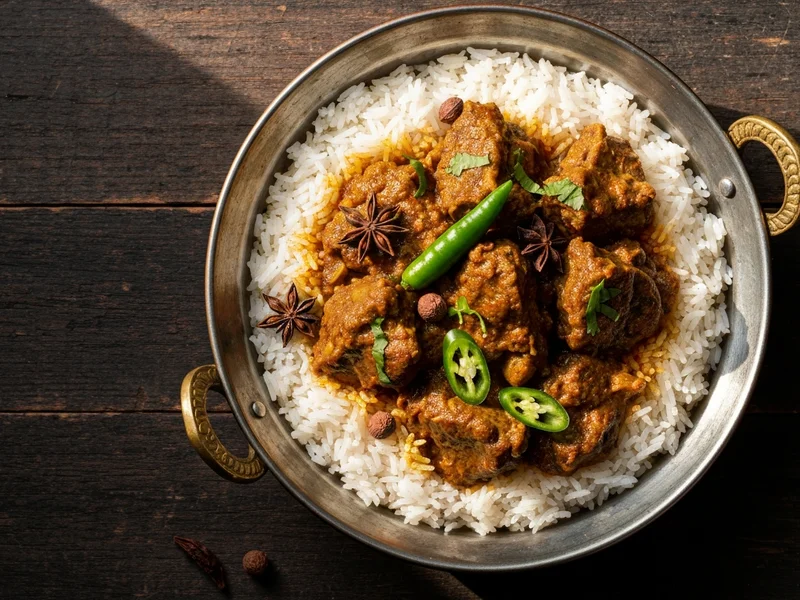
Kashmiri Gushtaba
The grand finale of the Kashmiri Wazwan — hand-pounded mutton meatballs (with fat pounded in) in a pale cream yoghurt-fennel gravy. No onion. No tomato. No red chilli. The ivory colour is the mark of authenticity — orange or red means it has been modified.
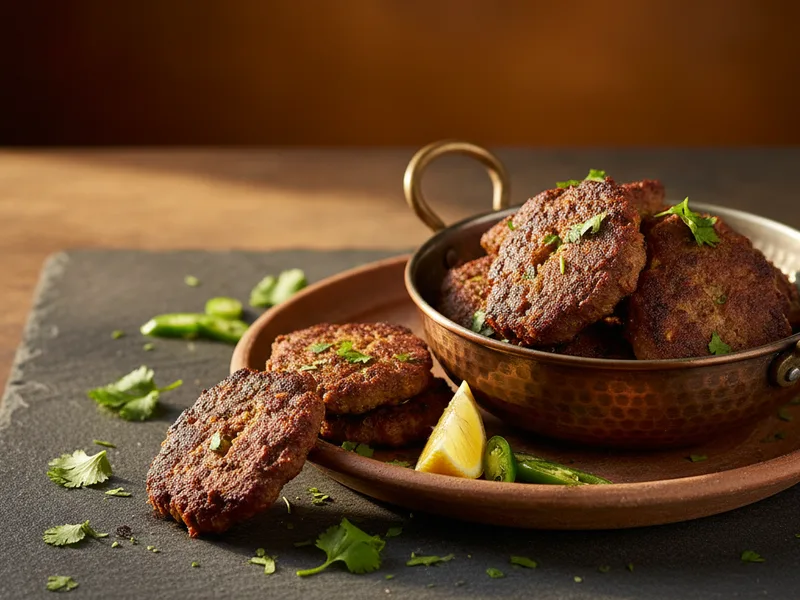
Bannu Chapli Kebab — The Original
Bannu is widely considered the birthplace of chapli kebab, and this recipe captures the original Bannu version — flatter, crispier, and more aggressively spiced than the Peshawar versions that became famous. A foundational Pakistani recipe.
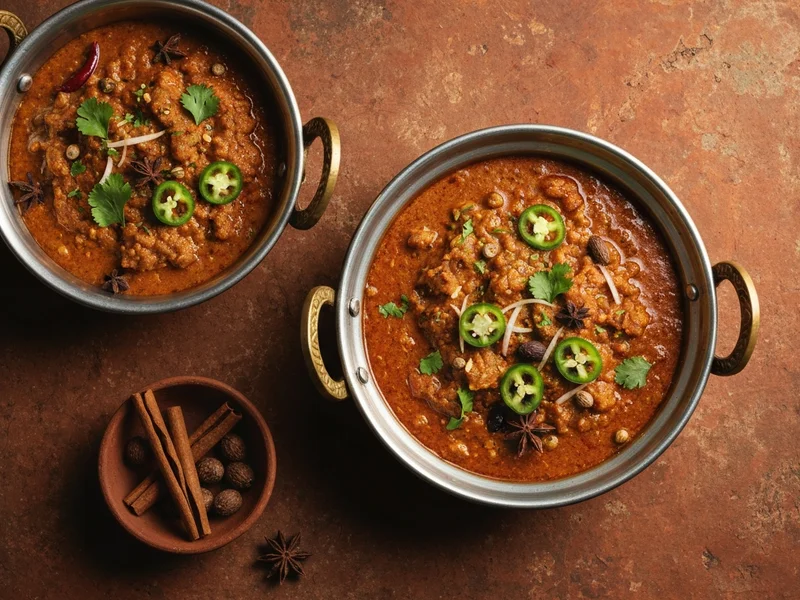
Lahori Katakat — The Chopping Rhythm Street Food
Lahore's most theatrical street food — offal and meat chopped rhythmically on a convex iron tawa with two metal spatulas, spiced on the fly. Named for the sound the blades make.
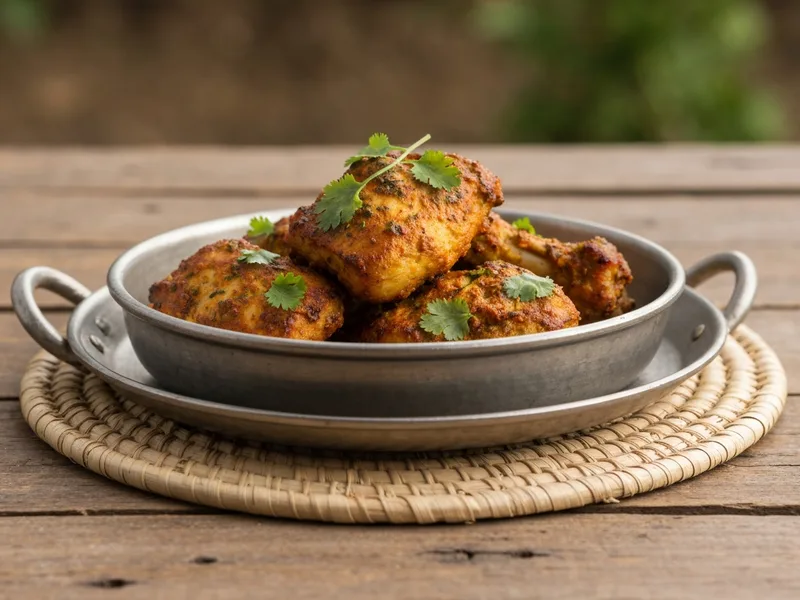
Charsi Tikka
Charsi Tikka from Peshawar's Namak Mandi is the most audaciously simple chicken you will ever eat — just salt, a whisper of lemon, and the alchemy of charcoal heat and lamb tail fat. No food colouring, no marinade box, no yoghurt — just fire, fat, and a whole chicken that emerges crackling and golden. It will make you question everything you knew about flavour.
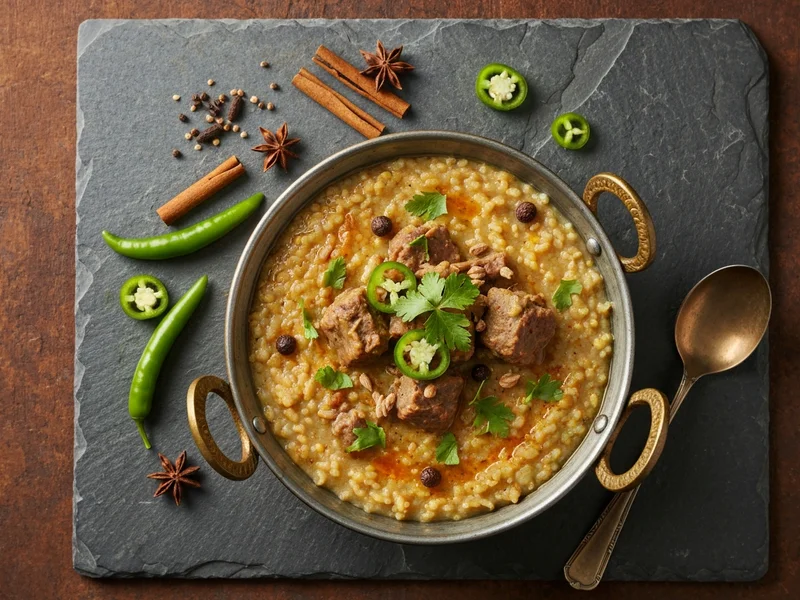
Hareesa — KP Slow-Cooked Wheat and Mutton Porridge
Hareesa is haleem's ancient ancestor — whole wheat berries and mutton slow-cooked together for 4-6 hours until they completely dissolve into a thick, silky, porridge-like dish that is simultaneously humble and extraordinary. Finished with a sizzling ghee tarka poured dramatically over the top, this is the dish that sustained armies, fed pilgrims, and defines winter mornings in KP.
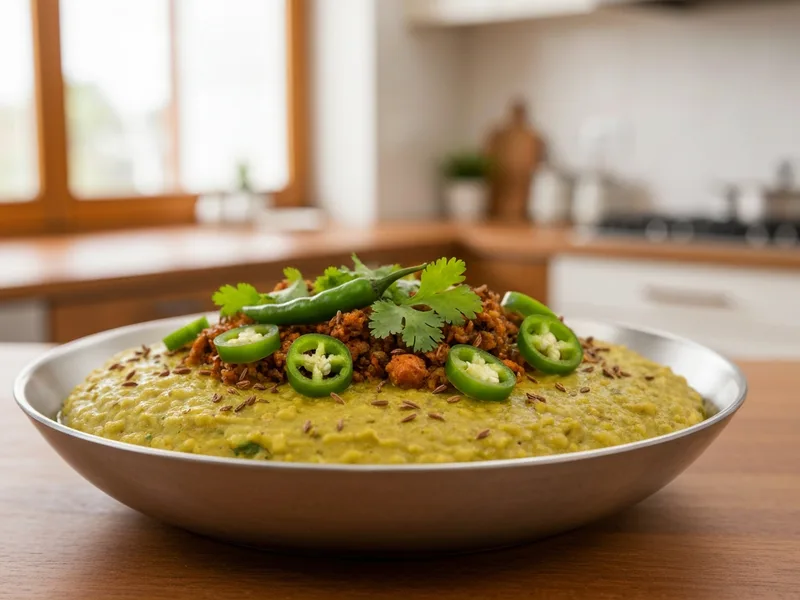
Beef Nihari Karachi Style
Karachi-style beef nihari slow-cooked with aromatic spices and finished with fresh garnishes. This iconic breakfast dish is a Karachi staple, rich with marrow and bold flavour. The ultimate Sunday morning flex.
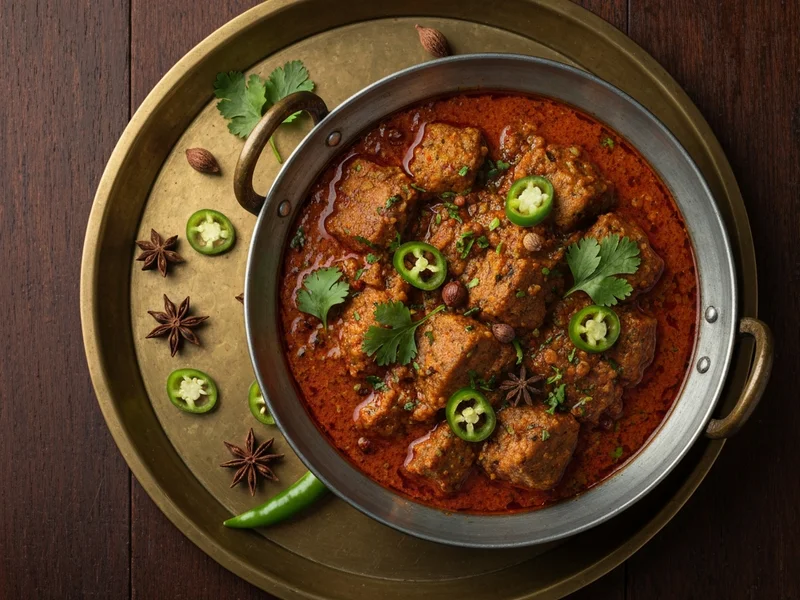
Peshawari Namkeen Gosht
Peshawari salt meat — lamb or mutton cooked with just salt, pepper, and fat until it surrenders all its flavour. Pashtun simplicity at its most profound.
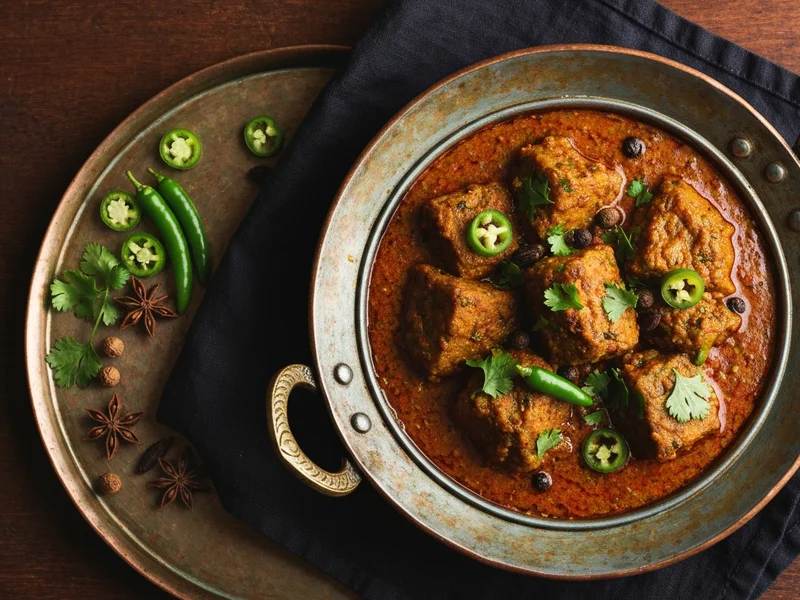
Punjabi Achar Gosht
Achar Gosht is a bold Punjabi meat curry spiked with achari masala (pickle spices) — tangy, aromatic, and unapologetically punchy. Whole mustard seeds, fennel, and nigella seeds give this curry its unmistakable pickled flavour that sets it apart from every other gosht (meat) dish.
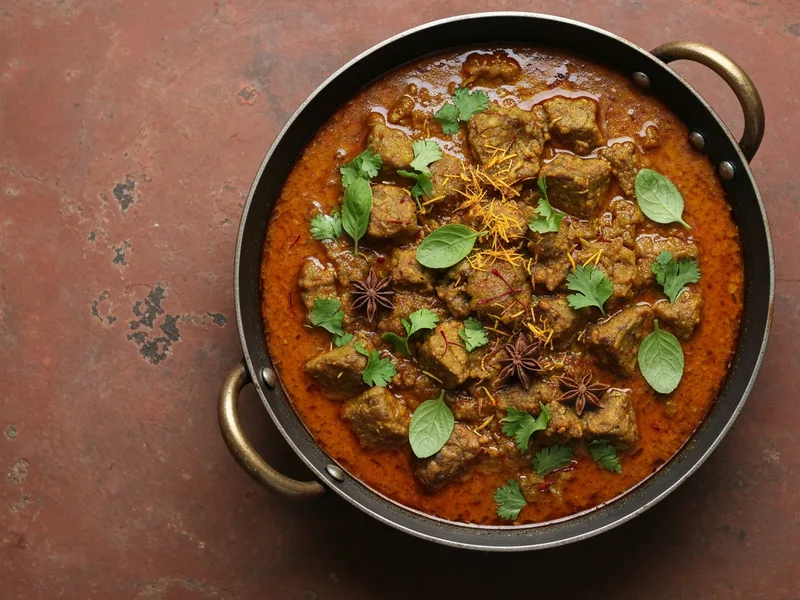
Balochi Rosh
Balochistan's slow-cooked mutton — either the Namkeen Rosh street version (salt only, no masala, cooked in water until fat renders into a clear broth) or the home version with whole spices. Always a broth dish — never dry. The namkeen (salted) version from Quetta's Kuchlack is the most authentic.
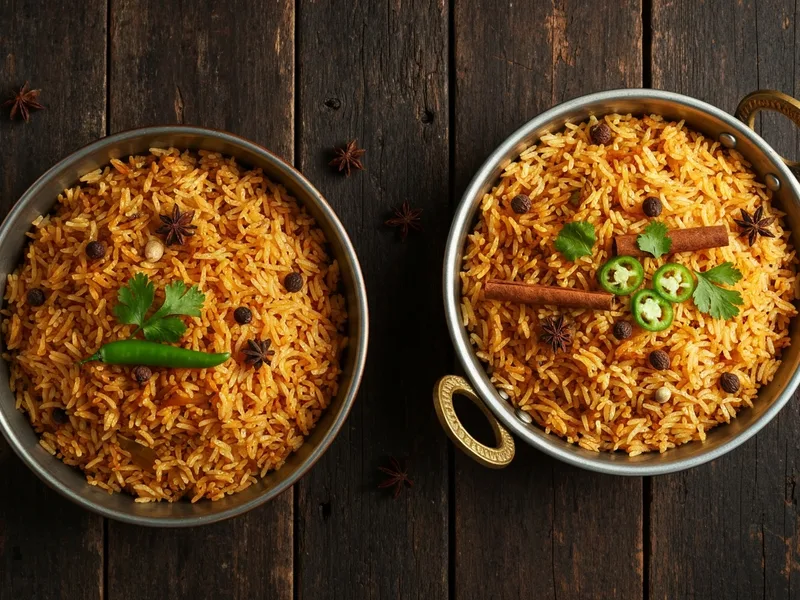
Kabuli Pulao (Afghan-Peshawari Rice)
Afghanistan's national dish — long-grain basmati rice cooked in rich lamb stock, crowned with caramelised julienned carrots, plump raisins, and slivered almonds. Mildly sweet, deeply fragrant, impossibly elegant.
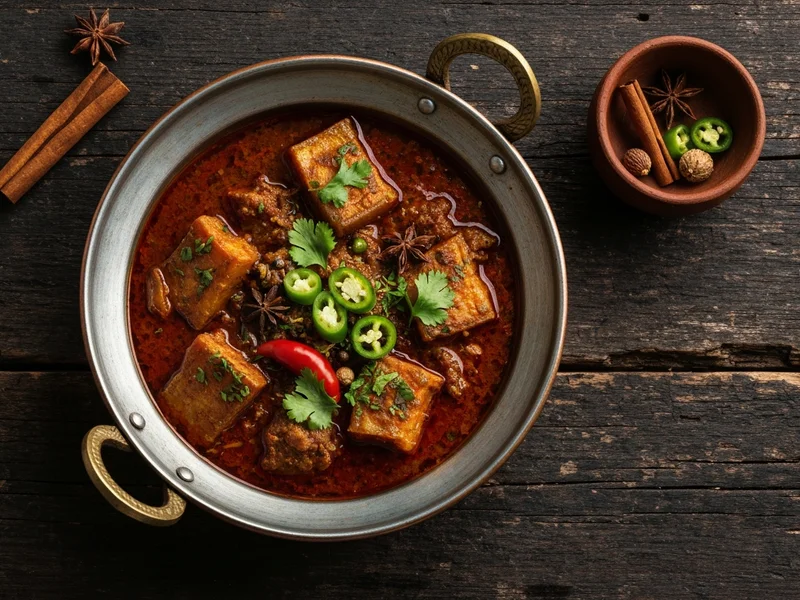
Shinwari Karahi — The Tribal Lamb Fat Karahi
The Shinwari tribe's legendary karahi — bone-in mutton cooked only in lamb tail fat, salt, cracked black pepper, and green chillies. No garlic, no tomatoes, no garam masala. Pure meat, pure fire, pure smoke.