
Khyber Pakhtunkhwa Recipes
Bold Pashtun cuisine — chapli kebab, namkeen gosht, and the legendary Peshawari charsi tikka.
Meat cooked over fire, with the confidence to use almost no spices and still produce the most flavourful karahi in Pakistan.
Food Culture
Pashtun food culture is governed by melmastia — the ancient tribal code of hospitality that makes feeding a guest a matter of honour, not just courtesy. In KP, a guest who arrives at mealtime will eat first, and the host eats whatever remains. Meat is the centrepiece of every serious meal, and the quality of the animal matters far more than the complexity of spices — a Peshawar karahi cook will tell you their secret is the cow, not the masala. The Silk Road ran through this region, and Central Asian influences (dried fruit in meat, rice-and-meat pilafs) are visible in dishes like qabuli pulao at festive occasions.
Cooking Style
Wood fire and charcoal are non-negotiable — gas cooking is considered an inferior shortcut. Minimal spices (often just salt, black pepper, and cumin) let the smoke and meat quality carry the dish. Karahi cooking is done in enormous, blackened iron woks over furious flame for very short times.
Key Ingredients
- lamb and goat (locally raised)
- charcoal
- rock salt
- black pepper
- dried pomegranate seeds (anardana)
- walnuts
- dried apricots
- corn (makai)
Famous Dishes
- Peshawari karahi
- chapli kebab
- namkeen gosht
- sajji (shared with Balochistan)
- charsi tikka
- makai ki roti
- qabuli pulao
Meal Culture
Communal eating is default — food is served on large communal platters (dastarkhwan on the floor), and eating alone is considered strange. Portions are enormous by design; sending guests away full is a point of tribal pride. Eid sacrifice (qurbani) is taken seriously — the entire community distributes meat across three days with precise social hierarchy governing who gets which cut.
Khyber Pakhtunkhwa Recipes
62 recipes from this region
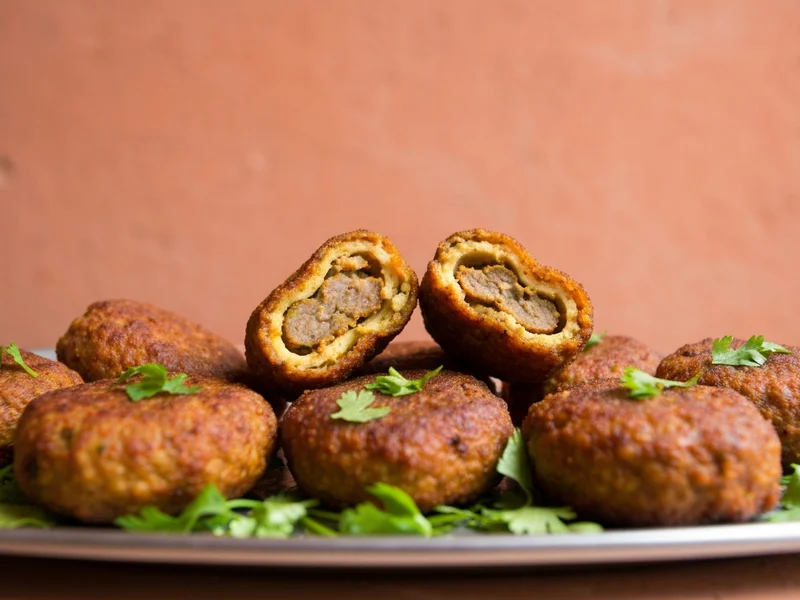
Peshawari Chapli Kebab
Flat, sizzling meat patties from Peshawar — loaded with tomatoes, coriander, and pomegranate seeds, fried in bone marrow fat until crispy on the outside, juicy within.
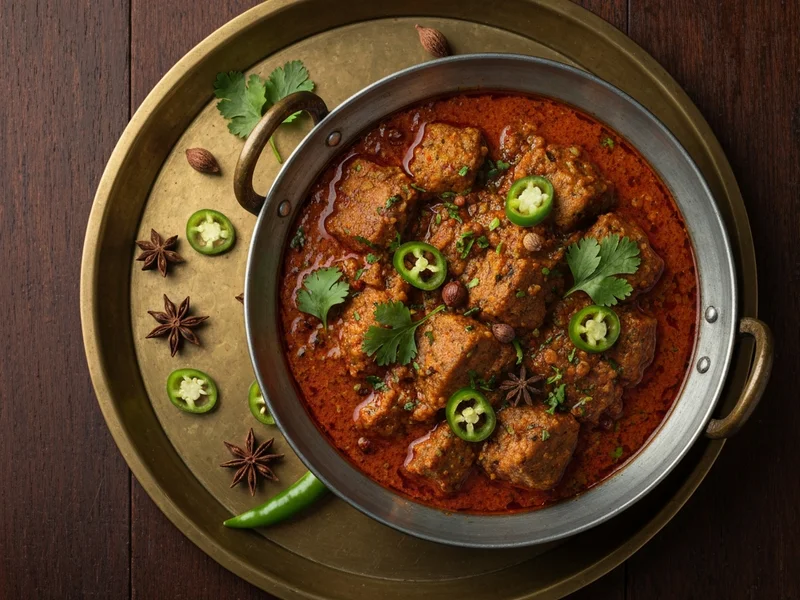
Peshawari Namkeen Gosht
Peshawari salt meat — lamb or mutton cooked with just salt, pepper, and fat until it surrenders all its flavour. Pashtun simplicity at its most profound.
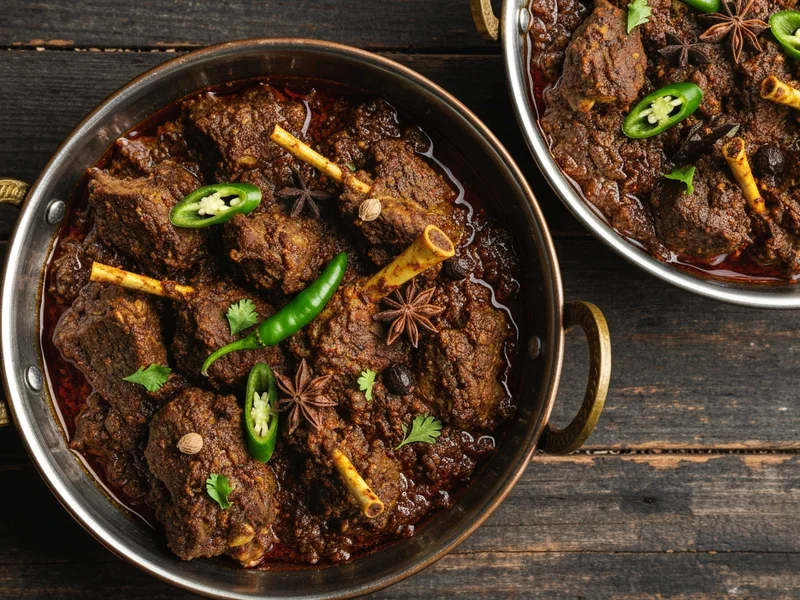
Peshawari Karahi Gosht
Peshawari Karahi Gosht is the original Pakistani karahi — bone-in goat cooked blazing hot with tomatoes, ginger, and green chillies, nothing else. No onions, no yoghurt, no shortcuts. This is the purist's karahi, straight from the dhabas of Peshawar's Namak Mandi.
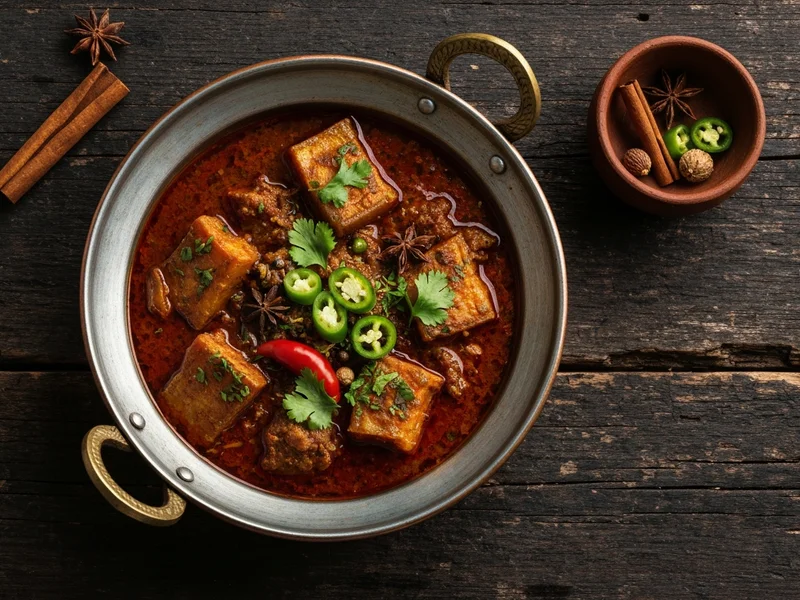
Shinwari Karahi — The Tribal Lamb Fat Karahi
The Shinwari tribe's legendary karahi — bone-in mutton cooked only in lamb tail fat, salt, cracked black pepper, and green chillies. No garlic, no tomatoes, no garam masala. Pure meat, pure fire, pure smoke.
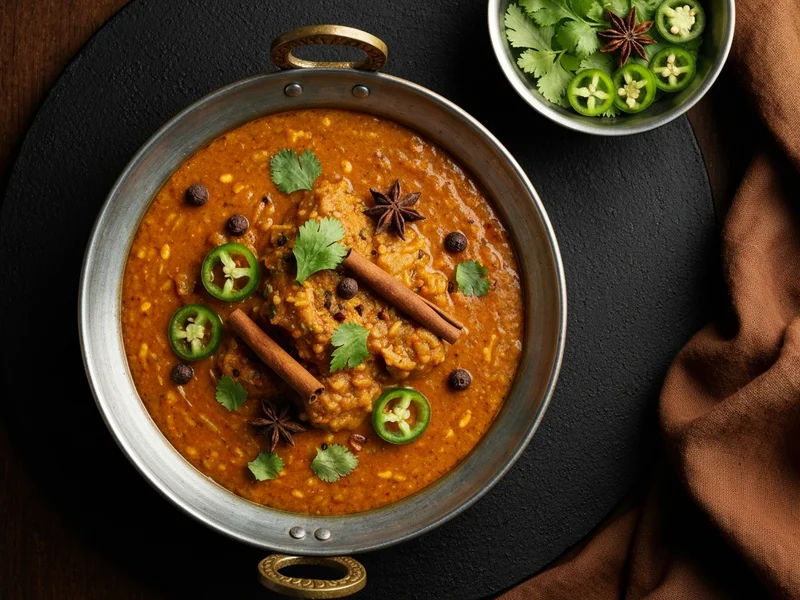
Peshawari Mantu
Afghan-origin steamed dumplings beloved in Peshawar — thin pasta dough filled with spiced minced beef, served on garlicky yoghurt with a tomato sauce and dried mint. A dish that crossed continents.
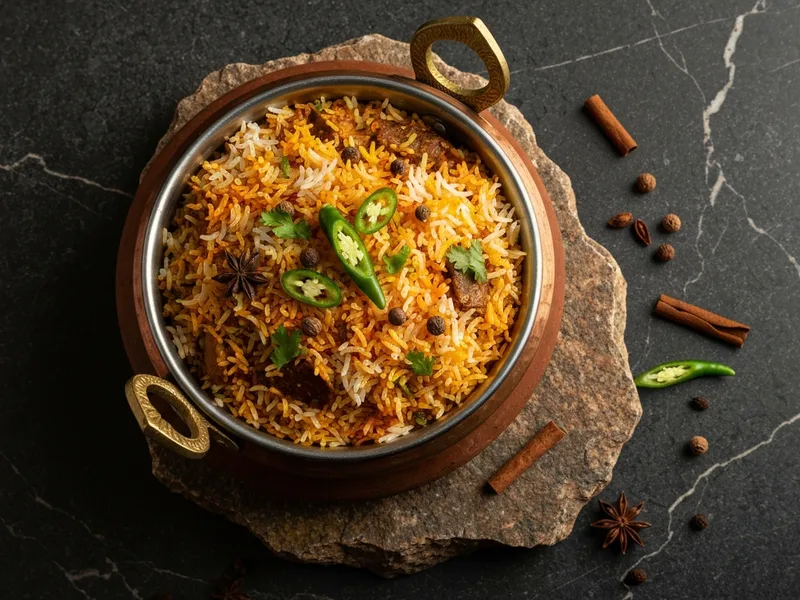
Afghani Biryani (Ruz Bukhari)
A completely different universe from Pakistani biryani — pale, mild, dairy-forward, with no tomatoes, no chilli masala, and a breathtaking garnish of caramelized carrot, plump raisins, and toasted almonds. Central Asian comfort food at its most beautiful.
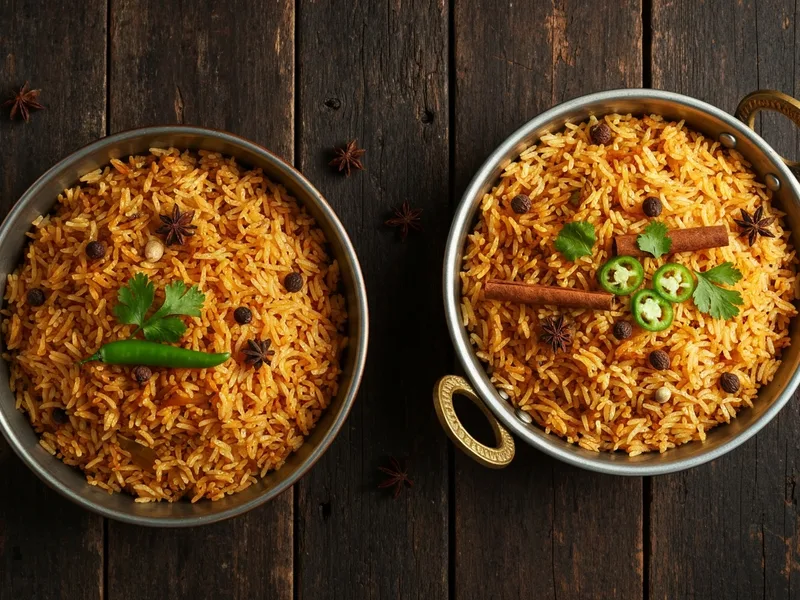
Kabuli Pulao (Afghan-Peshawari Rice)
Afghanistan's national dish — long-grain basmati rice cooked in rich lamb stock, crowned with caramelised julienned carrots, plump raisins, and slivered almonds. Mildly sweet, deeply fragrant, impossibly elegant.
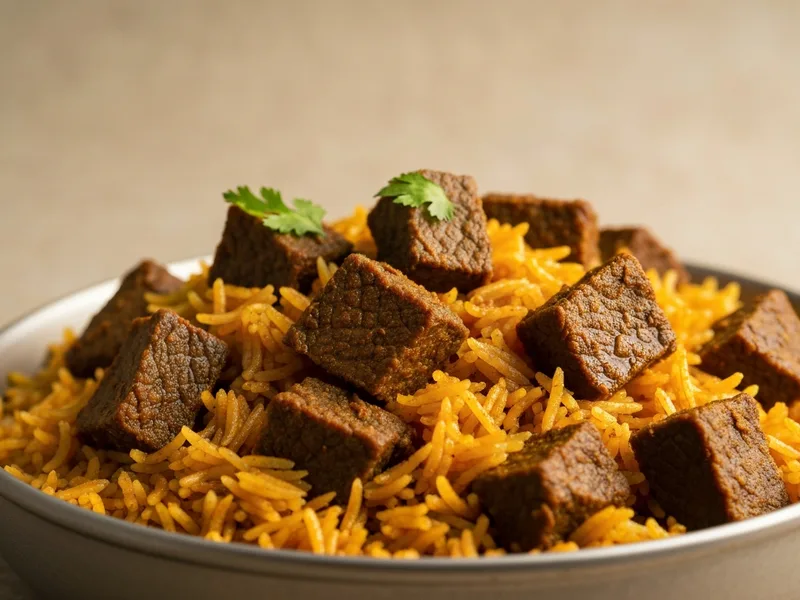
Bannu Beef Pulao
Bannu Beef Pulao is the purist's answer to rice — no colour, no masala packets, just beef, rice, and whole spices doing exactly what they're supposed to. The magic is in the yakhni (broth) that the rice cooks in, absorbing every ounce of beefy, aromatic goodness. This is KP cooking at its most majestic: simple, honest, and absolutely unforgettable.
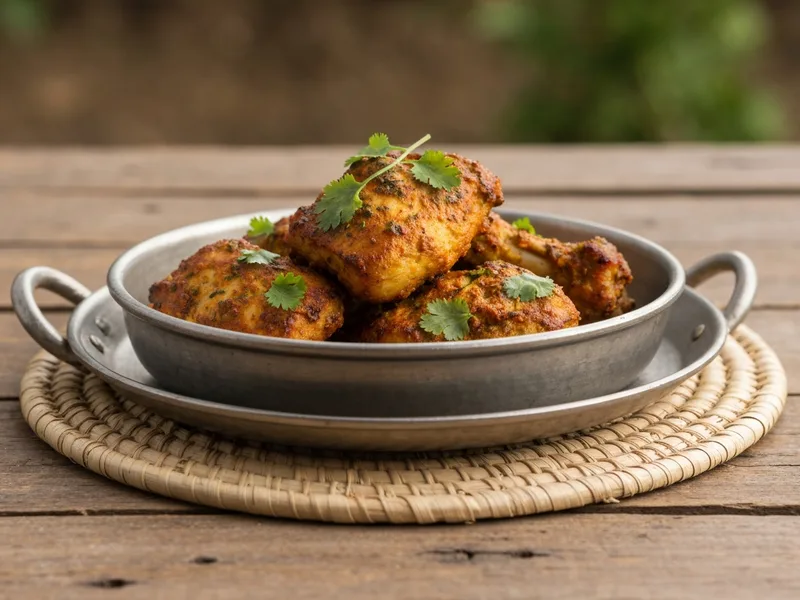
Charsi Tikka
Charsi Tikka from Peshawar's Namak Mandi is the most audaciously simple chicken you will ever eat — just salt, a whisper of lemon, and the alchemy of charcoal heat and lamb tail fat. No food colouring, no marinade box, no yoghurt — just fire, fat, and a whole chicken that emerges crackling and golden. It will make you question everything you knew about flavour.
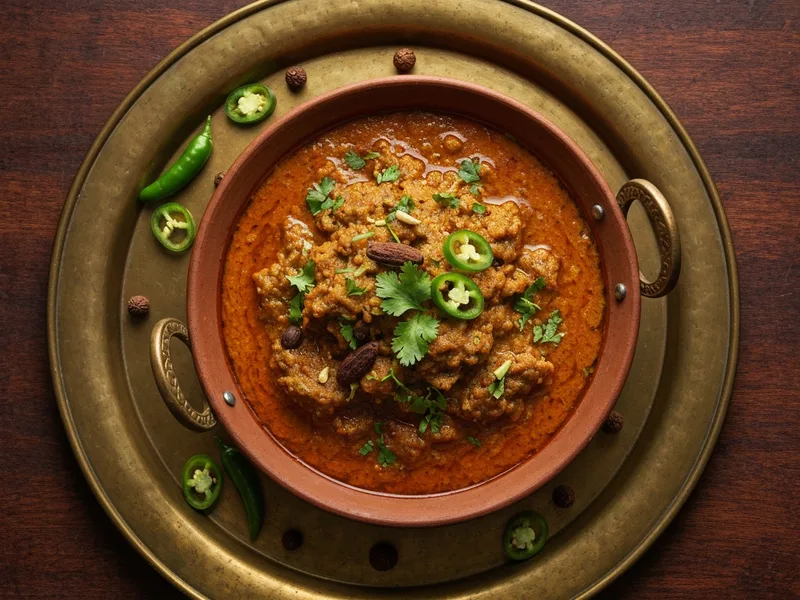
Peshawari Siri Paye
Peshawari Siri Paye is the pre-dawn breakfast of champions — beef or goat head and trotters slow-cooked for 6-8 hours in a broth so rich and gelatinous it sets like jelly when cold. In Peshawar, this is the meal that starts the day before fajr prayer, eaten with Peshawari naan in the amber light of old city shops. The broth IS the dish.
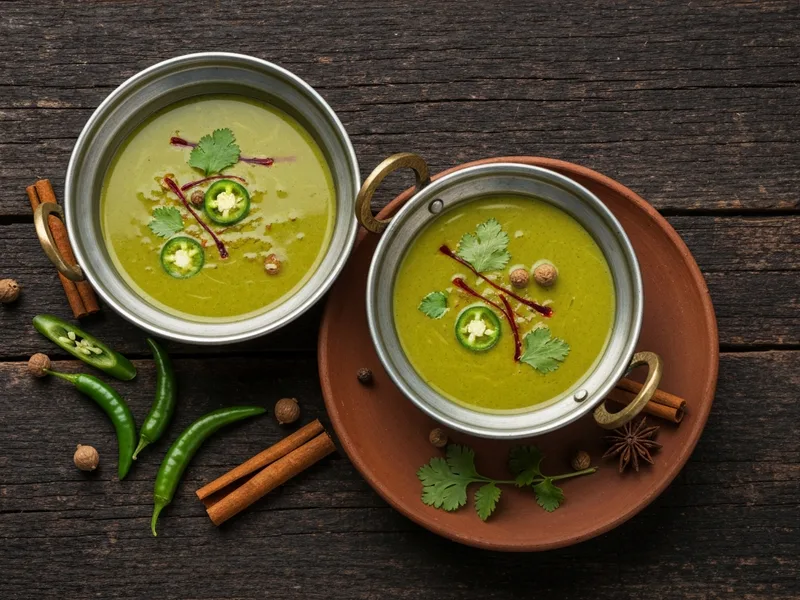
Kahwah — Peshawari Saffron Green Tea
Kahwah is the soul of Peshawari hospitality — a fragrant, golden green tea simmered gently with green cardamom, cinnamon, cloves, and a pinch of saffron, served with whole almonds floating on top and a drizzle of honey. It is warmth in a cup, and it will make your kitchen smell like a spice market in the best possible way.
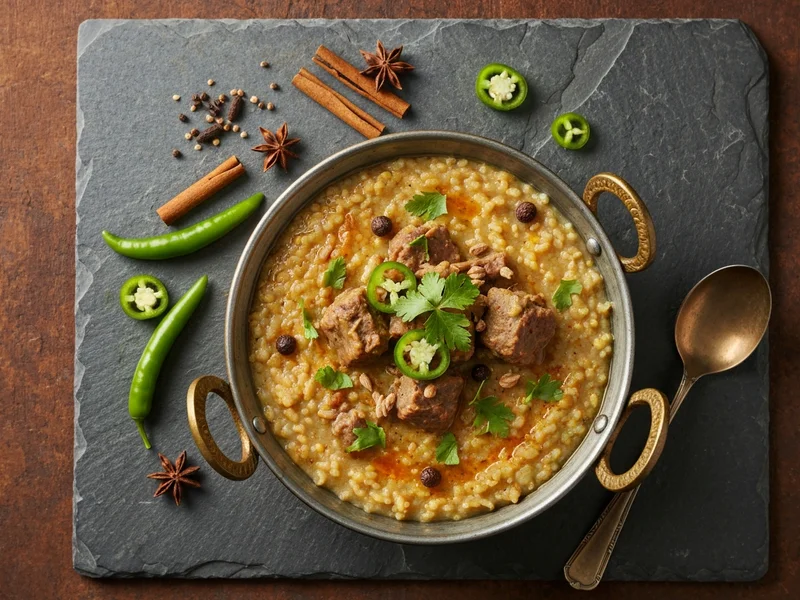
Hareesa — KP Slow-Cooked Wheat and Mutton Porridge
Hareesa is haleem's ancient ancestor — whole wheat berries and mutton slow-cooked together for 4-6 hours until they completely dissolve into a thick, silky, porridge-like dish that is simultaneously humble and extraordinary. Finished with a sizzling ghee tarka poured dramatically over the top, this is the dish that sustained armies, fed pilgrims, and defines winter mornings in KP.
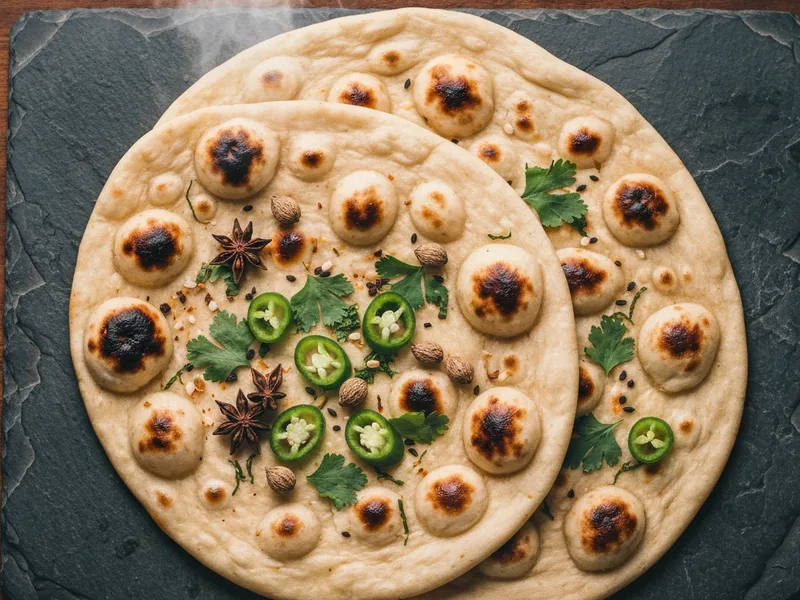
Kashmiri Naan
Kashmiri Naan is a sweet, fragrant stuffed bread filled with khoya, dried fruits, and cardamom — the kind of bread that makes you question why you ever ate plain naan. It is brushed with butter and rose water straight from the oven and is equally at home beside morning chai or as a dessert bread after a big meal.
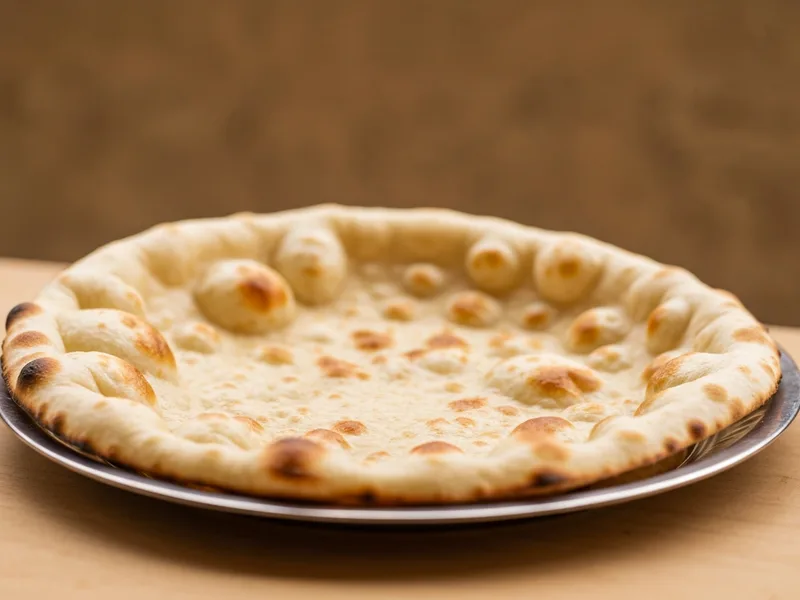
Peshawari Naan
Peshawari Naan is a thick, cloud-like flatbread from the ancient city of Peshawar — so large and puffy it barely fits on a standard plate. The dough is more hydrated than regular naan, giving it a pillowy interior with a slightly crisp exterior, and it is finished with nothing but a generous slick of butter.
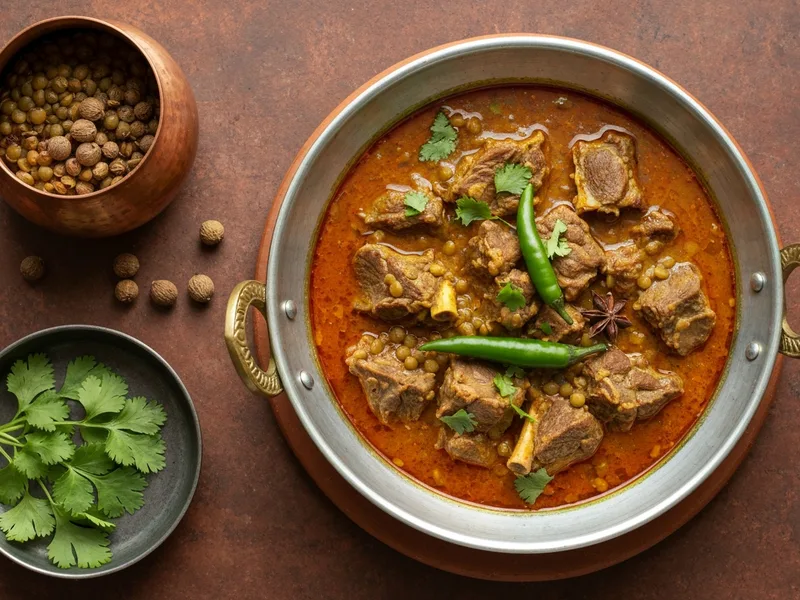
KP Style Nihari
Khyber Pakhtunkhwa's take on nihari — bolder with whole spices, less flour-thickened, and more about the pure flavour of good meat. Simple, confident, and deeply satisfying.
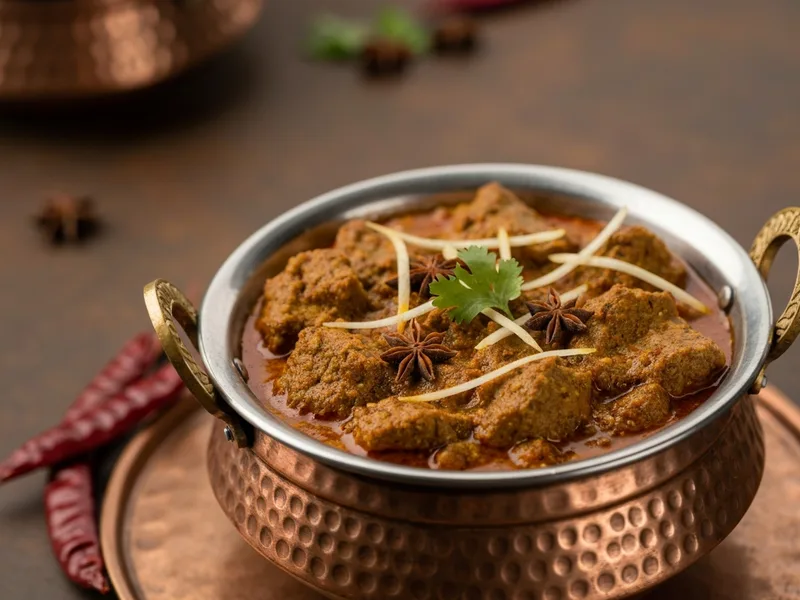
KP Hareesa Gosht
The ancient grain-and-meat porridge of KP — hareesa is simpler than haleem, celebrating wheat and lamb in their most elemental form. Warm, sustaining, and profoundly comforting.
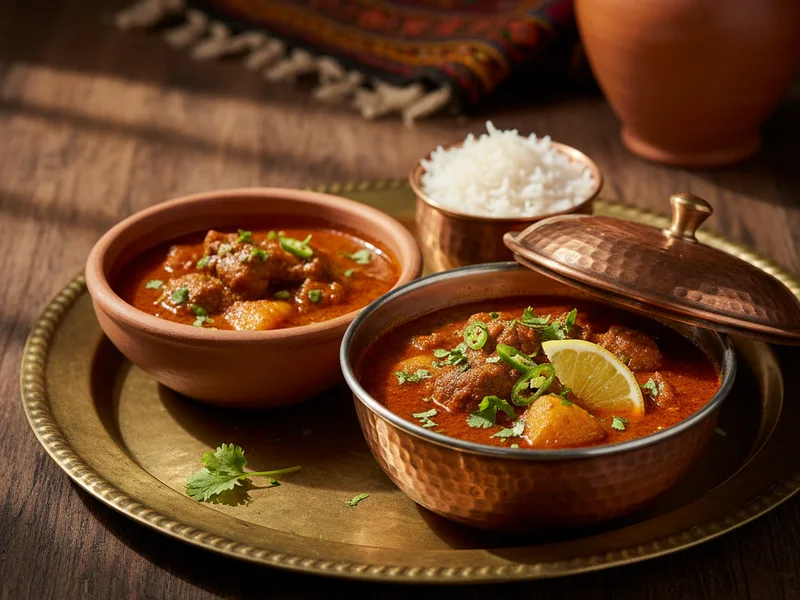
Peshawari Aloo Gosht
Peshawar's rustic, lightly spiced aloo gosht — less tomato, more focus on the pure flavour of mutton and potato. A clean, wholesome everyday curry from the heart of KP.
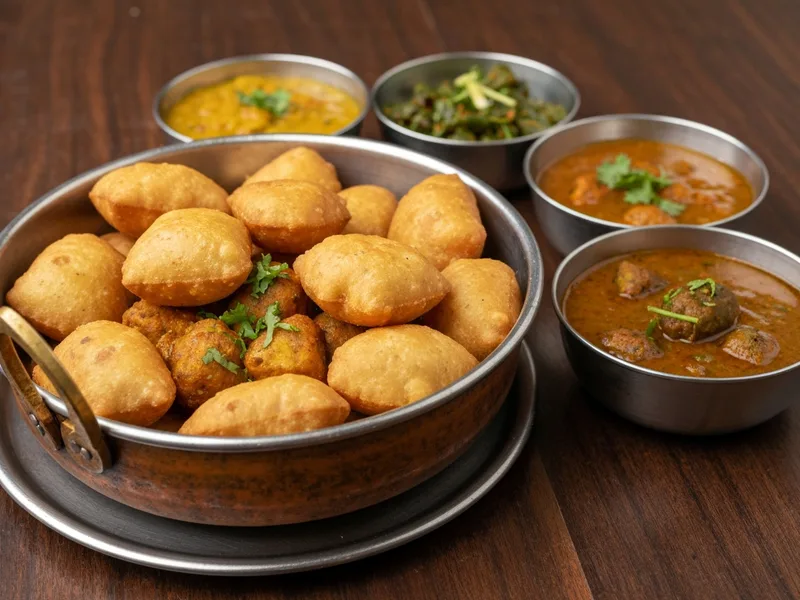
KP Namkeen Karahi
The legendary Peshawari karahi — tender mutton cooked in a minimal masala in a steel karahi, finished with tomatoes, green chillies, and fresh coriander. The dish that tourists queue for in Peshawar.
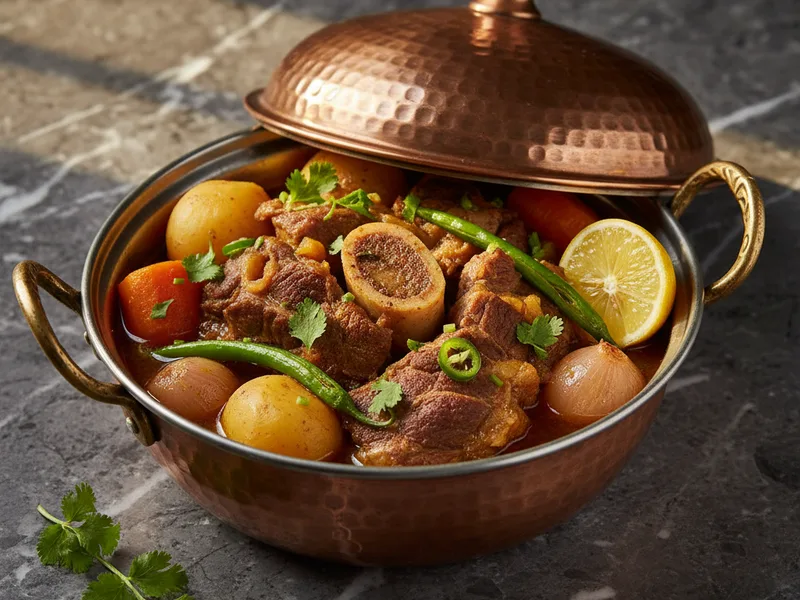
KP Dampukht Beef
KP's version of dampukht using beef — the Pashtun approach to sealed slow-cooked meat with slightly more whole spices than Balochistan, creating something with extra depth and warmth.
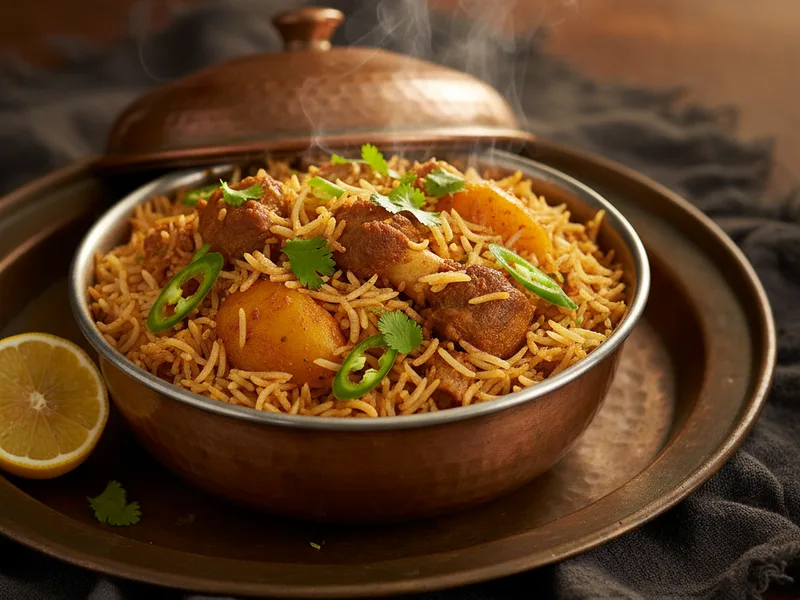
Peshawari Biryani
Peshawari Biryani is the KP take on Pakistan's favourite rice dish — aromatic, less spicy than its southern cousins, and heavy on the meat. Influenced by Afghani cooking traditions, this biryani relies on quality ingredients and restraint rather than complexity.
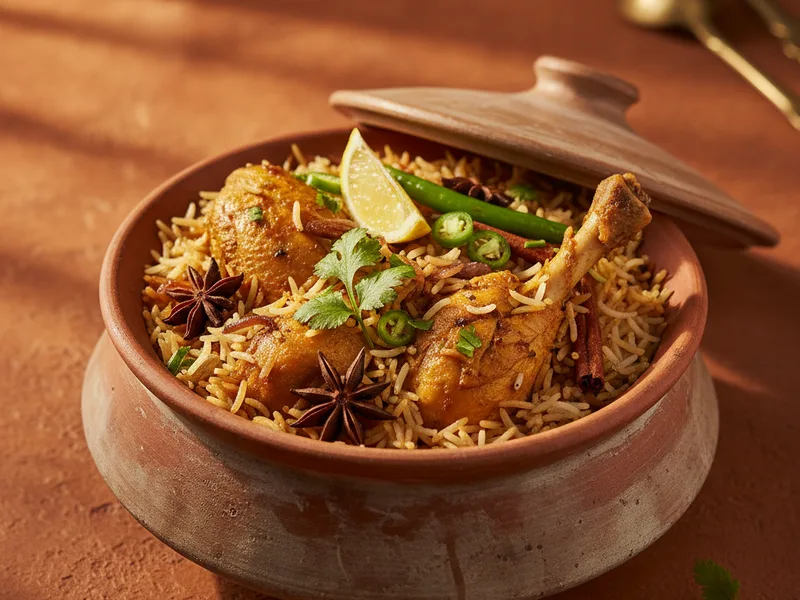
KP Dum Biryani
KP Dum Biryani is the slow-cooked jewel of Khyber Pakhtunkhwa's culinary tradition — sealed and steamed over the gentlest heat until the meat and rice are perfectly unified. This recipe honours the patience and technique of KP's master cooks.
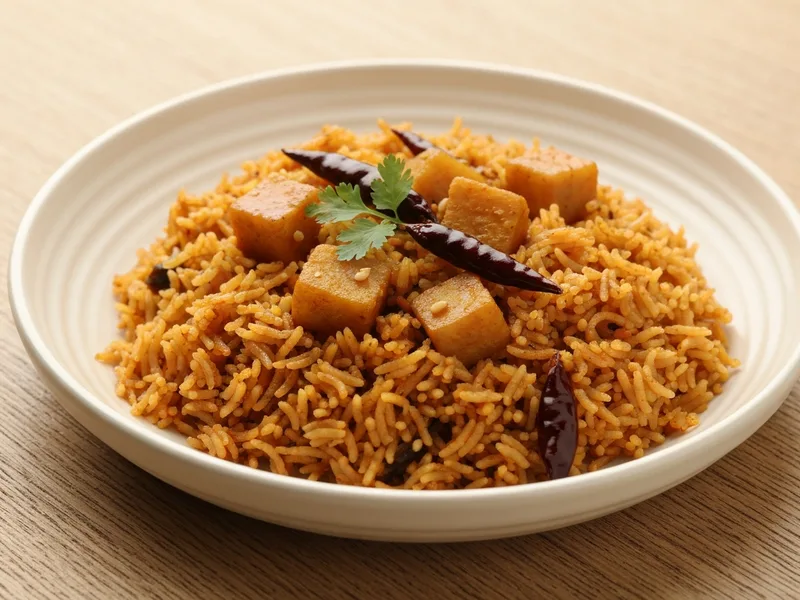
Kashmiri Sweet Pulao
Kashmiri Sweet Pulao is a fragrant, gently sweetened rice dish that bridges the border between savoury and dessert — saffron-kissed rice topped with dry fruits, nuts, and a hint of sugar makes this the most festive and unusual pulao in Pakistan.
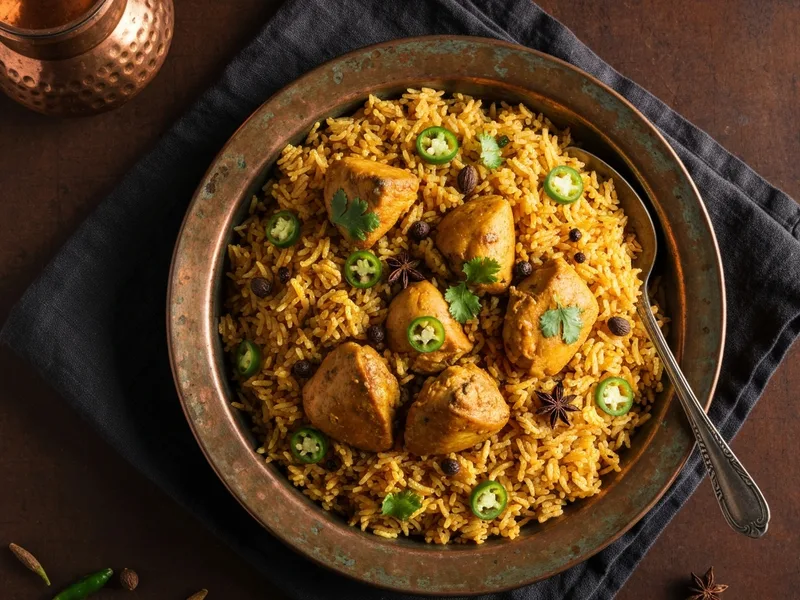
KP Chicken Pulao
KP Chicken Pulao is the Khyber Pakhtunkhwa household staple — simple, deeply aromatic, and made with the confidence of a tradition that knows exactly what it's doing. Less spice, more flavour, and a generosity of ghee that makes every grain taste like a celebration.
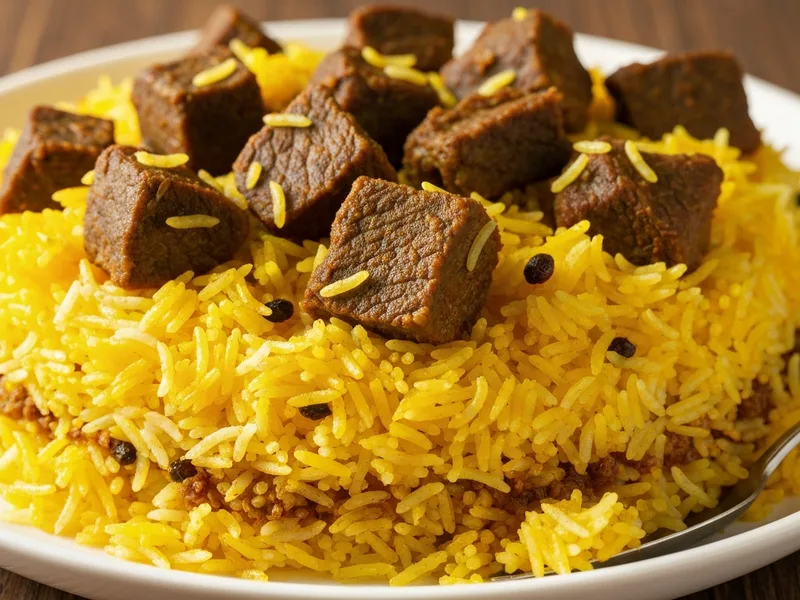
Traditional Bannu Beef Pulao
Traditional Bannu Beef Pulao is KP's most celebrated rice dish — slow-cooked beef in a deeply aromatic yakhni, finished with fragrant basmati and a generous hand with ghee. This is the pulao that made the small city of Bannu famous across all of Pakistan.
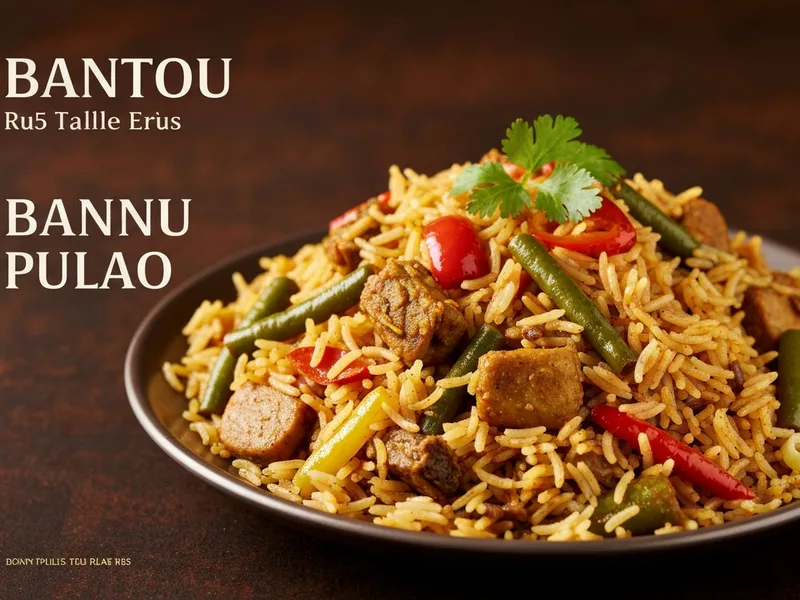
Bannu Pulao Wedding Style
Bannu Pulao Wedding Style is the full-scale celebration version of KP's most iconic dish — scaled for a feast, cooked in a large deg, and carrying the unmistakable flavour of a dish that has made wedding guests in KP very, very happy for generations.
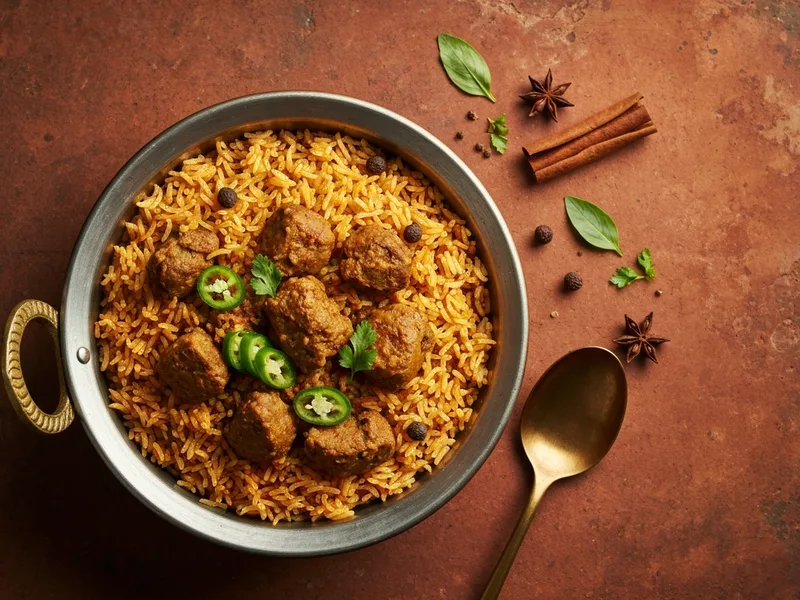
KP Rice with Gosht (Chawal Gosht)
KP Chawal Gosht is the provincial home-cooking classic — mutton cooked in aromatic yakhni that then becomes the cooking medium for fragrant basmati rice. Simple in approach, extraordinary in flavour, and deeply representative of how KP cooks think about food.
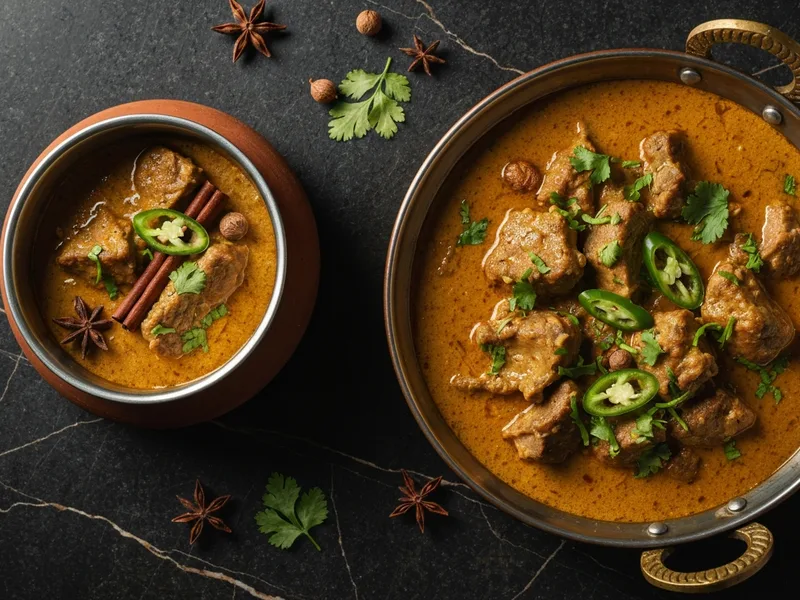
White Mutton Karahi (Safed Karahi)
White Mutton Karahi — known as Safed (white) Karahi — is KP's most elegant dish: no red chillies, no tomatoes, no turmeric. Just mutton, cream, yoghurt, green chillies, and whole spices producing a pale, aromatic karahi of extraordinary refinement.
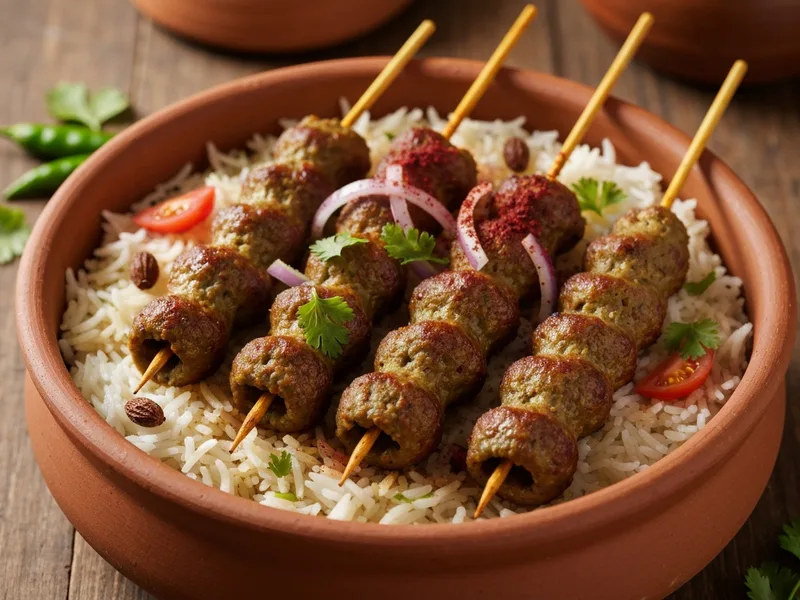
Mutton Seekh Kebab
KP Mutton Seekh Kebab is the finest expression of the seekh kebab form — minced mutton with mountain herbs and Peshawari spicing, cooked in a tandoor to a spectacular char. Rich, smoky, and unforgettable.
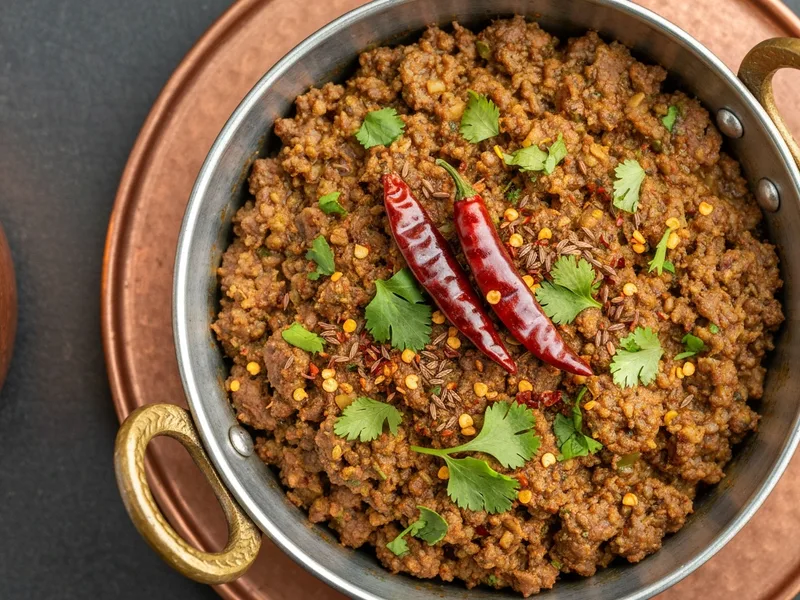
Beef Chapli Kebab
Beef Chapli Kebab is Peshawar's most famous export — a flat, disc-shaped kebab packed with beef, tomato, pomegranate seeds, and whole spices, shallow-fried in beef tallow to produce a crispy edge and juicy centre that is genuinely addictive.
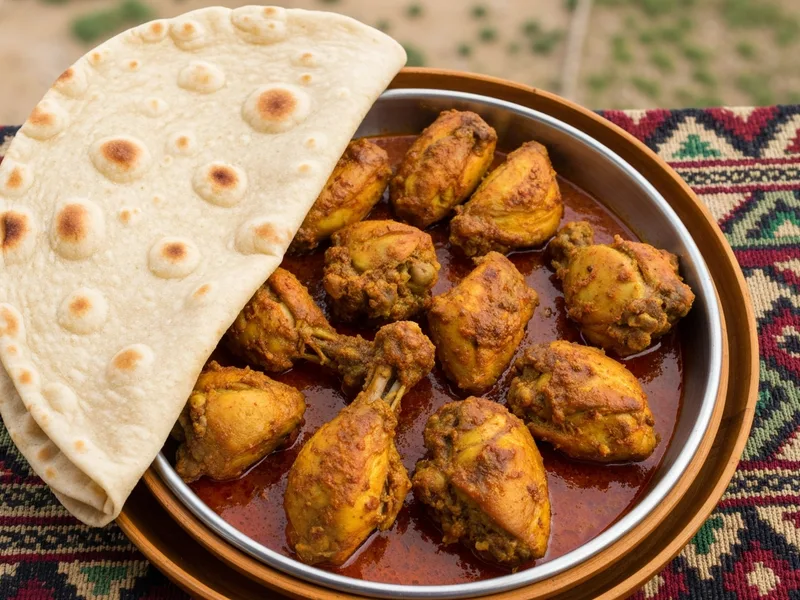
Chicken Chapli Kebab
Chicken Chapli Kebab brings the iconic Peshawari flat kebab tradition to white meat — all the pomegranate seeds, whole coriander, and aromatic complexity of the original, adapted for chicken with extra care for moisture and binding.
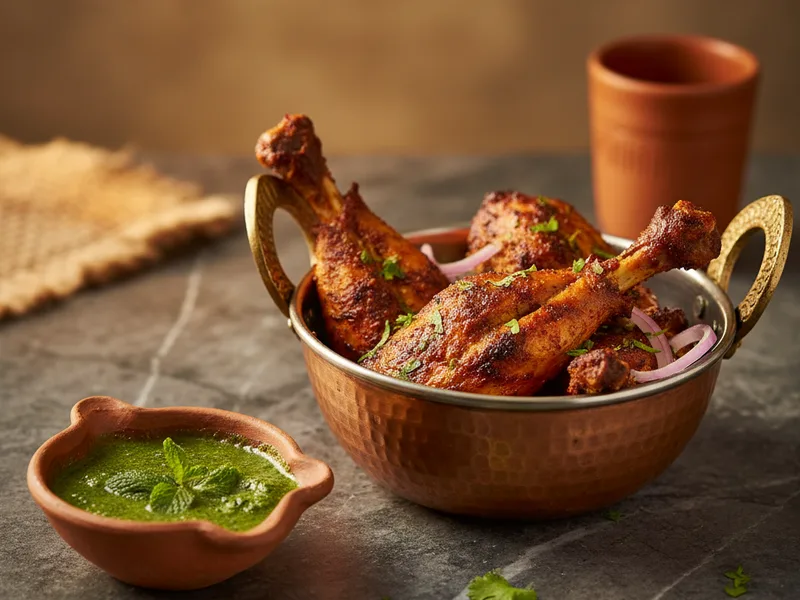
Afghani Chicken Tikka
Afghani Chicken Tikka from KP brings the cooking traditions of the Pak-Afghan frontier — whole spices, yoghurt, and aromatic herbs create a pale, fragrant tikka that's deeply flavourful without a single dried chilli powder in sight.
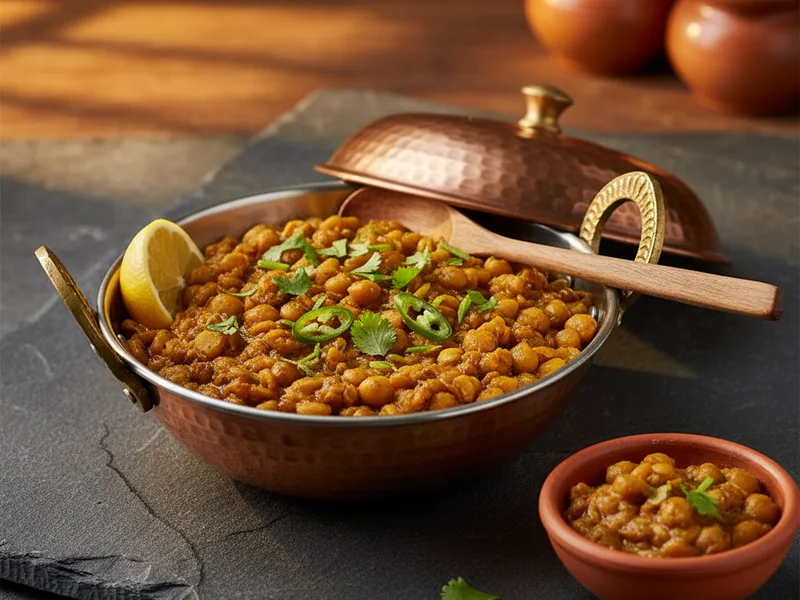
KP Chana Dal
KP Chana Dal is a hearty, robustly spiced split chickpea dal from Khyber Pakhtunkhwa, cooked with whole spices and a generous hand with ginger — warming and deeply aromatic.
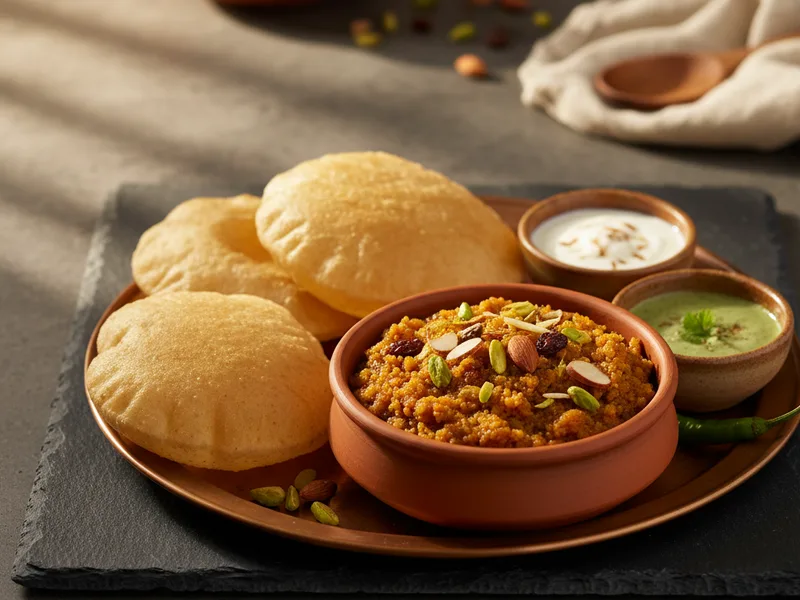
Peshawari Halwa Puri
Peshawari Halwa Puri features a thicker, crispier puri and a distinctly spiced, darker halwa enriched with nuts — reflecting KP's love of robust flavours and generous hospitality.
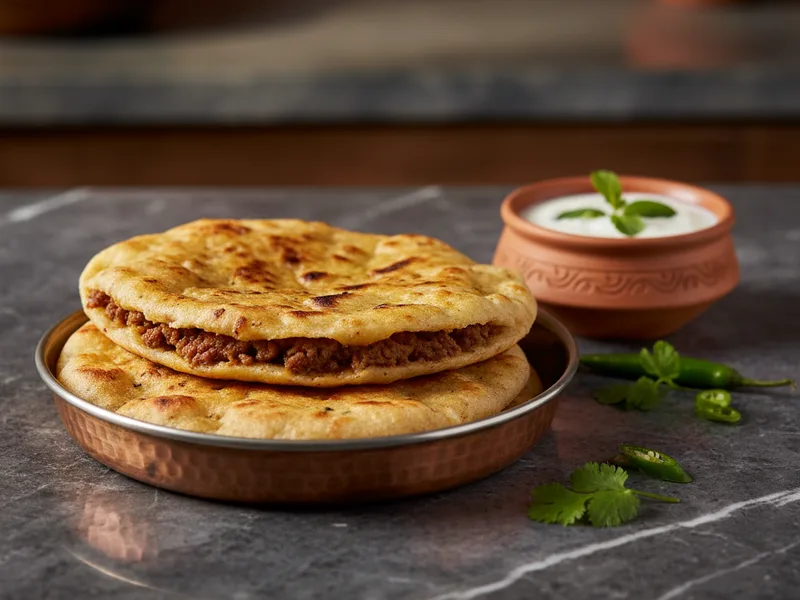
Peshawari Stuffed Chapati
Peshawari Stuffed Chapati is a thick, hearty KP-style flatbread filled with spiced potato and onion — cooked on a tawa with minimal fat for a wholesome, filling breakfast that fuels mountain people.
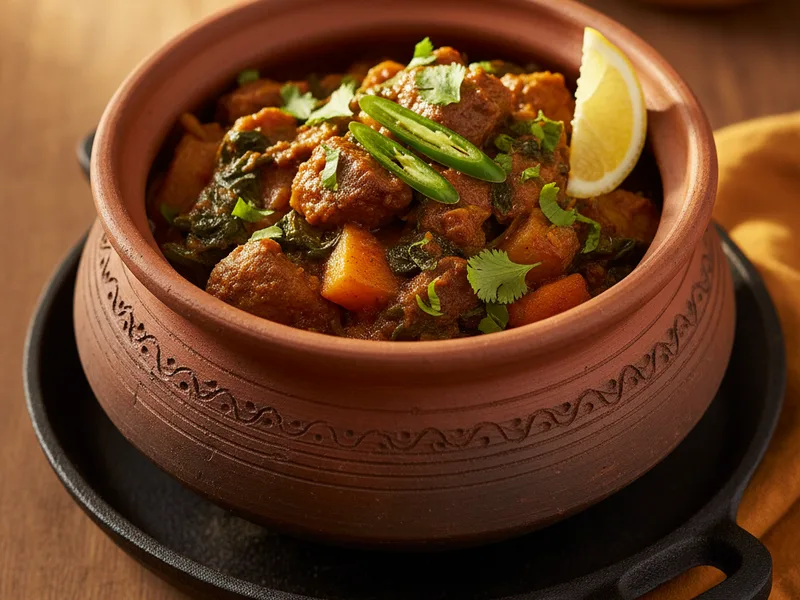
KP Sabzi Gosht
KP Sabzi Gosht is a hearty mountain-style meat and greens curry from Khyber Pakhtunkhwa — mutton slow-cooked with spinach and mixed local greens in a minimal but powerful spice base that lets the ingredients shine.
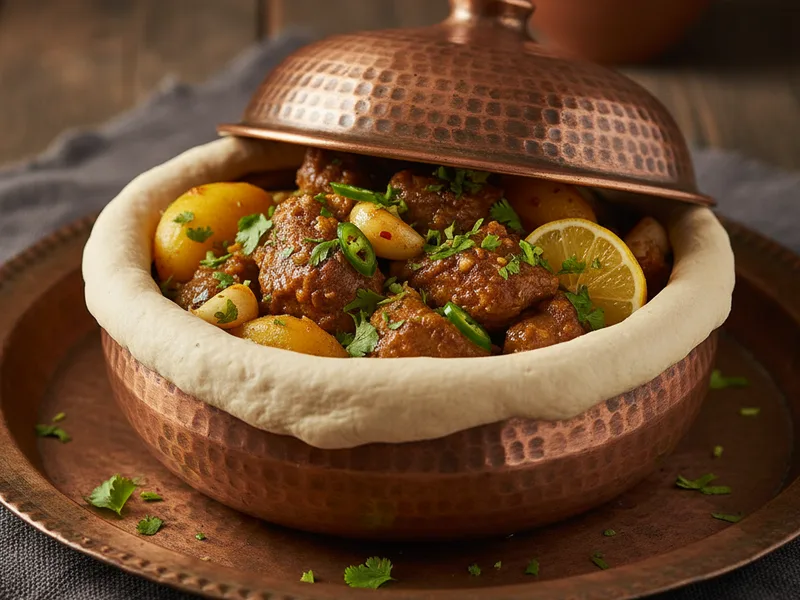
KP Dampukht Lamb — Dum-Sealed Pot
KP's ancient dum-cooking technique — lamb sealed inside a clay-sealed deg (pot) and slow-cooked in its own steam and fat for hours. The result is impossibly tender meat that has practically melted off the bone.
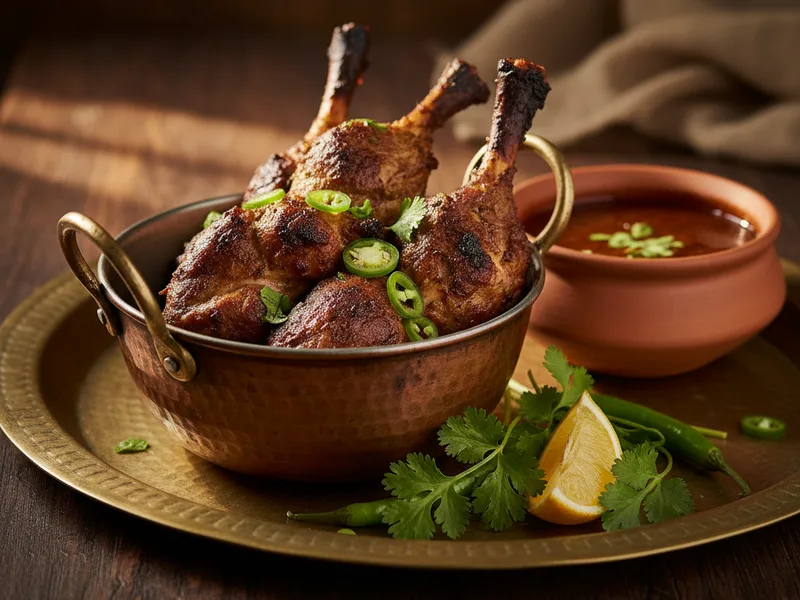
Khaddi Kabab — Underground Earth-Pit Kabab
KP's ancient underground-cooking technique — a whole marinated goat suspended and slow-roasted inside a sealed pit over charcoal for 4-6 hours. This is Pakistani barbecue at its most primal and spectacular.
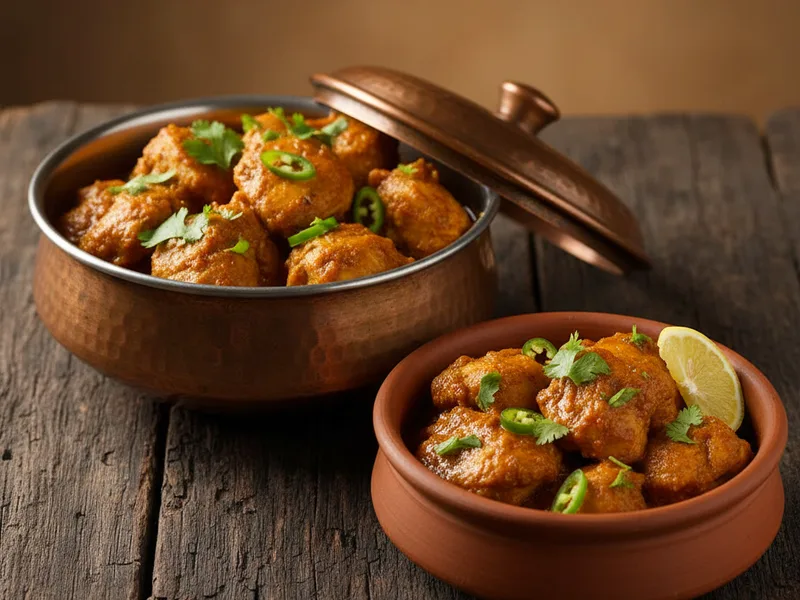
Chicken Khaddi — Home-Scale Pit-Style
A home-friendly adaptation of KP's underground khaddi cooking technique using whole chicken — marinated in robust Pashtun spices and slow-roasted in a sealed clay pot or dutch oven to capture that signature earth-oven tenderness.
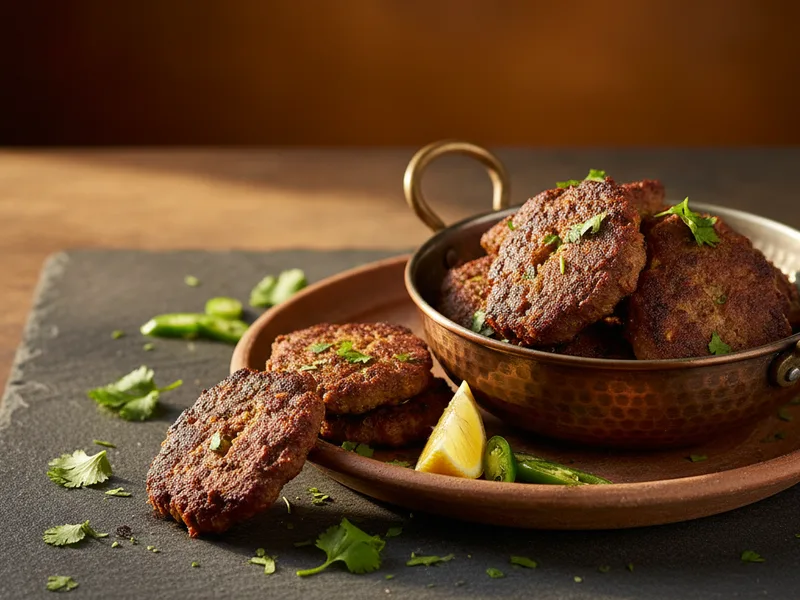
Bannu Chapli Kebab — The Original
Bannu is widely considered the birthplace of chapli kebab, and this recipe captures the original Bannu version — flatter, crispier, and more aggressively spiced than the Peshawar versions that became famous. A foundational Pakistani recipe.
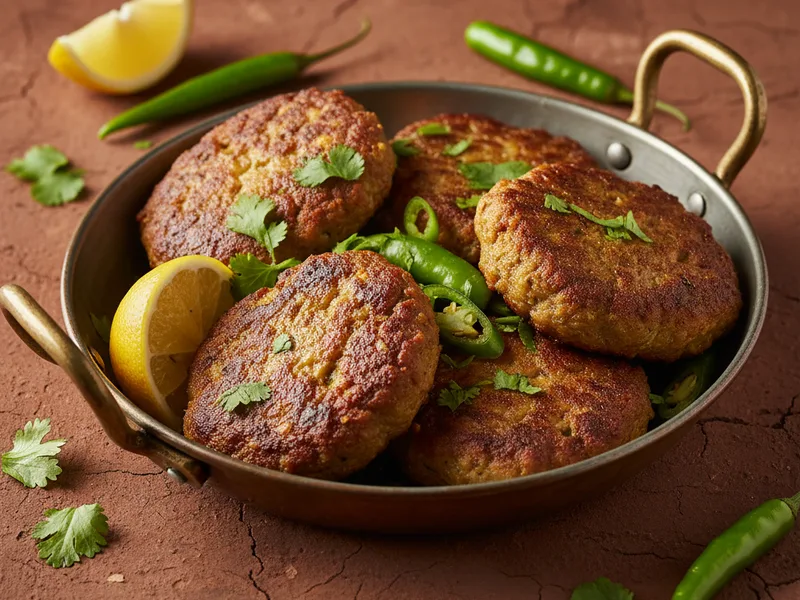
Swat Chapli Kebab — Valley Mountain Version
Swat Valley's distinctive take on chapli kebab — thicker than Bannu, with the addition of fresh mint and a touch of ajwain (carom seeds), reflecting the mountain valley's herb-forward cooking tradition.
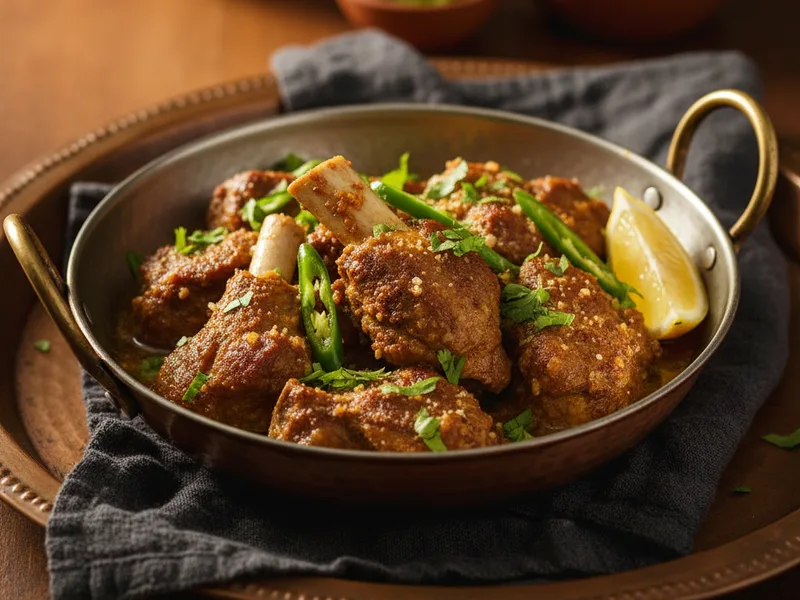
KP Namkeen Gosht Karahi
KP's famous 'salty meat' karahi — defiantly minimal in spicing, cooked in its own fat in a karahi until tender and gleaming. The Peshawar take on namkeen gosht is coarser, oilier, and more satisfying than any masala-heavy alternative.
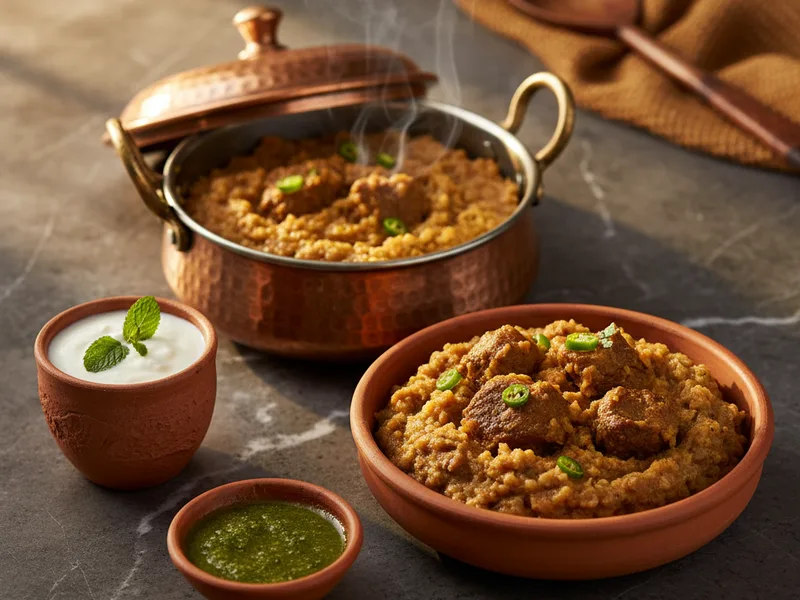
Pashtun Hareesa — Wheat and Mutton Porridge
KP's ancient wheat-and-mutton slow-cooked porridge — an overnight dish that requires patience but delivers extraordinary depth. Hareesa has been a Pashtun winter breakfast and celebration food for over a thousand years.
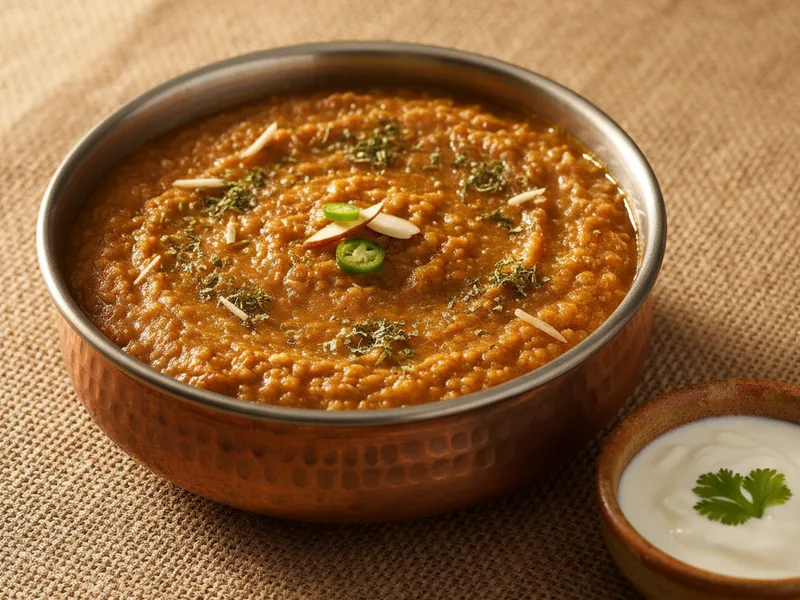
Afghani Hareesa — Cross-Border Style
The Afghan-influenced hareesa popular in Peshawar's Qissa Khwani Bazaar — richer with more ghee, finished with a cinnamon-scented tarka, and reflecting the cross-border culinary exchange that defines this frontier city.
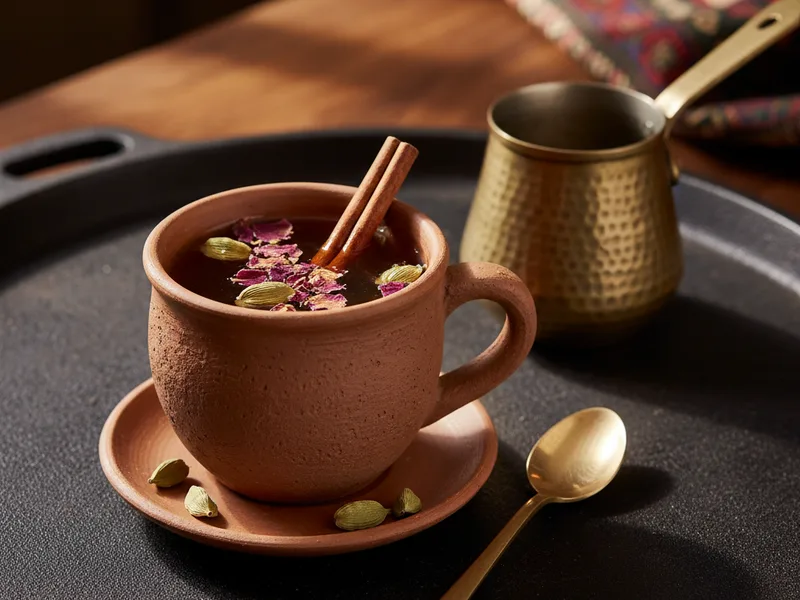
Green Tea Kahwah — Kashmiri Valley Style
The authentic Kashmiri green tea blend — saffron, cardamom, cinnamon, and crushed almonds in fragrant green tea. This is the real kahwah that Kashmiris have been brewing for over a millennium, worlds apart from any commercial version.
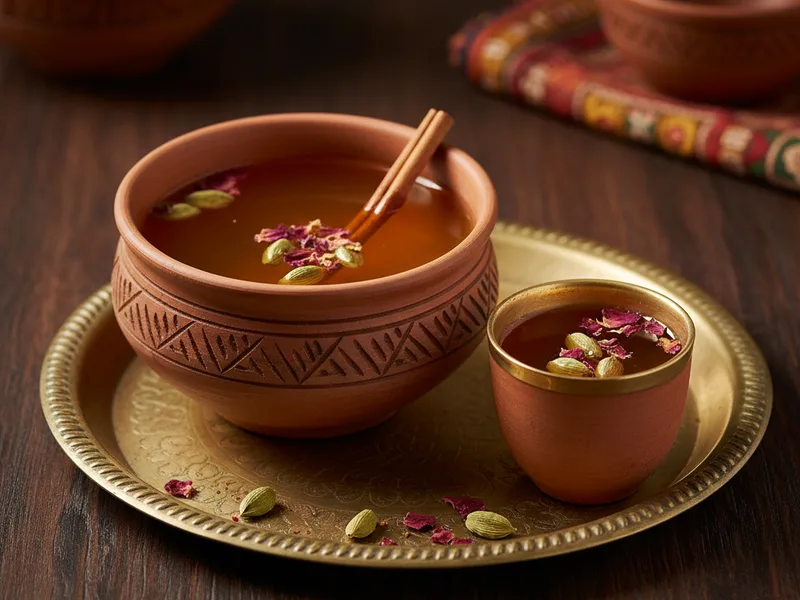
Saffron Kahwah — Premium Celebration Blend
The elevated, saffron-forward kahwah reserved for weddings and special guests — a richer, more aromatic brew with crushed pistachios, rose petals, and a generous hand with the saffron.
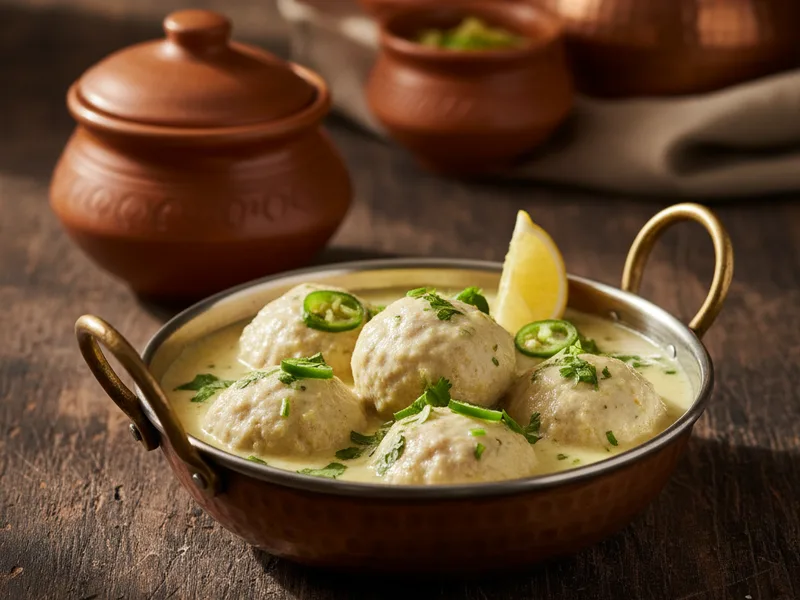
Kashmiri Gushtaba — Yogurt Lamb Meatballs
The crown jewel of Kashmiri wazwan — giant hand-pounded lamb meatballs simmered in a silky, lightly spiced yogurt gravy. Gushtaba is traditionally the final savory dish of a wedding feast, signaling the meal is complete.
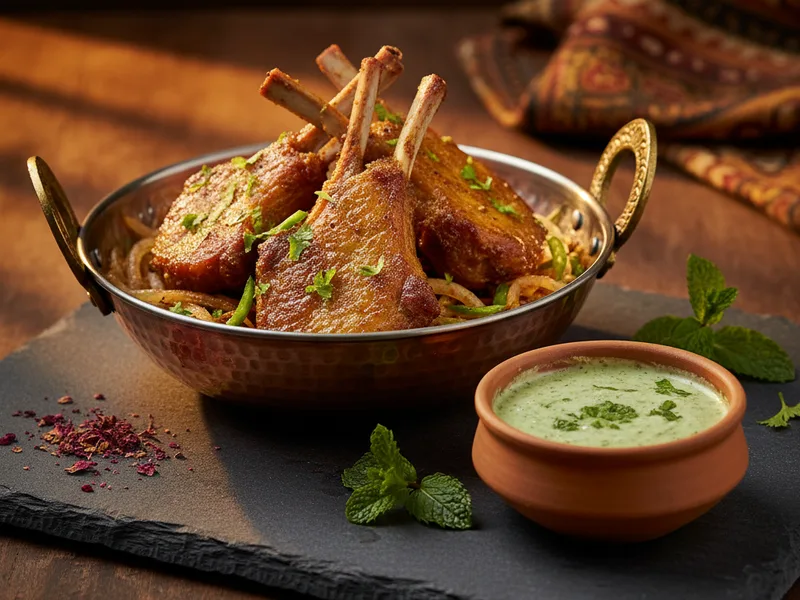
Tabak Maaz — Crispy Kashmiri Rib Chops
Kashmiri wazwan's beloved fried lamb ribs — par-boiled in a spiced milk broth until tender, then pan-fried in ghee until the exterior is caramelized and crackling. A dish of extraordinary textural contrast.
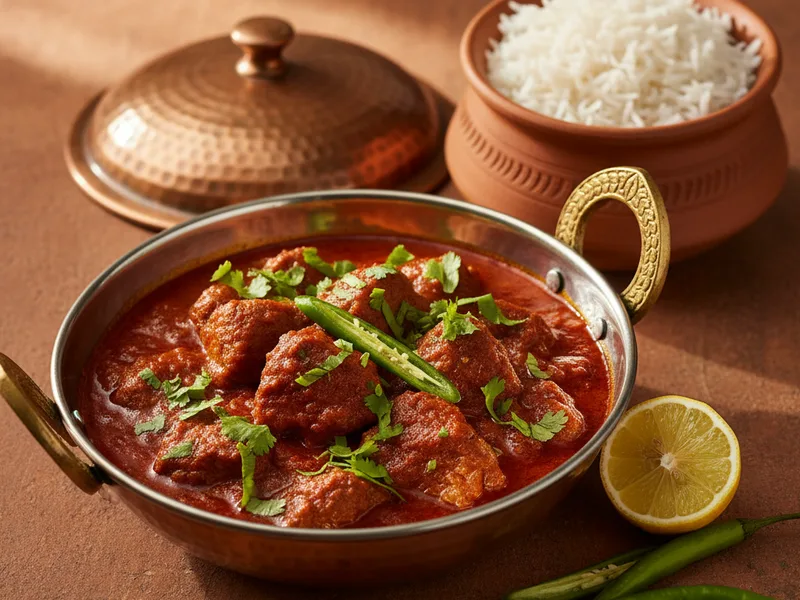
Kashmiri Rogan Josh — The Real Red Curry
Authentic Kashmiri rogan josh — its brilliant red color comes not from chili powder but from Kashmiri dried chilies (Kashmiri laal mirch) and dried cockscomb flowers (mawal), with no yogurt, no cream, and no tomatoes. This is the real thing.
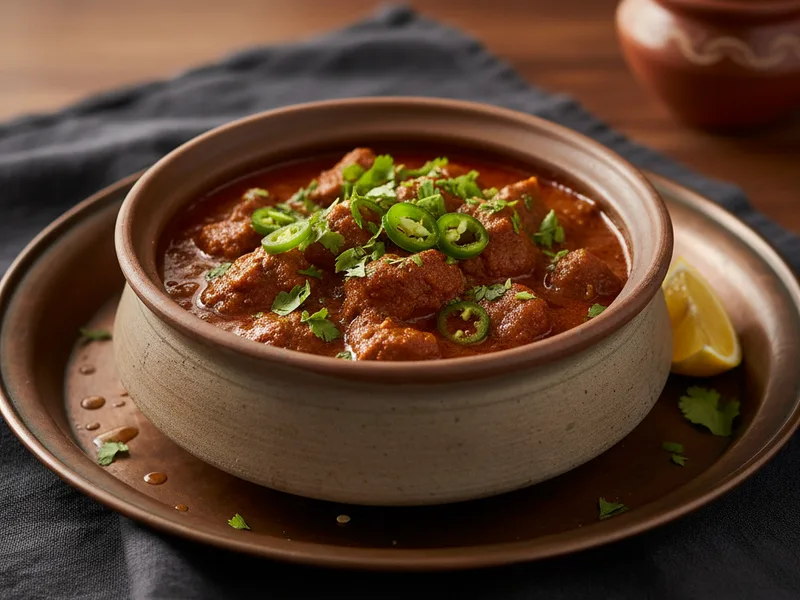
Lamb Rogan Josh — Home Cook Version
A home-friendly rogan josh that retains the authentic Kashmiri soul — Kashmiri chili paste, fennel, and dried ginger — while making a concession to accessibility with a small amount of yogurt for a richer, more forgiving gravy.
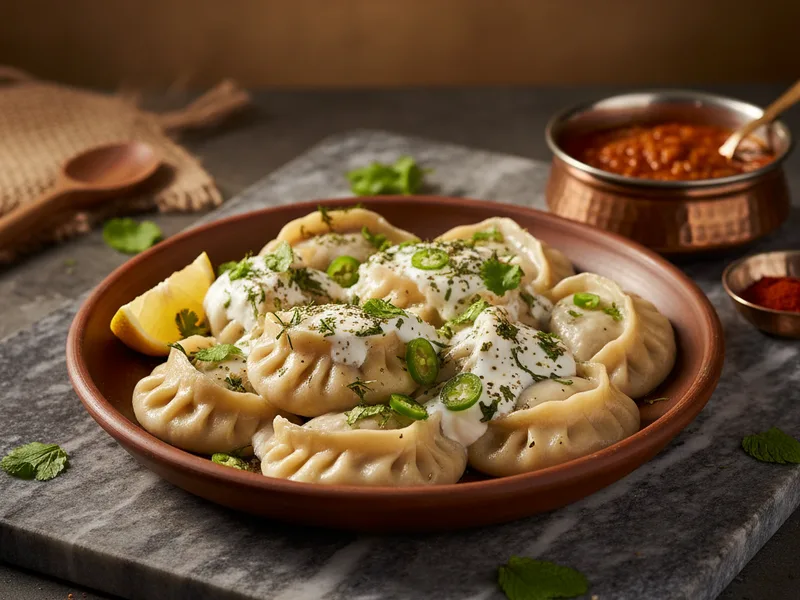
Afghan Mantu — Steamed Dumplings
KP's Afghan-heritage steamed dumplings — thin dough pockets filled with spiced minced beef and onion, served over a bed of yogurt and topped with a rich tomato-lentil sauce. One of the most complete and underappreciated dishes in Pakistani cuisine.
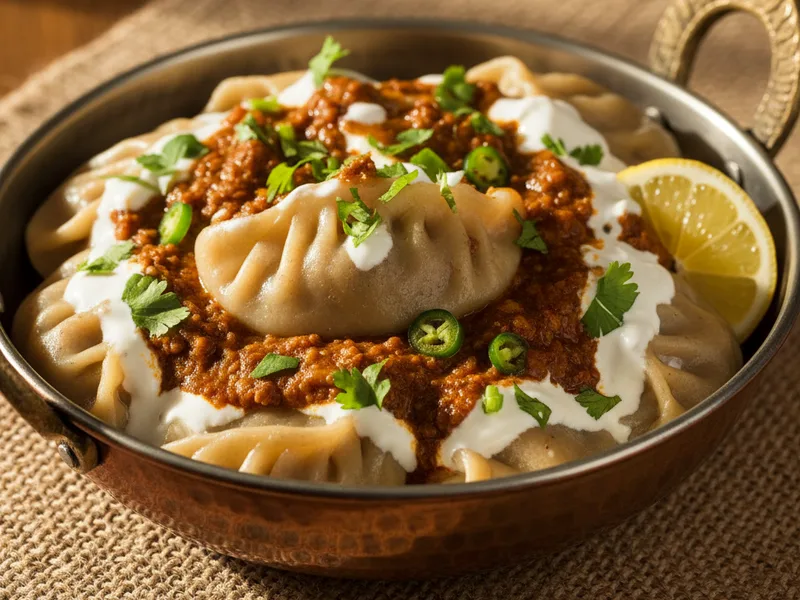
Beef Mantu — Hearty Filling Version
A heartier beef-heavy mantu variation with a spicier filling and a richer qurma sauce — the weekday version favored by KP families who make mantu regularly rather than as a special occasion dish.
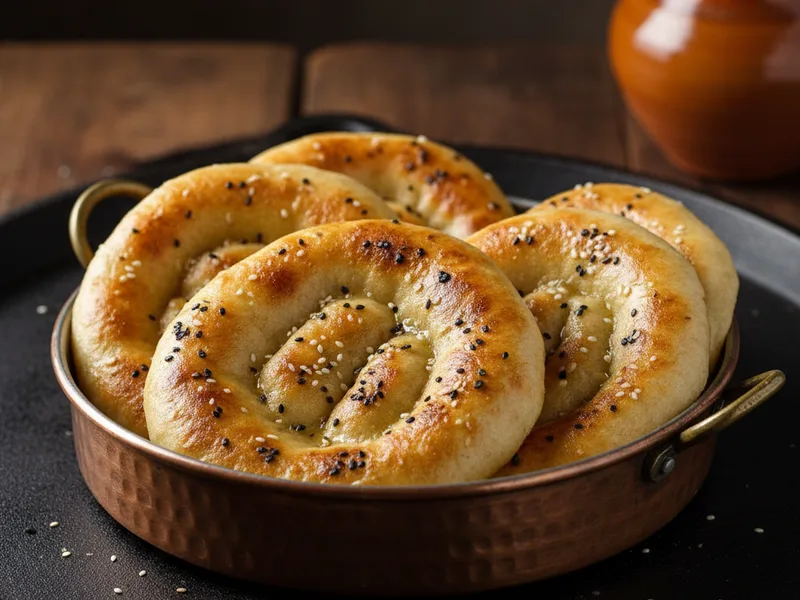
Hunza Chapshuro — Beef-Stuffed Mountain Bread
Hunza Valley's iconic stuffed flatbread — whole wheat dough filled with spiced minced beef and pan-cooked on a tawa. The mountain-traveler's complete meal in bread form, beloved from Gilgit-Baltistan to the surrounding KP regions.
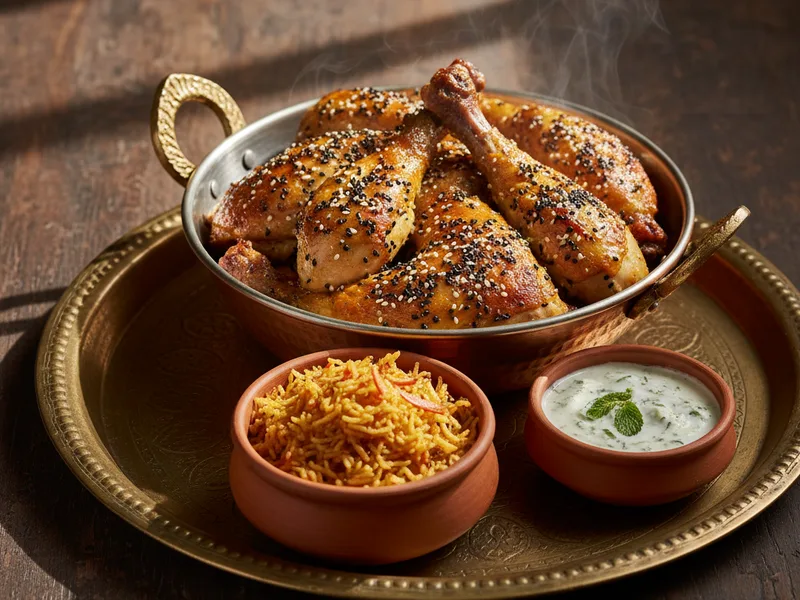
Chicken Chapshuro — Valley Variation
A lighter chicken-filled chapshuro — the minced chicken version popular in the tourist guesthouses of Hunza Valley, adapted for those who prefer poultry but still want the authentic stuffed mountain bread experience.
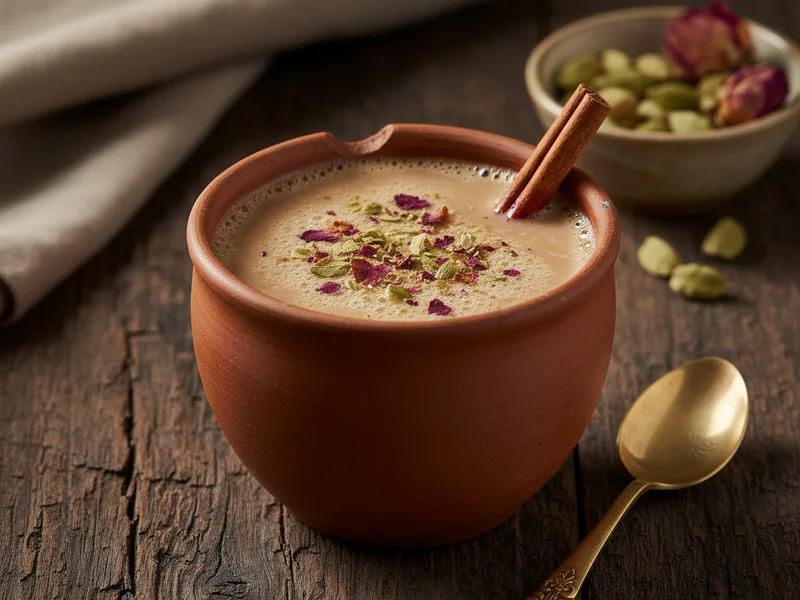
Gurgur Chai — Hunza Butter Tea
The warming, savory butter tea of Hunza and Gilgit-Baltistan — strong tea churned with salt and butter (traditionally yak butter) into a thick, sustaining beverage that has kept mountain communities warm for centuries.
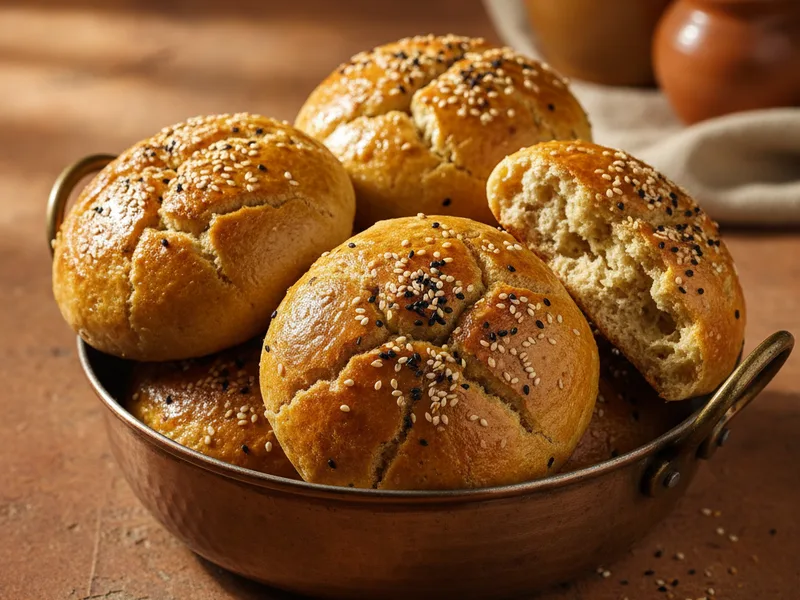
KP Kaak — Mountain Version
The KP mountain version of double-baked kaak — slightly richer with a touch of oil and sesame seeds, reflecting the different ingredients available to mountain communities compared to the desert Balochi version.
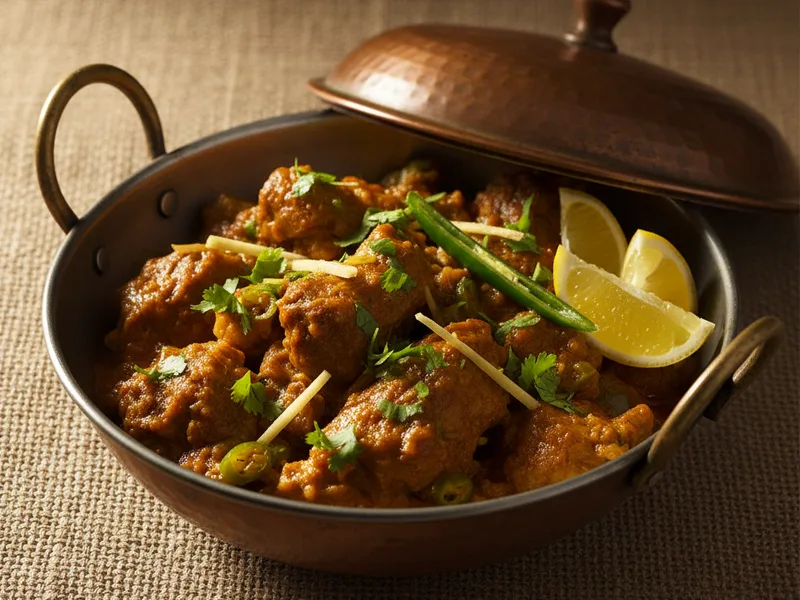
Shinwari Karahi — Peshawari Mountain Karahi
The legendary Shinwari karahi from Peshawar's Bara Road and Landi Kotal — made with fresh lamb in a karahi with only salt, ginger, green chilies, and tomatoes. No onion, no masala powder, no color. The purest karahi in Pakistan.
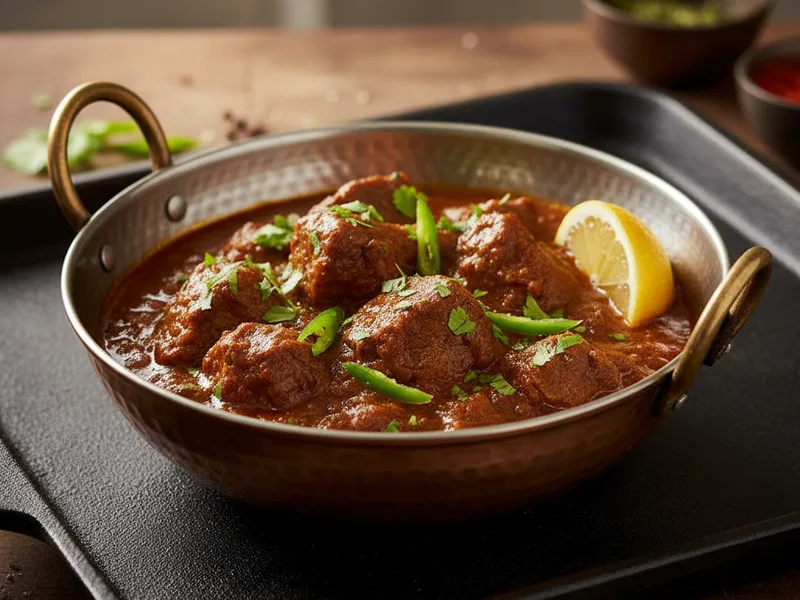
Pashtun Beef Karahi — Tribal Belt Style
The tribal belt beef karahi — made with fresh beef instead of the more common lamb, cooked over wood fire in a heavy iron karahi with the Pashtun spice philosophy of less-is-more.
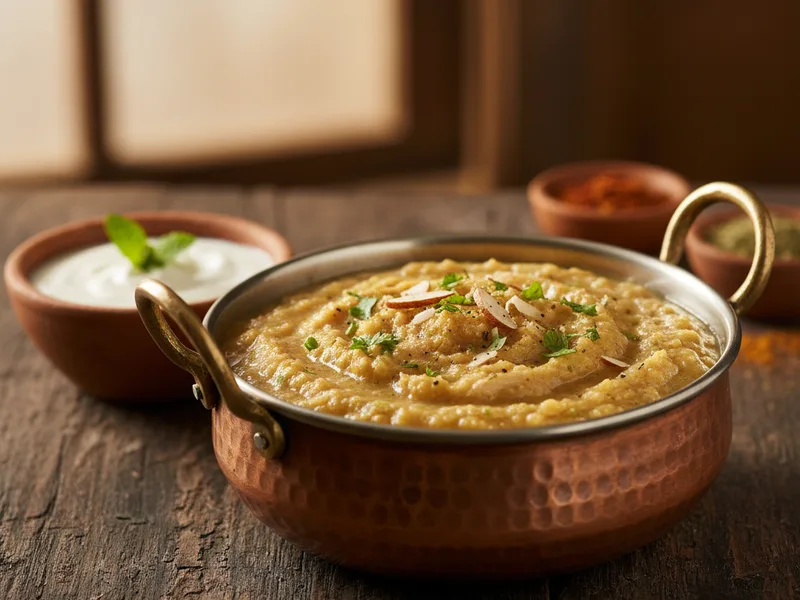
KP Chicken Hareesa — Lighter Version
A lighter, faster hareesa using chicken instead of mutton — delivering the same comforting wheat porridge in half the time, perfect for home cooks who want authentic KP breakfast flavors on a weekday morning.
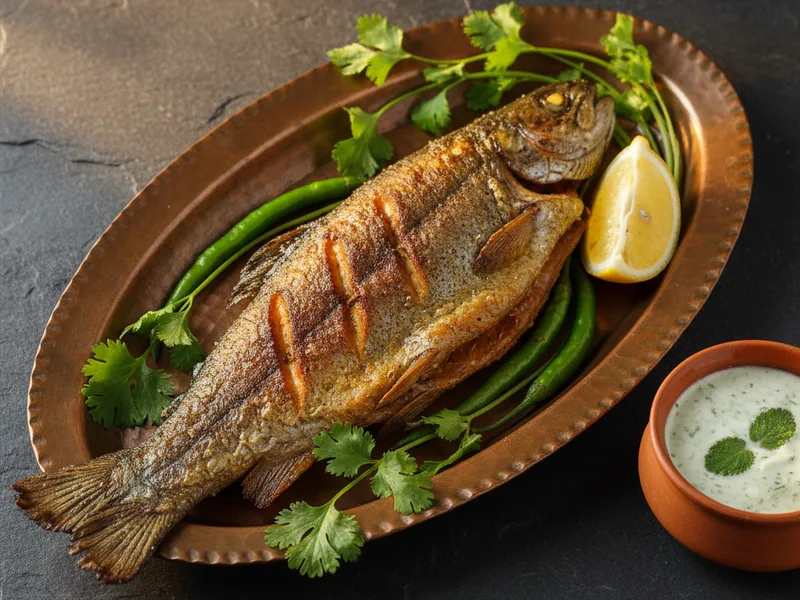
Swat Trout — Mountain River Fish
Swat Valley's rainbow trout — fished from the crystal-clear mountain rivers, marinated in minimal Pashtun spices, and pan-fried crispy in ghee. The simplest and perhaps most sublime fish dish in Pakistan's repertoire.
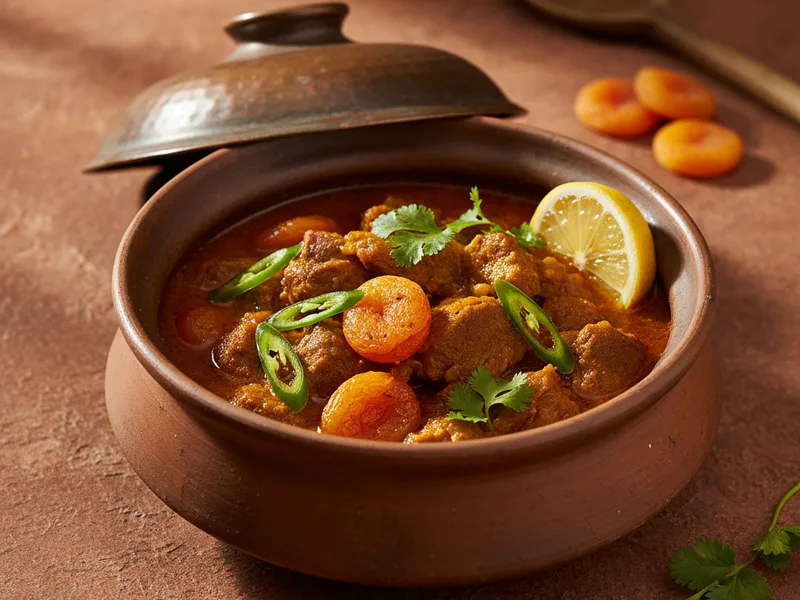
Gilgit Apricot Gosht — Mountain Fruit and Lamb
The extraordinary fruit-and-meat stew of Gilgit-Baltistan — lamb slow-cooked with dried apricots (khubani) until the fruit dissolves into a sweet-tart gravy that perfectly balances the rich meat. One of Pakistan's most unique and least-known dishes.
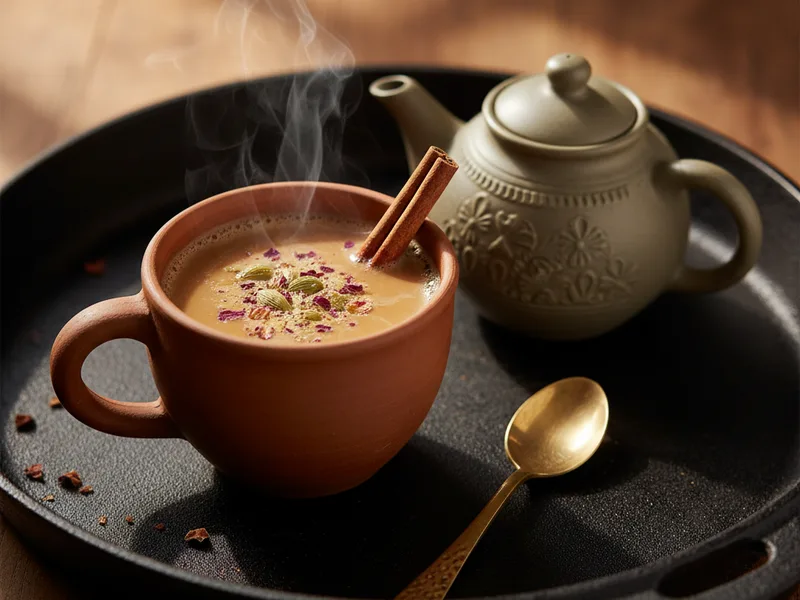
Karak Chai — KP Street Tea
Bold, brassy KP-style karak chai made by simmering loose tea leaves hard in water before adding full-fat milk, simmering again, and serving strong enough to wake up a whole baithak. The Pashtun chai standard — dark, punchy, barely sweetened, deeply satisfying.
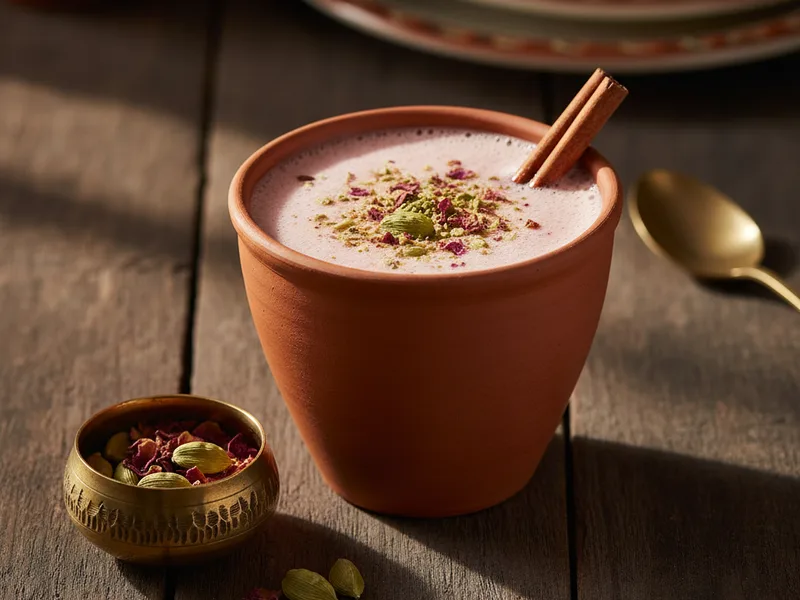
Kashmiri Pink Chai — Noon Chai
Authentic Kashmiri noon chai (pink tea) made by brewing Kashmiri gunpowder tea with baking soda until it turns deep red, then adding cold milk which magically transforms it into a beautiful rose-pink colour. Served salted and topped with cream and crushed pistachios.