
Every Pakistani Bread Worth Knowing How to Make
Pakistani breads are as varied as the country's regions — the flaky parathas of Punjab, the smoky peshawari naan from the north-west, the millet rotis of Sindh, the yeasted sheermal of the Mughal kitchen. This collection covers the full range, from the everyday chapati to the elaborate bakarkhani.
10 recipes in this collection
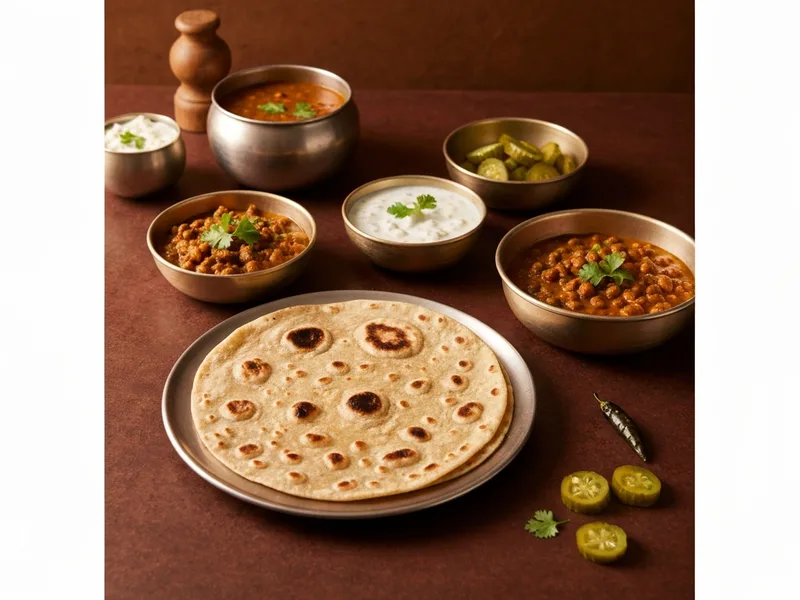
Chapati
Chapati is the everyday whole-wheat flatbread at the heart of Pakistani home cooking — thin, soft, and cooked on a tawa before being placed directly on the gas flame to puff up into a golden, steam-filled balloon. It is the simplest bread you will ever make and the most forgiving, requiring nothing more than flour, water, and practice. Once you make good chapati at home, you will never look at store-bought the same way again.
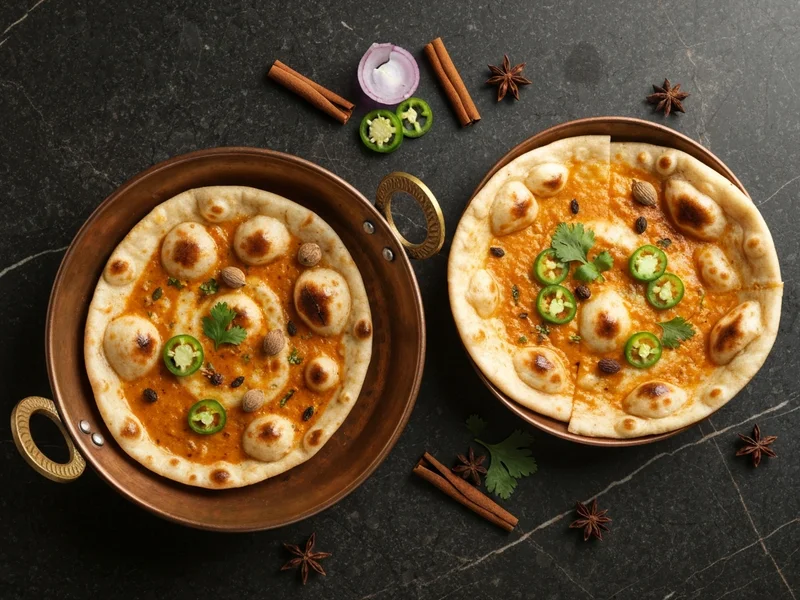
Butter Naan (Home Tawa Method)
Soft, pillowy butter naan made at home on a tawa (flat griddle) — no tandoor required. Brushed with makhan (butter) the moment it comes off the heat, this leavened flatbread is the perfect vehicle for any Pakistani curry.
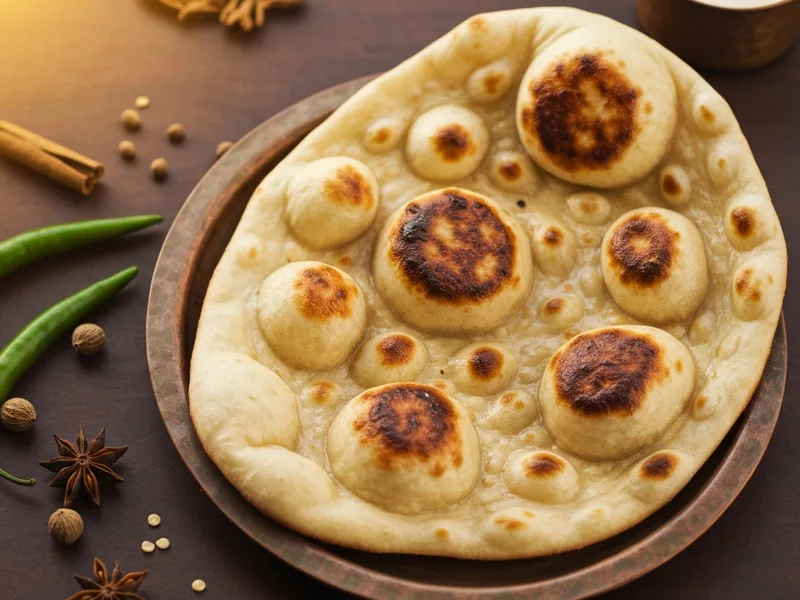
Garlic Naan
Garlic Naan takes everything great about a classic leavened naan and then — at the very last second — hits it with raw garlic butter and fresh coriander that cook against the bread's scorching heat. It is aggressively good, impossible to stop eating, and ready in under 10 minutes of baking.
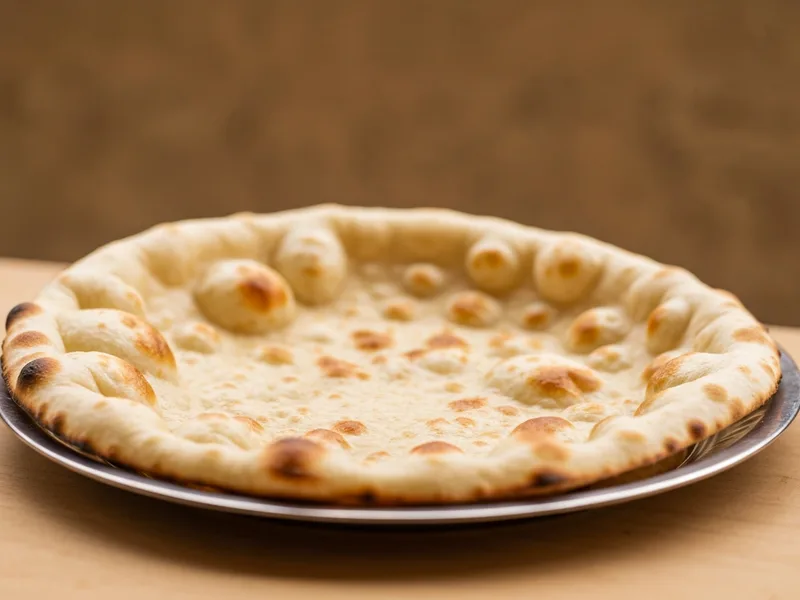
Peshawari Naan
Peshawari Naan is a thick, cloud-like flatbread from the ancient city of Peshawar — so large and puffy it barely fits on a standard plate. The dough is more hydrated than regular naan, giving it a pillowy interior with a slightly crisp exterior, and it is finished with nothing but a generous slick of butter.
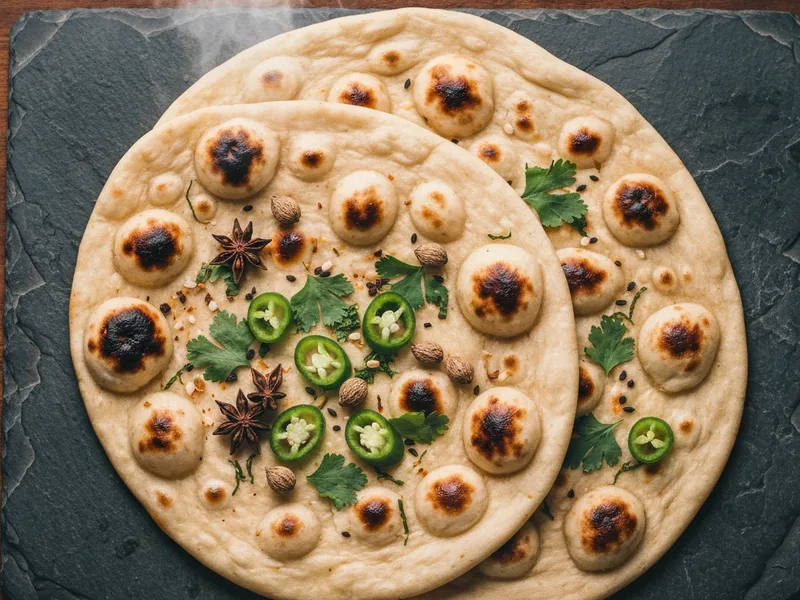
Kashmiri Naan
Kashmiri Naan is a sweet, fragrant stuffed bread filled with khoya, dried fruits, and cardamom — the kind of bread that makes you question why you ever ate plain naan. It is brushed with butter and rose water straight from the oven and is equally at home beside morning chai or as a dessert bread after a big meal.
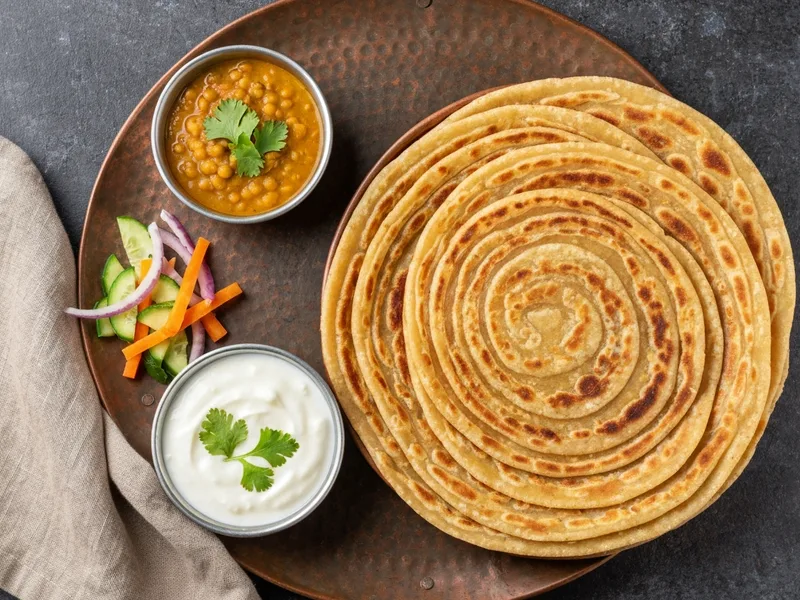
Lachha Paratha
Lachha Paratha is the showstopper of Pakistani flatbreads — a multi-layered, flaky paratha made by the coil method that creates dozens of crisp, butter-kissed layers visible when you hold it up to the light. When you pull it apart, it falls into beautiful golden ribbons. It is the kind of bread that makes people ask who made this and then look at you differently.
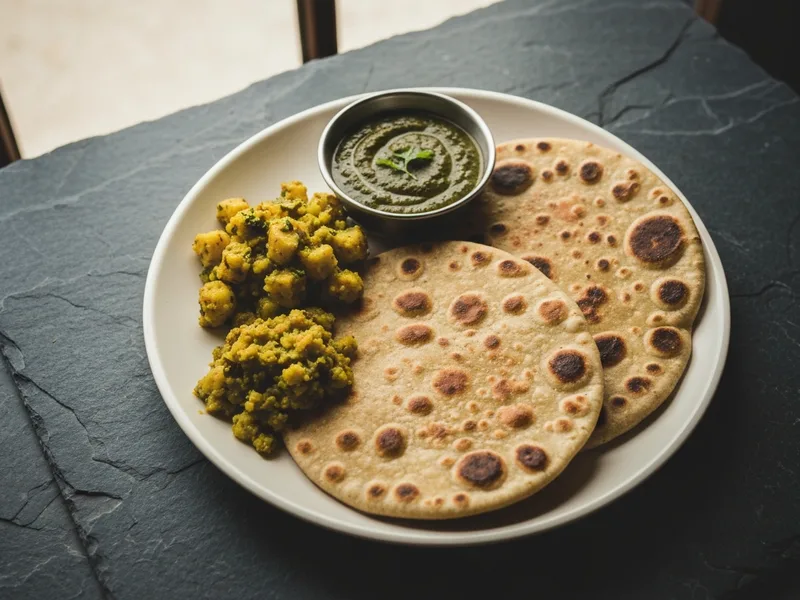
Makki Ki Roti
Makki Ki Roti is Punjab's golden corn flatbread — thick, slightly grainy, and impossibly satisfying when eaten hot off the tawa with a mountain of sarson ka saag and a pat of white butter. It is not rolled with a belan; it is shaped with love, patience, and wet hands. Getting your first one right is a rite of passage in every Punjabi kitchen.
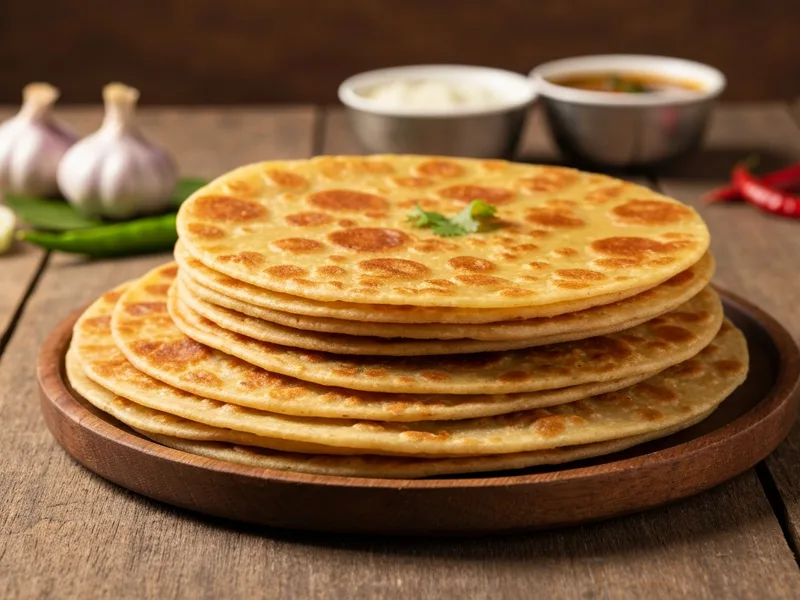
Missi Roti
Missi Roti is a rustic, spiced flatbread made from a blend of besan (gram flour) and whole wheat atta that's been a Punjabi staple for centuries. It's earthy, slightly nutty, and packed with the fragrance of ajwain and fresh coriander. One bite and you'll understand why dhabas across Punjab sell out by noon.
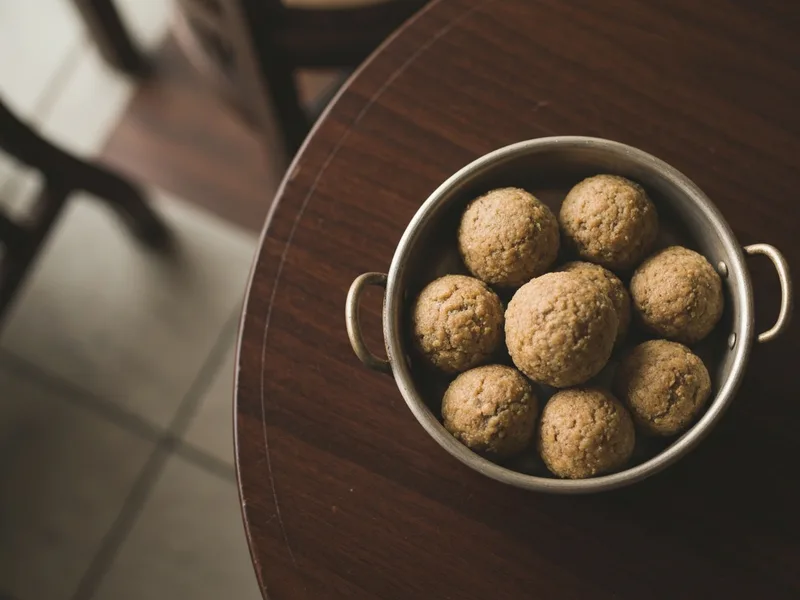
Sheermal
Sheermal is a royal saffron flatbread from Mughal kitchens — slightly sweet, impossibly fragrant, and golden enough to look like it was baked by the sun itself. The dough is enriched with milk, ghee, and saffron, then pricked all over before baking so it stays flat and tender rather than puffing up.
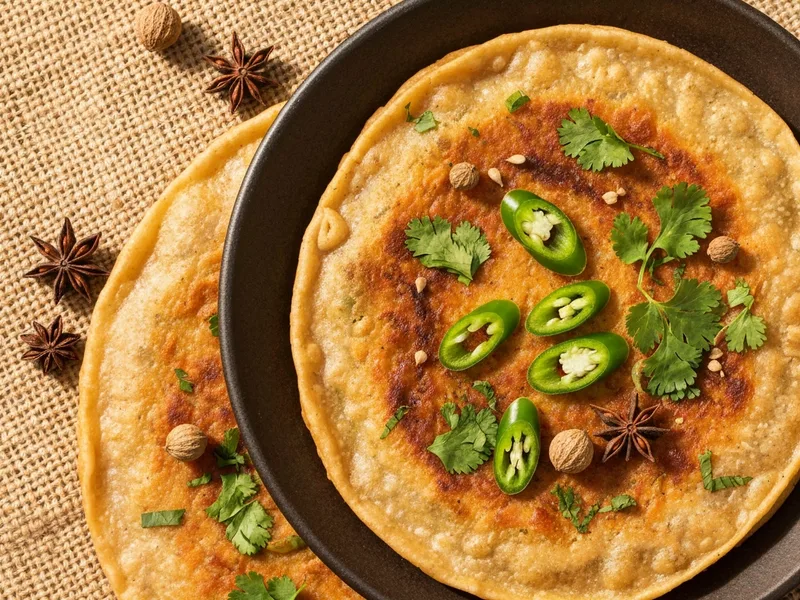
Bakarkhani
Bakarkhani is Lahore's layered, laminated breakfast bread — crisp on the outside, tender in the centre, with visible flaky layers that shatter satisfyingly when you break it. It is the Pakistani answer to a croissant, except it has been around longer than France, costs almost nothing, and tastes even better dunked in tea.