
Pakistani Bread Recipes
Pakistan has one of the world's great flatbread traditions — over two dozen distinct varieties baked in tandoors, on tawaas, and over open flames. From the street-side naan of Lahore's old city to Gilgit's high-altitude phitti and Sindh's mitho lolo.
24 recipes
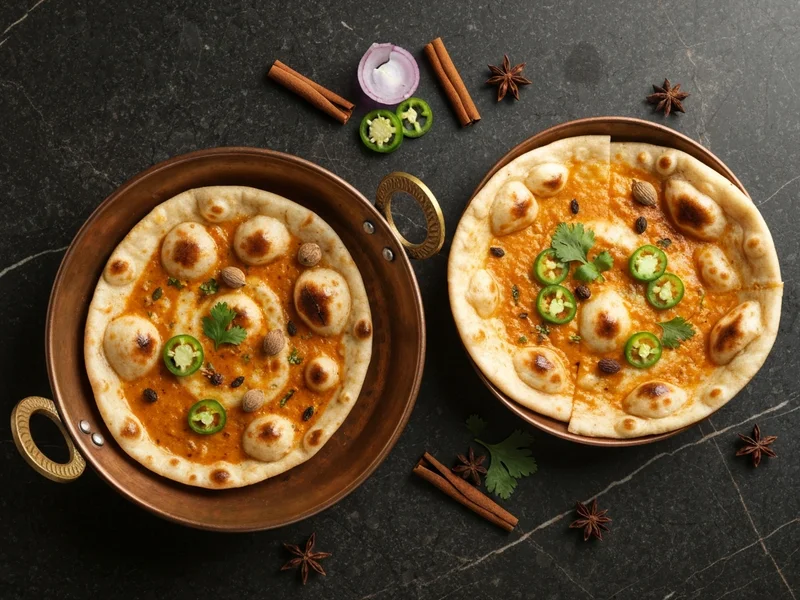
Butter Naan (Home Tawa Method)
Soft, pillowy butter naan made at home on a tawa (flat griddle) — no tandoor required. Brushed with makhan (butter) the moment it comes off the heat, this leavened flatbread is the perfect vehicle for any Pakistani curry.
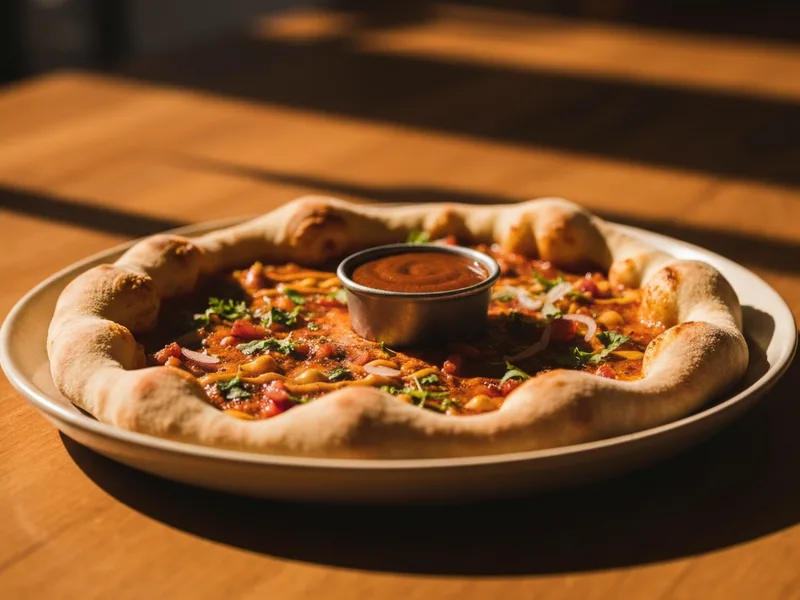
Kaak
Kaak is the ancient hard bread of Balochistan's shepherds — thick wheat discs baked until iron-hard, deliberately designed to survive weeks in a saddle bag without spoiling. Dip it in tea, soak it in broth, or break off a piece and eat it with Rosh. Once you try it, you'll understand why it has been feeding mountain communities for centuries.
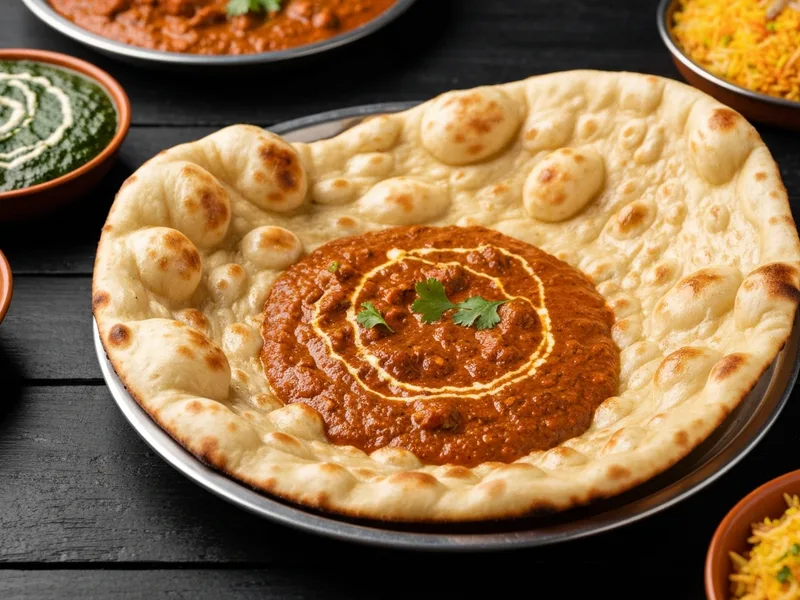
Roghni Naan
Roghni Naan is the Rolls-Royce of Pakistani bread — leavened, egg-enriched, oil-glossed, and studded with sesame and nigella seeds, baked until golden and billowy. It is the bread that makes any meal feel like a celebration, and once you've baked your own, the bakery version will never quite measure up.
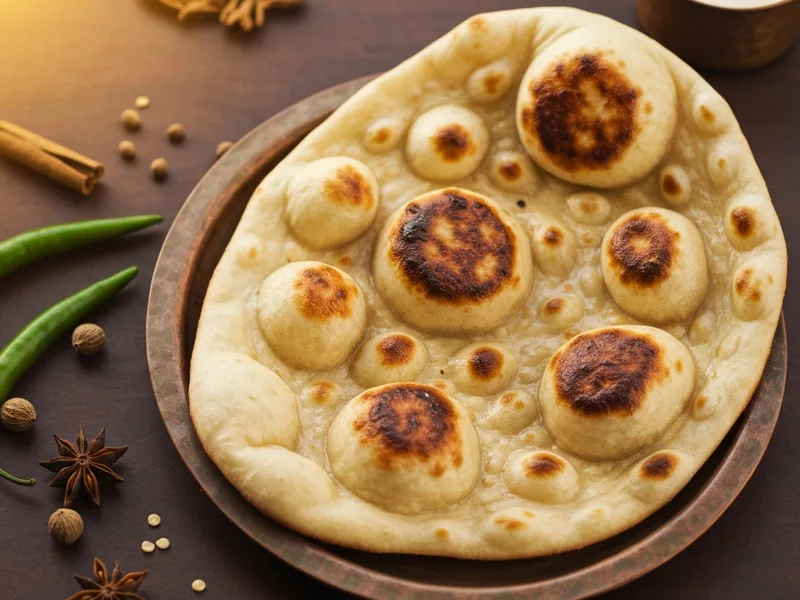
Garlic Naan
Garlic Naan takes everything great about a classic leavened naan and then — at the very last second — hits it with raw garlic butter and fresh coriander that cook against the bread's scorching heat. It is aggressively good, impossible to stop eating, and ready in under 10 minutes of baking.
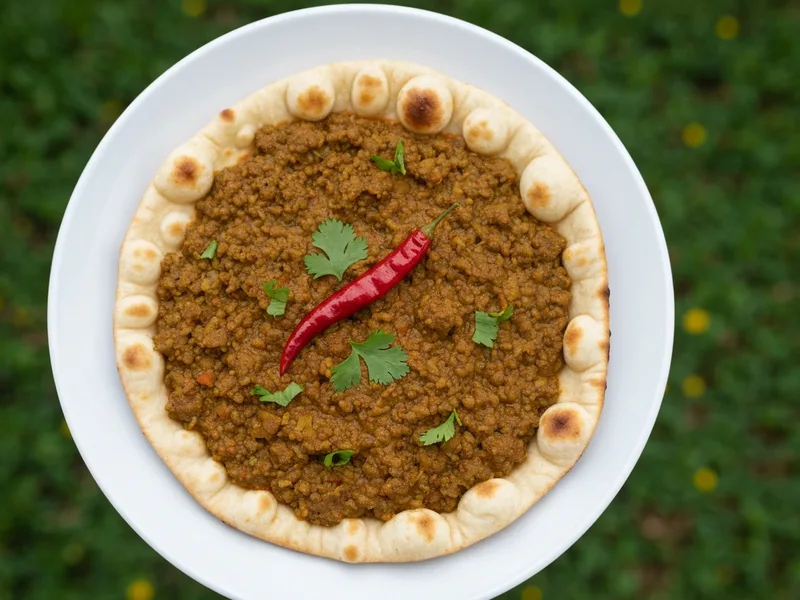
Keema Naan
Keema Naan is the ultimate Pakistani stuffed bread — spiced minced meat cooked dry and packed inside leavened naan dough, sealed, and baked until the crust is golden and the filling is fragrant and juicy. Served with cold yoghurt and mint chutney, it is a complete meal that happens to look like bread.
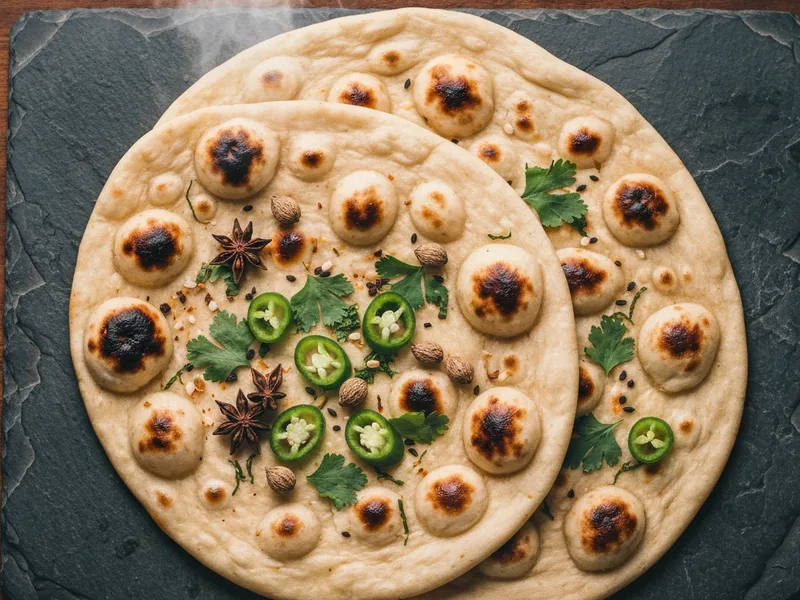
Kashmiri Naan
Kashmiri Naan is a sweet, fragrant stuffed bread filled with khoya, dried fruits, and cardamom — the kind of bread that makes you question why you ever ate plain naan. It is brushed with butter and rose water straight from the oven and is equally at home beside morning chai or as a dessert bread after a big meal.
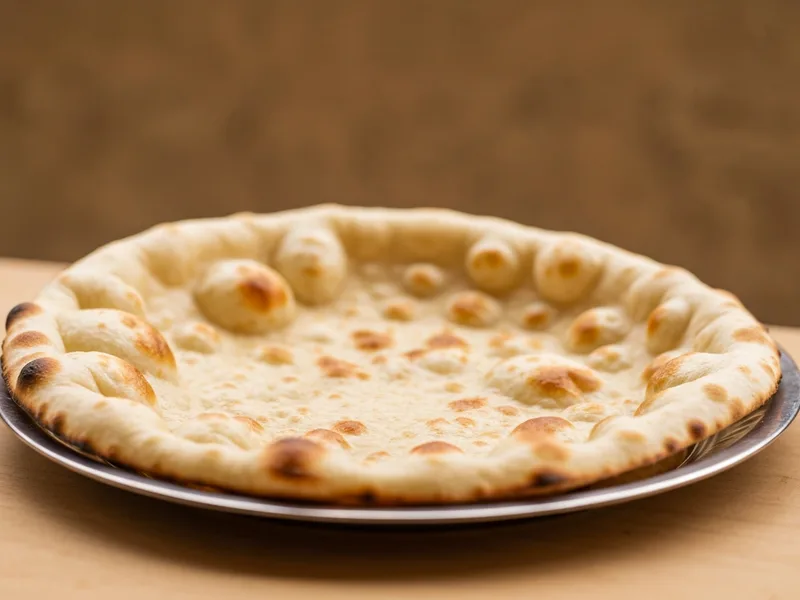
Peshawari Naan
Peshawari Naan is a thick, cloud-like flatbread from the ancient city of Peshawar — so large and puffy it barely fits on a standard plate. The dough is more hydrated than regular naan, giving it a pillowy interior with a slightly crisp exterior, and it is finished with nothing but a generous slick of butter.
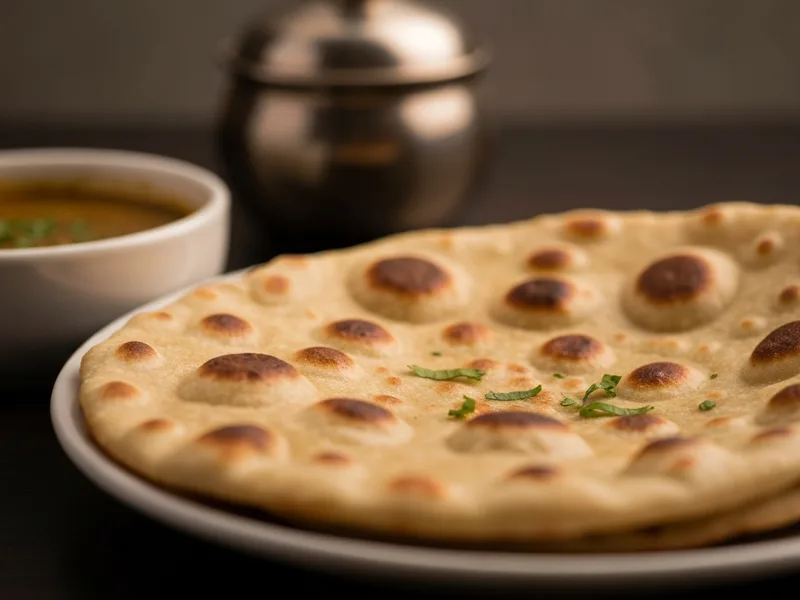
Kulcha
Kulcha is Lahore's beloved leavened flatbread — softer than naan, richer in fat, and baked on the floor of the tandoor where it develops a flat base and an irresistibly puffy top. Whether you eat it plain with just a slick of butter or stuffed with spiced potato or paneer, it is the kind of bread that ruins all other bread for you.
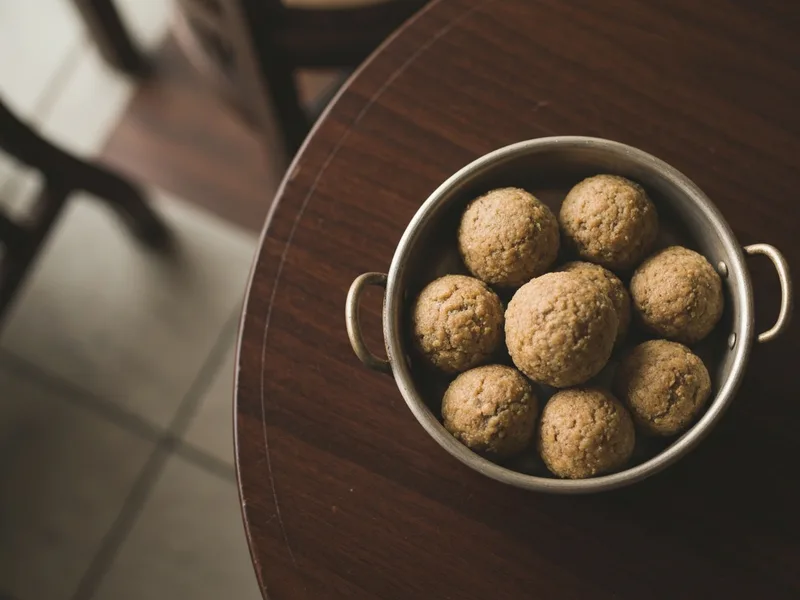
Sheermal
Sheermal is a royal saffron flatbread from Mughal kitchens — slightly sweet, impossibly fragrant, and golden enough to look like it was baked by the sun itself. The dough is enriched with milk, ghee, and saffron, then pricked all over before baking so it stays flat and tender rather than puffing up.
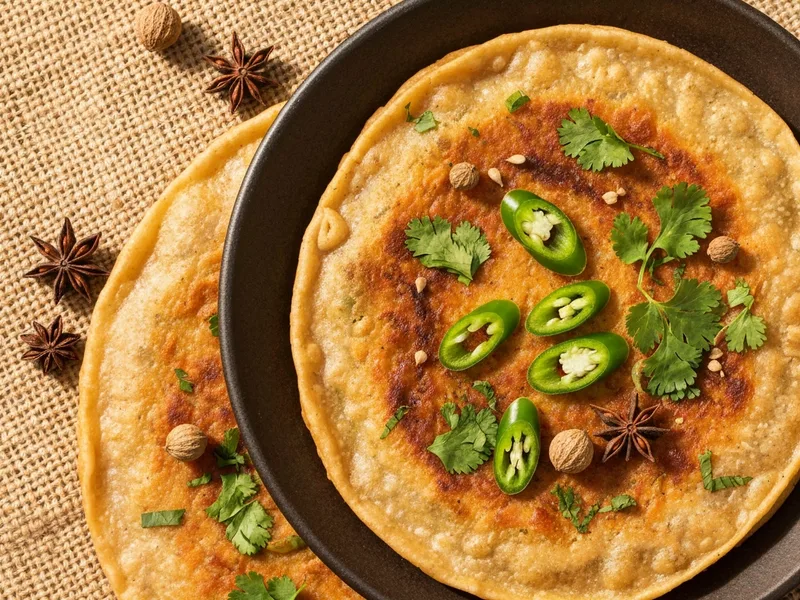
Bakarkhani
Bakarkhani is Lahore's layered, laminated breakfast bread — crisp on the outside, tender in the centre, with visible flaky layers that shatter satisfyingly when you break it. It is the Pakistani answer to a croissant, except it has been around longer than France, costs almost nothing, and tastes even better dunked in tea.
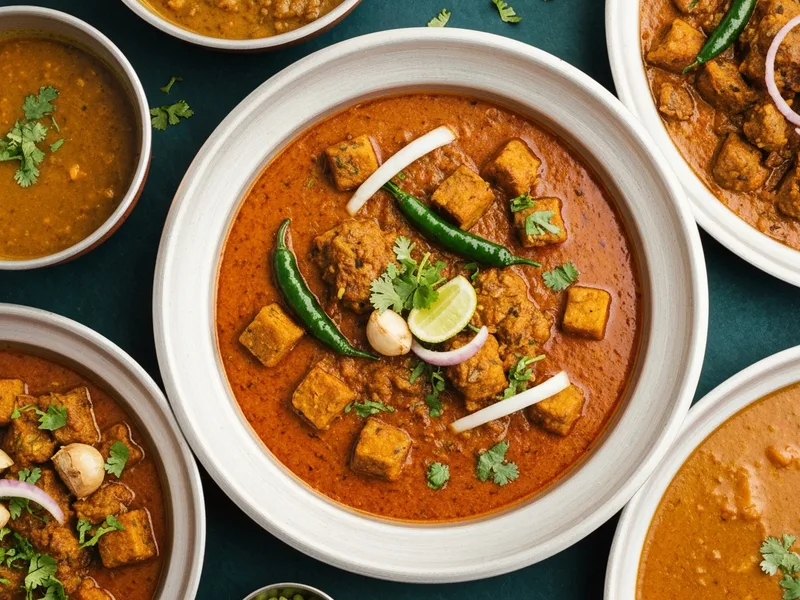
Taftan
Taftan is a delicate, Persian-heritage bread from Karachi's Iranian community — soft, slightly sweet, saffron-golden, and scattered with poppy seeds. It is more refined than a naan and more flavourful than a plain roti, sitting somewhere between bread and festive pastry.
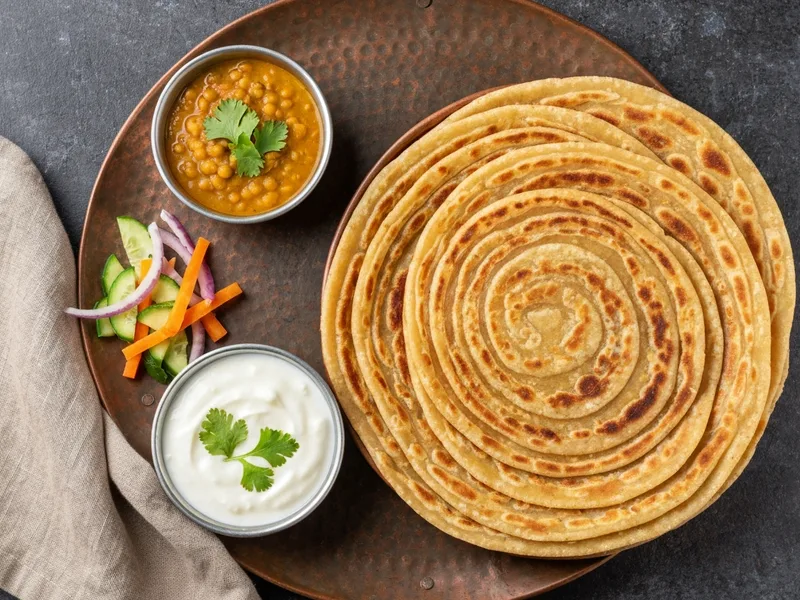
Lachha Paratha
Lachha Paratha is the showstopper of Pakistani flatbreads — a multi-layered, flaky paratha made by the coil method that creates dozens of crisp, butter-kissed layers visible when you hold it up to the light. When you pull it apart, it falls into beautiful golden ribbons. It is the kind of bread that makes people ask who made this and then look at you differently.
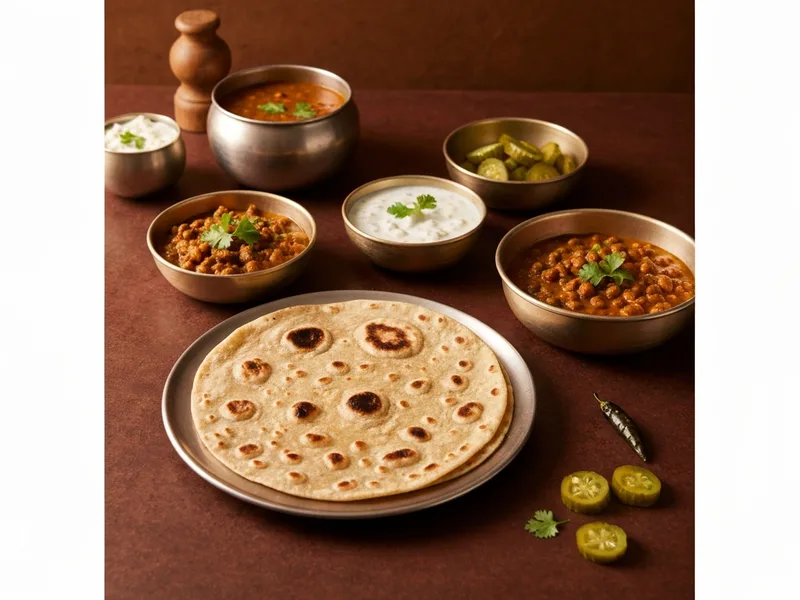
Chapati
Chapati is the everyday whole-wheat flatbread at the heart of Pakistani home cooking — thin, soft, and cooked on a tawa before being placed directly on the gas flame to puff up into a golden, steam-filled balloon. It is the simplest bread you will ever make and the most forgiving, requiring nothing more than flour, water, and practice. Once you make good chapati at home, you will never look at store-bought the same way again.
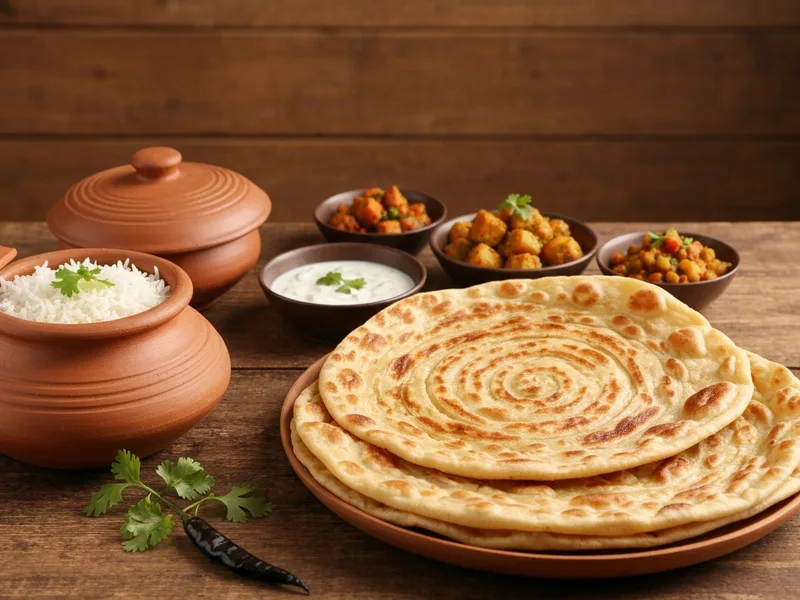
Tandoori Roti
Tandoori Roti is a thick, slightly smoky whole-wheat flatbread traditionally baked by slapping it onto the scorching inner wall of a clay tandoor oven — where it puffs, blisters, and develops charred spots in a matter of minutes. It is chewier and more substantial than chapati, with an unmistakable smoky char from the intense heat. A home oven method using a cast-iron pan on maximum grill heat gives you a genuinely good approximation.
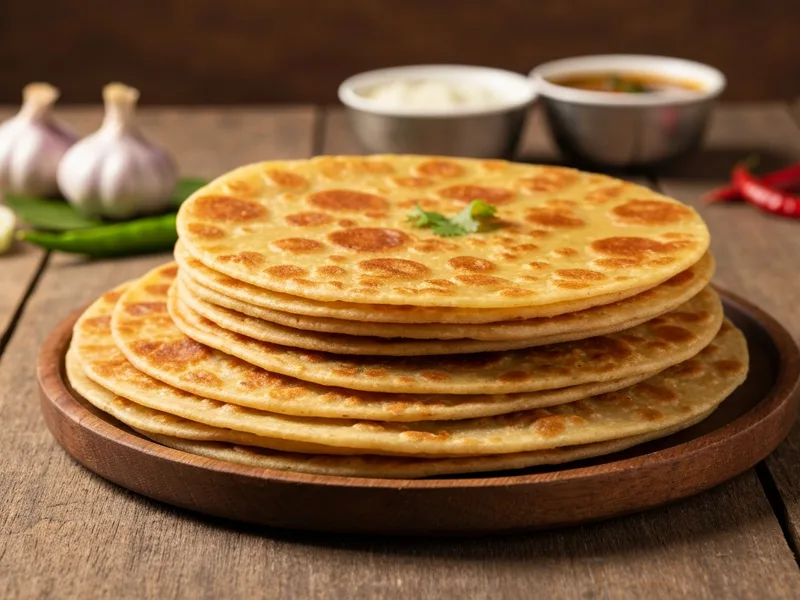
Missi Roti
Missi Roti is a rustic, spiced flatbread made from a blend of besan (gram flour) and whole wheat atta that's been a Punjabi staple for centuries. It's earthy, slightly nutty, and packed with the fragrance of ajwain and fresh coriander. One bite and you'll understand why dhabas across Punjab sell out by noon.
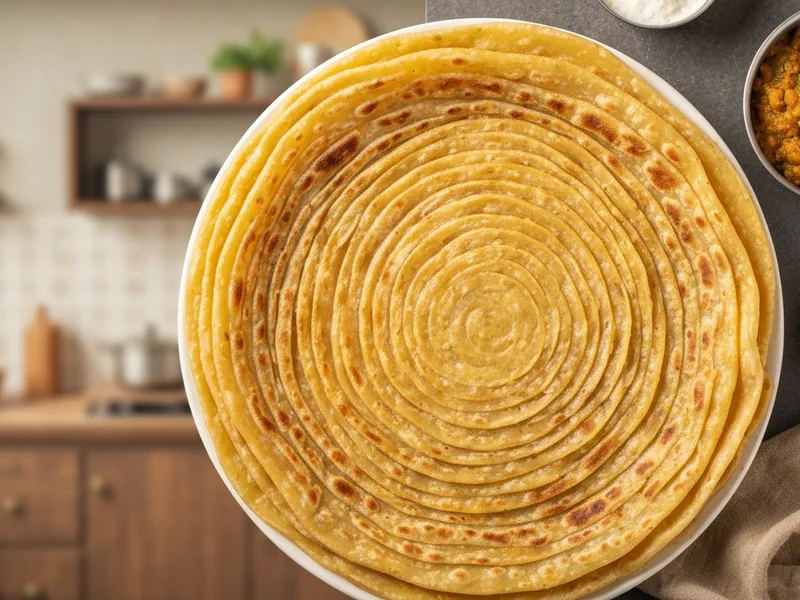
Khameeri Roti
Khameeri Roti is the leavened cousin of the everyday chapati — yeast-risen, slightly tangy, and wonderfully soft with a chewy pull that plain roti just can't match. It's the bread that Lahori roti shops start preparing before sunrise. Once you taste a fresh khameeri roti slathered with makhan, you'll understand the queue outside those shops.
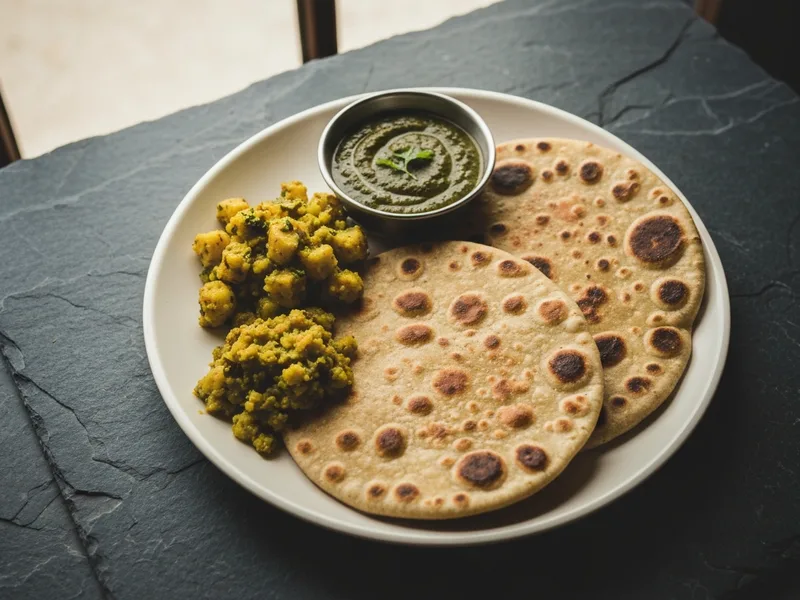
Makki Ki Roti
Makki Ki Roti is Punjab's golden corn flatbread — thick, slightly grainy, and impossibly satisfying when eaten hot off the tawa with a mountain of sarson ka saag and a pat of white butter. It is not rolled with a belan; it is shaped with love, patience, and wet hands. Getting your first one right is a rite of passage in every Punjabi kitchen.
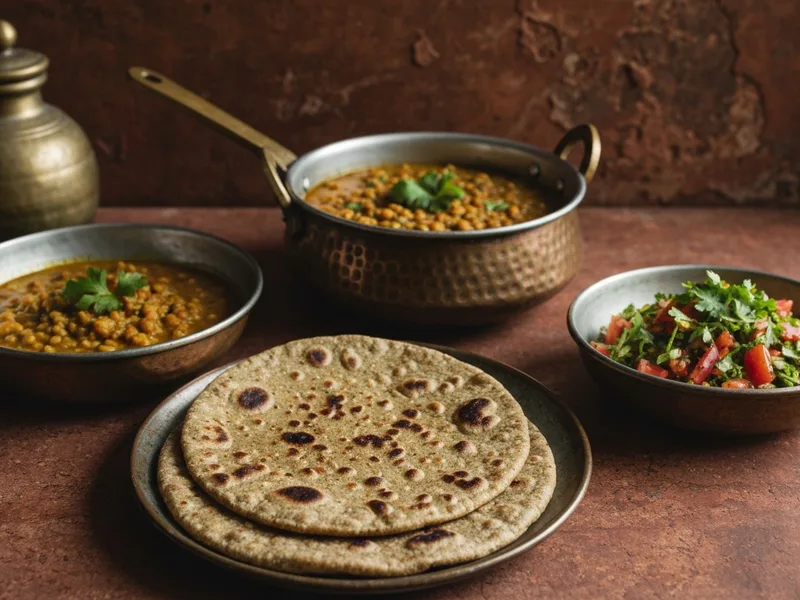
Bajra Roti
Bajra Roti is pearl millet flatbread — dense, dark, and deliciously earthy, with a deep nutty flavour that wheat roti simply cannot compete with. It's the bread of Sindh's farmers and herdsmen, built for cold winters and hard work. Modern nutritionists have caught up with what rural communities knew all along: bajra is remarkably good for you.
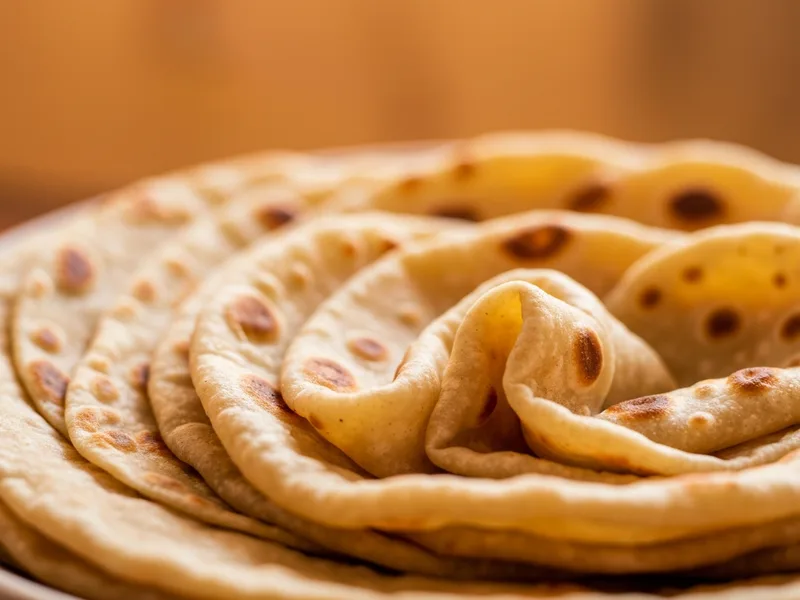
Rumali Roti
Rumali Roti is a paper-thin, silky flatbread folded like a handkerchief — 'rumal' literally means handkerchief in Urdu. It's the bread of grand restaurants, wedding banquets, and show-offs, because watching a skilled cook stretch it paper-thin and slap it onto an inverted karahi is genuinely theatrical. At home, it's more achievable than it looks and absolutely worth the effort.
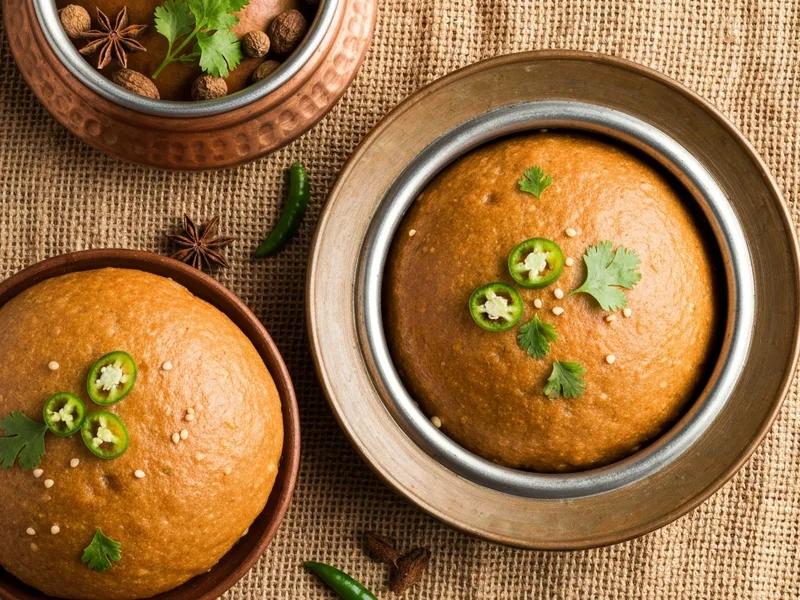
Mitho Lolo — Sindhi Sweet Jaggery Bread
Sindh's sweet jaggery flatbread — whole wheat dough with dissolved gurr (jaggery), ghee, fennel seeds, and cardamom, cooked slowly on a tawa. Made for Thadri (Shitala Satam) festival and when someone recovers from illness. Bread and dessert simultaneously — one of the most distinctive things in Sindhi cooking.
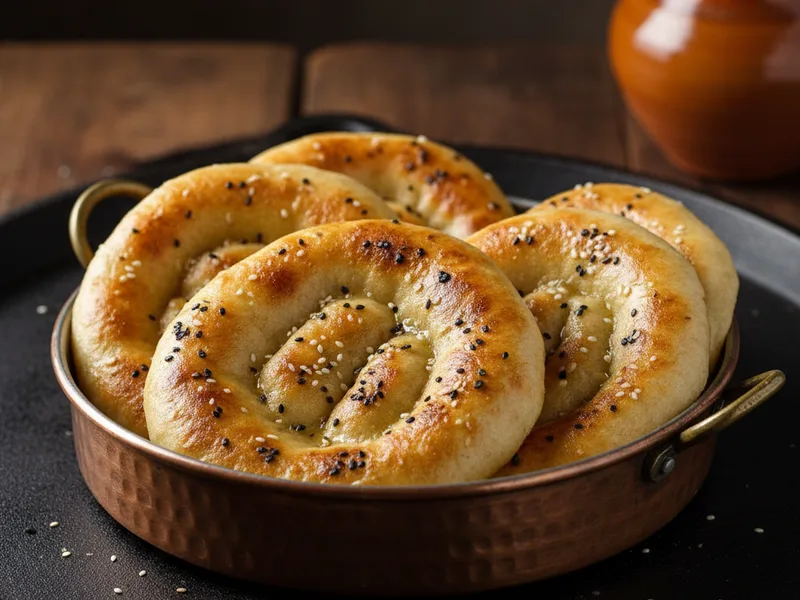
Hunza Chapshuro — Beef-Stuffed Mountain Bread
Hunza Valley's iconic stuffed flatbread — whole wheat dough filled with spiced minced beef and pan-cooked on a tawa. The mountain-traveler's complete meal in bread form, beloved from Gilgit-Baltistan to the surrounding KP regions.
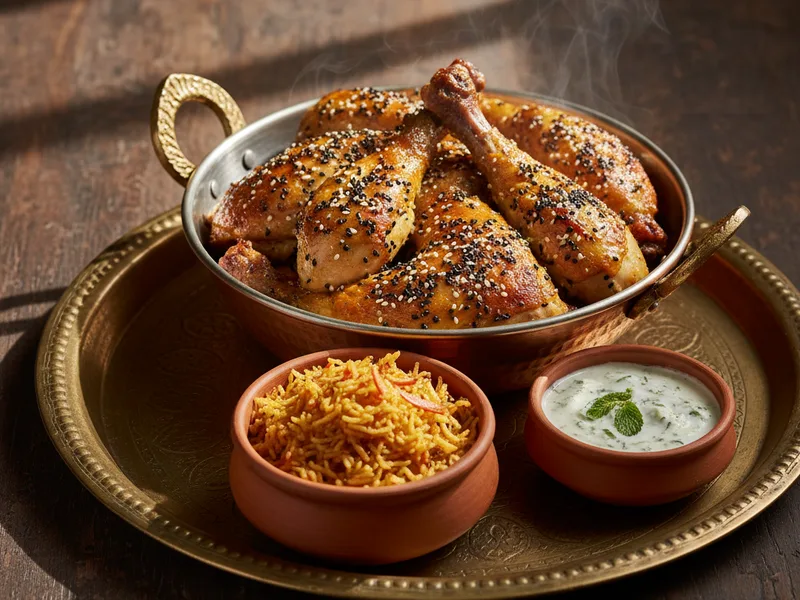
Chicken Chapshuro — Valley Variation
A lighter chicken-filled chapshuro — the minced chicken version popular in the tourist guesthouses of Hunza Valley, adapted for those who prefer poultry but still want the authentic stuffed mountain bread experience.
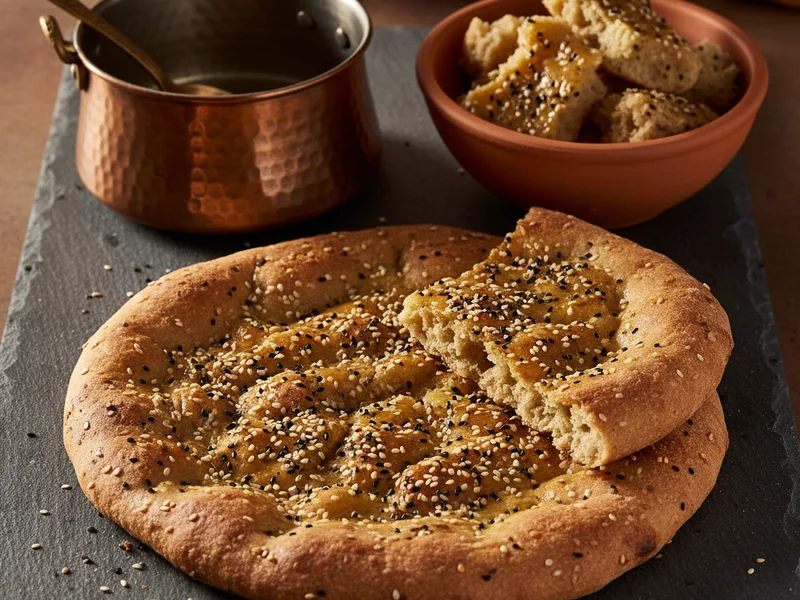
Balochi Kaak — The Desert Dry Bread
Balochistan's ancient hardtack-like dry bread — double-baked until completely moisture-free, it keeps for weeks without refrigeration and was the traditional bread of Baloch nomads, shepherds, and desert travelers.
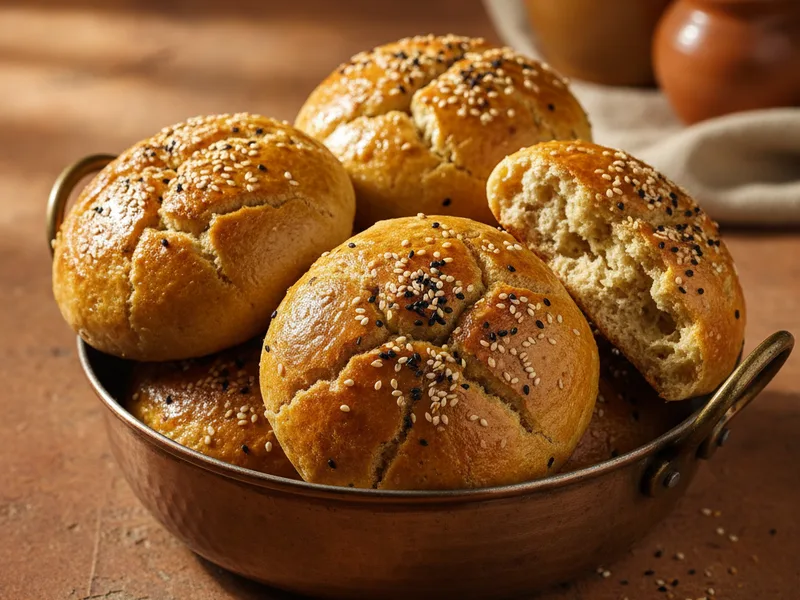
KP Kaak — Mountain Version
The KP mountain version of double-baked kaak — slightly richer with a touch of oil and sesame seeds, reflecting the different ingredients available to mountain communities compared to the desert Balochi version.